A hair transplant is a significant procedure aimed at restoring lost hair, but like any surgical intervention, it comes with a recovery period. One of the most common post-operative experiences patients encounter is swelling, also known medically as edema. While it can be concerning, understanding its causes and knowing how to manage it effectively can alleviate anxiety and ensure a smoother recovery. This guide will delve into why swelling occurs after a hair transplant, what factors influence its severity, and the best practices for managing it.
Key Aspects of Post-Hair Transplant Swelling:
- Understanding the Causes: Why does swelling happen after a hair transplant?
- Timeline of Swelling: When can you expect swelling to appear and subside?
- Factors Influencing Swelling: What makes some individuals swell more than others?
- Effective Management Strategies: What can you do to minimize and alleviate swelling?
- When to Seek Medical Advice: Recognizing signs of complications.
Understanding the Causes of Swelling (Edema)
Swelling after a hair transplant is a natural physiological response to the surgical trauma. The procedure involves creating numerous tiny incisions in the scalp to implant hair follicles. This process, regardless of whether it’s Follicular Unit Transplantation (FUT) or Follicular Unit Extraction (FUE), inevitably leads to a localized inflammatory response.
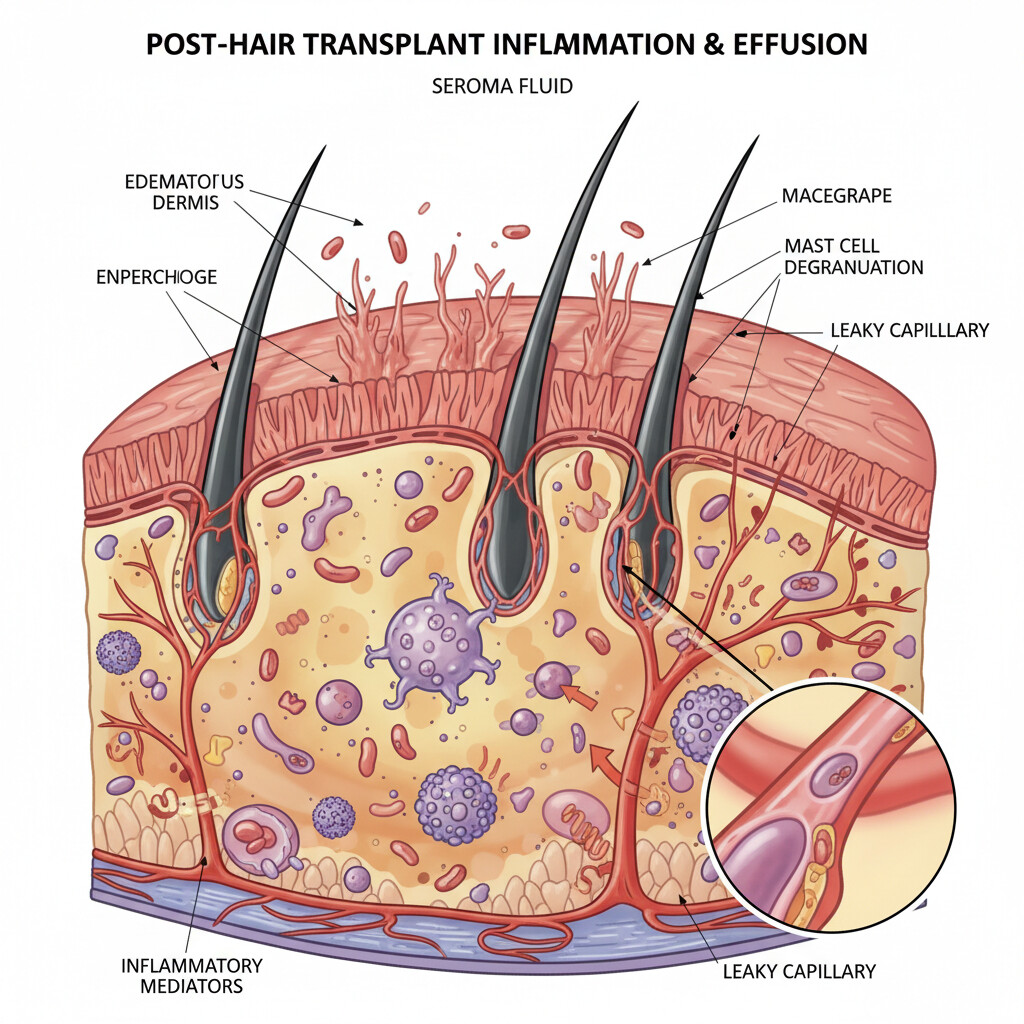
The body’s immune system reacts by sending fluid to the injured areas. This fluid accumulation, combined with minor bleeding and the anesthetic used during the procedure, causes the tissues to swell. The swelling is particularly noticeable on the forehead and around the eyes because the scalp is a vascular area, and the fluid can easily travel downwards due to gravity.
The Timeline of Swelling After Hair Transplant
Swelling typically begins to appear 2-3 days after the hair transplant surgery. It usually reaches its peak around the 3rd to 4th day. Patients often notice the swelling has moved down from the scalp to their forehead and even the area around their eyes, sometimes giving a temporarily bruised or puffy appearance.
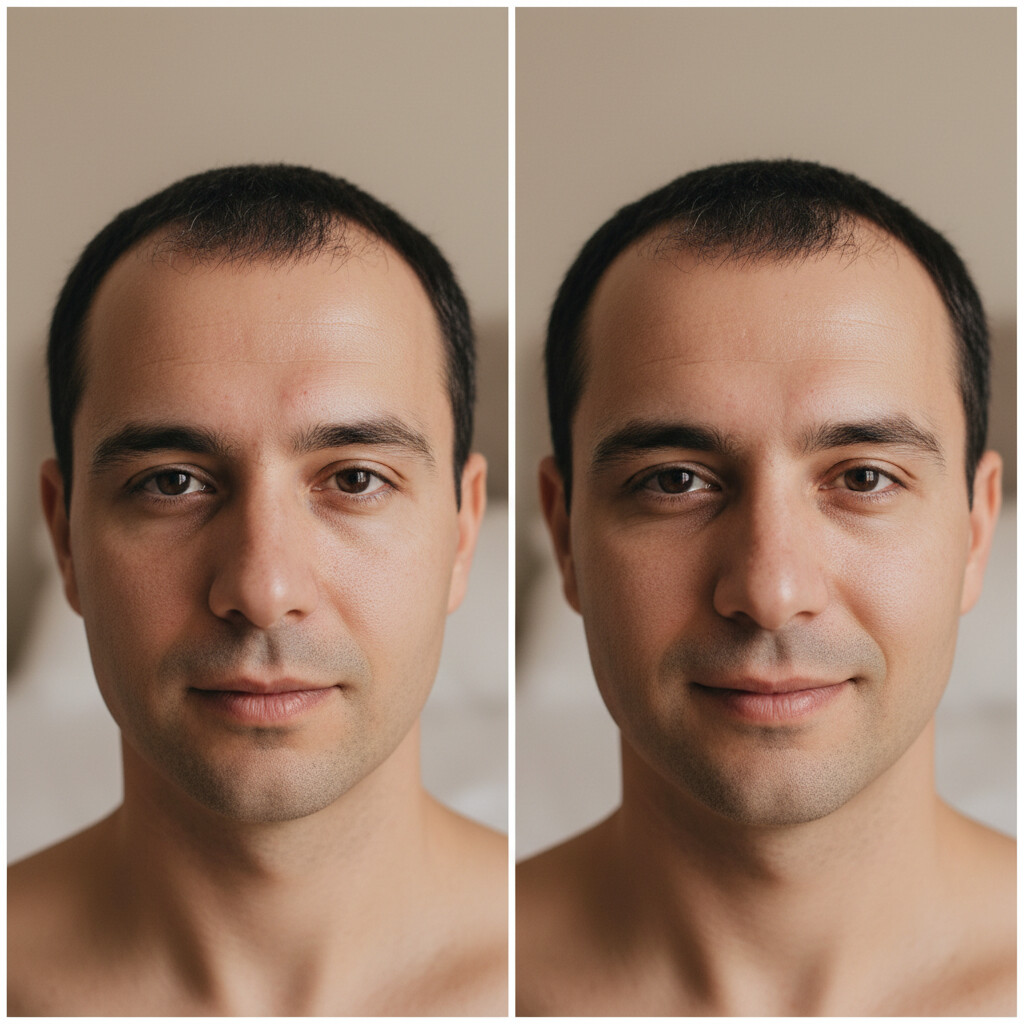
Fortunately, this swelling is temporary. In most cases, the swelling starts to gradually subside after the 4th day and should be significantly reduced within a week to 10 days post-surgery. Complete resolution of any residual puffiness can take up to two weeks for some individuals.
Factors Influencing Swelling Severity
The extent and duration of swelling can vary from person to person. Several factors can influence how much swelling you experience:
- Surgical Technique: While both FUE and FUT involve incisions, the nature and density of these incisions can play a role. More extensive procedures may sometimes lead to more pronounced swelling.
- Anesthesia: The type and volume of local anesthetic used, especially if it contains epinephrine (which constricts blood vessels), can influence initial swelling. Some clinics administer a steroid alongside the anesthetic to help mitigate post-operative swelling.
- Individual Physiology: Each person’s body responds differently to surgery. Factors like fluid retention tendencies, skin thickness, and the overall health of the individual can affect swelling.
- Post-Operative Care Adherence: How well a patient follows the post-operative instructions, particularly regarding head elevation and avoiding strenuous activity, significantly impacts swelling.
- Location of Transplant: Procedures involving the frontal hairline might lead to more noticeable forehead and eye swelling due to gravity.
Effective Management and Reduction Strategies
While you cannot entirely prevent swelling, you can take proactive steps to minimize its severity and promote faster resolution. Adhering strictly to your surgeon’s post-operative instructions is paramount.
- Head Elevation: This is perhaps the single most effective method. Keep your head elevated above your heart level as much as possible, especially when sleeping or resting. Use extra pillows to prop up your head. This helps gravity drain the fluid away from the head and face.
- Avoid Strenuous Activity: For the first week or two, avoid any activities that increase your heart rate or blood pressure, such as heavy lifting, intense exercise, or bending over. These can increase blood flow to the scalp and worsen swelling.
- Stay Hydrated: Drinking plenty of water helps your body function optimally and can aid in flushing out excess fluid.
- Medication: Your surgeon may prescribe or recommend anti-inflammatory medications (like ibuprofen) or antihistamines to help reduce swelling and any associated itching. Always follow your doctor’s dosage instructions.
- Gentle Pressure (Optional and Surgeon-Approved): Some surgeons recommend a special type of headband or bandage to apply gentle, continuous pressure to the forehead. This can help prevent fluid from accumulating in the forehead and eye areas. Crucially, only use such devices if explicitly recommended and instructed by your surgeon, as improper use can be detrimental..
- Avoid Salty Foods: Excessive salt intake can lead to fluid retention, potentially exacerbating swelling. Try to limit your consumption of salty snacks and processed foods.
- Gentle Scalp Care: Follow your clinic’s instructions for washing your scalp. Avoid aggressive scrubbing, which can irritate the area and potentially worsen inflammation.

When to Seek Medical Advice
While swelling is a normal part of recovery, certain signs may indicate a complication that requires immediate medical attention. Contact your hair transplant clinic or doctor if you experience any of the following:
- Sudden, severe, or worsening swelling: Especially if it occurs rapidly after the initial few days.
- Swelling accompanied by intense pain: Pain that is not managed by prescribed medication.
- Signs of infection: Such as fever, chills, increased redness, pus discharge, or a foul odor from the surgical sites.
- Severe bruising that extends beyond the expected areas or is accompanied by other concerning symptoms.
Conclusion
Swelling after a hair transplant is a temporary and generally manageable side effect. By understanding its causes, recognizing the typical timeline, and diligently implementing the recommended management strategies, patients can navigate this phase of recovery with greater ease and confidence. Prioritizing head elevation, avoiding strenuous activities, staying hydrated, and adhering to your surgeon’s specific instructions are your best allies in minimizing discomfort and ensuring the optimal outcome for your newly transplanted hair. If you have any concerns or experience unusual symptoms, always reach out to your healthcare provider for guidance.