
By ForumHairTransplant Editorial Team · Prepared with AI assistance · Sources checked: 19 October 2026
Numbness in the scalp is one of the most common side effects after a hair transplant. For most people it fades gradually over a few months, and in most cases it has resolved or become much milder by the one-year mark. This guide explains why it happens, what the usual timeline looks like, and when you should contact your surgeon.
Key takeaways
- Numbness is caused by small nerve endings being stretched or cut when grafts are removed and implanted. It is a normal response to surgery.
- It is usually felt in both the recipient area (where grafts were placed) and the donor area (where they were taken from).
- Sensation typically starts returning within 3-6 months. Tingling or “pins and needles” is often a sign the nerves are recovering.
- Numbness with spreading redness, pus, fever or severe pain, or no improvement after 12 months, should be checked by your surgeon.
What causes numbness after a hair transplant?
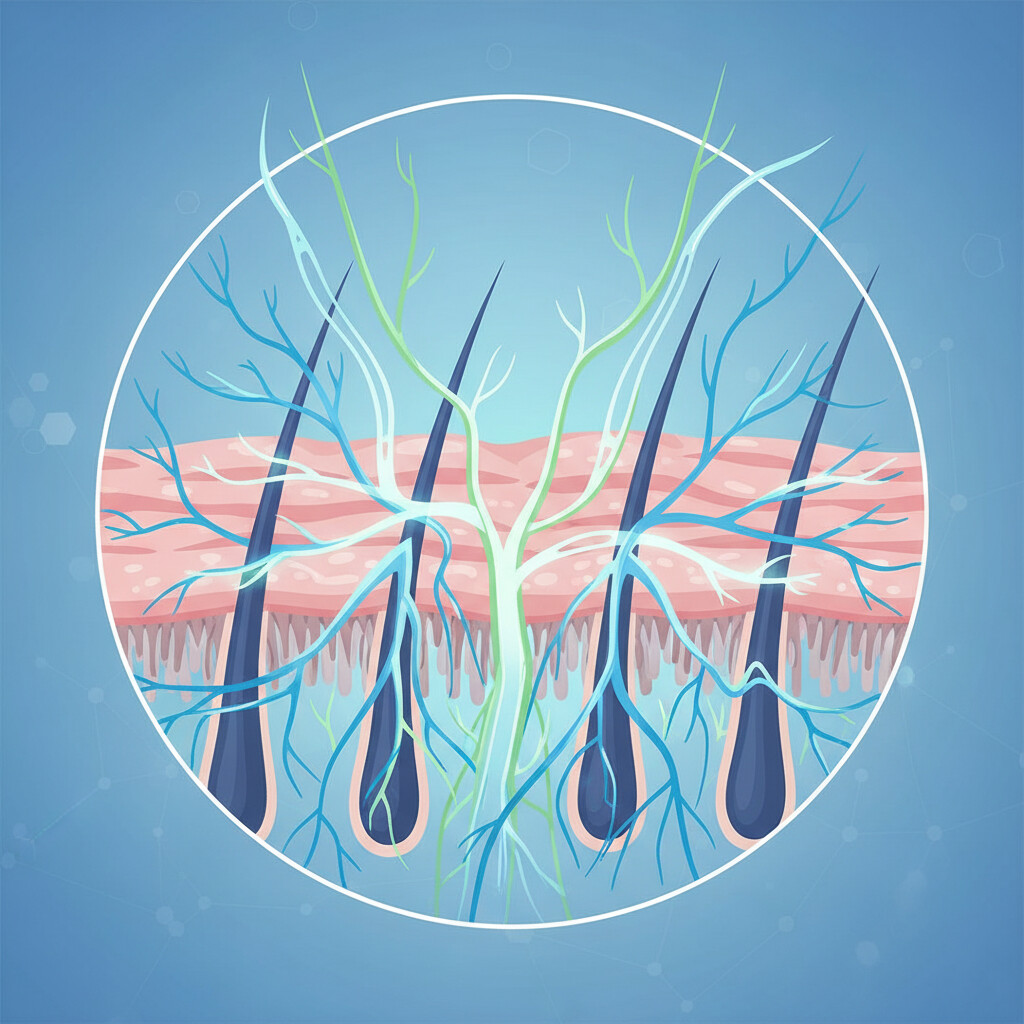
The scalp has a dense network of small sensory nerves. Both FUE and FUT involve thousands of tiny incisions: one to remove each graft and one to create each recipient site. Some of the small nerve endings in these areas are stretched, compressed or cut in the process.
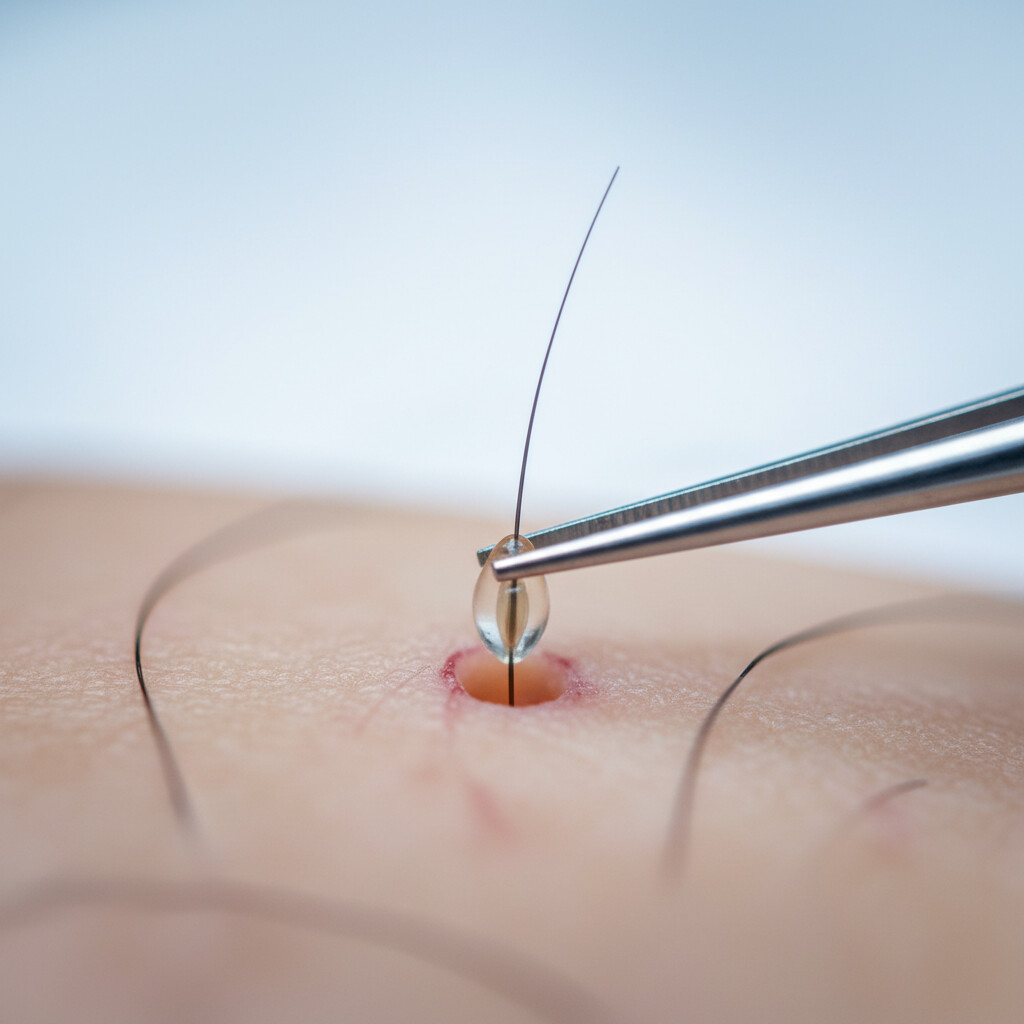
The result is reduced sensation, often described as numbness, tingling or a “wooden” feeling. This is an expected part of healing. The local anaesthetic used during surgery adds to the numbness in the first hours, but the longer-lasting effect comes from the nerve endings themselves. Our guide to anaesthesia and pain during a hair transplant explains the first part.
Typical timeline
Everyone heals at a different speed, but most patients follow a pattern like this:
- First days to weeks: numbness together with soreness and tightness, often most noticeable in the donor area and on top of the head. Swelling in the forehead is also common in this period.
- 1-3 months: soreness fades, but numbness may still be there. Tingling, itching or small “electric” sensations often appear as the nerves start to regenerate.
- 3-6 months: for many people sensation improves clearly in this period, and touch and temperature start to feel normal again.
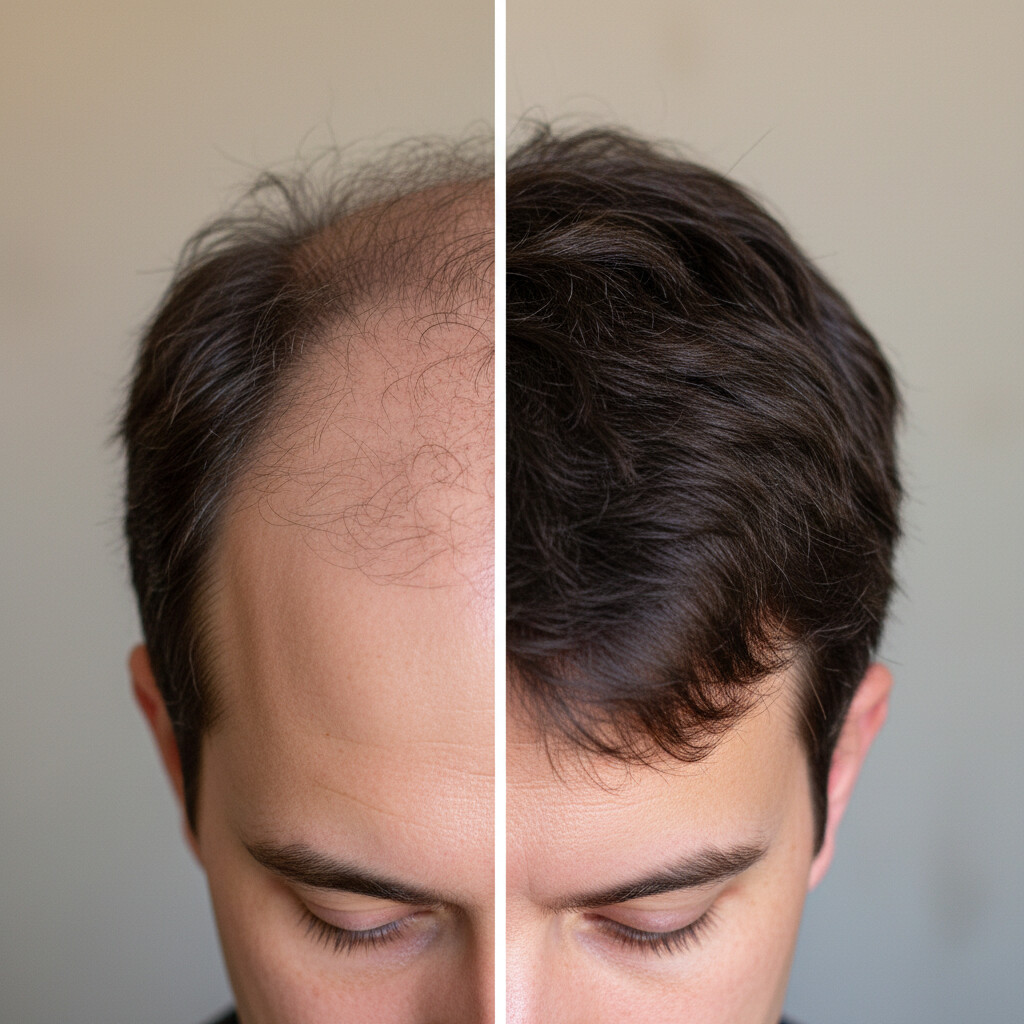
- 6-12 months: in most cases numbness has resolved or is only faintly noticeable by the one-year mark. Larger procedures can take longer.
What affects how long it lasts
- Size of the procedure: more grafts over a larger area means more nerve endings affected.
- Technique: FUT leaves a linear scar across the donor area, and some patients notice numbness above the scar for longer. FUE spreads the incisions over a wider area.
- Individual healing: age, general health and smoking all affect how fast nerves recover.
- Aftercare: avoiding pressure, scratching and trauma to the scalp in the first weeks helps the tissue heal cleanly.
When to contact your surgeon
Numbness on its own is rarely a concern. Contact your surgeon or a doctor if you notice:
- Signs of infection: spreading redness, warmth, pus, increasing swelling or fever.
- Severe or worsening pain instead of gradual improvement.
- Sudden changes in sensation such as burning pain or sharp shooting pains that don’t settle.
- No improvement at all after 12 months.
How to look after your scalp while sensation returns
- Be gentle. Because you can’t feel your scalp properly, it is easier to scratch or bump it too hard. Be especially careful in the first two weeks.
- Watch the temperature. Reduced sensation means you may not notice hot water, a hair dryer or strong sun. Test the water on your hand first and protect the scalp outdoors.
- Follow your washing routine. The first-wash guide covers how to wash without disturbing the grafts.
- Avoid smoking. Smoking reduces blood flow to the scalp and can slow healing.
- Be patient. Nerve recovery is slow, but for most people it is steady.
Discussion
How long did the numbness last for you, and which area recovered last, the donor area or the top? Share your timeline below. It really helps people who are in the first months right now.
Sources
- Hair transplant, NHS
- Hair Transplant: How Does It Work, Success Rates, Cleveland Clinic
- Recovery (Hair Transplantation and Restoration), American Society of Plastic Surgeons
- Complications in Hair Transplantation (Kerure and Patwardhan), Journal of Cutaneous and Aesthetic Surgery
These sources cover the general topic. They do not answer every detail in this guide, so follow your surgeon’s written instructions.
Related guides
- Hair Transplant Aftercare: What to Do From Day 1 to Month 12
- Pain After a Hair Transplant: What to Expect and How to Manage It
- Swelling After Hair Transplant: How Long It Lasts and What Helps
- The Best Shampoo to Use After Hair Transplant Surgery
About this guide: ForumHairTransplant.com is an independent patient community. We are not affiliated with any clinic or surgeon, and we don’t accept payment for rankings, reviews or recommendations. This article is general information, not medical advice. Talk to a qualified doctor about your own situation.