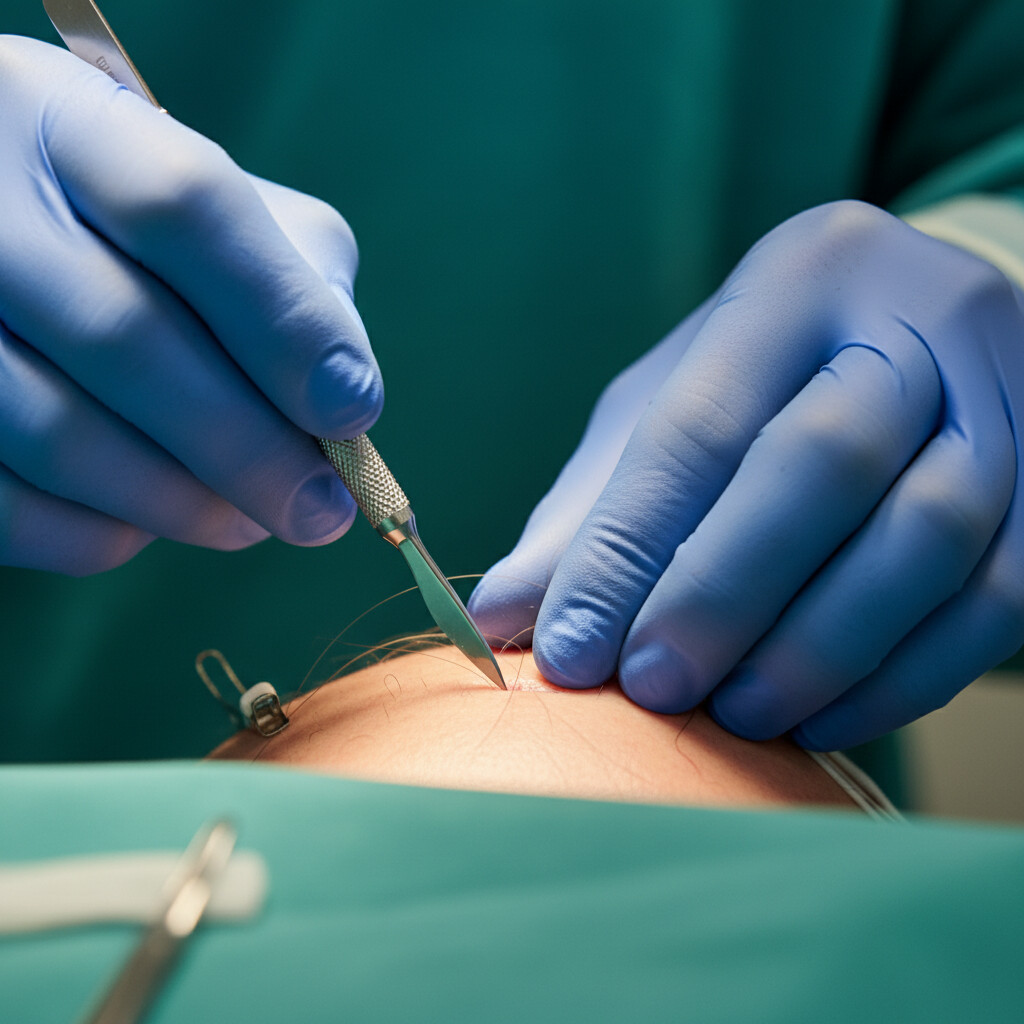
Embarking on the journey of a hair transplant is a significant decision, often driven by a desire to restore confidence and a fuller head of hair. While the process of harvesting and implanting hair follicles is crucial, the true artistry and a significant determinant of natural-looking results lie in the creation of the recipient sites. This phase, often performed by the surgeon, involves meticulously preparing the scalp to receive the transplanted grafts. Understanding the intricacies of recipient site creation, specifically the control of angle, direction, and density, is paramount for anyone considering or undergoing this procedure.
Key Aspects of Recipient Site Creation:
- Understanding the Goal: Achieving a natural, aesthetically pleasing hairline and scalp coverage.
- The Role of Angle: Mimicking the natural growth angle of existing hair for seamless integration.
- The Importance of Direction: Ensuring transplanted hairs follow the natural growth pattern of the surrounding hair.
- Density Management: Strategically placing grafts to create fullness without compromising future growth.
- Minimizing Trauma: Creating sites in a way that promotes healing and minimizes scarring.
- The Surgeon’s Expertise: Recognizing that this stage requires skill, experience, and an artistic eye.
What is Recipient Site Creation?
Recipient site creation is the process where tiny incisions, or ‘sites,’ are made in the balding or thinning areas of the scalp where hair transplantation will occur. These sites serve as the receiving points for the follicular units (grafts) that have been harvested from a donor area, typically the back and sides of the head. The quality of these sites directly impacts the final outcome of the hair transplant. A poorly created recipient site can lead to unnatural-looking hair growth, poor graft survival, and visible scarring. Conversely, expertly created sites ensure that the transplanted hairs grow in a way that is indistinguishable from natural hair.
The Critical Importance of Angle
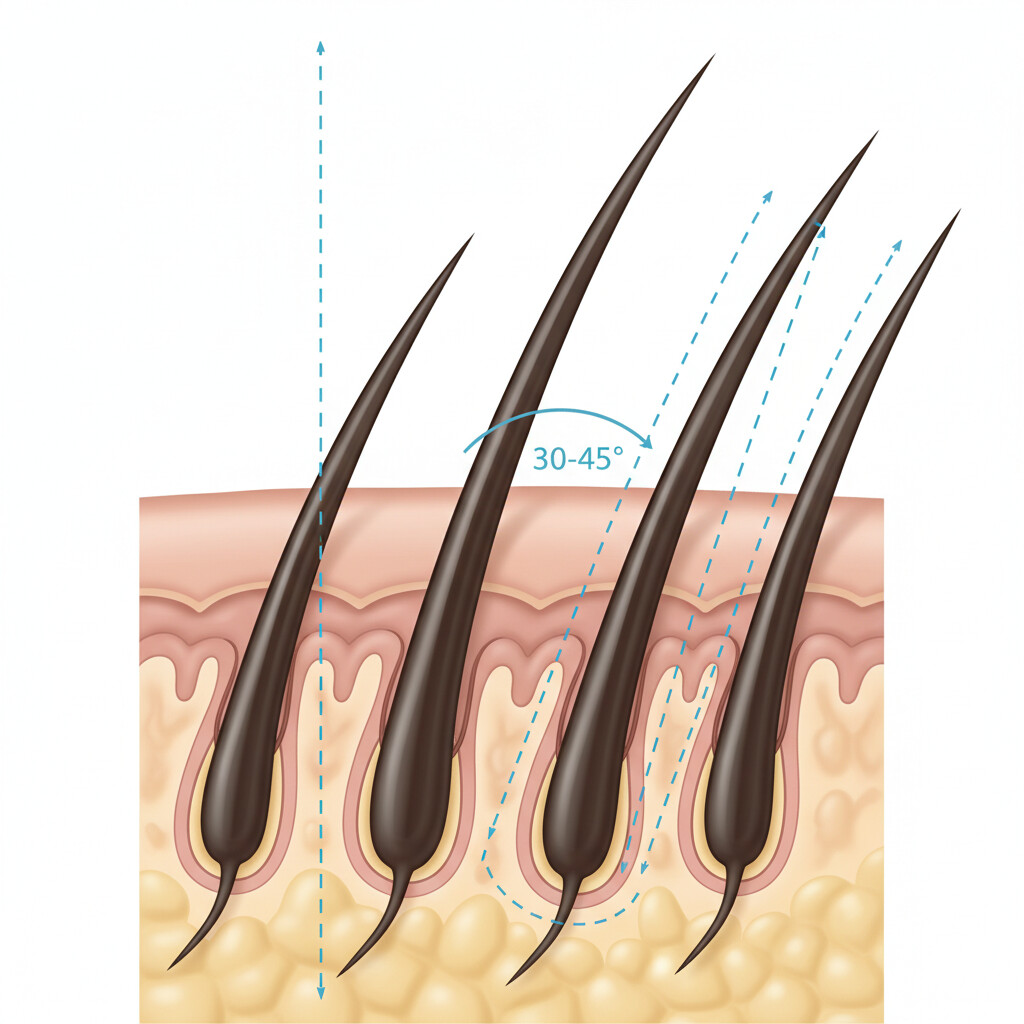
One of the most vital elements in recipient site creation is the angle at which the incisions are made. Natural hair does not grow straight out of the scalp. Instead, it emerges at a specific angle, often between 30 and 45 degrees, depending on the area of the scalp. This angle is critical for achieving a natural appearance.
Mastering Direction for Natural Flow
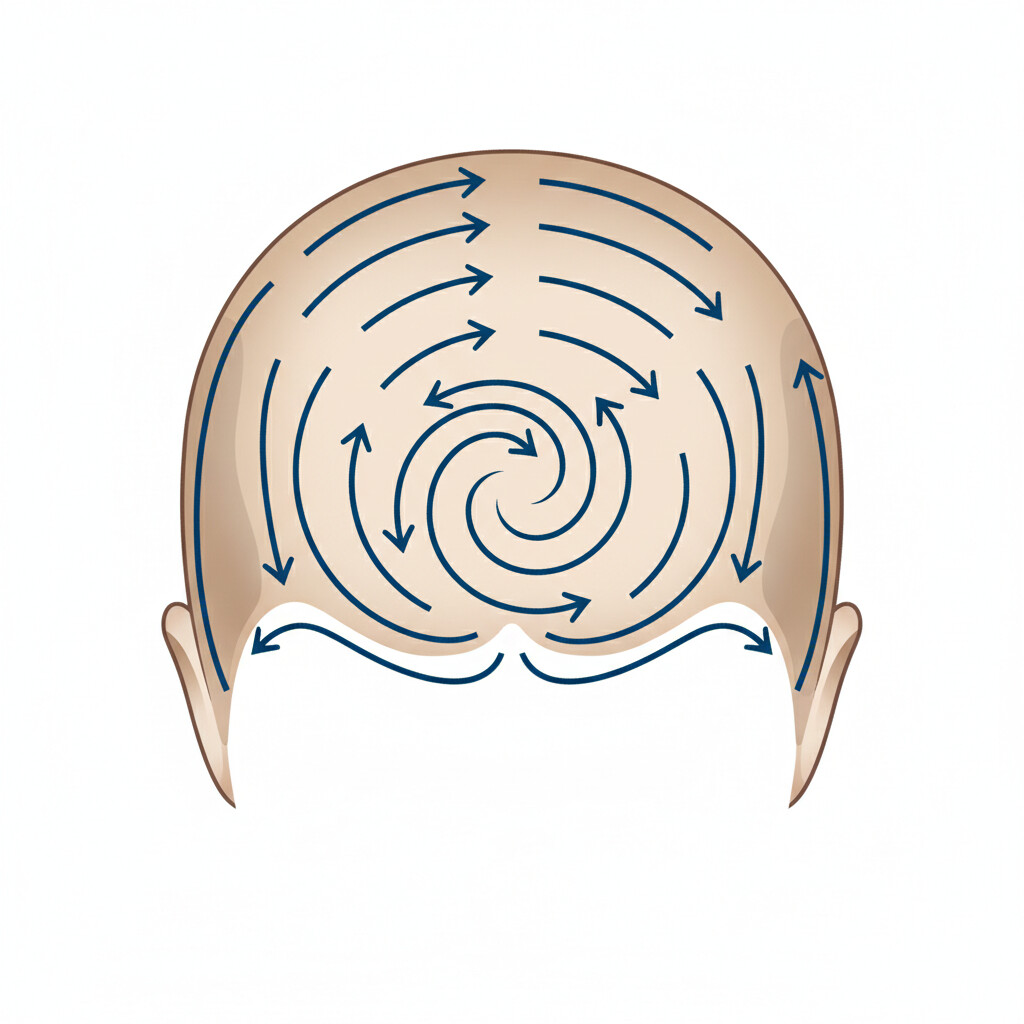
Beyond the angle, the direction of hair growth is equally crucial. Hair grows in specific patterns, often swirling or flowing in particular directions. For instance, hair on the crown typically grows in a whorl pattern, while hair at the front hairline usually flows downwards and slightly backwards. When creating recipient sites, the surgeon must place the incisions to align with these natural growth directions.
The Art of Density and Its Impact
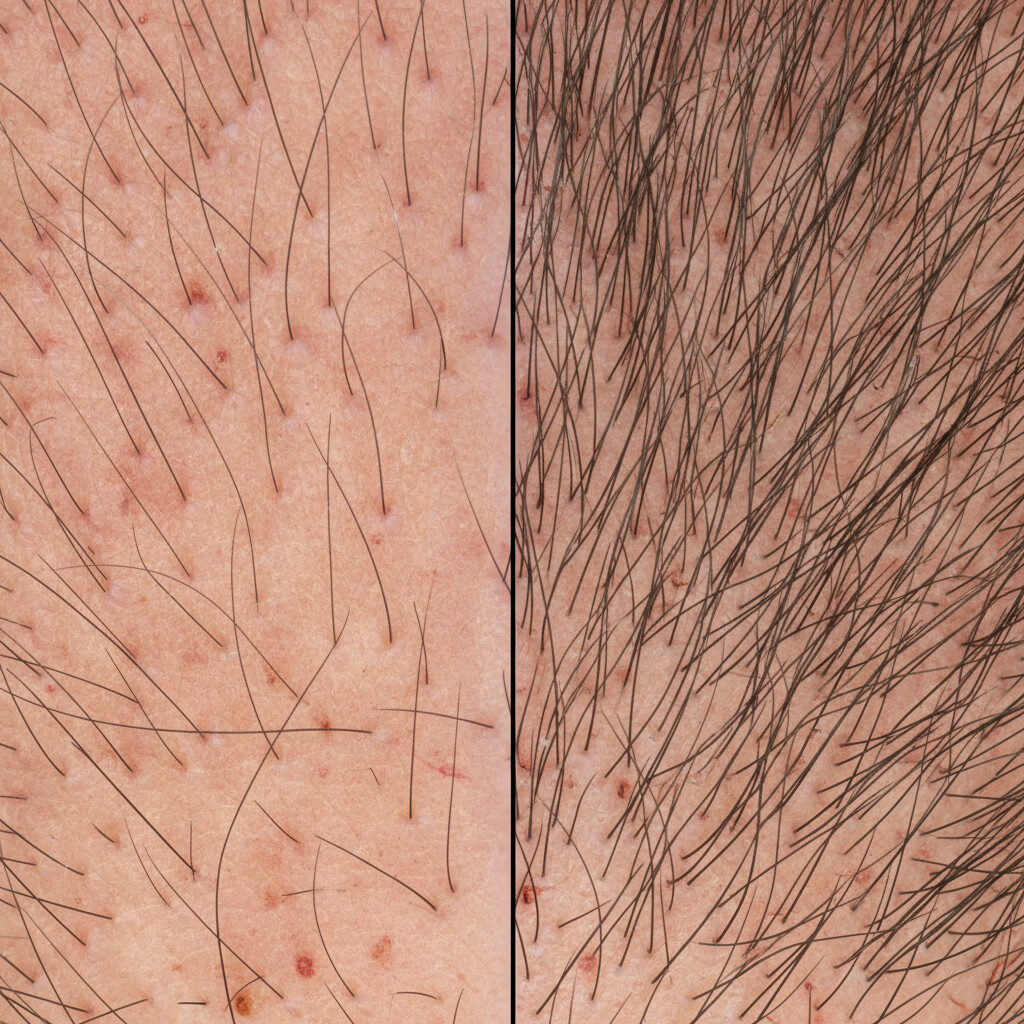
Density refers to the number of grafts (and therefore hairs) that can be implanted within a given area of the scalp. Achieving optimal density is a delicate balancing act. On one hand, patients desire a full, dense appearance. On the other hand, there are limitations to how many grafts can be safely placed in a single area without compromising blood supply and potential for future growth.
Techniques for Recipient Site Creation
There are two primary methods for creating recipient sites:
-
Blade Incisions: This traditional method involves using very fine, custom-made blades to create slits in the scalp. The size, depth, angle, and direction of these slits are precisely controlled by the surgeon. This technique allows for excellent control over graft placement and is still widely used, particularly by experienced surgeons.
-
Implanter Pens (DHI - Direct Hair Implantation): In some techniques, like Direct Hair Implantation (DHI), specialized pens are used to simultaneously create the recipient site and insert the graft. These devices offer a high degree of precision, and some surgeons find they can achieve excellent results with them. The choice of technique often depends on the surgeon’s preference, experience, and the specific needs of the patient.
Regardless of the technique used, the underlying principles of angle, direction, and density remain the same.
Factors Influencing Recipient Site Creation
Several factors influence how recipient sites are created:
- Patient’s Existing Hair Characteristics: The color, texture, and curl of the patient’s native hair are considered to ensure the transplanted hair blends seamlessly.
- Scalp Elasticity: The tightness or looseness of the scalp can affect how many sites can be created and the potential for density.
- Donor Hair Availability: The number and quality of grafts available from the donor area will dictate the achievable density.
- Desired Aesthetic Outcome: The patient’s vision for their hair, in consultation with the surgeon, guides the design of the hairline and the overall density.
What to Expect During the Procedure
During the procedure, after the donor hair has been harvested and prepared, the surgeon will begin creating the recipient sites. This is typically done under local anesthesia. The patient may feel a sensation of pressure but should not experience significant pain. The surgeon will meticulously create each site, paying close attention to the angle, direction, and spacing to achieve the desired aesthetic. Once all sites are prepared, the harvested grafts will be carefully placed into these incisions by the surgical team.
Recovery and Aftercare
Following the procedure, the recipient areas will be sensitive. Patients will be given specific instructions on how to care for the transplanted sites, which usually involve gentle cleaning and avoiding direct trauma. Small scabs may form in the recipient areas, which is normal and typically fall off within a week or two. The transplanted hairs will go through a shedding phase before new growth begins, usually starting around 3-4 months post-surgery.
Conclusion: The Surgeon’s Eye for Detail
Recipient site creation is not merely a mechanical process; it is a highly skilled and artistic endeavor. The successful integration of transplanted hair depends profoundly on the surgeon’s ability to master the angle, direction, and density of each individual site. It is this attention to detail, combined with a deep understanding of hair growth dynamics and aesthetic principles, that separates a good hair transplant from an exceptional one. When considering a hair transplant, patients should look for surgeons who emphasize the importance of recipient site creation and can clearly explain their approach to achieving natural-looking, long-lasting results. The artistry of these tiny incisions is, in essence, the foundation upon which a restored head of hair is built.