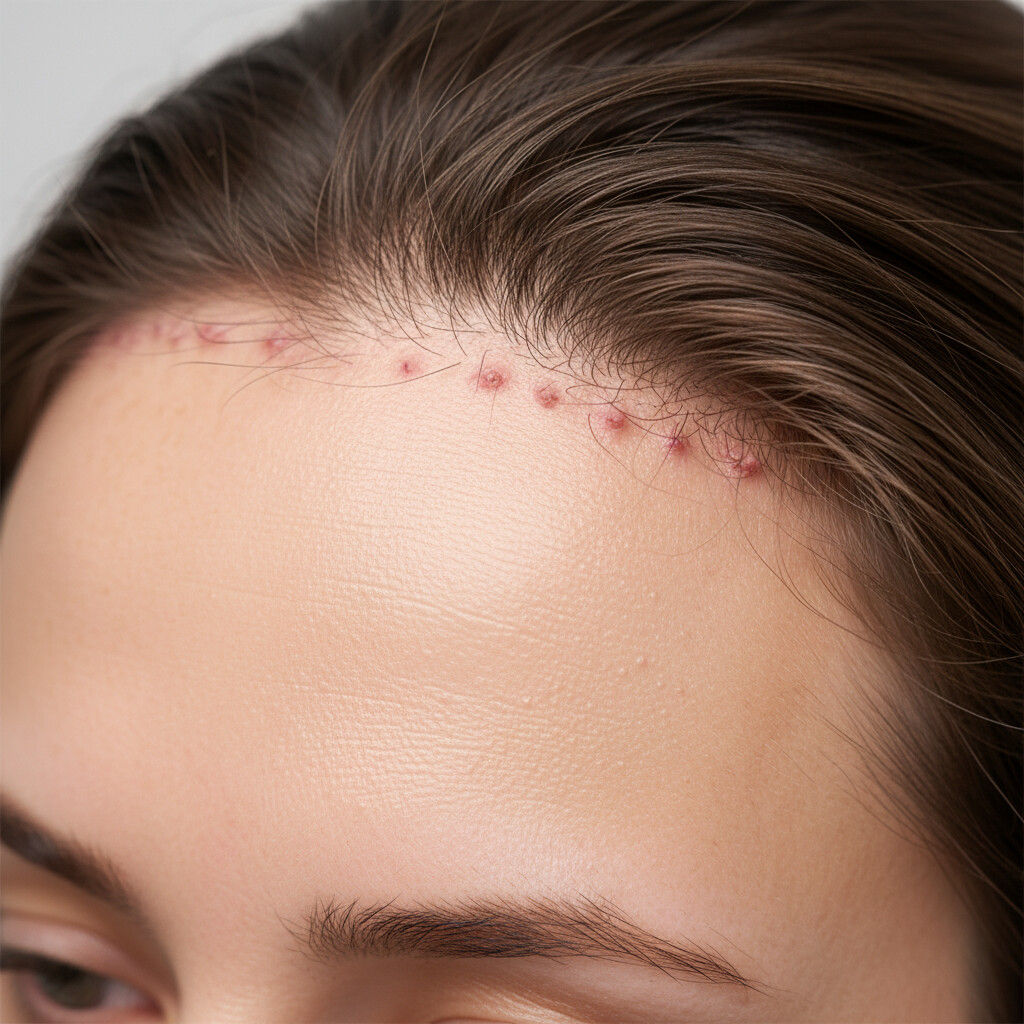
The best shampoo after a hair transplant is the one your surgeon gives you or recommends. Most clinics supply a specific post-operative shampoo or foam for the first weeks, and that is what you should use. If you need to buy something yourself, look for a mild, fragrance-free, sulfate-free shampoo made for sensitive skin. This guide explains what to look for, what to avoid and how to wash safely while the grafts settle.
Key takeaways
- Use the product your surgeon provides or recommends. Don’t switch to something else in the first weeks without asking.
- If you buy your own, choose a mild, fragrance-free, sulfate-free shampoo for sensitive skin with a short ingredient list.
- Avoid strong fragrances, alcohol, menthol, exfoliating acids and medicated shampoos unless a doctor has prescribed them.
- How you wash matters as much as what you wash with: no rubbing, no strong water pressure, and pat dry.
- Most people can go back to a normal gentle shampoo after the scabs have gone and the scalp has healed, usually within a few weeks. Your surgeon will tell you when.
Why shampoo choice matters after a transplant
In the first days after surgery the scalp has thousands of tiny wounds, and the new grafts are not yet anchored. The skin is often red, tight and more sensitive than usual. A harsh product can dry and irritate the skin, make itching worse and encourage you to scratch, which puts the grafts at risk.
Washing itself is important. It keeps the scalp clean, softens crusts and scabs, and lowers the risk of infection. The goal is to clean the scalp without friction or irritation. For the bigger picture of recovery, see our post-hair transplant care guide.
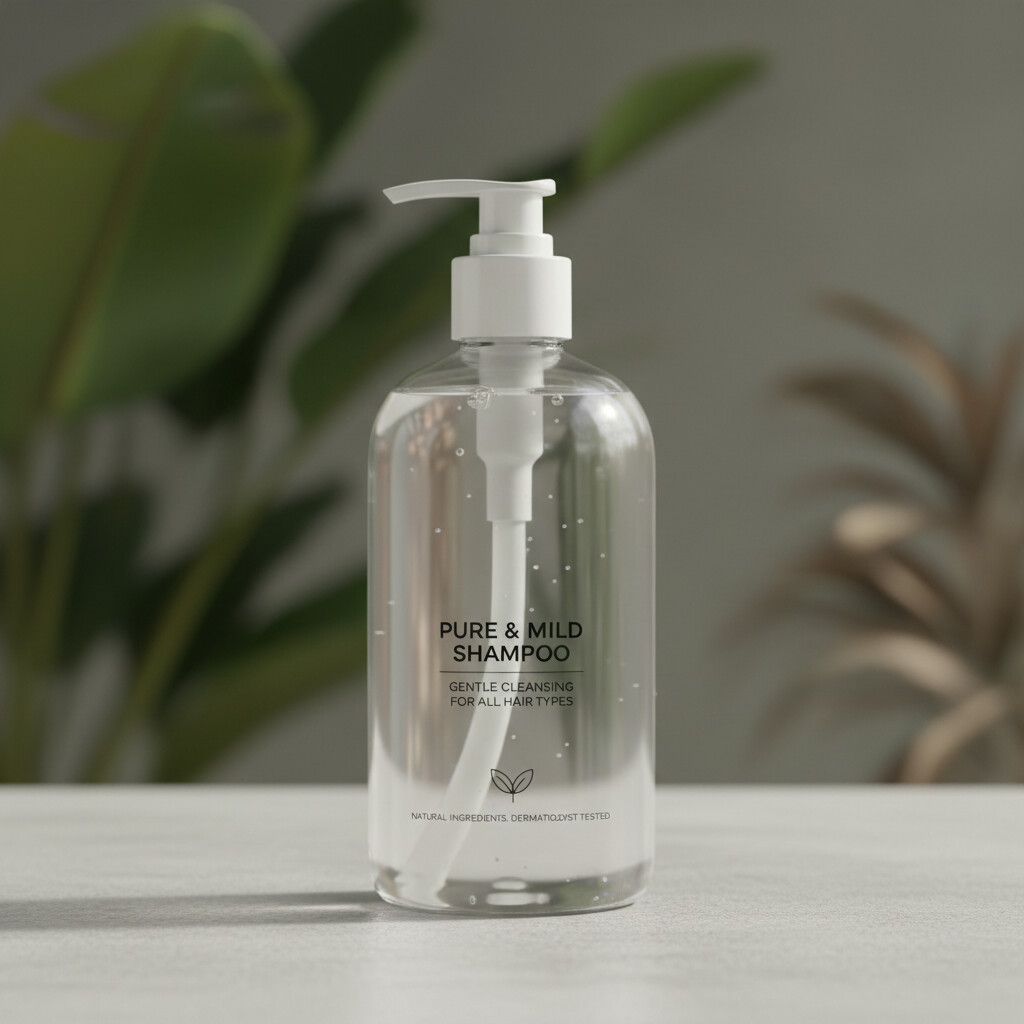
Start with your surgeon’s product
Most clinics give patients a kit after surgery. It often includes a mild shampoo or foam and sometimes a lotion or spray to soften scabs. There are good reasons to stick with it:
- Your surgeon knows how your scalp was treated and has seen how patients react to that product.
- The washing instructions you receive are usually written for that specific product.
- If something goes wrong, it is much easier for the clinic to help when you have followed their routine.
If you run out, react badly to the product, or can’t get more after travelling home, ask the clinic what to use instead before you buy something.
What to look for if you buy your own
If your surgeon has told you to use any gentle shampoo, or you are past the first weeks, these features are a good guide:
- Mild cleansing agents. Many standard shampoos use strong sulfate detergents (such as sodium lauryl sulfate) that create a lot of foam but can dry and irritate sensitive skin. Shampoos labelled “sulfate-free” or “for sensitive skin” usually use gentler cleansers.
- Fragrance-free. Fragrance is a common cause of skin irritation and allergy. “Fragrance-free” is better than “unscented”, which can still contain masking fragrance.
- Short, simple ingredient list. Fewer ingredients means fewer things that can irritate a healing scalp.
- Made for sensitive skin. Products marketed as hypoallergenic or dermatologically tested for sensitive skin are a reasonable starting point, although no label fully guarantees you won’t react.
- Soothing, not active. Mild soothing ingredients such as panthenol, aloe vera or allantoin are common in sensitive-skin products and are generally well tolerated. They help with comfort; they do not make grafts grow.
- Easy to rinse. A light liquid that rinses out easily is better than a thick, heavy formula that leaves residue on the scalp.
What to avoid in the first weeks
- Strong fragrances and dyes. A common cause of redness and itching.
- Alcohol-heavy products and cooling agents such as menthol or peppermint. They can sting and dry the skin.
- Exfoliating or “clarifying” shampoos with acids or scrub particles.
- Medicated shampoos (for example anti-dandruff shampoos with strong active ingredients) unless your surgeon or a doctor has prescribed them for a specific reason.
- Hair growth shampoos, styling products, dry shampoo and hair sprays. Leave all of these until your surgeon says the scalp has healed.
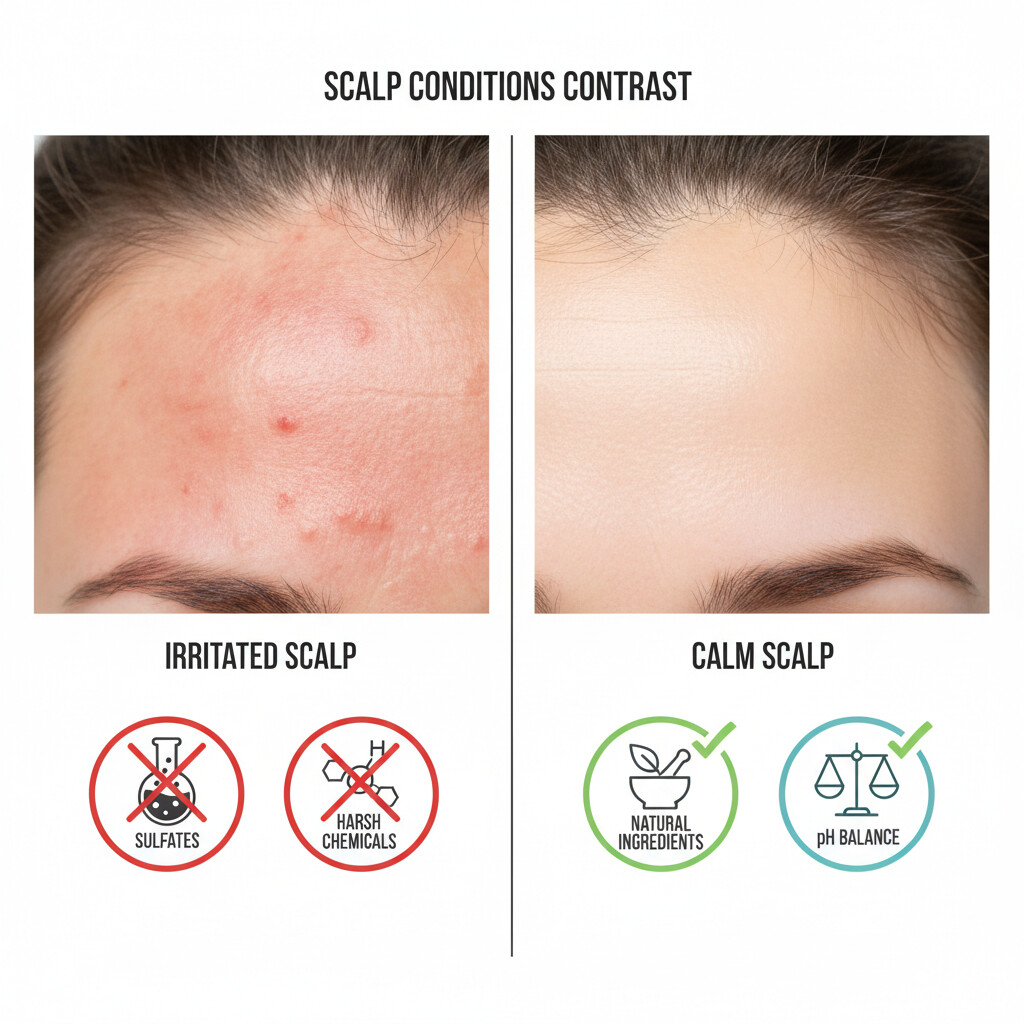
How to wash your hair after a transplant
Your clinic’s instructions always come first. Many clinics do the first wash themselves, often within the first few days, and show you the technique. Our first-wash guide covers that step in detail. A typical routine for the first two weeks looks like this:
- Prepare the lather in your hands. Put a small amount of shampoo in your palms, add a little water and make a light foam. Don’t pour shampoo straight onto the grafts.
- Dab, don’t rub. Gently pat the foam onto the recipient area with your fingertips. The donor area can usually be washed a little more normally, but still gently.
- Leave it briefly, if your clinic advises this, to help soften crusts.
- Rinse with a cup or jug. Use lukewarm water and pour it slowly over your head. Avoid strong shower pressure on the recipient area.
- Pat dry. Use a clean, soft towel or paper towel and press lightly. Don’t rub, and don’t use a hot hair dryer.
Remember that parts of your scalp may be numb, so you may not feel water that is too hot. Test the temperature on your hand first. Our guide to temporary numbness after a hair transplant explains why.
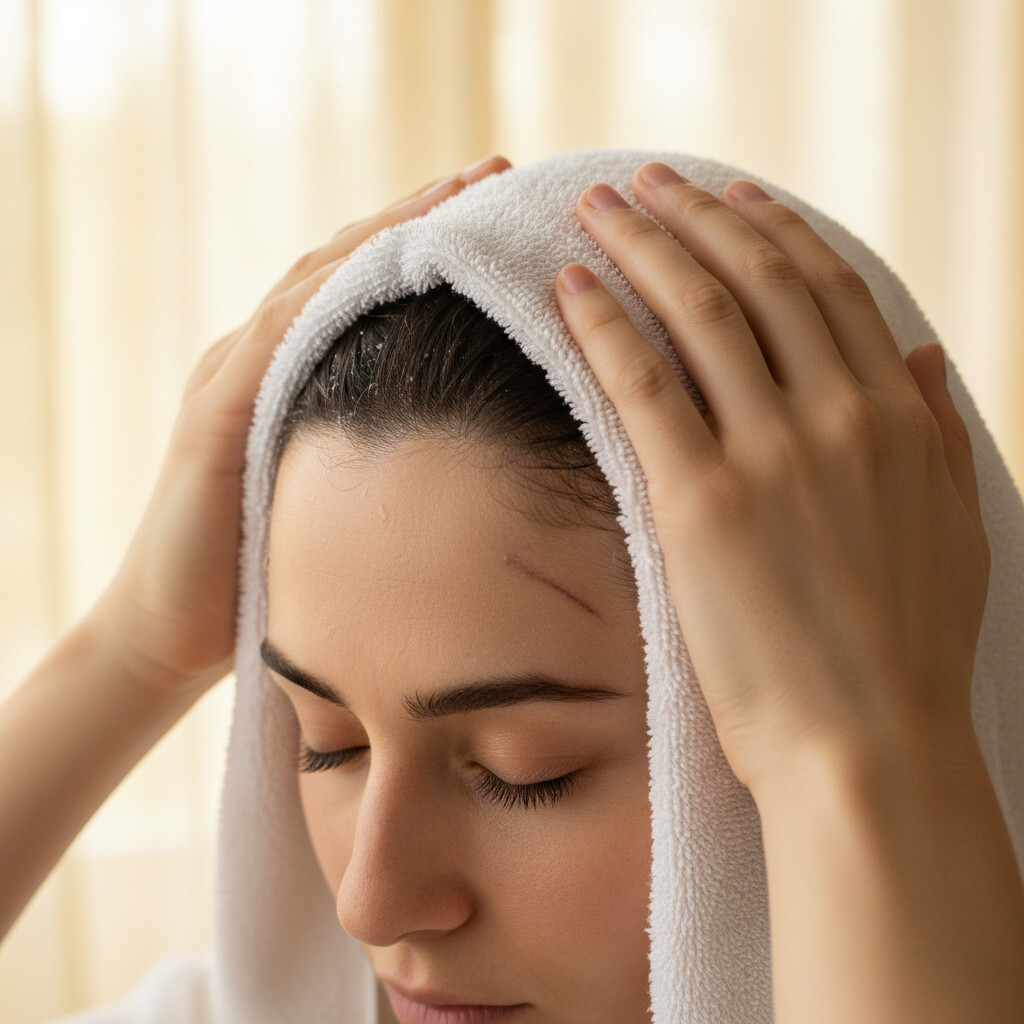
When can you go back to your normal shampoo?
For most people the scabs have gone by around 10-14 days, and the recipient area looks much calmer. Many surgeons allow gentle normal washing, with light fingertip contact, from around this point, and a return to regular products within a few weeks. The exact timing varies between clinics and depends on how your scalp is healing, so ask.
When you switch, choose a gentle everyday shampoo and introduce one new product at a time. That way, if your scalp reacts, you know what caused it. There is no need for a special shampoo forever once the skin has healed.
When to contact your surgeon
Contact your clinic or a doctor if you notice:
- Redness, burning or a rash that appears or gets worse after using a product.
- Spreading redness, warmth, swelling, pus or fever, which can be signs of infection.
- Itching so strong that you can’t stop scratching.
- Grafts that come out with bleeding while washing.
A few hairs in the sink during the first weeks are normal. Transplanted hairs usually shed, and scabs often come away with a hair shaft attached. That is different from losing a graft early in the first few days.
Common questions
Can I use baby shampoo?
Some surgeons allow it because many baby shampoos are mild. Check the label, as some contain fragrance, and ask your clinic before using it instead of their product.
Do I need an expensive “post-transplant” shampoo?
No. Price and marketing claims don’t make a shampoo safer. What matters is that it is mild, fragrance-free and suits your skin, and that your surgeon is happy with it.
What if my scalp itches?
Itching is common as the skin heals. Don’t scratch. Keep washing as instructed, and ask your clinic about a soothing spray or lotion if it is bothering you.
How often should I wash?
Many clinics recommend daily gentle washing in the first one to two weeks to keep the scalp clean and soften scabs. Follow the schedule you were given.
Discussion
Which shampoo or foam did your clinic give you, and when did you go back to your usual products? Did anything irritate your scalp during recovery? Share your experience to help people who are in their first weeks now.
Related guides
- Hair Transplant Aftercare: What to Do From Day 1 to Month 12
- Hair Washing Protocol: Mastering the First Wash After Your Hair Transplant
- Temporary Numbness After Hair Transplant: When Will it Go Away?
- When Can I Go Back to Work After a Hair Transplant?
- Exercising After Hair Transplant: When Can You Safely Hit the Gym?
About this guide: ForumHairTransplant.com is an independent patient community. We are not affiliated with any clinic or surgeon, and we don’t accept payment for rankings, reviews or recommendations. This article is general information, not medical advice. Talk to a qualified doctor about your own situation.