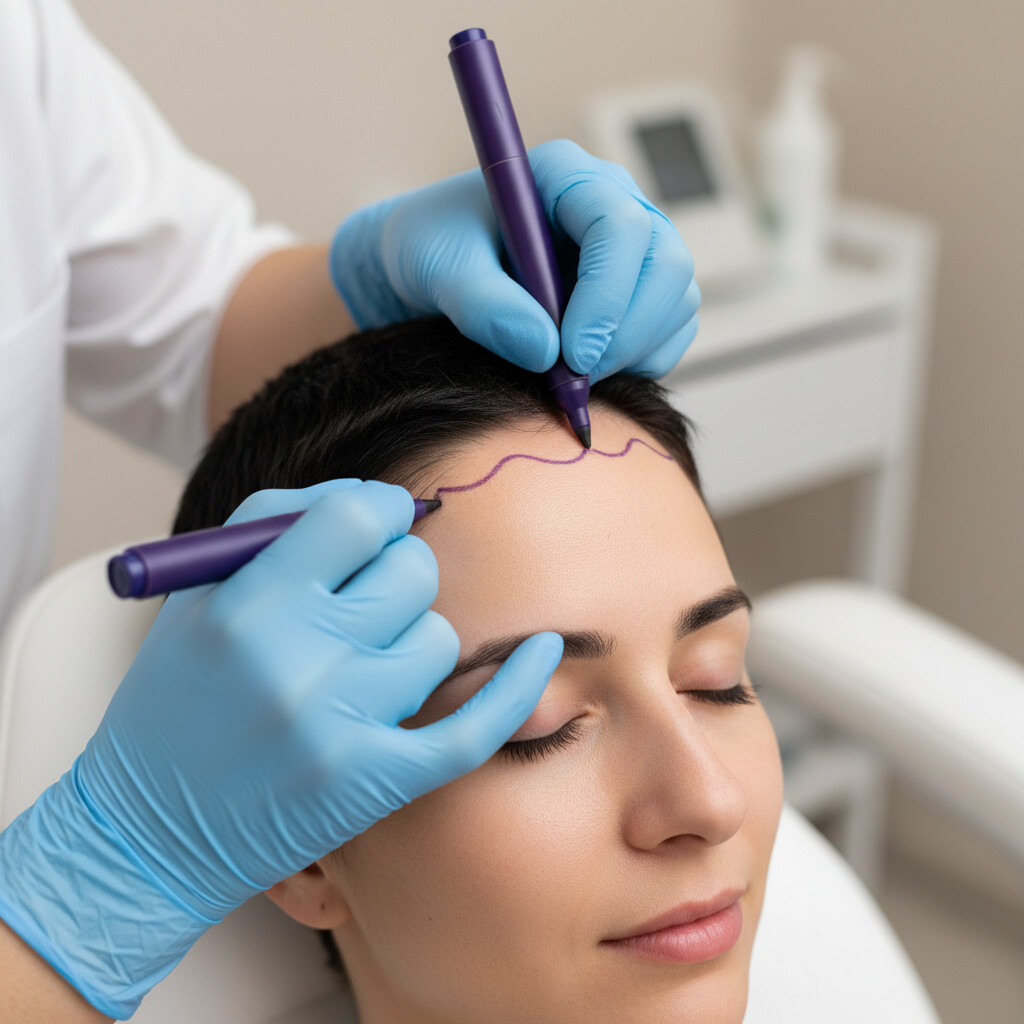
Embarking on the journey of a hair transplant is a significant decision, often driven by a desire to restore a youthful appearance and boost self-confidence. At the heart of a successful and aesthetically pleasing hair transplant lies the meticulous design of a natural-looking hairline. This isn’t merely about placing hairs; it’s an art form that requires a deep understanding of facial aesthetics, hair growth patterns, and individual patient characteristics. The consultation process is where this crucial design takes shape, and understanding its nuances is key to achieving your desired results.
Key Aspects of the Hairline Design Consultation:
- Understanding Your Goals and Expectations: What do you hope to achieve with a hair transplant? Are you looking to restore a receding hairline, fill in thinning areas, or create a more defined shape?
- Assessing Facial Anatomy and Aesthetics: How will the new hairline complement your facial structure, features, and age? The goal is harmonization, not just hair placement.
- Analyzing Hair Characteristics and Donor Supply: Evaluating the density, color, and texture of your existing hair, as well as the health and quantity of your donor hair, is critical for a natural outcome.
- Determining the Best Hairline Design: Exploring various hairline shapes and positions, considering a mature hairline versus a youthful one, and how it will evolve over time.
- Discussing Surgical Techniques and Realistic Outcomes: Understanding the methods used (FUE, FUT) and what can be realistically achieved based on your specific situation.
The Art and Science of Hairline Design
A natural hairline is rarely a perfectly straight, sharp line. Instead, it’s characterized by softness, asymmetry, and a certain level of irregularity that mimics natural growth. The goal of the consultation is to translate your desires into a design that is both aesthetically pleasing and biologically plausible.
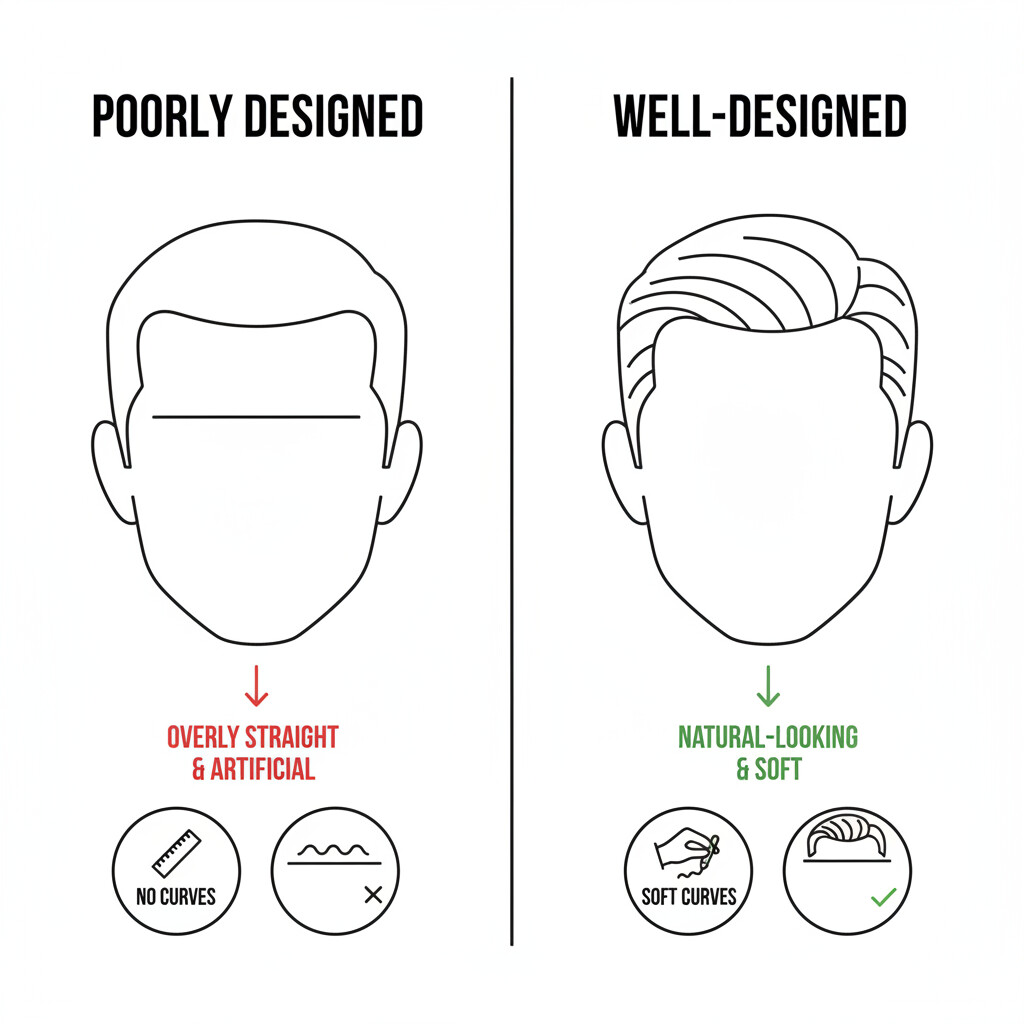
1. Understanding Your Goals and Expectations:
The initial step in the consultation is an open and honest discussion about your motivations for seeking a hair transplant. What specific changes are you hoping to see? Are you concerned about a receding forehead, thinning temples, or a generally diffuse thinning across the scalp? Your surgeon will listen attentively to your concerns and aspirations. It’s crucial to communicate your vision clearly, but also to be open to the surgeon’s professional recommendations. They will guide you on what is achievable and what will look most natural for your specific situation.
2. Assessing Facial Anatomy and Aesthetics:
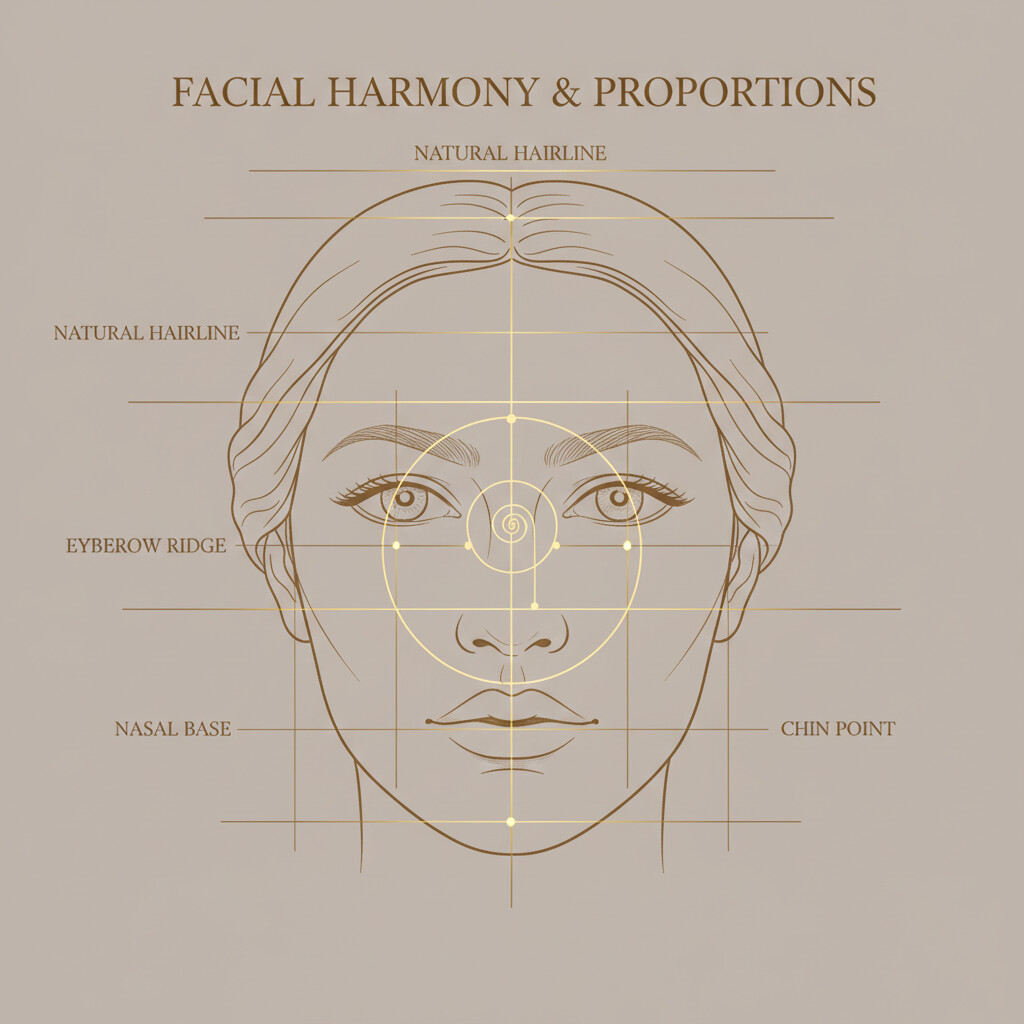
This is where the ‘art’ in hair transplantation truly shines. A skilled surgeon will analyze your facial features – the shape of your face, the distance between your eyebrows and hairline, the prominence of your brow bone, and even your age. The ideal hairline is one that is in proportion to your face and enhances your overall appearance. For instance, a very low hairline on an older individual might not look natural, whereas a slightly higher, mature hairline can provide a more balanced and age-appropriate result.
The consultation will involve measurements and sometimes even digital imaging to simulate potential outcomes. The surgeon will consider the ‘golden ratio’ of facial aesthetics and how the hairline contributes to it. They will discuss the concept of a ‘mature hairline,’ which naturally recedes slightly with age, as opposed to a very low, youthful hairline that might appear unnatural over time.
3. Analyzing Hair Characteristics and Donor Supply:
Before any design can be finalized, a thorough assessment of your hair and donor area is essential. The surgeon will examine:
- Hair Density: The number of follicular units per square centimeter in both the donor area and the area requiring transplantation.
- Hair Color and Texture: Contrasting hair color against skin tone is a significant factor. Dark hair on fair skin can make thinning more apparent, and vice versa. Hair texture (straight, wavy, curly) also influences the perception of density and coverage.
- Donor Area Health: The donor area, typically the back and sides of the scalp, is where healthy hair follicles are harvested. The surgeon will assess the density and the potential yield from this area to ensure enough grafts are available for a successful transplant without creating noticeable thinning in the donor region.
- Hair Growth Angle and Direction: Understanding how your native hair grows is critical for transplanting new hairs at the correct angle and direction to ensure a seamless and natural blend.
4. Determining the Best Hairline Design:
Based on the analysis of your facial structure, goals, and hair characteristics, the surgeon will propose a hairline design. This design will typically involve:
- The Temporal Peaks: These are the inward curves on either side of the forehead, creating a natural M-shape. Recreating these is vital for a natural look.
- The Central Forelock: The central part of the hairline, which is often less defined and more variable in its natural appearance.
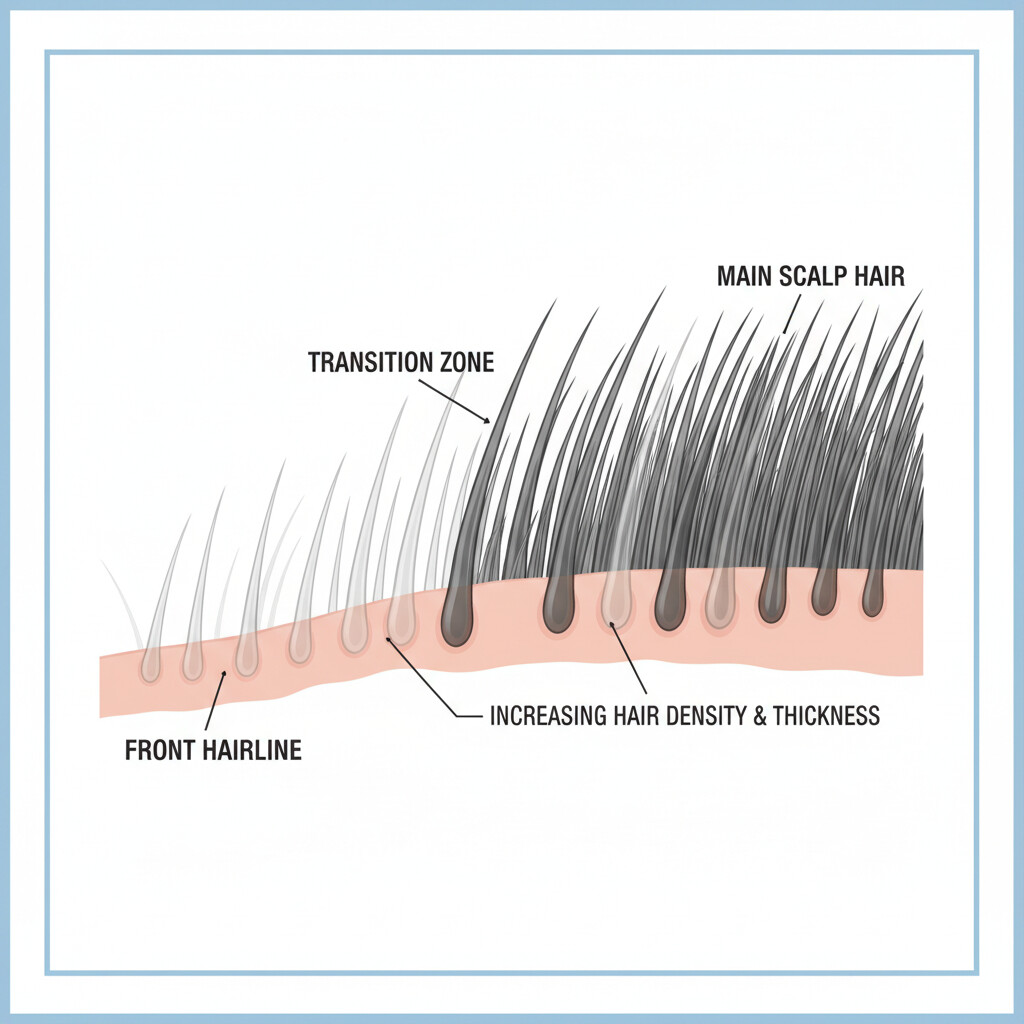
- Density Gradient: The hairline is not uniformly dense. The very front edge is typically sparser, gradually becoming denser as it moves backward. This is a key element in achieving a natural appearance.
5. Discussing Surgical Techniques and Realistic Outcomes:
The consultation is also the time to discuss the surgical methods that will be employed, primarily Follicular Unit Transplantation (FUT) and Follicular Unit Extraction (FUE). The choice between these techniques often depends on the extent of hair loss, the donor area’s characteristics, and the surgeon’s preference. The surgeon will explain the procedure, recovery process, and potential risks associated with each. Crucially, they will manage your expectations by outlining realistic outcomes. Hair transplantation can achieve significant restoration, but it’s important to understand that it may take multiple sessions to achieve the desired density, and the results will mature over 12-18 months.
Post-Consultation:
After the consultation, you should have a clear understanding of the proposed hairline design, the surgical plan, the expected results, and the associated costs. It’s often beneficial to take some time to consider the information and perhaps seek a second opinion if you have any lingering doubts. A well-designed hairline is the foundation of a successful hair transplant, and the consultation process is your opportunity to collaborate with your surgeon to achieve the most natural and satisfying outcome possible.