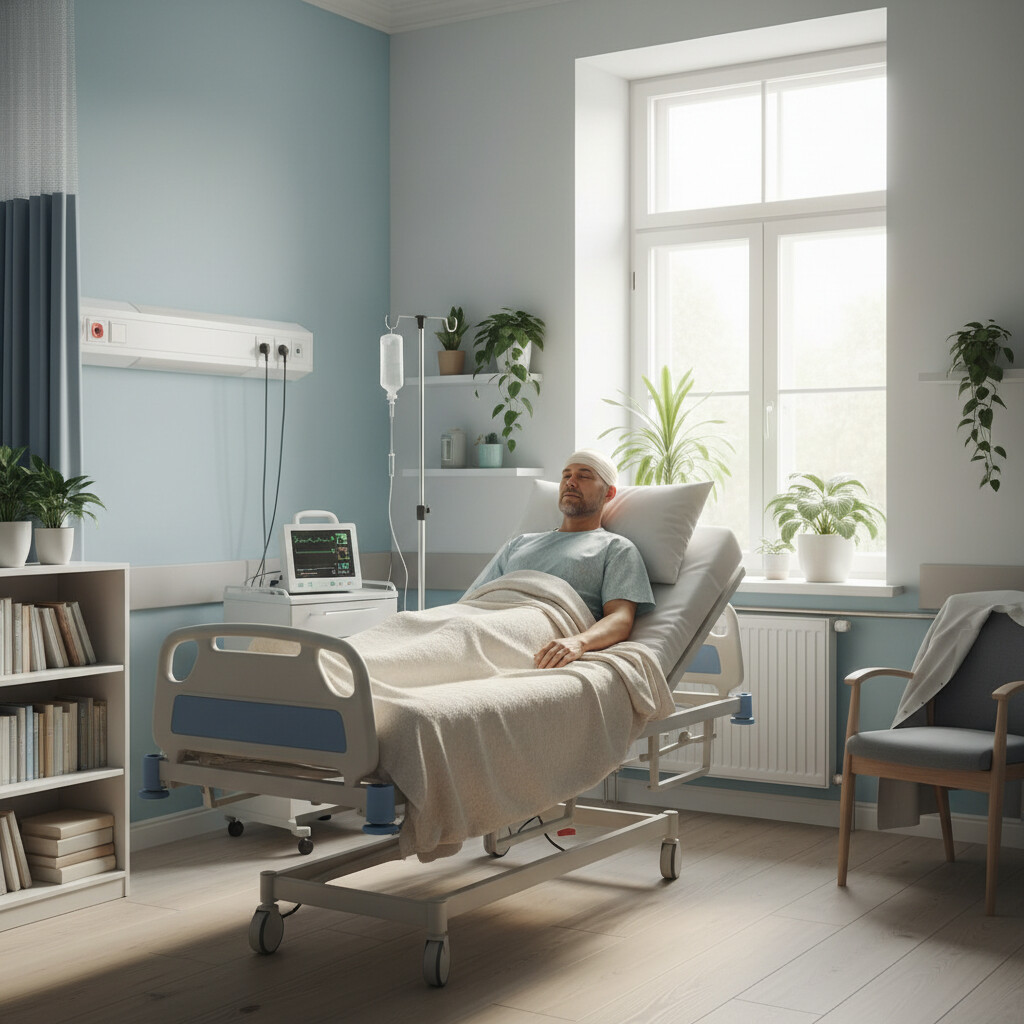
Embarking on the journey of a hair transplant is a significant decision, often preceded by extensive research and consultation. While the procedure itself is a marvel of modern medicine, the success of your investment hinges significantly on the care you receive and provide in the immediate aftermath. The first 12 hours post-operation are particularly crucial, often involving a hospital stay and, in some cases, oxygen therapy. Understanding this period can alleviate anxiety and empower you to optimize your recovery.
This guide will walk you through the importance of the initial post-operative phase, focusing on the hospital stay and the role of oxygen therapy.
Key Aspects of the First 12 Hours Post-Operation:
- Immediate Post-Procedure Monitoring: Why constant observation is vital.
- Pain and Swelling Management: How it’s handled in the hospital.
- The Role of Oxygen Therapy: When and why it might be used.
- Initial Wound Care and Protection: Protecting your new grafts.
- Hydration and Nutrition: Essential for healing.
- Preparing for Home Recovery: What to expect and how to prepare.
Immediate Post-Procedure Monitoring
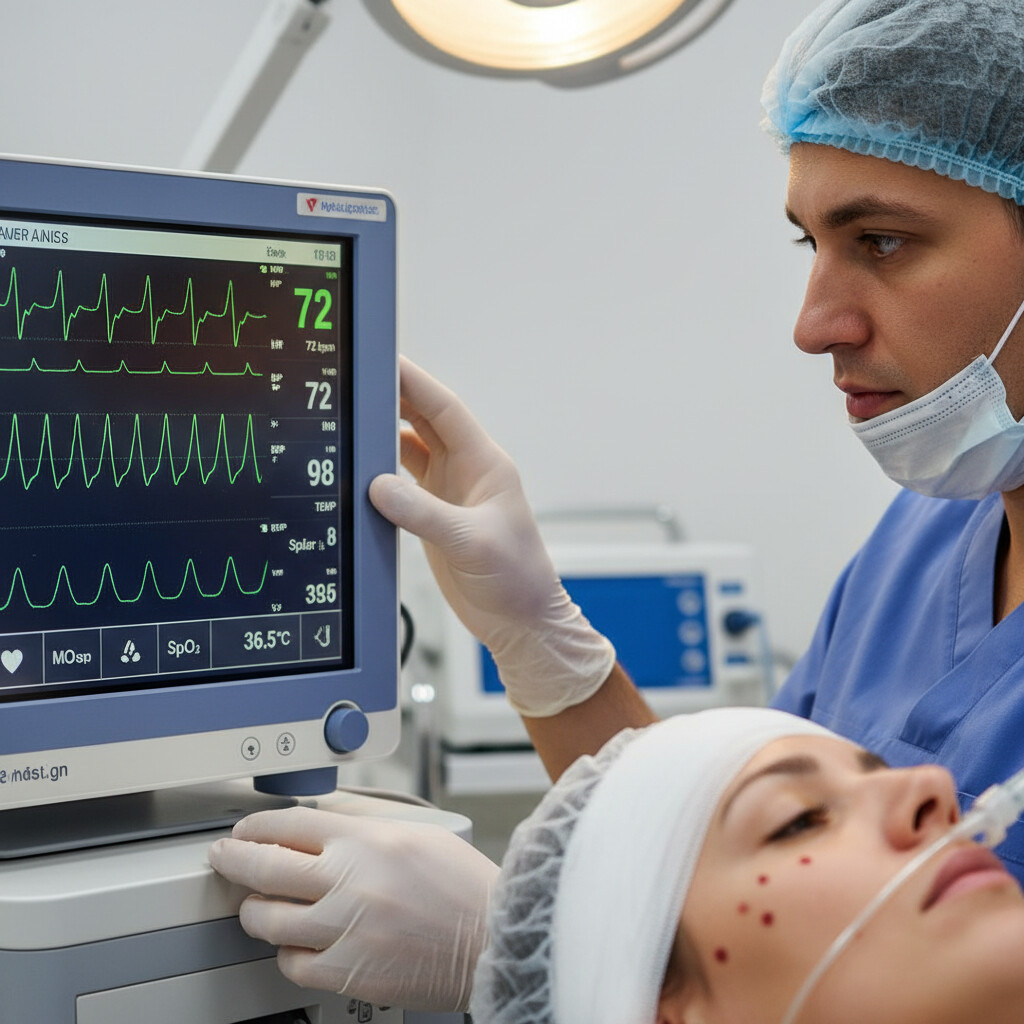
Following your hair transplant surgery, you’ll be moved to a recovery area for close monitoring. This is not merely a formality; it’s a critical step to ensure your body is responding well to the procedure and anesthesia. Medical staff will check your vital signs – heart rate, blood pressure, and oxygen saturation – regularly.
Pain and Swelling Management
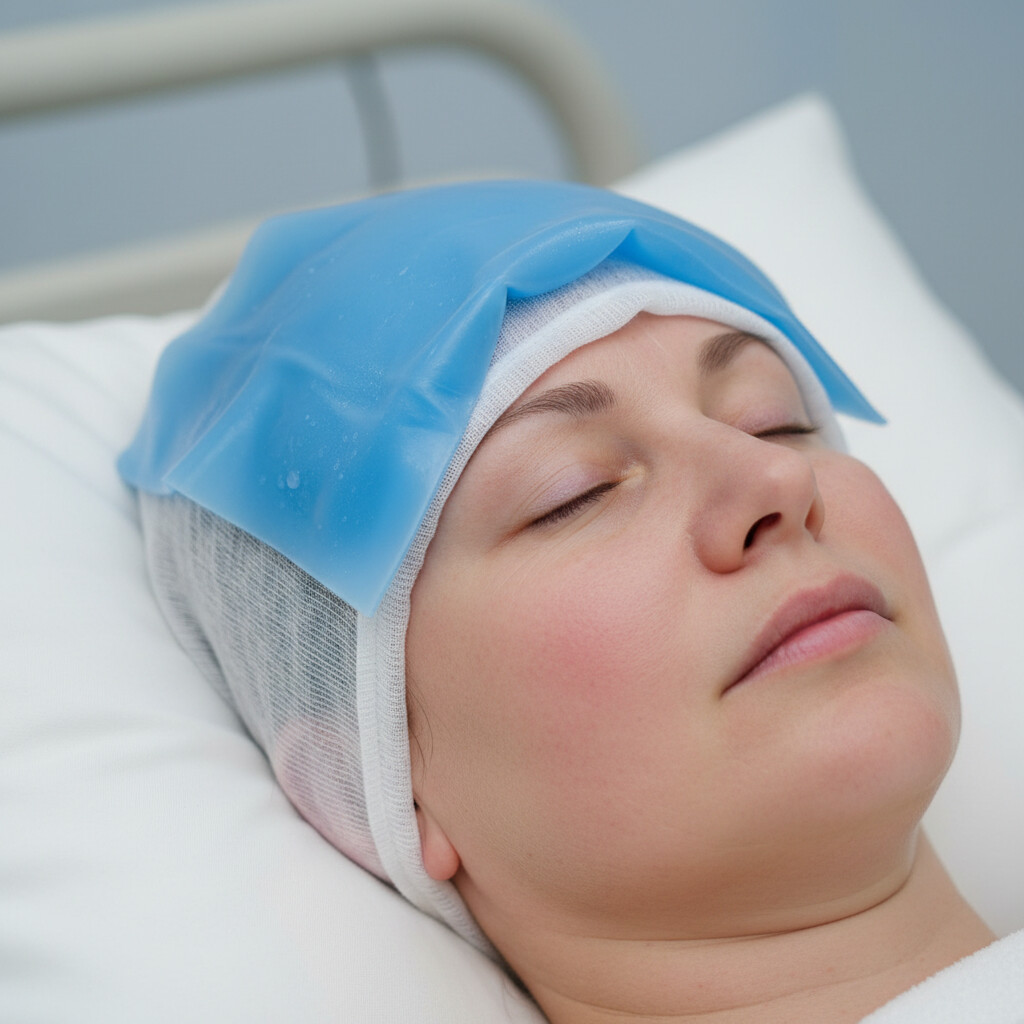
While hair transplant procedures are generally less invasive than many other surgeries, some discomfort and swelling are to be expected. The hospital environment is equipped to manage these effectively. You will likely be prescribed pain medication to keep you comfortable. The medical team will also advise on positioning to minimize swelling. For example, sleeping with your head elevated is often recommended to reduce fluid accumulation in the scalp and face.
The Role of Oxygen Therapy
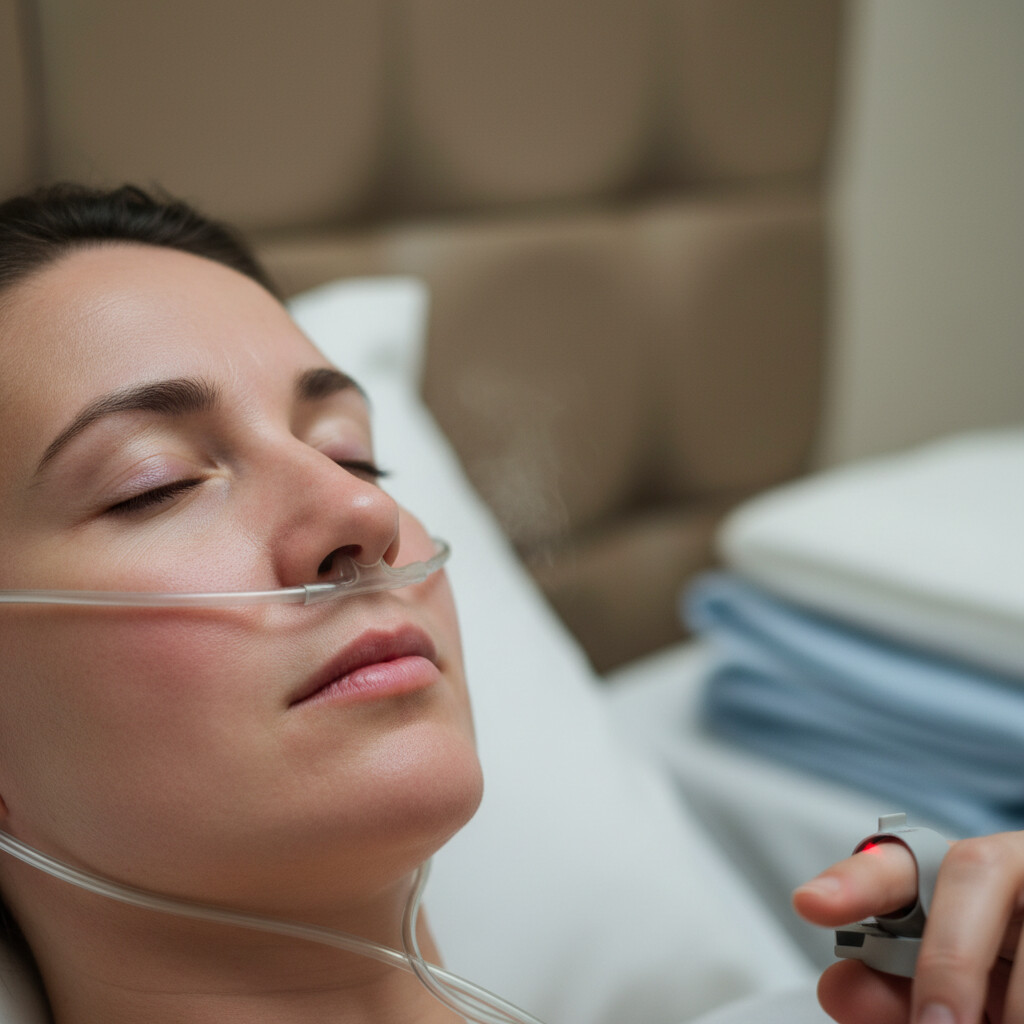
In some hair transplant cases, particularly those involving extensive procedures or if the patient has certain pre-existing conditions, oxygen therapy may be administered. This is typically done to ensure adequate oxygen supply to the tissues, which can aid in healing and recovery. Oxygen therapy can help improve circulation and reduce the risk of complications, especially in the immediate post-operative period when the body is under stress.
Initial Wound Care and Protection
Your newly transplanted grafts are extremely delicate and require careful handling from the moment the surgery concludes. During your hospital stay, the medical team will provide initial care to the recipient and donor areas. This often involves applying protective dressings or bandages to shield the areas from infection and accidental trauma. They will instruct you on how to keep these areas clean and dry, and what activities to avoid. Proper protection in these first few hours is paramount to preserving the viability of the transplanted follicular units and preventing any disruption to the implantation site. This careful initial management is the first step in ensuring the long-term success of your hair restoration.
Hydration and Nutrition
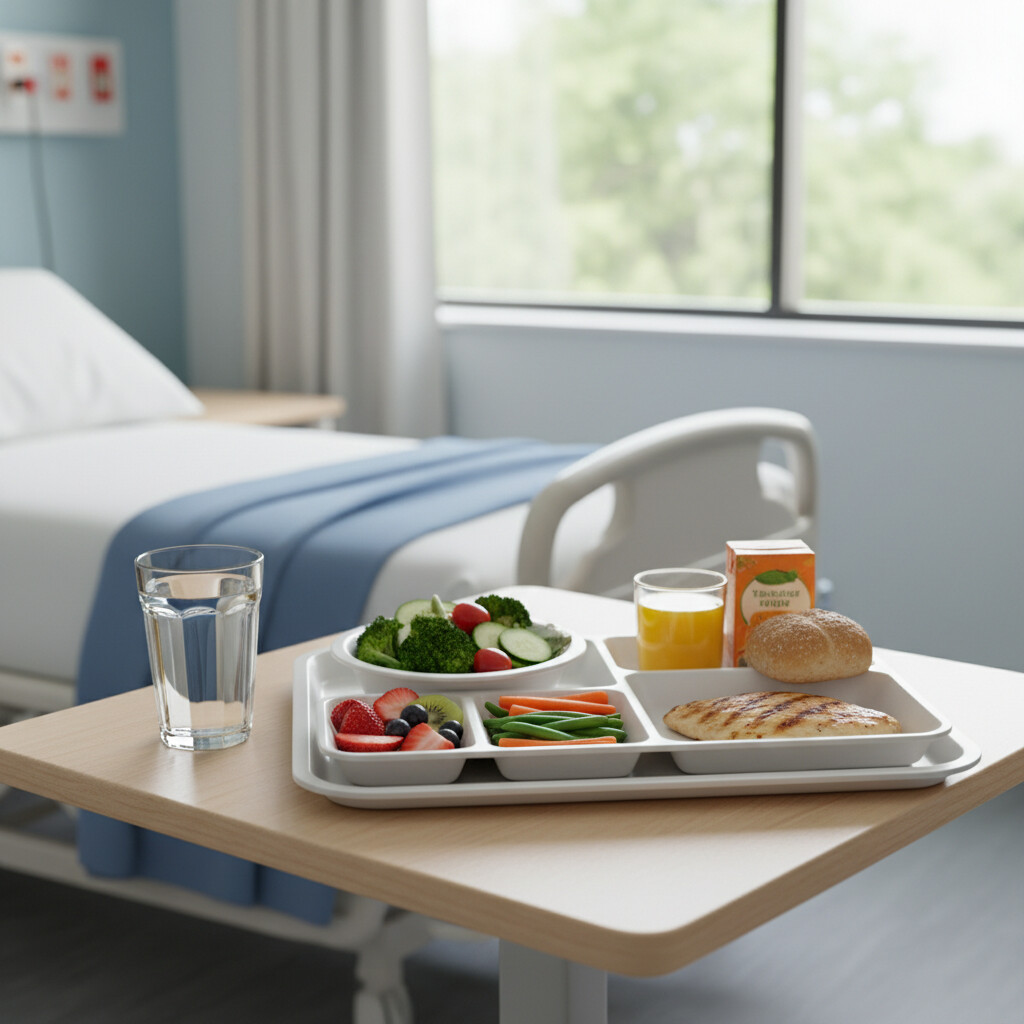
Healing is a biological process that requires adequate resources. During your hospital stay, you’ll be encouraged to stay hydrated and consume nutritious meals. Drinking plenty of fluids helps maintain blood volume, supports circulation, and aids in flushing out anesthesia.
Preparing for Home Recovery
As your hospital stay concludes, typically within the first 12-24 hours post-operation, your medical team will provide comprehensive instructions for your at-home recovery. This includes details on medication schedules, wound care protocols, activity restrictions, and signs of potential complications to watch out for. They will ensure you have all the necessary supplies, such as specialized shampoos or saline solutions. You’ll also receive guidance on when to schedule your follow-up appointments. Being well-prepared with a clean, comfortable recovery space at home and having a trusted individual to assist you in the initial days can make a significant difference in your comfort and recovery speed. Understanding what to expect and how to manage your care at home is crucial for a smooth transition.

Conclusion
The first 12 hours after a hair transplant are a foundation for your recovery. The hospital stay, coupled with vigilant monitoring, effective pain and swelling management, and potentially oxygen therapy, plays a vital role in ensuring safety and optimizing the initial healing environment. Coupled with careful wound protection, proper hydration, and nutrition, this critical period sets the stage for the successful integration of your transplanted grafts. By understanding and adhering to the guidance provided during this time, you are actively contributing to the long-term success of your hair restoration journey.