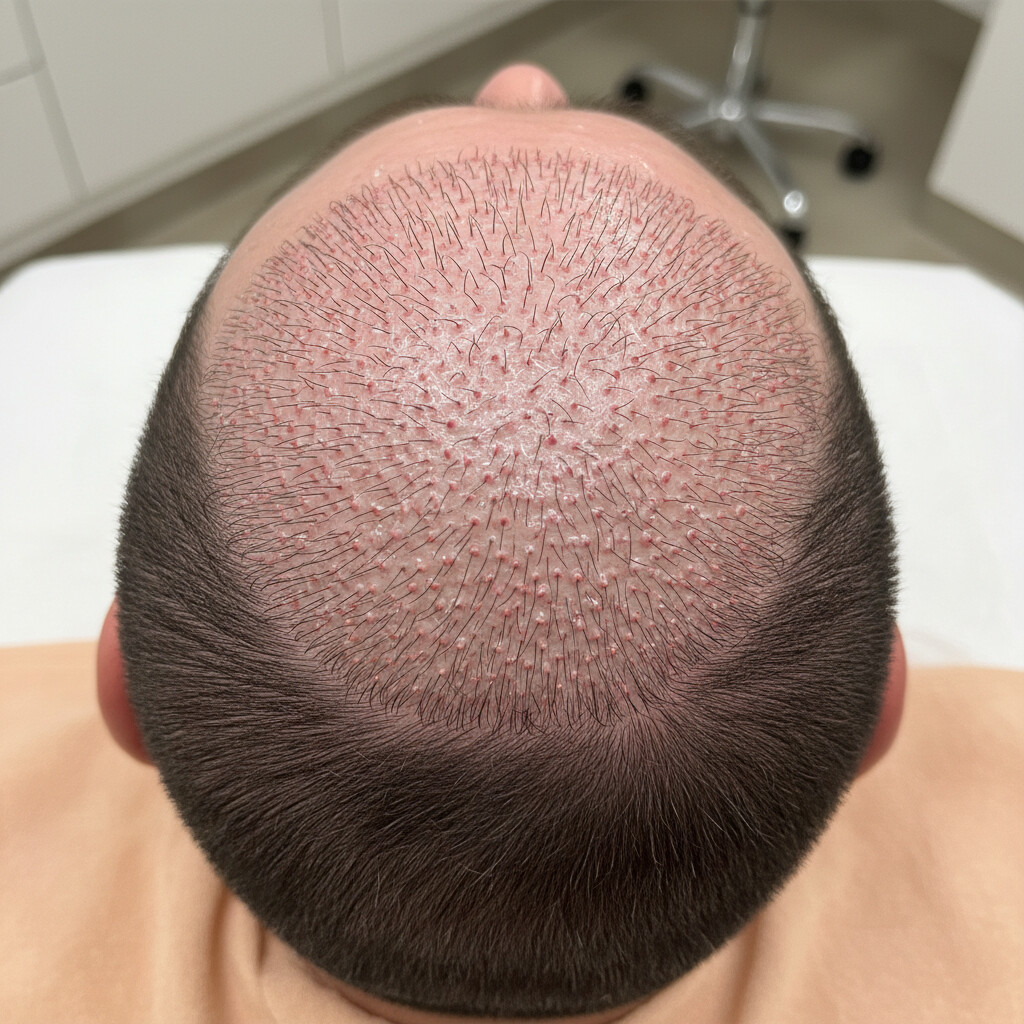
Embarking on a hair transplant journey is a significant decision, often representing a desire to restore confidence and a fuller head of hair. While the procedure itself is highly advanced, the success of your investment hinges significantly on the care you provide in the immediate aftermath. The first 48 hours post-operation are arguably the most critical period, where meticulous attention to avoiding trauma to the newly transplanted follicles can make a profound difference in healing and the eventual outcome. This guide will delve into why these initial hours are so crucial and what specific measures you must take to ensure the best possible recovery.
Understanding the Vulnerability of Transplanted Follicles
Imagine your newly transplanted hair follicles as delicate seedlings. After being carefully extracted from a donor area and meticulously placed into the recipient sites, they are in a highly vulnerable state. The skin in the recipient area has undergone micro-trauma from the insertion of the grafts. While the body’s natural healing processes begin immediately, the follicles themselves need time to establish a blood supply and anchor themselves firmly within the scalp. During this nascent stage, they are susceptible to dislodgement, infection, and further injury that can impede growth and even lead to graft failure.
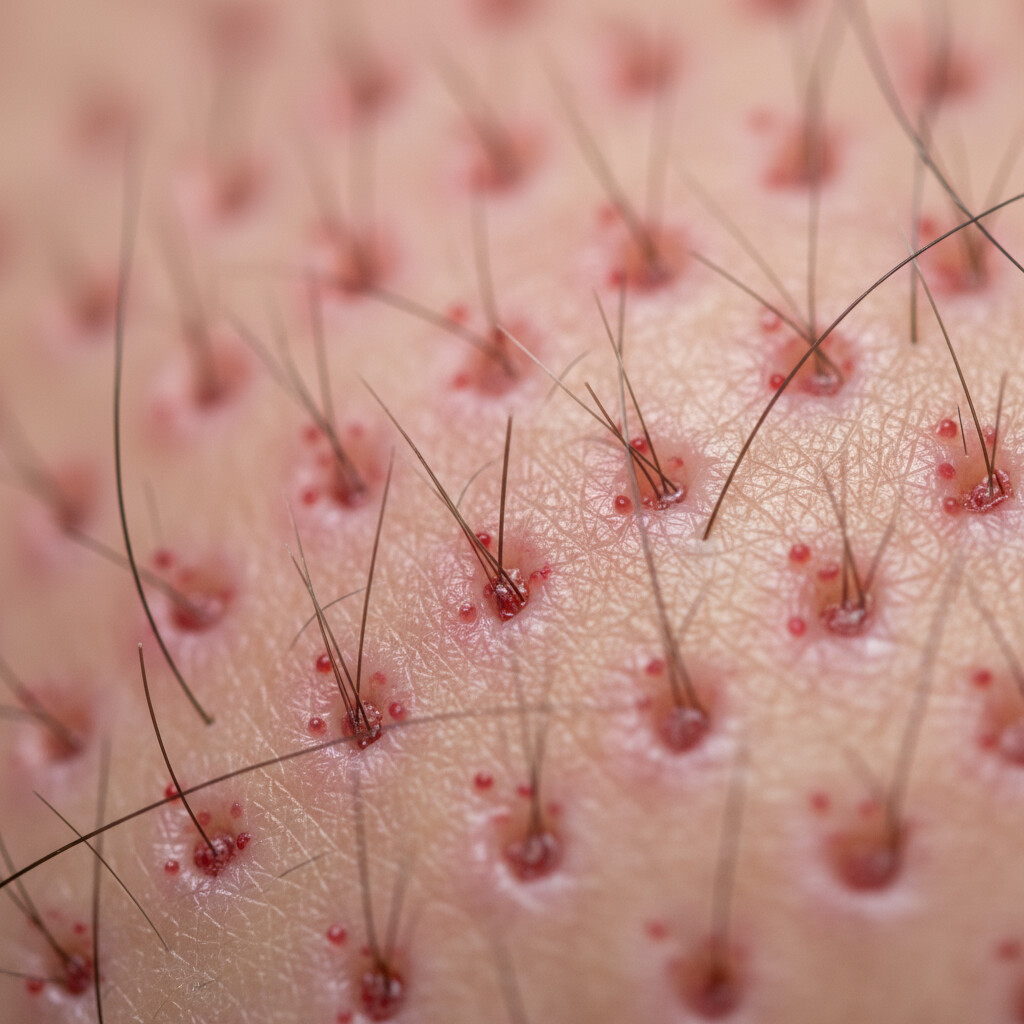
Prompt: Close-up, macro view of a few newly transplanted hair follicles on a scalp, showing tiny red dots indicating insertion points. The focus is on the delicate nature of the grafts. No text.
Alt: Close-up view of delicate, newly transplanted hair follicles on a scalp.
ImageName: transplanted_follicles_closeup.jpg
Why the First 48 Hours are Paramount
The primary goal during the first two days is to create an environment that fosters healing and minimizes any stress on the transplanted grafts. Any form of physical trauma, excessive pressure, or improper handling can disrupt the healing process. This can lead to several complications:
- Graft Dislodgement: The most immediate concern is the physical displacement of the grafts. A simple bump, scratching, or even resting your head incorrectly can cause the fragile grafts to loosen and fall out, rendering the procedure less effective.
- Increased Swelling and Inflammation: While some swelling is normal, excessive trauma can exacerbate it, putting further pressure on the healing tissues and potentially affecting blood circulation to the grafts.
- Infection Risk: Any break in the skin, especially if it’s a result of trauma or improper hygiene, can introduce bacteria, leading to infection. Infections can damage the grafts and lead to scarring.
- Scarring: Significant trauma can lead to more pronounced scarring in both the donor and recipient areas, which can detract from the aesthetic outcome.
Key Areas to Focus On: What to AVOID
To safeguard your investment and ensure the best possible results, strict adherence to post-operative instructions is essential. Here are the critical areas to focus on avoiding trauma:
-
Direct Physical Contact and Pressure:
This is the most crucial aspect. You must avoid any direct contact with the transplanted area. This includes:- No Touching or Scratching: Resist the overwhelming urge to touch, rub, or scratch your scalp. This can easily dislodge the grafts.
- Sleeping Position: Sleeping on your back is mandatory. Using a travel pillow or specialized hair transplant pillow can help maintain this position and prevent accidental rolling onto your face or side. Elevating your head with an extra pillow can also help reduce swelling.
- Avoid Tight Headwear: Do not wear any tight hats, caps, or headbands that could put pressure on the scalp. Your surgeon will likely provide a protective head covering, which should be worn as instructed.
- Careful Movement: Be mindful of your movements. Avoid sudden head movements or activities that could lead to accidental bumps.
-
Water Exposure and Washing:
The instructions regarding washing will vary slightly between clinics, but generally, the first 24-48 hours involve very gentle or no washing of the recipient area.- Avoid Direct Shower Spray: Do not allow the direct force of shower water to hit the transplanted area. If washing is permitted, it will involve gentle patting or dabbing with a cup or a very soft spray from a distance.
- Use Recommended Solutions: Only use the saline solutions or gentle shampoos recommended by your surgeon. Never use harsh chemicals or scrubbing.
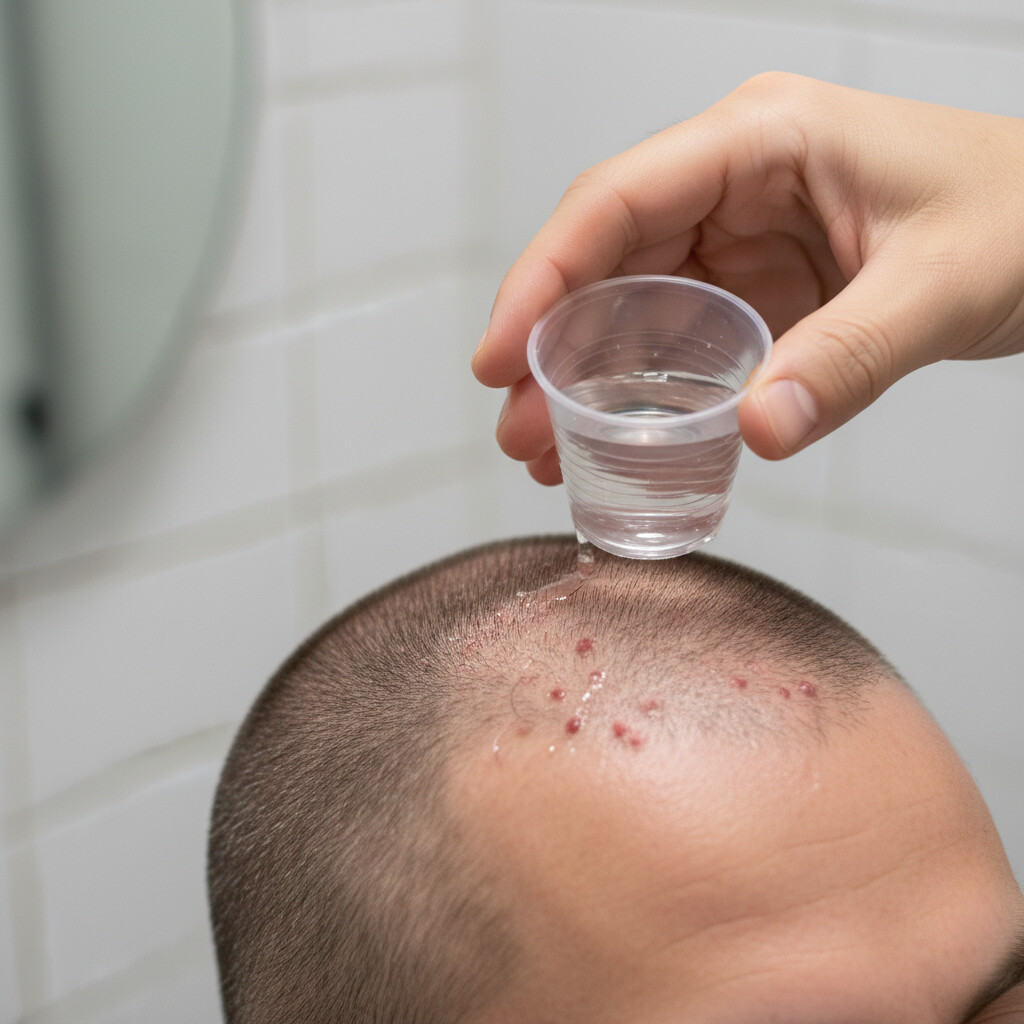
Prompt: A person gently dabbing their scalp with a cup filled with a clear liquid, following hair transplant surgery. The focus is on the gentle technique. No text.
Alt: Gentle post-hair transplant scalp cleansing technique.
ImageName: gentle_scalp_cleansing.jpg
-
Sweat and Strenuous Activity:
Sweating can create a moist environment conducive to bacterial growth, and strenuous activity increases the risk of bumping the head or putting pressure on the scalp.- Avoid Exercise: High-impact exercise, heavy lifting, and any activity that causes excessive sweating must be avoided for at least the first week, if not longer, as advised by your surgeon.
- Limit Sun Exposure: Direct sunlight can irritate the healing scalp and potentially damage the grafts. Stay indoors or in shaded areas.
-
Smoking and Alcohol:
These substances can impair the body’s healing capabilities.- Smoking: Nicotine restricts blood flow, which is vital for the survival of the transplanted grafts. It is strongly advised to abstain from smoking during the recovery period.
- Alcohol: Alcohol can interfere with medications and potentially increase swelling and bleeding.
-
Medications and Supplements:
Follow your doctor’s prescription for pain relief and any antibiotics meticulously. Some over-the-counter medications or herbal supplements might interfere with healing or increase bleeding risk. Always consult your doctor before taking anything new.
What to Expect and Signs of Trouble
During the first 48 hours, you will likely experience some redness, mild swelling, and possibly minor oozing or crusting around the transplanted sites. This is a normal part of the healing process. You might also feel some tenderness or tightness in the scalp.
However, be vigilant for signs that indicate a problem. These include:
- Severe or increasing pain not relieved by medication.
- Excessive swelling, particularly if it extends to the forehead or eyes.
- Signs of infection, such as increased redness, warmth, pus, or fever.
- Bleeding that does not stop with gentle pressure.
If you notice any of these symptoms, contact your hair transplant clinic immediately.
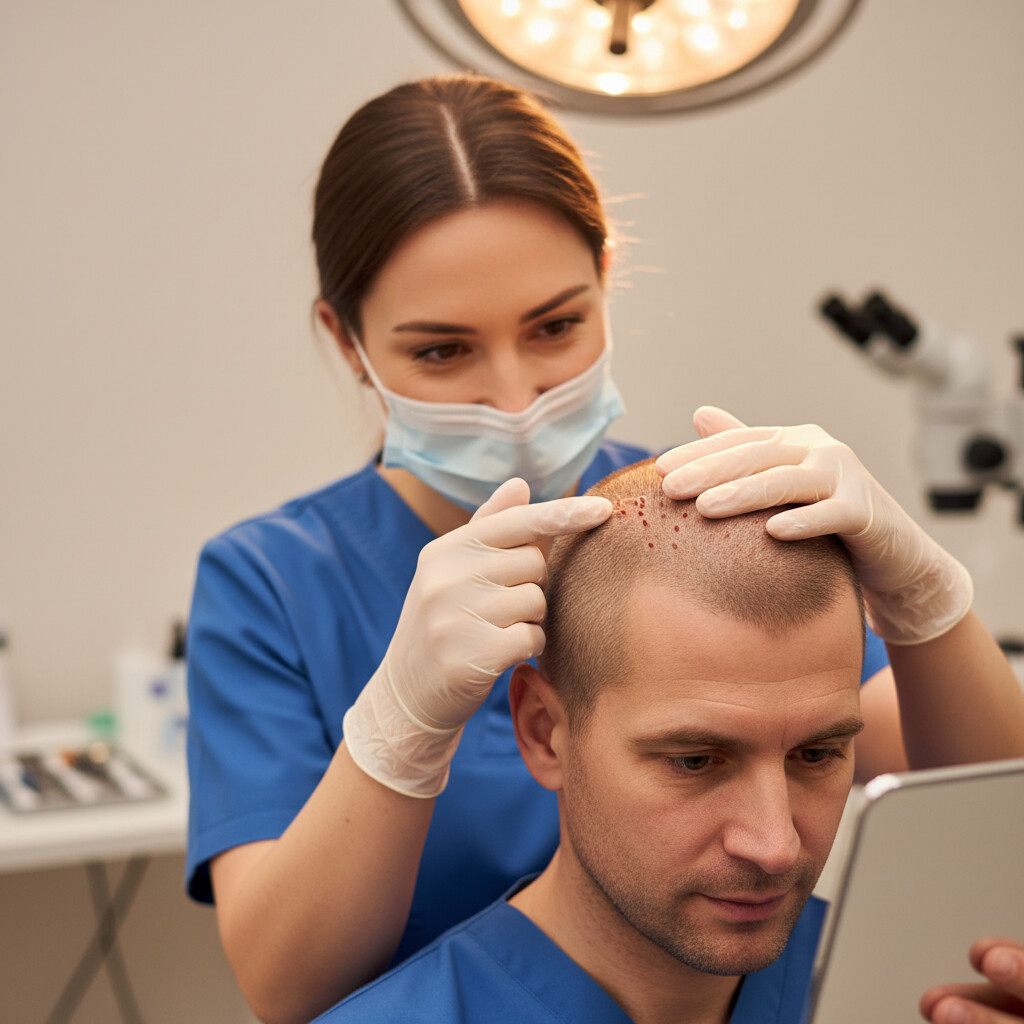
Prompt: A medical professional gently examining a patient’s scalp after a hair transplant, pointing out a specific area. The scene conveys care and monitoring. No text.
Alt: Doctor checking a patient’s scalp during post-hair transplant recovery.
ImageName: doctor_checking_scalp.jpg
The Long-Term Benefits of Short-Term Vigilance
The discomfort and vigilance required during the first 48 hours are a small price to pay for the long-term benefits of a successful hair transplant. By diligently protecting your newly transplanted hair follicles from trauma, you are maximizing the chances of robust growth, minimizing the risk of complications, and ultimately, achieving the natural-looking, fuller hair you desired. Remember, your surgeon has provided detailed instructions for a reason. Trust their expertise and commit to following their guidance precisely. Your dedication during this initial phase is the foundation for a successful and satisfying hair restoration outcome.
Checklist for the First 48 Hours Post-Hair Transplant:
- Avoid Touching or Scratching: Absolutely no contact with the recipient area to prevent graft dislodgement.
- Sleep Position: Sleep strictly on your back with your head elevated.
- Gentle Washing/Cleansing: Follow clinic-specific instructions for cleansing, avoiding direct water spray and harsh products.
- Limit Physical Activity: Avoid strenuous exercise, heavy lifting, and excessive sweating.
- No Smoking or Alcohol: Abstain from these to optimize blood flow and healing.
- Protect from Sun and Impact: Avoid direct sun exposure and any activities that risk bumping your head.
- Follow Medication Instructions: Take prescribed medications exactly as directed.