
Considering a hair transplant to regain your confidence and a fuller head of hair is a significant decision. You’ve likely researched different techniques, surgeons, and recovery processes. However, one crucial factor that can dramatically impact the success of your hair transplant, and is often overlooked or underestimated, is smoking. This guide delves into the detrimental effects of smoking on hair transplantation, explaining why quitting before, during, and after your procedure is not just recommended, but essential for achieving optimal results.
Key Takeaways for a Successful Hair Transplant While Avoiding Smoking:
- Understanding Smoking’s Impact on Blood Flow: Nicotine constricts blood vessels, reducing vital oxygen and nutrient delivery to healing tissues.
- Increased Risk of Infection and Poor Healing: Smoking compromises the immune system and impairs the body’s ability to repair itself.
- Graft Survival Rates: Reduced blood supply directly impacts the survival and growth of transplanted hair follicles.
- The Importance of Quitting: Why stopping smoking is the single most impactful step you can take for transplant success.
- Tips for Quitting: Practical strategies and support systems to help you become smoke-free.
The Science Behind Smoking and Healing
To understand why smoking is so detrimental to a hair transplant, we need to look at how smoking affects the body, particularly its circulatory and healing systems. Smoking introduces a cocktail of harmful chemicals into your bloodstream, the most notorious being nicotine and carbon monoxide.
-
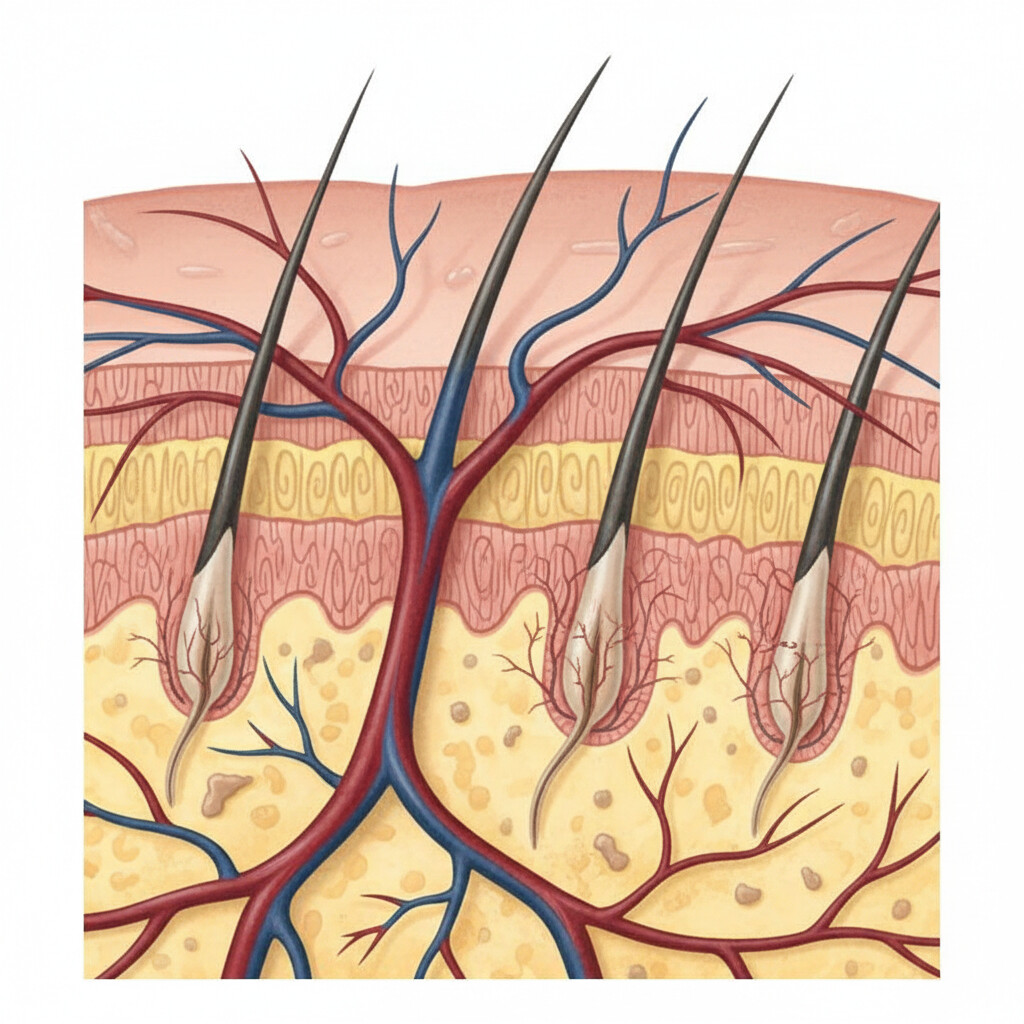
Nicotine’s Vasoconstrictive Effect: Nicotine is a powerful vasoconstrictor. This means it causes your blood vessels to narrow. During a hair transplant, countless tiny incisions are made in the scalp to receive the donor grafts. These incisions require a robust blood supply for healing and for the transplanted follicles to thrive. When you smoke, the blood vessels in your scalp constrict, significantly reducing the flow of oxygen and essential nutrients to these delicate areas. This impaired circulation is a primary reason for poor graft survival.
-
Carbon Monoxide’s Oxygen Deprivation: Carbon monoxide, another chemical found in cigarette smoke, binds to hemoglobin in your red blood cells much more effectively than oxygen. This reduces the amount of oxygen your blood can carry throughout your body, including to your newly transplanted scalp. Less oxygen means compromised healing and a higher risk of graft failure.
-
Impaired Immune Function: Smoking weakens your immune system, making you more susceptible to infections. A hair transplant, while a surgical procedure, also involves creating micro-wounds that need to heal without complications. A weakened immune system increases the likelihood of post-operative infections, which can lead to scarring and further damage to the graft sites.
-
Delayed Wound Healing: Beyond just infection, smoking directly interferes with the body’s natural wound-healing processes. It affects collagen production (essential for skin repair) and can lead to slower healing times, increased scarring, and a greater risk of complications.
Direct Impact on Hair Transplant Success
Now, let’s connect these physiological effects directly to your hair transplant:
-
Reduced Graft Survival Rate: This is arguably the most critical consequence. The transplanted hair follicles are essentially living tissues that need to establish a blood supply to survive and grow. With constricted blood vessels and reduced oxygenation due to smoking, the grafts are deprived of the sustenance they need. This leads to a lower percentage of transplanted hairs actually growing, meaning fewer visible results from your procedure.
-
Increased Risk of Necrosis: In severe cases, the lack of adequate blood supply can lead to necrosis, the death of tissue. While rare, this is a devastating complication that can occur in areas with severely compromised circulation, potentially affecting both the donor and recipient sites.
-
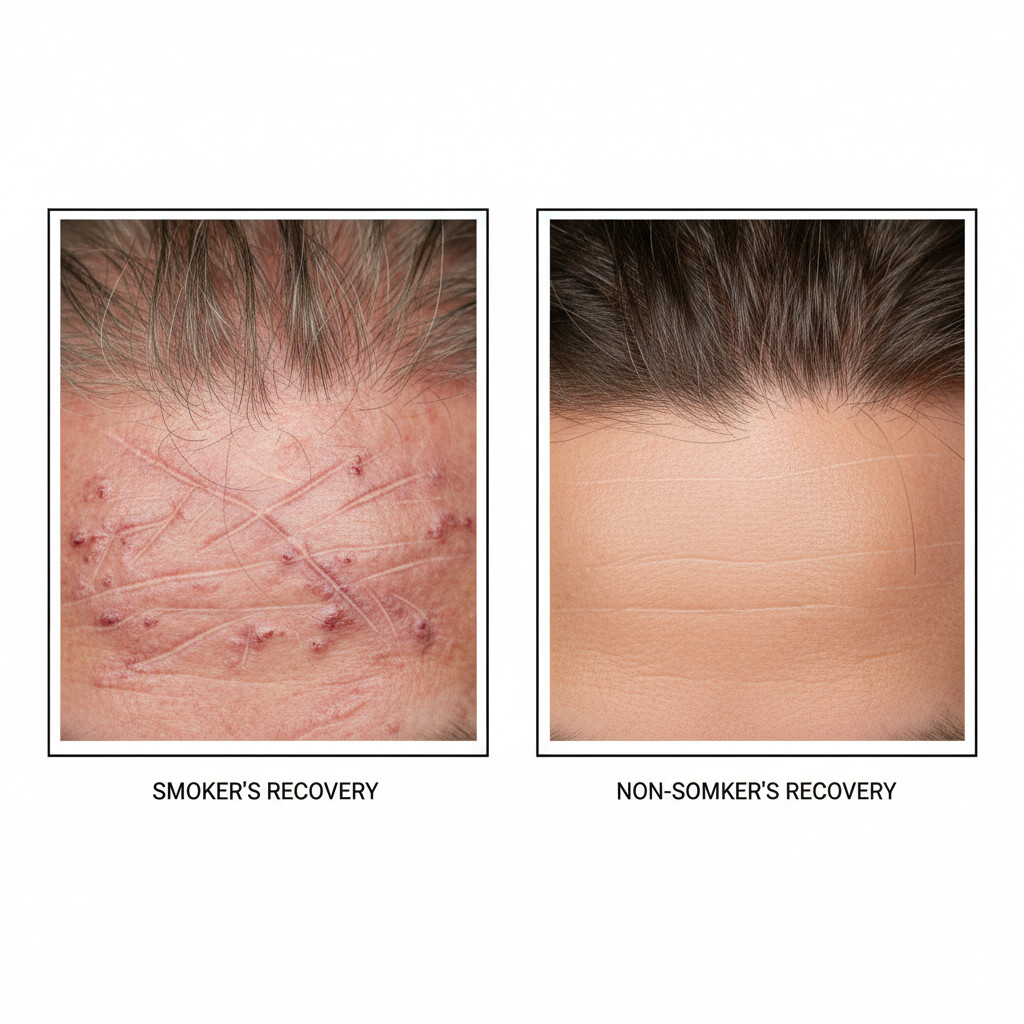
Poor Scarring and Healing in the Donor Area: The donor area, where hair follicles are harvested, also needs to heal effectively. Smoking can lead to wider, more noticeable scars in the donor region due to impaired healing and reduced blood flow. This can be particularly disappointing if you’ve chosen a technique that aims for minimal scarring.
-
Longer Recovery Time: The body’s ability to repair itself is hindered by smoking. This means a longer and potentially more uncomfortable recovery period. You might experience more swelling, discomfort, and a slower return to normal activities.
-
Compromised Aesthetic Outcome: Ultimately, the goal of a hair transplant is to achieve a natural-looking, aesthetically pleasing result. If a significant number of grafts fail to survive or if healing is poor, the density and coverage you achieve will be suboptimal, potentially requiring further procedures or leaving you unsatisfied.
Why Quitting is Non-Negotiable
Given these profound negative effects, it becomes clear why quitting smoking is absolutely critical for anyone undergoing a hair transplant. Surgeons will universally advise patients to quit, and many will even postpone or refuse to operate on active smokers due to the significantly increased risks.
-
Maximizing Graft Viability: By quitting, you allow your blood vessels to function optimally, ensuring the best possible blood flow to the transplanted follicles. This directly translates to a higher chance of survival and robust growth.
-
Promoting Efficient Healing: A non-smoking body heals much more effectively. You’ll experience faster recovery, less risk of infection, and better overall results in both the donor and recipient areas.
-
Reducing Complications: The risk of serious complications like infection and necrosis is significantly lowered when you stop smoking.
-
Achieving the Best Possible Outcome: Simply put, quitting smoking is the single most effective action you can take to ensure you get the dense, natural-looking results you are paying for and hoping for.
When Should You Quit?
The general consensus among hair transplant surgeons is:
- At Least 2-4 Weeks Before Surgery: This allows your body to begin recovering from the immediate effects of nicotine and carbon monoxide, improving circulation before the procedure.
- During the Critical Healing Period (First Few Weeks Post-Op): This is when the grafts are most vulnerable. Continuing to smoke during this time dramatically increases the risk of failure.
- Ideally, Permanently: For long-term health and to maintain the health of your remaining natural hair (which can also be affected by smoking), quitting permanently is the best strategy.
Strategies for Quitting Smoking
Quitting smoking is challenging, but with the right approach and support, it is achievable. Here are some strategies:
- Set a Quit Date: Choose a specific date to stop smoking. Mark it on your calendar and commit to it.
- Identify Your Triggers: Understand what situations, emotions, or activities make you want to smoke. Develop coping strategies for these triggers (e.g., chewing gum, taking a walk, deep breathing exercises).
- Seek Professional Support: Talk to your doctor about quitting aids like nicotine replacement therapy (patches, gum, lozenges), prescription medications (like bupropion or varenicline), or counseling.
- Utilize Support Groups: Online forums, local support groups, or apps can provide encouragement and accountability from others who are also trying to quit.
- Inform Friends and Family: Let your loved ones know you are quitting so they can offer support and understanding. Ask them not to smoke around you.
- Stay Active: Physical activity can help reduce cravings and improve your mood.
- Reward Yourself: Celebrate milestones (a day, a week, a month smoke-free) with non-smoking-related rewards.
Conclusion
A hair transplant is a significant investment in your appearance and self-esteem. To ensure you get the best possible return on that investment, it is imperative to address factors that can compromise its success. Smoking is perhaps the single biggest modifiable risk factor. By understanding the profound negative effects of smoking on blood circulation, healing, and graft survival, and by committing to quitting, you are taking the most crucial step towards achieving a successful, natural-looking hair transplant.

Disclaimer: This information is for educational purposes only and does not constitute medical advice. Always consult with your hair transplant surgeon and healthcare provider for personalized guidance and recommendations.