
A hair transplant in Turkey is often much cheaper than the same procedure in the UK, even after flights and hotel. Whether the savings are worth it depends less on the headline price and more on who actually performs the surgery, what the package includes, and how aftercare and any problems will be handled once you are back home. This guide compares both options on cost, logistics, follow-up and recourse, and lists the questions to ask before you book.
Key takeaways
- Turkish packages are often priced at a fraction of UK quotes, but compare like with like: the same graft range, the same level of doctor involvement and the same aftercare.
- Travel, time off work, and any return trips or local check-ups add to the real cost of going abroad.
- Follow-up and complication management are easier when your clinic is a short journey away. Abroad, you need a clear plan before you go.
- Your options if something goes wrong differ a lot. Check registration, complaint routes and written terms in advance.
How the prices compare
UK prices for a hair transplant often run from several thousand pounds to well over £10,000 for larger sessions. They depend on graft numbers, technique, the clinic’s location and the surgeon’s experience. Many clinics in Turkey advertise all-inclusive packages in the low thousands, although prices there vary widely too. Our guide to hair transplant costs in Turkey explains that range in more detail.
Treat any figure as a starting point, not a quote. Prices change, and the final price for your case depends on an assessment. For a wider picture, see how much a hair transplant costs in 2026.
Why the gap exists
The difference comes mostly from lower running costs in Turkey: staff wages, rent and general cost of living. Many Turkish clinics also run a high-volume model, treating several patients a day. That lowers the cost per patient, but it can also mean less time from the surgeon per case.
A lower price does not automatically mean lower quality, and a higher UK price does not guarantee a better result. The price tells you little on its own. What matters is what you get for it.
What’s included
Typical Turkish package
Packages aimed at international patients often include:
- The procedure itself, with a quoted graft range.
- Airport and clinic transfers.
- Hotel accommodation for a set number of nights.
- Blood tests on arrival, medications and an aftercare kit.
- The first wash at the clinic.
- An interpreter or patient coordinator.

Typical UK quote
A UK price usually covers the consultation, the procedure, medications and a set number of follow-up appointments. You arrange your own travel to the clinic and recover at home.
Hidden and extra costs
When you compare the two, add:
- Flights, and any extra hotel nights beyond the package.
- Time off work, including travel days.
- Travel insurance that covers a planned medical procedure. Many standard policies don’t.
- Any fee for a local doctor or clinic to review your progress or treat a problem after you return.
- The cost of a possible return trip for a check-up or second procedure.
Our guide on what’s included in a hair transplant package goes through each item.
Quality and who does the work
This is the question that matters more than price. In both countries, ask:
- Which doctor will assess you, design the hairline and make the recipient incisions?
- Which parts are done by technicians, and how are they supervised?
- How many patients does the team treat on the same day?
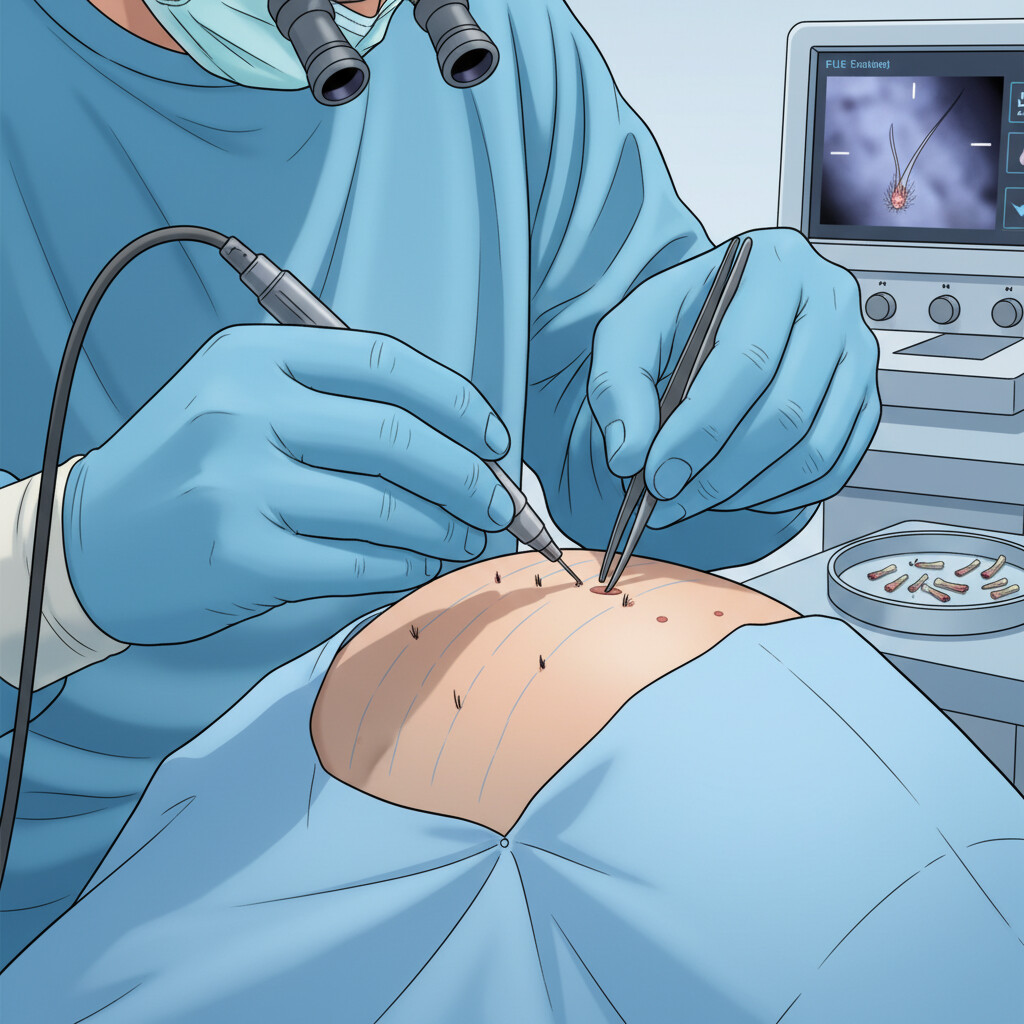
Some high-volume clinics delegate most of the surgery to technicians, with limited doctor involvement. This happens in the UK too, but it is more common in clinics built around large numbers of international patients. Check the doctor’s licence and the clinic’s registration yourself, rather than relying on logos or awards on a website.

Travel, aftercare and follow-up
The trip itself
A typical trip to Turkey lasts several days: arrival and assessment, the procedure, a check-up and first wash, then the flight home. You will fly with a fresh, visible transplant and a sore, sometimes swollen scalp. Plan for a few more days off after you get home. Our guide on flying after a hair transplant covers the journey back.
With a UK clinic, you can usually go home the same day and attend check-ups in person without taking a flight.
Follow-up after you get home
Most clinics abroad offer remote follow-up by photo or video call, often at set points in the first year. That works well for routine questions about shedding and growth. It is harder for anything that needs an in-person examination.
Before you book abroad, find out:
- How follow-up works, and who reviews your photos (a doctor or a coordinator).
- How quickly they reply, and in which language.
- Whether you will get a written surgical report: graft count, technique, areas treated and medications. A local doctor will need this.
Complications
Serious complications are uncommon, but infection, unusual swelling or poor healing can happen. In the UK, your own clinic can see you quickly. After surgery abroad, your GP or NHS services will treat urgent problems such as infection, but they will not usually take on routine aftercare or fix a cosmetic result. Some private UK clinics will see patients treated elsewhere, usually for a fee.
If something goes wrong: your options
Your options if you are unhappy differ between the two countries.
In the UK: clinics in England that carry out surgical procedures must be registered with the Care Quality Commission, and doctors must be registered with the General Medical Council. You can check both registers online. If something goes wrong, there is a formal complaints process, regulators you can escalate to, and UK courts if needed.
In Turkey: clinics must be licensed by the Turkish Ministry of Health, and doctors must be licensed to practise there. Complaint routes exist, but pursuing a complaint or legal claim from abroad is usually slower, costs more, and may need a local lawyer and translation. In practice, most disputes are settled directly with the clinic, so what you have in writing matters a great deal.
In both countries:
- Get the treatment plan, price, graft range, deposit terms and any “guarantee” in writing before you pay.
- Find out exactly what a guarantee covers. Often it is a free or discounted touch-up under certain conditions.
- Check how you are paying. Paying by credit card may give extra protection; check with your card provider.
Questions to ask before you book
- Who will perform each part of my procedure, and how many patients are treated that day?
- What graft range do you recommend for me, and how much donor supply will I have left?
- What exactly does the price include, and what could cost extra?
- How does follow-up work after I go home, and who reviews my photos?
- If I have a complication after returning home, what will you do and what will you pay for?
- Will I receive a written surgical report?
- What happens if the result is poor at 12-18 months?
Common questions
Is a UK hair transplant safer than one in Turkey?
Not automatically. Good and poor clinics exist in both countries. The UK offers easier follow-up and clearer recourse, which reduces some risks. The skill and involvement of the surgeon matter more than the country.
Can I spread the cost instead of choosing the cheaper option?
Some UK clinics offer finance plans. Read hair transplant financing and payment options before you commit to credit.
Should I choose the cheapest clinic in Turkey?
Price alone is a poor guide. A package far below others often means more patients per day and less doctor time. A failed or overharvested result can cost much more to repair than you saved.
Discussion
If you compared UK and Turkish clinics, what swung your decision? And if you went abroad, how did follow-up and costs after your return compare with what you expected? Share your figures and experience below.
Related guides
- How Much Does a Hair Transplant Cost in 2026?
- Hair Transplant Cost in Turkey: What Affects the Price?
- What’s Included in a Hair Transplant Package?
- Does Insurance Cover Hair Transplants? Financing and Payment Options
About this guide: ForumHairTransplant.com is an independent patient community. We are not affiliated with any clinic or surgeon, and we don’t accept payment for rankings, reviews or recommendations. This article is general information, not medical advice. Talk to a qualified doctor about your own situation.