
For many individuals considering or undergoing hair restoration, the journey is often viewed through the lens of achieving natural-looking, denser hair. However, the post-treatment phase is just as critical for long-term success and comfort. One common, though often minor, concern that can arise is dry scalp. This guide is designed to provide clear, reassuring information for individuals aged 35 and above who are seeking to understand and manage scalp dryness following a hair transplant procedure.
We understand that embarking on a hair restoration journey involves careful consideration and a desire for predictable, positive outcomes. This content aims to demystify the experience of dry scalp after a transplant, offering practical insights without medical jargon or alarming details. Our goal is to empower you with knowledge, helping you feel prepared and confident during your recovery and beyond. You should expect to learn what causes dry scalp in this context, how to identify it, and gentle, effective strategies for relief that support healing and the health of your new hair growth.
What this guide will explain:
- Common reasons for scalp dryness post-hair transplant
- Recognizing the signs of a dry scalp
- Gentle methods to soothe and moisturize your scalp
- The role of hydration and gentle cleansing
- When to consult with your specialist
- Maintaining scalp health for optimal results
Understanding Dry Scalp Post-Hair Transplant
Following a hair transplant, your scalp is in a delicate healing phase. The transplantation process, while designed to be minimally invasive, does involve creating tiny recipient sites where new follicular units are placed. Your body’s natural response to this is part of the healing process. Sometimes, this can lead to a temporary imbalance in the scalp’s natural moisture levels, resulting in dryness. It’s a common occurrence and usually resolves on its own with appropriate care.
Several factors can contribute to temporary scalp dryness after a hair transplant. The procedure itself can temporarily disrupt the scalp’s natural oil production. Additionally, the medications or topical solutions used during the healing phase, while beneficial for recovery, can sometimes have a drying effect. Environmental factors, such as dry air or harsh weather, can also play a role. It’s important to remember that these are typically temporary conditions that can be managed effectively.
Recognizing the Signs of Dry Scalp
Identifying dry scalp is generally straightforward. You might notice a feeling of tightness or itchiness on your scalp. Unlike dandruff, which often involves flakes that are larger and oily, dry scalp typically presents with smaller, drier, white flakes. The scalp itself may feel less supple. It’s important to distinguish this from other potential post-procedure reactions, which is why understanding these signs in the context of your recovery is key.
It’s crucial to approach any scalp sensations with a calm perspective. The focus should be on gentle care and observation. If you experience persistent discomfort or are unsure about the cause of any scalp sensation, your medical team is the best resource for accurate assessment and guidance.
Gentle Management and Relief Strategies
Managing dry scalp after a hair transplant prioritizes comfort and supporting the healing process. The key is to use gentle methods that hydrate the scalp without irritating the sensitive areas.
Moisturizing and Hydration
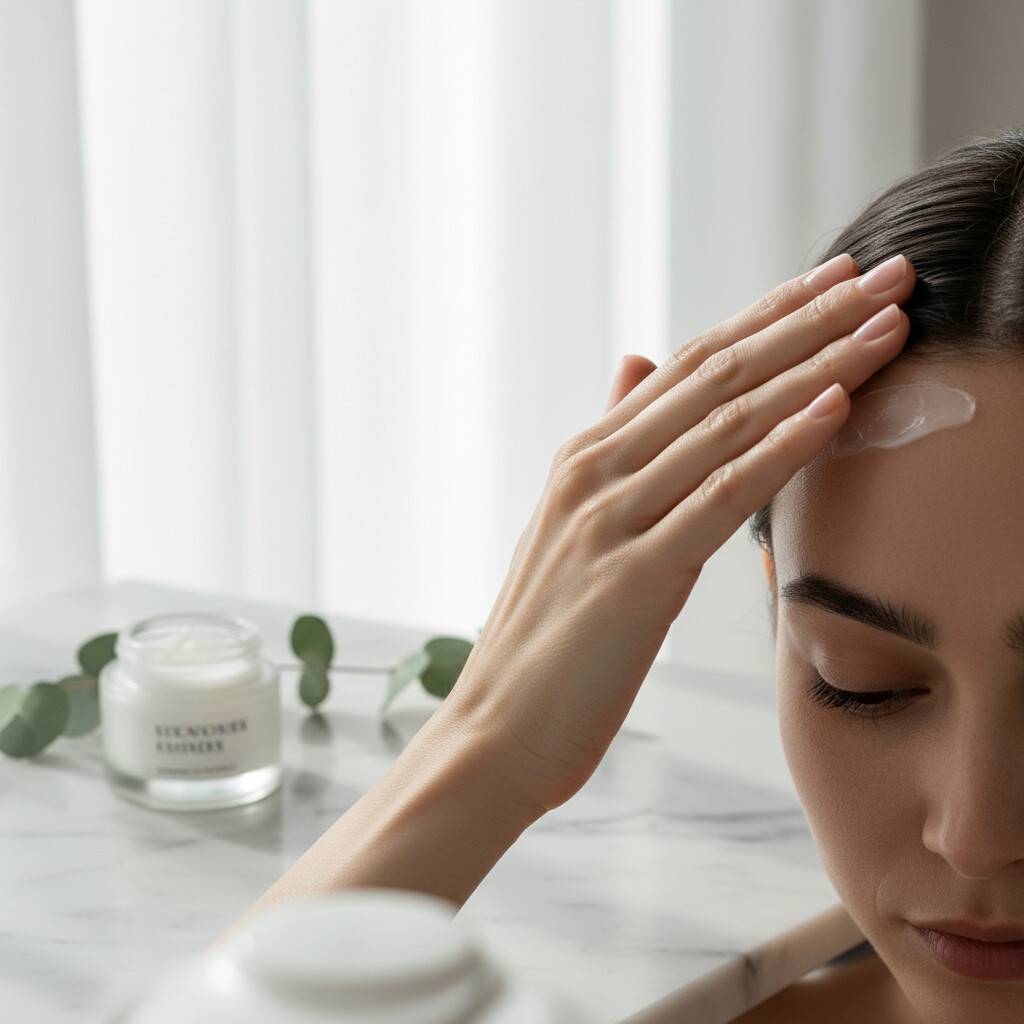
Keeping your scalp hydrated is paramount. Using a gentle, pH-balanced, fragrance-free moisturizer specifically recommended for post-hair transplant care can make a significant difference. Apply it lightly to the scalp as directed by your clinic. Hydration also comes from within; ensuring you drink an adequate amount of water throughout the day supports overall skin health, including your scalp.
Gentle Cleansing Practices
When it comes to cleansing, it’s vital to use a mild, sulfate-free shampoo. Avoid harsh detergents that can strip the scalp of its natural oils. Washing your hair less frequently during the initial recovery period, if advised by your specialist, can also help retain moisture. Always use lukewarm water, as hot water can exacerbate dryness and irritation.
Recommended Products and Ingredients
Look for products containing soothing and moisturizing ingredients like hyaluronic acid, glycerin, aloe vera, or natural oils such as jojoba or coconut oil (if recommended by your clinic, as some oils can be too heavy initially). Always patch-test new products on a small area of skin first, though this is less critical for specially formulated post-transplant care items. Your clinic will likely provide a list of recommended products, and it’s best to adhere to their suggestions.
Practical Considerations for Long-Term Scalp Health
Thinking about the long-term well-being of your scalp and the results of your hair restoration is essential. Proactive care during the recovery phase sets the stage for healthy, lasting hair growth.
The Importance of Patience and Observation
Healing is a process, and it takes time. Be patient with your body’s recovery. Observe how your scalp responds to different care routines. Minor fluctuations in scalp condition are normal. The goal is to support your scalp’s natural healing and return to balance.
Environmental Factors
Protecting your scalp from extreme environmental conditions can help prevent dryness. During sunny weather, wear a soft, breathable hat when outdoors to shield the scalp from direct sun exposure, which can dry it out. In dry or cold climates, consider using a humidifier indoors to add moisture to the air.

Lifestyle and Diet
A balanced diet rich in vitamins and minerals, particularly those that support skin and hair health (like Omega-3 fatty acids, Vitamin E, and Zinc), contributes to overall scalp health. Staying well-hydrated by drinking plenty of water is also a simple yet effective way to maintain skin moisture from the inside out.
When to Consult Your Specialist
While dry scalp is often manageable at home, there are times when professional advice is necessary. If you experience persistent, severe itching that interferes with sleep or daily activities, if the dryness is accompanied by significant redness or inflammation, or if you have concerns about infection, it is crucial to contact your hair transplant clinic or a dermatologist. They can provide a proper diagnosis and recommend the most appropriate treatment plan for your specific situation.
Common Questions About Dry Scalp After Hair Transplant (FAQ)
Q1: How long does dry scalp typically last after a hair transplant?
A1: The duration of dry scalp varies from person to person. For many, it’s a temporary condition that improves significantly within the first few weeks to a couple of months as the scalp fully heals. Consistent, gentle moisturizing and proper cleansing are key to managing it throughout this period.
Q2: Can scratching dry scalp cause problems for my new hair grafts?
A2: Excessive scratching can potentially irritate the scalp and may dislodge healing grafts in the very early stages. It’s important to avoid scratching. If itching is bothersome, try gently patting or applying a cool compress, or use a recommended soothing product. Focus on keeping the scalp moisturized, as this often alleviates the itch.

Q3: Is it okay to use anti-dandruff shampoos for dry scalp?
A3: Generally, anti-dandruff shampoos are formulated to treat fungal issues or excessive oiliness and can be too harsh for a dry, sensitive scalp post-transplant. It’s best to use mild, moisturizing shampoos recommended by your clinic. If you suspect a fungal issue, consult your doctor rather than self-treating with potent shampoos.
Q4: Will dry scalp affect my hair transplant results?
A4: Mild to moderate dry scalp, when managed appropriately, typically does not negatively affect the final results of a hair transplant. Healthy scalp conditions are conducive to healthy hair growth. By addressing dryness gently and effectively, you are supporting the optimal environment for your transplanted hairs to thrive.
Discussion Section
This section is for sharing experiences and insights. Please remember to be respectful of others’ journeys and perspectives.
- What strategies have you found most effective for managing scalp dryness during your hair transplant recovery? Have any particular products or routines made a significant difference for you?
- Were there any unexpected factors that contributed to your scalp dryness, and how did you adapt your care routine to address them?
- Beyond managing dryness, what other aspects of post-transplant scalp care have you found important for ensuring long-term hair health and maintaining your results?
Medical Disclaimer
The information provided in this guide is for general informational purposes only and does not constitute medical advice. Hair transplantation is a medical procedure, and individual experiences and recovery processes can vary significantly. It is essential to consult with a qualified medical professional, such as your hair transplant surgeon or dermatologist, for a personalized assessment, diagnosis, and treatment plan. Always follow the specific post-operative instructions provided by your healthcare provider. We do not make any guarantees regarding specific outcomes or experiences.