
What this guide will explain
- The typical timeline for hair grafts to become stable.
- Factors influencing graft security.
- What to expect during the initial weeks post-procedure.
- The importance of following post-operative care instructions.
- When you can typically resume normal activities.
Introduction to Hair Graft Stability
Undergoing a hair restoration procedure is a significant decision, and understanding the recovery process is crucial for managing expectations. One of the most common questions patients have is about the security of their newly transplanted hair grafts. “How long until my grafts are secure?” is a natural concern, as it directly relates to the long-term success and permanence of the treatment.
This guide is designed for individuals aged 35 and above who are considering or have recently undergone a hair restoration procedure. We aim to provide clear, calm, and factual information about when hair grafts are considered stable and secure, without delving into overly technical or surgical details. By the end of this guide, you will have a better understanding of the healing process, the factors involved in graft stability, and what you can realistically expect in the weeks and months following your treatment.

Understanding the Hair Restoration Process and Graft Survival
The success of a hair restoration procedure relies on the ability of transplanted hair follicles, often referred to as grafts, to survive and integrate into the new scalp location. This integration process is gradual and involves several stages of healing. Initially, the grafts are delicate and require careful handling and protection. Over time, the follicular units establish a blood supply from the surrounding tissues, which is the key to their long-term survival and growth.
What Does “Secure” Mean in This Context?
When we talk about hair grafts being “secure,” we are referring to the point at which the follicular units have successfully integrated with the scalp’s blood supply and surrounding tissues. This means they are no longer easily dislodged and have established the foundation for future hair growth. It’s a critical milestone in the recovery process, signifying that the transplanted hair is on its way to becoming a permanent part of your natural hairline or thinning area.
The Role of Blood Supply and Healing
Following the transplantation, the tiny incisions where the grafts are placed begin to heal. This healing process involves the body’s natural response to repair and rebuild tissue. Crucially, new capillaries and blood vessels start to grow and connect with the transplanted follicular units. This establishes a robust blood supply, delivering essential nutrients and oxygen to the grafts, which is vital for their survival and subsequent growth cycle. Without adequate blood supply, the grafts would not be able to thrive.
Typical Timeline for Graft Security
While individual healing rates can vary, there is a generally accepted timeline for when hair grafts achieve a significant level of security. Understanding this timeline can help alleviate anxiety and provide a clearer picture of the recovery journey.
The Crucial First Few Days
In the immediate aftermath of a hair restoration procedure, the grafts are at their most vulnerable. It is essential to follow all post-operative care instructions meticulously during this period. This includes avoiding any activities that could put pressure on the scalp or cause the grafts to be dislodged. Gentle handling and adherence to the provided care guidelines are paramount.
Weeks 1-2: Initial Integration
During the first two weeks, the primary focus is on the initial healing of the tiny recipient sites and the beginning of the integration process. While the grafts are becoming more stable, they are still susceptible to disruption. Some minor shedding of the transplanted hairs may occur during this phase, which is a normal part of the process as the follicles transition into their resting phase before new growth begins.
Weeks 2-4: Developing Stability
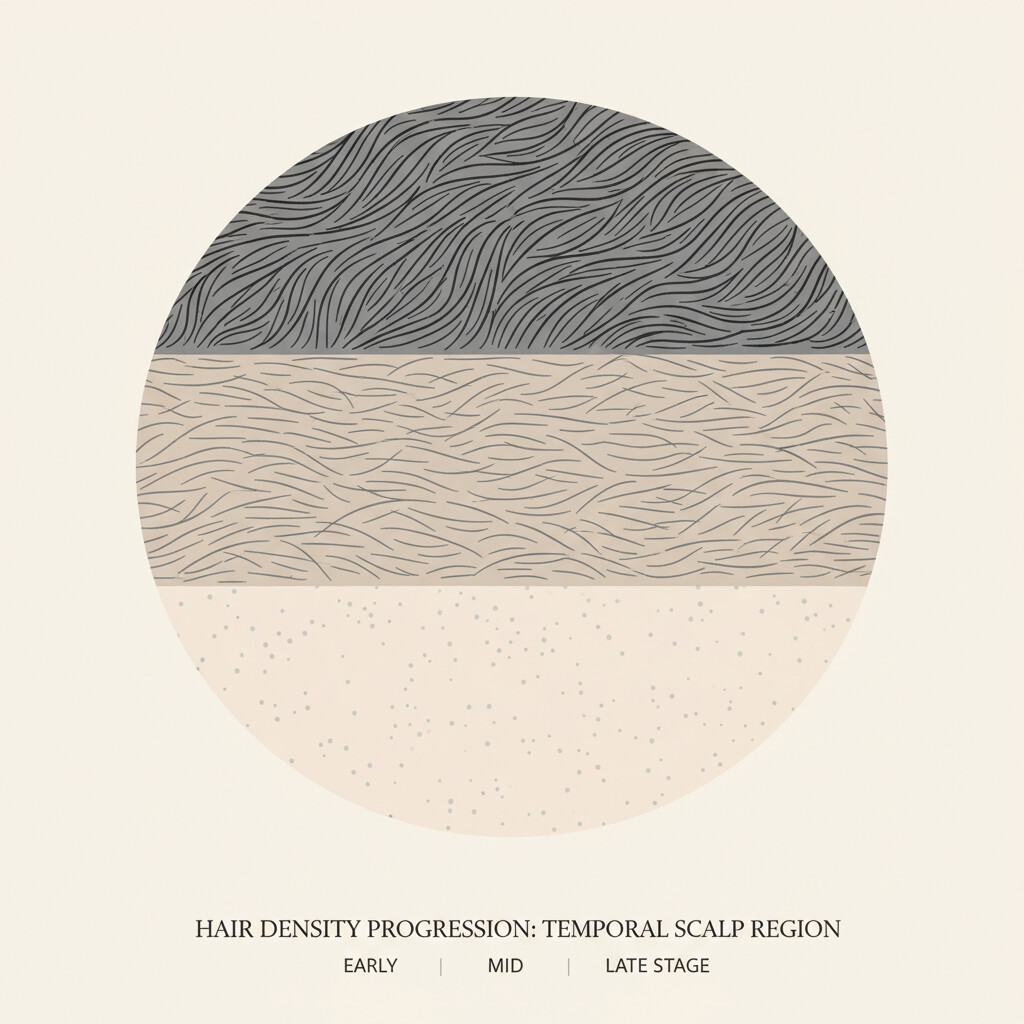
By the end of the second week and into the third and fourth week, the grafts are typically considered much more stable. The initial healing of the skin has progressed significantly, and the grafts have begun to establish a more robust connection with the scalp’s vascular system. At this stage, the risk of dislodging the grafts through normal daily activities is considerably reduced. Many patients feel more confident resuming a wider range of activities, though strenuous exercise and direct impact to the scalp should still be approached with caution.
Beyond 4 Weeks: Established Security
After approximately four weeks, the grafts are generally considered to be well-established and secure. The follicular units have integrated, and the risk of accidental displacement is minimal. This marks a significant point in the recovery, as the foundation for long-term hair growth is firmly in place. From this point onwards, the focus shifts more towards observing the initial signs of new hair growth, which typically begins to appear a few months later.
Factors Influencing Graft Security
Several factors can influence how quickly and effectively your transplanted grafts become secure. Understanding these can empower you to optimize your recovery.
Surgical Technique and Quality
The skill of the surgical team and the precision of the technique used play a significant role. Advanced techniques that ensure gentle graft handling and precise placement contribute to better survival rates and faster integration. A meticulous approach minimizes trauma to the donor and recipient areas.
Individual Healing Capacity
Everyone’s body heals differently. Factors such as age, overall health, circulation, and any underlying medical conditions can affect the speed and efficiency of the healing process. A healthy individual with good circulation may experience faster graft integration.
Adherence to Post-Operative Care
This is perhaps the most controllable factor for the patient. Strictly following the surgeon’s post-operative instructions is critical. This includes instructions on cleaning, sleeping positions, avoiding certain activities, and medication use. Diligent care significantly enhances the chances of optimal graft survival and security.
Lifestyle Factors
Elements like nutrition, hydration, and avoiding smoking can also play a role in healing. A balanced diet supports the body’s repair mechanisms, while smoking can impair circulation and slow down the healing process. Maintaining a healthy lifestyle supports the body’s ability to heal efficiently.
Practical Considerations for Recovery
Managing your expectations during the recovery period is key to a positive experience. Here’s what to consider regarding comfort, timelines, and long-term outcomes.
Comfort and Expectations
While the procedure itself is performed under local anesthesia, the days following can involve some mild discomfort or tenderness. This is typically well-managed with prescribed or recommended over-the-counter pain relief. It’s important to remember that shedding of the transplanted hair is normal and not indicative of graft failure. The visible results of new growth take time, often several months.
Resuming Normal Activities
Most patients can return to non-strenuous work or daily routines within a few days to a week after the procedure. Activities involving significant physical exertion, contact sports, or swimming are generally advised against for at least 2-4 weeks, or until cleared by your surgeon. Always consult your doctor for personalized advice on when it is safe to resume specific activities.
Long-Term, Natural-Looking Outcomes
The ultimate goal of hair restoration is to achieve natural-looking, permanent results. The security of the grafts is the first step towards this. Once established, the transplanted hairs will follow their natural growth cycle, maturing and blending seamlessly with your existing hair over time. Patience is essential, as the full results of a hair restoration procedure can take 12-18 months to become apparent.
Common Questions About Graft Security
Q1: Will the transplanted hairs fall out immediately after the procedure?
A1: It is very common for the visible shaft of the transplanted hair to shed within the first 2-6 weeks. This is known as ‘shock loss’ or shedding. This shedding does not mean the graft has failed; it is a natural part of the process as the follicle prepares for new growth from the root. The follicle itself remains in place and secure within the scalp.
Q2: Can I accidentally dislodge a graft if I touch my scalp too soon?
A2: In the first few days, yes, it is possible to dislodge a graft if the scalp is handled roughly. This is why careful handling and adherence to post-operative instructions are critical during this initial period. As healing progresses over the first couple of weeks, the grafts become increasingly resistant to accidental displacement.
Q3: How soon can I expect to see new hair growth?
A3: While grafts are secure after about 4 weeks, visible new hair growth typically begins to emerge around 3-4 months post-procedure. This growth will be gradual, with noticeable density increasing over the following 9-15 months. The quality and texture of the new hair should resemble your natural hair.
Q4: Is there anything I can do to help my grafts heal and become secure faster?
A4: The most important thing you can do is strictly follow your surgeon’s post-operative care instructions. Maintaining good hydration, eating a nutritious diet, and avoiding smoking can also support your body’s natural healing process. Gentle care and patience are key.
Discussion Section
This section is designed to foster a community dialogue. We encourage you to share your experiences and insights related to graft security and recovery. Please remember to be respectful and supportive of one another.
- What was your personal experience like during the first few weeks after your hair restoration procedure regarding graft sensitivity?
- Were there any specific post-operative care instructions that you found particularly helpful or challenging to follow?
- How did you manage your expectations during the period before new growth became visible, knowing your grafts were secure?
Medical Disclaimer
This information is intended for educational purposes only and does not constitute medical advice. The timeline for graft security and subsequent hair growth can vary significantly from person to person. It is essential to consult with a qualified hair restoration surgeon or medical professional for a personalized assessment, diagnosis, and treatment plan. Individual results may vary, and no guarantees can be made regarding specific outcomes.