
Hair loss, a common concern for millions worldwide, can stem from a variety of factors. Understanding these causes is the first step towards finding effective solutions, including hair transplant surgery for those who are suitable candidates. This guide delves into the primary drivers of hair loss, offering insights into genetic predispositions, hormonal influences like DHT, the impact of stress, and the role of underlying medical conditions.
Key Factors in Hair Loss:
- Genetics (Androgenetic Alopecia): The most prevalent cause, often referred to as male or female pattern baldness.
- Hormonal Changes (DHT): The role of dihydrotestosterone (DHT) in shrinking hair follicles.
- Stress and Lifestyle: How psychological and physical stress can trigger temporary or permanent hair loss.
- Medical Conditions and Treatments: Illnesses, nutritional deficiencies, and medical treatments that affect hair growth.
- Hair Care Practices: The impact of harsh treatments and styling on hair health.
The Genetic Blueprint: Androgenetic Alopecia
For many, hair loss is an inherited trait. Androgenetic alopecia, commonly known as male-pattern baldness or female-pattern baldness, accounts for the vast majority of hair loss cases. This condition is characterized by a predictable pattern of hair thinning and loss. In men, it typically begins with a receding hairline and thinning at the crown, eventually progressing to more extensive baldness. Women often experience a more diffuse thinning over the top of the scalp, with the frontal hairline usually remaining intact.
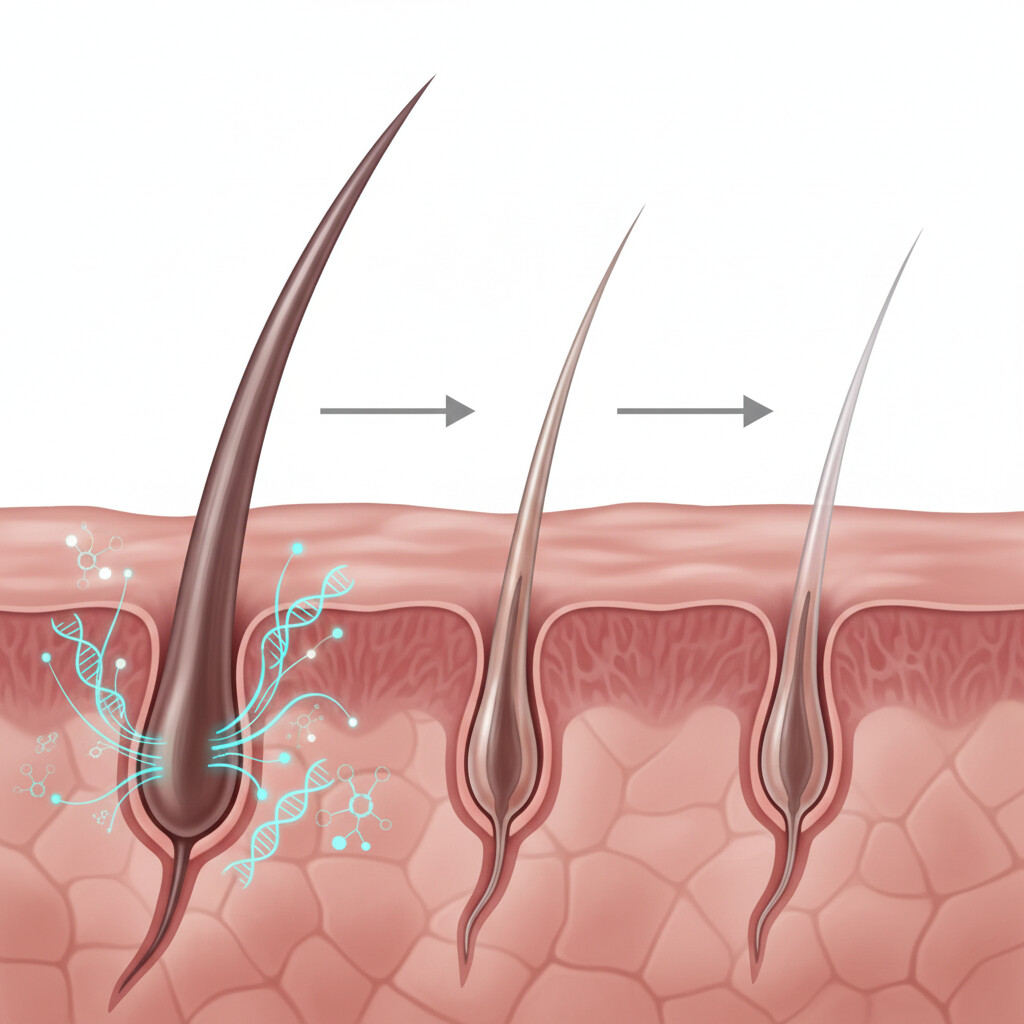
The genetic basis for androgenetic alopecia involves a sensitivity of the hair follicles to a specific hormone. This sensitivity is passed down through generations, making family history a strong indicator of potential hair loss. While genetics lay the groundwork, other factors can influence the onset and severity of this condition.
Hormonal Havoc: The Role of DHT
At the heart of androgenetic alopecia lies a potent androgen hormone: dihydrotestosterone (DHT). DHT is derived from testosterone and plays a crucial role in male development. However, in genetically predisposed individuals, hair follicles on the scalp become increasingly sensitive to DHT over time. This sensitivity leads to a process called ‘miniaturization’.
Miniaturization is where the hair growth cycle is disrupted. The anagen (growing) phase of the hair shaft becomes shorter, while the telogen (resting) phase lengthens. Consequently, the hair follicles shrink, producing shorter, finer, and less pigmented hairs with each subsequent cycle. Eventually, the follicles become so small that they can no longer produce visible hair, leading to baldness.
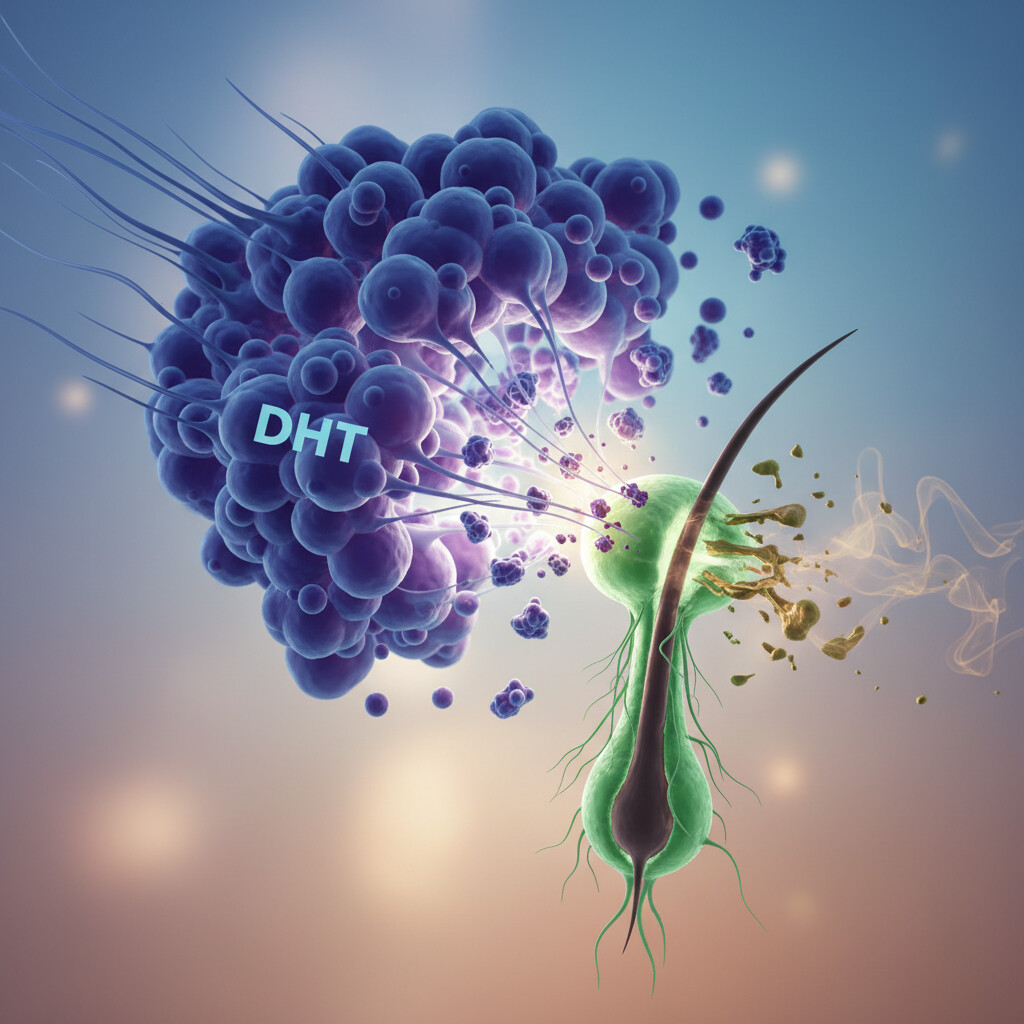
While DHT is often discussed in the context of male hair loss, women also have testosterone and can experience issues related to DHT, though typically to a lesser extent and with different patterns of loss.
The Stress Factor: Telogen Effluvium
Beyond genetics and hormones, significant physical or emotional stress can also trigger hair loss. This type of hair loss is known as telogen effluvium. It occurs when a major stressor causes a large number of hair follicles to prematurely enter the resting (telogen) phase. Several months after the stressful event, these hairs are shed.
Common stressors include:
- Major surgery or illness: The body diverts resources away from non-essential functions like hair growth.
- Childbirth: Postpartum hormonal shifts can lead to shedding.
- Significant emotional trauma: Grief, job loss, or intense psychological distress.
- Rapid weight loss or extreme dieting: Nutritional deficiencies and metabolic changes.
- Certain medications: Some drugs can have hair loss as a side effect.
Fortunately, telogen effluvium is often temporary. Once the underlying stressor is removed or managed, hair growth typically resumes within several months. However, in some cases, prolonged stress can exacerbate other forms of hair loss or lead to more persistent shedding.
Medical Conditions and Nutritional Deficiencies
Various medical conditions can directly or indirectly contribute to hair loss. Autoimmune diseases, such as alopecia areata, cause the immune system to attack hair follicles, leading to patchy hair loss. Thyroid disorders, both hyperthyroidism and hypothyroidism, can disrupt the hair growth cycle. Scalp infections, like ringworm, can also cause hair loss in the affected areas.
Nutritional deficiencies are another significant factor. A lack of essential vitamins and minerals, particularly iron, zinc, biotin, and protein, can impair hair production. Severe malnutrition or restrictive diets can lead to noticeable hair thinning.
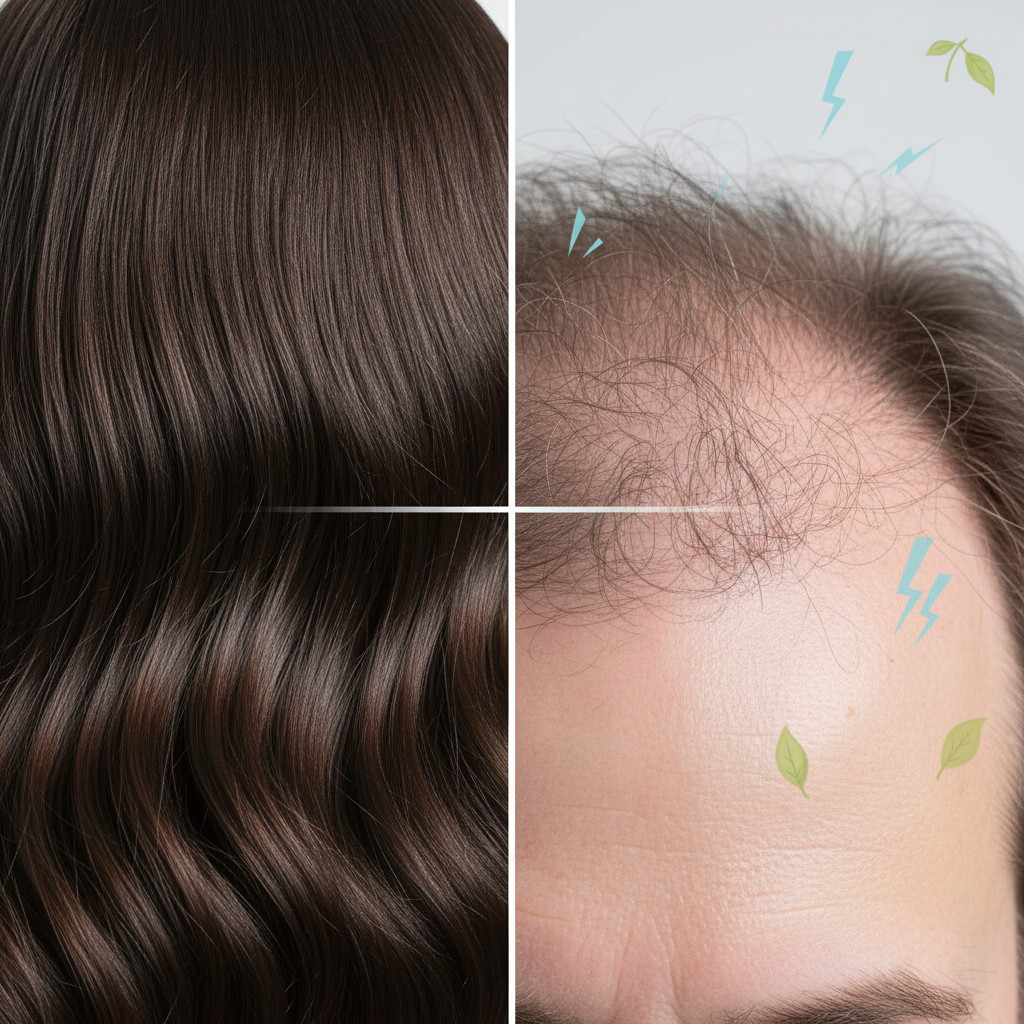
Furthermore, certain medical treatments, such as chemotherapy, are designed to target rapidly dividing cells, including hair follicle cells, leading to significant hair loss. While often temporary, the psychological impact of treatment-related hair loss can be profound.
Hair Care Practices and Styling
While less common as a primary cause of widespread baldness, harsh hair care practices can lead to hair breakage and thinning. Over-styling, tight hairstyles (like braids or ponytails), excessive use of heat tools, and chemical treatments (perms, relaxers, dyes) can damage the hair shaft and sometimes even the hair follicle over time. Traction alopecia is a specific type of hair loss caused by prolonged tension on the hair follicles due to tight hairstyles.
Seeking Solutions: When to Consider a Hair Transplant
For individuals experiencing permanent hair loss, particularly due to androgenetic alopecia, a hair transplant can be a highly effective solution. Hair transplant surgery involves transplanting hair follicles from a donor area (usually the back and sides of the head, where hair is genetically resistant to DHT) to the thinning or bald areas. The transplanted hairs continue to grow naturally throughout a person’s life.
Candidates for hair transplant are typically those with sufficient donor hair and realistic expectations about the outcome. A thorough consultation with a qualified surgeon is essential to determine the best approach, whether it’s FUE (Follicular Unit Extraction) or FUT (Follicular Unit Transplantation), and to discuss the potential results and recovery process. Understanding the root causes of your hair loss is crucial for making informed decisions about treatment options, including the possibility of a hair transplant.