
What this guide will explain
- What hair restoration is and who it’s best suited for.
- The importance of professional consultation and planning.
- Realistic expectations for the hair restoration process.
- Factors influencing natural-looking results.
- The typical journey from planning to post-treatment care.
Introduction to Hair Restoration
Hair restoration is a field dedicated to addressing hair loss and thinning, helping individuals regain a fuller, more natural-looking head of hair. For many men and women, particularly those over the age of 35, hair loss can be a significant concern impacting self-confidence. This guide is designed for mature adults who are considering hair restoration and are seeking clear, factual information to make informed decisions. We aim to provide a calm, rational overview of the process, focusing on what you can realistically expect and the critical factors that contribute to successful, natural outcomes.
This information is intended for individuals who value long-term, aesthetically pleasing results and are looking for a trustworthy resource to understand their options. We will delve into the core principles of hair restoration, the importance of expert guidance, and the journey involved, all presented in a manner that respects your intelligence and decision-making process. Our goal is to empower you with knowledge, enabling you to approach this significant step with confidence and clarity.
Understanding the Hair Restoration Process
At its core, hair restoration involves carefully relocating healthy hair follicles from one area of the scalp to areas experiencing thinning or baldness. The focus is on precision and artistry, ensuring that the transplanted hairs are placed in a way that mimics natural growth patterns and density. This is not a quick fix but a well-planned procedure undertaken by specialists dedicated to achieving harmonious and age-appropriate results. The aim is always to enhance your appearance subtly and effectively, resulting in a look that is both natural and confident.
The Consultation: Your First Step
The journey begins with a thorough consultation. This is your opportunity to discuss your concerns, understand your hair loss pattern, and explore potential solutions with a qualified professional. A good consultation involves a detailed assessment of your scalp health, hair density, and the characteristics of your existing hair. The medical team will listen to your goals and discuss what is realistically achievable, considering your unique situation. This collaborative planning phase is crucial for setting the right expectations and designing a treatment strategy tailored specifically to you. It’s a partnership built on trust and shared understanding.

Planning for Natural-Looking Results
Achieving natural-looking hair restoration is an art form. It requires a deep understanding of hairline design, density distribution, and the direction and angle of hair growth. Professionals consider your facial features, age, and desired outcome to create a result that appears seamless and age-appropriate. The goal is not just to add hair, but to restore a look that is consistent with your natural appearance throughout your life. This meticulous planning ensures that the results enhance your overall appearance without appearing artificial.
Practical Considerations for Hair Restoration
The Treatment Planning Phase
Following your initial consultation, the planning phase solidifies the approach. This includes determining the number of grafts needed, the specific areas to be addressed, and the overall strategy to achieve your aesthetic goals. The medical team will explain the process clearly, ensuring you understand each step. This phase is about meticulous detail and scientific precision, laying the groundwork for a successful procedure. Patience and clear communication are key during this stage.
What to Expect During the Process
The hair restoration process itself is designed for comfort and efficiency. Specialists employ techniques that are gentle and precise. The focus is on ensuring a calm and reassuring experience for every individual. Post-treatment care instructions are provided to support healing and the optimal growth of transplanted hair. The team is dedicated to making your experience as smooth and comfortable as possible, with your well-being as the top priority.
Timelines for Results
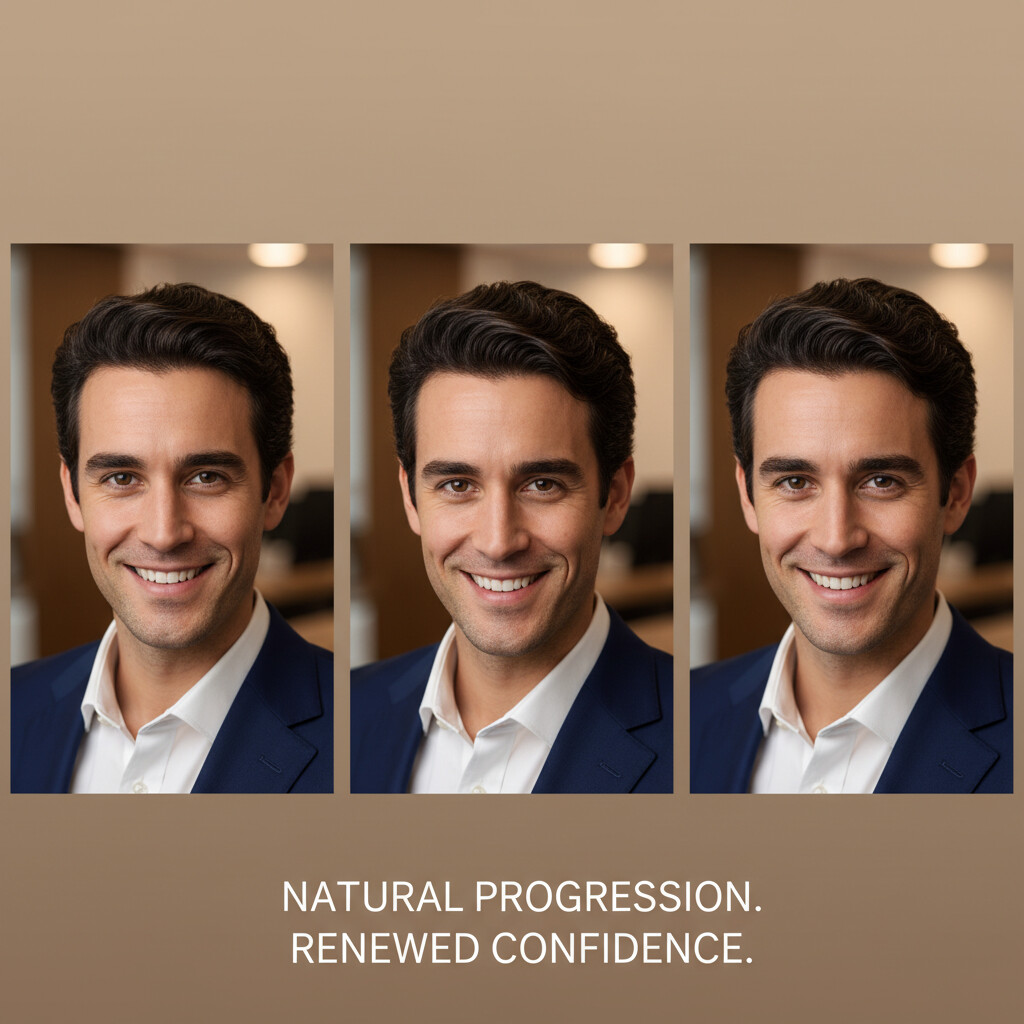
It’s important to understand that hair restoration is a gradual process. While the transplanted hair is immediately in place, it goes through natural growth cycles. You will typically see noticeable results over several months, with the final outcome becoming apparent around 12-18 months post-treatment. This timeline allows for natural maturation and integration of the new hair. Patience is rewarded with results that look increasingly natural over time.

Long-Term Outlook and Maintenance
Successful hair restoration provides enduring results. However, it’s essential to remember that the underlying condition of hair loss may continue in non-treated areas. Professionals may discuss ongoing non-surgical options to maintain the health and appearance of your existing hair. The goal is a comprehensive approach to hair health, ensuring your restored hair integrates seamlessly with your natural hair for years to come. This long-term perspective is vital for sustained satisfaction.
Common Questions About Hair Restoration
Q1: How do I know if I am a good candidate for hair restoration?
A: Candidacy is determined through a professional assessment. Factors such as the extent of hair loss, donor hair availability, and your overall health are evaluated. Specialists will provide a clear recommendation based on your individual circumstances and goals during a consultation.
Q2: Will the results look natural?
A: When performed by experienced professionals, hair restoration results are designed to look entirely natural. The key is meticulous planning of the hairline, density, and angle of hair placement to match your existing hair and facial features.
Q3: Is the procedure painful?
A: The procedure is performed with local anesthesia, ensuring a comfortable experience. Professionals prioritize your comfort throughout the process and utilize techniques designed to minimize any sensation.
Q4: How much downtime is typically involved?
A: Most individuals can return to their normal daily activities relatively quickly. The medical team will provide specific post-treatment guidance tailored to your procedure, but generally, the recovery is designed to allow a smooth return to routine.
Discussion Section
Hair restoration is a significant decision, and sharing experiences can be incredibly valuable for others considering the journey. We encourage our community members to share their insights and perspectives.
- What factors were most important to you when selecting a hair restoration professional or clinic?
- How did you manage your expectations during the waiting period for visible results?
- For those who have undergone treatment, what advice would you give to someone just starting their research?
Medical Disclaimer
This guide provides general information and should not be considered a substitute for professional medical advice. The outcome of hair restoration can vary significantly from individual to individual. A thorough consultation and assessment by a qualified medical professional are essential to determine the most appropriate treatment plan for your specific needs and to understand the potential risks and benefits involved. No guarantees are made regarding specific results.