
Choosing the right path to address hair thinning or loss is a significant decision, especially for mature adults who value clarity, confidence, and predictable outcomes. As you consider your options, you may encounter terms like ‘hair transplant’ and ‘hair implant.’ While often used interchangeably in casual conversation, understanding the precise difference between these approaches is crucial for making an informed choice that aligns with your expectations for natural-looking, long-term results. This guide aims to provide that clarity.
At its core, hair restoration is about strategically repositioning healthy, active hair follicles from one area of your scalp to areas experiencing thinning or baldness. The goal is to create a fuller, more natural appearance that stands the test of time. The primary distinction lies in the methodology used to achieve this.
Hair Transplants: A Natural Relocation Process
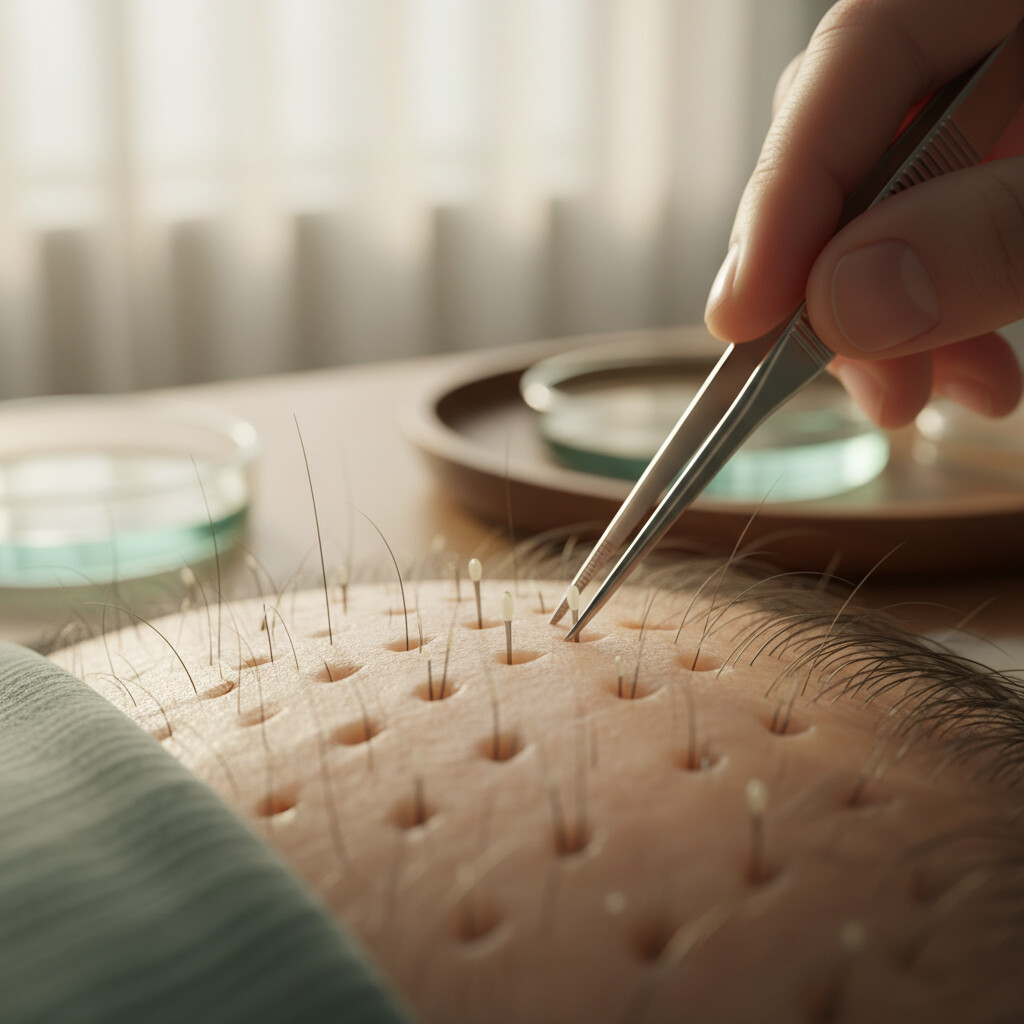
A hair transplant is a medical procedure where hair follicles are surgically removed from a donor area—typically the back or sides of the head, where hair is genetically resistant to thinning—and then carefully placed into the recipient area. This is a process of relocating your own natural hair. The most common techniques used in modern hair transplantation are Follicular Unit Transplantation (FUT) and Follicular Unit Extraction (FUE).
- Follicular Unit Transplantation (FUT): In this method, a thin strip of scalp tissue containing hair follicles is removed from the donor area. The strip is then dissected under magnification by a skilled team to isolate individual follicular units. These units are subsequently transplanted into tiny incisions made in the thinning areas. FUT often allows for the transplantation of a larger number of grafts in a single session, making it a suitable option for individuals with significant hair loss.
- Follicular Unit Extraction (FUE): FUE involves the individual extraction of follicular units directly from the donor area using micro-surgical instruments. Each follicle is removed one by one. These extracted units are then prepared and transplanted into the recipient areas, much like in FUT. FUE is known for its minimally invasive nature, often resulting in less noticeable scarring in the donor area, which can be a significant advantage for those who prefer shorter hairstyles.
Both FUT and FUE are established and highly effective methods for hair restoration. The choice between them often depends on individual hair loss patterns, donor hair availability, lifestyle preferences, and the specific recommendations of your hair restoration specialist.
Hair Implants: A Term Often Misunderstood
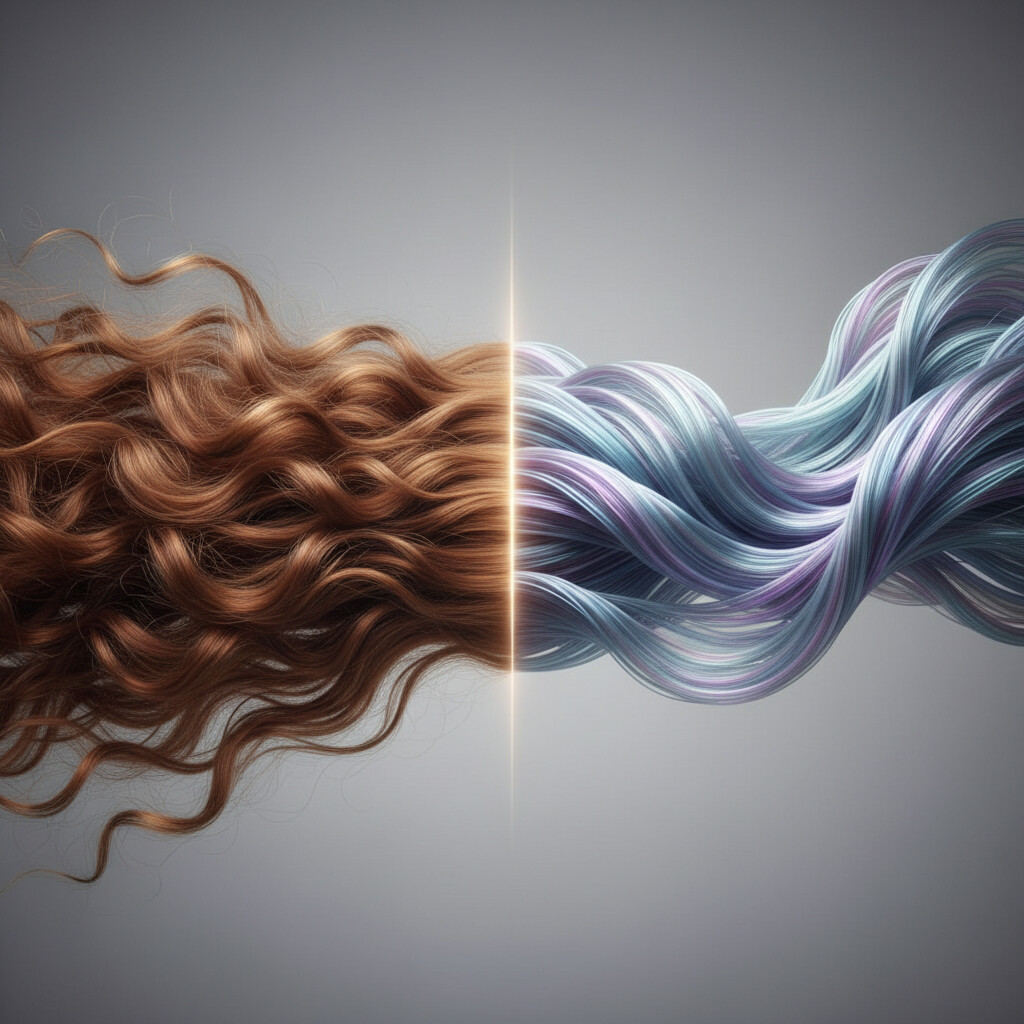
The term ‘hair implant’ can be a source of confusion. In a medical context, ‘implant’ typically refers to inserting an artificial object or substance into the body. When people refer to ‘hair implants,’ they are often mistakenly using it to describe hair transplantation, which, as explained above, involves transplanting natural hair follicles.
There are, however, artificial hair implant procedures, sometimes referred to as ‘synthetic hair implantation’ or ‘hair fiber implantation.’ These methods involve inserting synthetic fibers into the scalp to mimic the appearance of natural hair. While these procedures can offer an immediate aesthetic improvement, they are generally considered a temporary solution and come with different considerations compared to natural hair transplantation:
- Artificiality: Synthetic fibers do not grow, shed, or change over time as natural hair does. This can sometimes lead to an unnatural appearance as time passes or if the fibers shift.
- Maintenance: The synthetic fibers may require specific care and can wear out over time, necessitating repeat procedures to maintain the aesthetic.
- Potential Complications: Like any procedure involving foreign materials in the body, synthetic implants carry risks such as infection, inflammation, or allergic reactions. The scalp may also react to the foreign body over time, potentially leading to scarring or further hair loss.
- Limited Long-Term Solution: Due to these factors, synthetic hair implantation is often not recommended as a permanent solution for progressive hair loss. It is more commonly used for specific cosmetic purposes or by individuals who are not candidates for or do not wish to undergo a natural hair transplant.
Why Natural Hair Transplantation is the Preferred Choice for Lasting Results
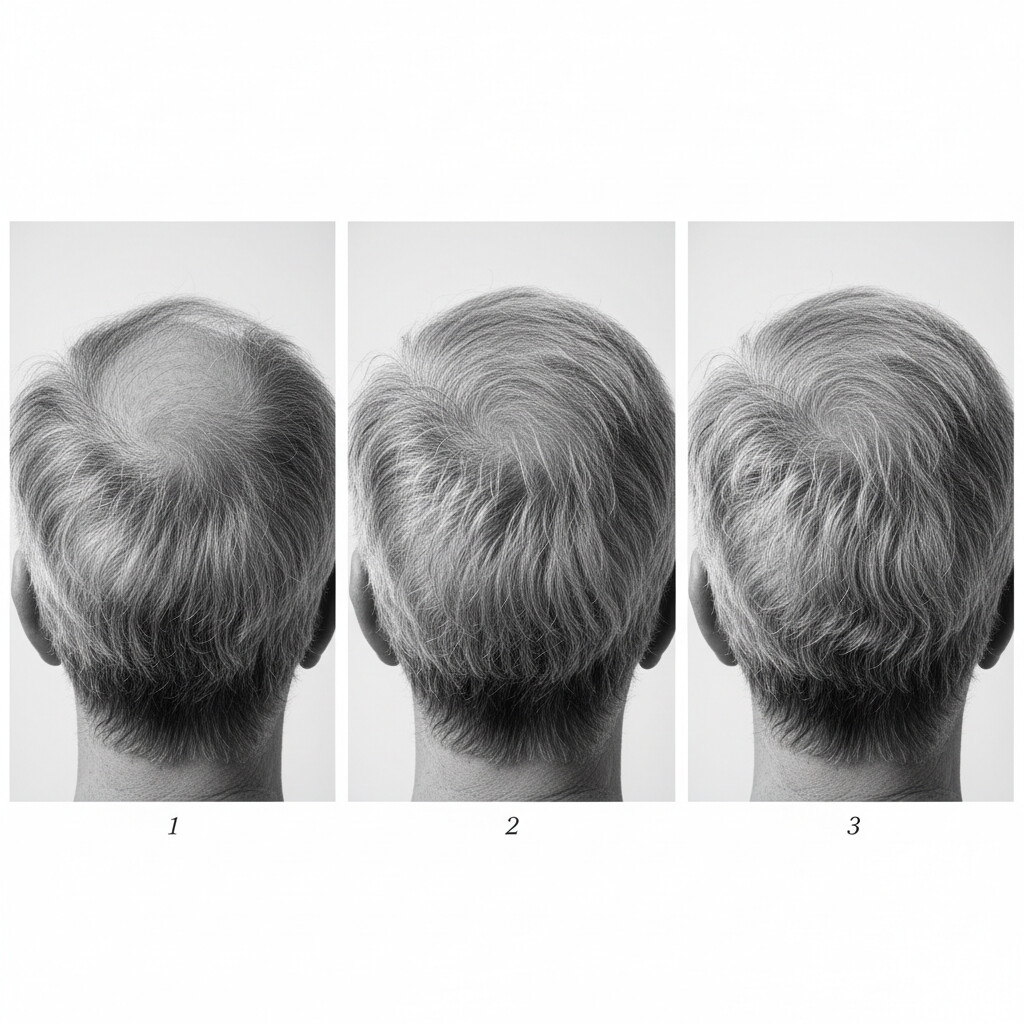
For adults aged 35 and above seeking a reliable and permanent solution for hair loss, natural hair transplantation (both FUT and FUE) is the gold standard. Here’s why:
- Natural Growth: The transplanted hair grows, looks, and feels like your original hair because it is your original hair. It cycles through growth, rest, and shedding phases naturally.
- Permanent Solution: When performed correctly, hair transplantation provides a permanent solution. The relocated follicles are resilient and continue to produce hair for a lifetime.
- Predictable and Natural Aesthetics: Skilled specialists focus on creating a natural hairline and density that complements your facial features, ensuring results that are virtually indistinguishable from natural growth.
- Minimal Risk Profile: Compared to synthetic implants, the risks associated with natural hair transplantation are significantly lower when performed in a professional, sterile environment by experienced surgeons.
- Increased Confidence and Quality of Life: Restoring your natural hair can significantly boost self-esteem and provide a lasting sense of confidence, allowing you to live without the constant worry of thinning hair.
The Consultation Process: Your Path to Informed Decision-Making

Navigating the options for hair restoration can feel complex. The most crucial step is a comprehensive consultation with a qualified hair restoration specialist. During this consultation, your specialist will:
- Assess the extent and pattern of your hair loss.
- Evaluate your donor hair density and quality.
- Discuss your aesthetic goals and expectations.
- Explain the different transplantation techniques (FUT, FUE) in detail, including the procedure, recovery, and expected outcomes.
- Answer all your questions, ensuring you have a complete understanding of the process.
- Provide a personalized treatment plan tailored to your unique needs.
Understanding the difference between hair transplants (relocating your own hair) and hair implants (often referring to synthetic fibers, which carry different risks and outcomes) is fundamental. For durable, natural, and confidence-boosting results, natural hair transplantation is the scientifically proven and medically recommended approach for addressing hair loss in mature adults.
We are committed to providing you with the most advanced and effective hair restoration solutions. Our experienced team is here to guide you through every step, ensuring a comfortable experience and exceptional, lifelong results.