
What this guide will explain
- What hair texture is and why it matters.
- Common reasons hair texture might change post-transplant.
- What to expect regarding texture and how to manage it.
- How natural outcomes are achieved with careful planning.
- When to discuss texture concerns with your specialist.
Introduction
Experiencing changes in hair texture following a hair transplant is a common observation for many individuals. As the hair restoration process progresses and new hair begins to grow, it’s natural to notice differences in how the hair feels and looks compared to your original hair. This guide is designed for individuals aged 35 and above who have undergone or are considering a hair transplant and are seeking clear, factual information about potential changes in hair texture.
Our aim is to provide a calm, reassuring, and educational overview. We will focus on understanding the underlying reasons for these texture variations, what realistic expectations should be, and how to approach any concerns with your medical team. This information is intended to empower you with knowledge, helping you feel more informed and confident throughout your hair restoration journey.
Understanding Hair Texture and Potential Changes
Hair texture refers to the feel and appearance of individual hair strands – whether they are fine, coarse, straight, wavy, or curly. It’s a fundamental characteristic that contributes to the overall look and feel of your hair. After a hair transplant, it’s not uncommon for the transplanted hair to initially grow in with a different texture than the surrounding or original hair. This can manifest in various ways: hair might seem finer, coarser, straighter, or even curlier than before. Several factors contribute to these observed changes, all of which are typically temporary and part of the natural growth cycle of transplanted follicles.
Why Texture Changes Can Occur
Several factors contribute to why transplanted hair might initially exhibit a different texture. Understanding these can help manage expectations and reduce anxiety.
Follicle Shock and Recovery
When hair follicles are transplanted, they go through a period of shock and recovery. Similar to how hair sheds naturally after a transplant (known as ‘shock loss’), the initial growth phase can sometimes produce hair that differs in texture. This is a temporary response as the follicle re-establishes itself in its new location and begins to produce hair consistently. The body’s natural healing and adaptation process plays a significant role here.

Blood Supply and Nutrition
Upon transplantation, the follicles are revascularized, meaning new blood vessels grow to supply them with nutrients and oxygen. The quality of blood flow and nutrient delivery can influence the characteristics of the new hair shaft. As the scalp fully heals and circulation optimizes, the hair texture typically normalizes to a state closer to the original, although subtle variations can persist.
Individual Healing Responses
Every individual’s body heals and adapts differently. Factors such as genetics, age, overall health, and even the specific technique used during the hair transplant can influence how the transplanted follicles respond and how the new hair grows. These individual variations are normal and are a key reason why results can look unique from person to person.
Managing Expectations and What to Expect
When considering or undergoing a hair transplant, it’s important to have realistic expectations regarding the timeline and the appearance of new growth. While the ultimate goal is a natural and full-looking head of hair, the journey involves several stages.
Initial Growth Phase
In the months following the procedure, transplanted hairs will begin to emerge. As mentioned, this initial growth may exhibit different textures. This is a sign of successful engraftment and the beginning of the growth cycle. It is crucial to remember that this is often a transient phase.
Maturation of Hair
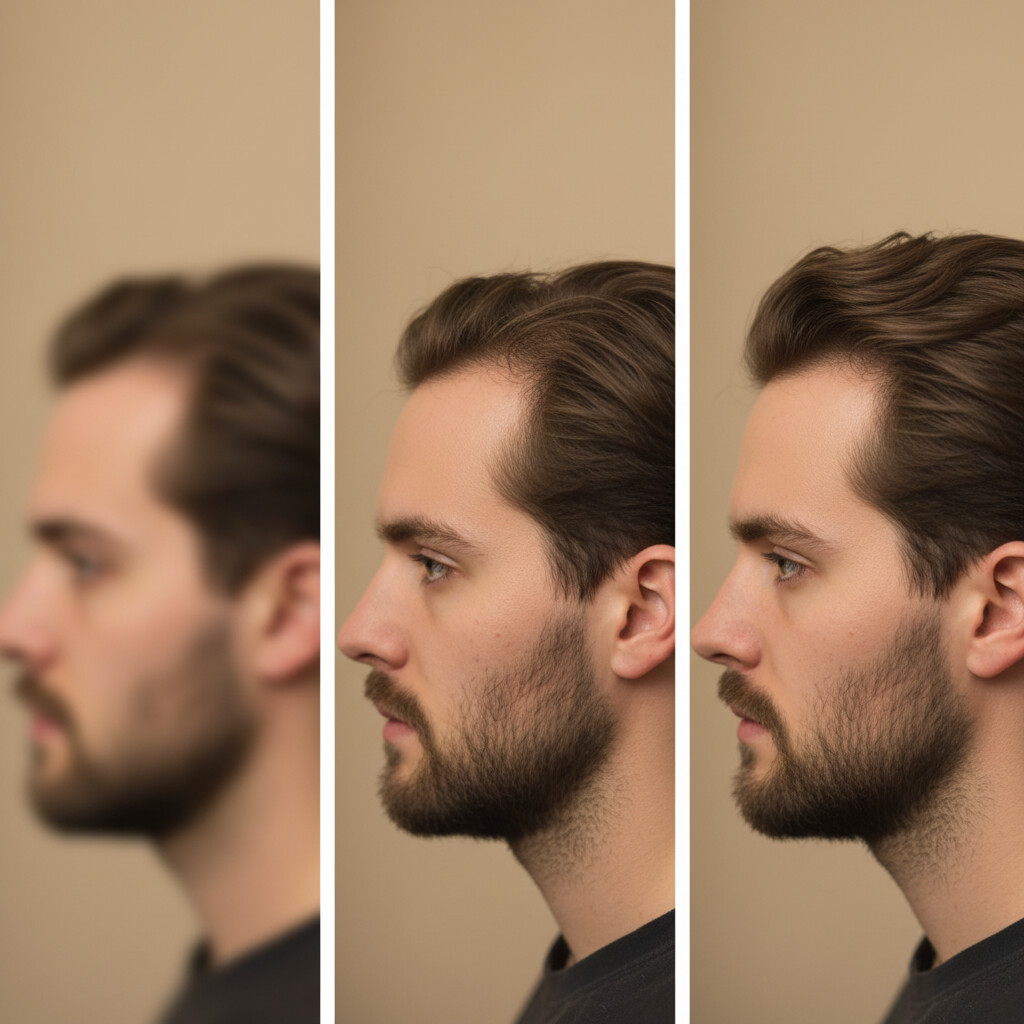
Over time, typically within 12 to 18 months post-procedure, the transplanted hairs mature. As they grow longer and the follicles settle into their new environment, the texture often becomes more consistent and closer to the surrounding native hair. Patience is key during this maturation period. The hair needs time to establish its natural growth pattern and characteristics.
Long-Term, Natural-Looking Outcomes
The goal of any reputable hair restoration procedure is to achieve results that are both aesthetically pleasing and natural-looking. Specialists focus on careful planning, precise placement, and understanding the characteristics of your original hair to ensure the transplanted hair blends seamlessly. While initial texture variations can occur, the long-term aim is for the restored hair to possess a texture that is harmonious with your existing hair.

Choosing a skilled and experienced surgeon is paramount. They will assess your hair characteristics, including texture, density, and color, to create a personalized treatment plan. This meticulous approach helps ensure that the restored hair not only looks natural but also feels natural over time.
Practical Considerations
Planning and Decision-Making
Before undergoing a hair transplant, comprehensive consultation is essential. During this phase, discuss your concerns about hair texture and density with your surgeon. They can provide insights into what you can realistically expect based on your specific hair type and the planned procedure. Understanding the process, including the typical post-operative phases, is vital for making an informed decision.
Typical Timelines
While specific timelines vary, expect the initial growth to begin several months after the procedure. Noticeable texture changes are most common during this early growth phase. Full maturation of the transplanted hair, including texture normalization, usually takes 12 to 18 months. Patience is a critical component of the hair restoration journey.
Comfort and Expectations
Post-operative comfort is a priority for reputable clinics. While there is a recovery period, it is generally manageable. Setting realistic expectations about the growth process, including potential temporary texture variations, is crucial for satisfaction. Focus on the long-term goal of natural-looking restoration rather than solely on immediate post-operative appearances.
Long-Term, Natural-Looking Outcomes
The success of a hair transplant is measured by its ability to provide enduring, natural-looking results. This means the transplanted hair should not only match in color and density but also in texture and growth pattern with your existing hair. Experienced practitioners use techniques that prioritize this long-term harmony, ensuring that the restored hair integrates flawlessly.
Common Questions
Q1: Will my transplanted hair always feel different?
A1: Not necessarily. While transplanted hair might initially grow with a different texture due to the physiological response of the follicles, this often normalizes over time, usually within 12-18 months, as the hair matures. Many individuals find the texture becomes indistinguishable from their original hair.
Q2: Can anything be done to change the texture of transplanted hair if it remains different?
A2: Typically, medical interventions are not required. The focus is on allowing the transplanted hair to mature naturally. However, if significant and persistent texture differences cause concern, discuss this with your hair restoration specialist. They can assess the situation and offer guidance, which might include styling advice or reassurance based on the expected outcomes.
Q3: Is a change in hair texture a sign of a failed transplant?
A3: No, a temporary change in hair texture is generally not an indicator of a failed transplant. It is often a normal part of the growth cycle and healing process. Successful engraftment and the emergence of new hair are positive signs, even if the initial texture is slightly different.
Q4: Why might transplanted hair be coarser than my original hair?
A4: This can occur due to various factors, including the specific characteristics of the donor hair selected, the initial shock and recovery phase of the follicle, and the scalp’s healing environment. As the hair matures, its texture often softens and becomes more aligned with your native hair.
Discussion Section
We encourage you to share your experiences and insights regarding hair texture changes after a hair transplant. Your perspective can be valuable to others navigating this journey.
- Have you noticed any changes in your hair texture after your transplant? If so, how would you describe the difference, and when did you first observe it?
- How long did it take for the texture of your transplanted hair to feel more like your original hair, or has it remained different? What strategies, if any, did you use to manage this?
- What advice would you give to someone who is concerned about potential hair texture changes before or after their procedure?
Medical Disclaimer
This content is for informational purposes only and does not constitute medical advice. Hair restoration is a medical procedure, and individual results and experiences can vary significantly. It is essential to consult with a qualified and experienced hair restoration specialist to discuss your specific situation, understand potential risks and benefits, and determine the most appropriate course of action for your needs. Always seek the advice of your physician or other qualified health provider with any questions you may have regarding a medical condition.