
What this guide will explain
- What seasonal shedding is and how it differs from permanent hair loss.
- How seasonal shedding can influence the perception of hair transplant results.
- Realistic expectations regarding hair growth cycles post-transplant.
- The role of professional consultation in managing hair health and transplant outcomes.
- Long-term considerations for maintaining hair density and appearance.
Introduction
As individuals approach and move through their 30s and beyond, concerns about hair density and appearance often become more prominent. For many, a hair transplant is a considered solution. However, understanding the natural fluctuations in hair growth, such as seasonal shedding, is crucial for managing expectations and appreciating the long-term success of a hair restoration journey. This guide is designed for adults aged 35 and above who are exploring or have undergone hair restoration, aiming to provide clear, calm insights into how seasonal hair shedding can interact with the hair transplant process. We will focus on demystifying these natural cycles and ensuring you have a grounded understanding of what to expect.
This information is intended for mature individuals who value informed decision-making and long-term, natural-looking results. We aim to provide clarity on a topic that can sometimes cause confusion or unnecessary concern. By understanding the interplay between natural hair cycles and the hair transplant procedure, you can approach your hair restoration with greater confidence and realistic expectations.
Understanding Seasonal Shedding
Seasonal shedding, sometimes referred to as telogen effluvium related to seasons, is a natural physiological process experienced by many individuals, though its intensity varies greatly. It’s characterized by a temporary increase in hair shedding during specific times of the year, typically in autumn and spring. This phenomenon is thought to be influenced by changes in daylight hours and hormonal shifts, mimicking the shedding patterns seen in some animals to adapt their coat for different seasons. It’s important to distinguish this temporary shedding from more permanent forms of hair loss like androgenetic alopecia (male or female pattern baldness), which requires a different approach.
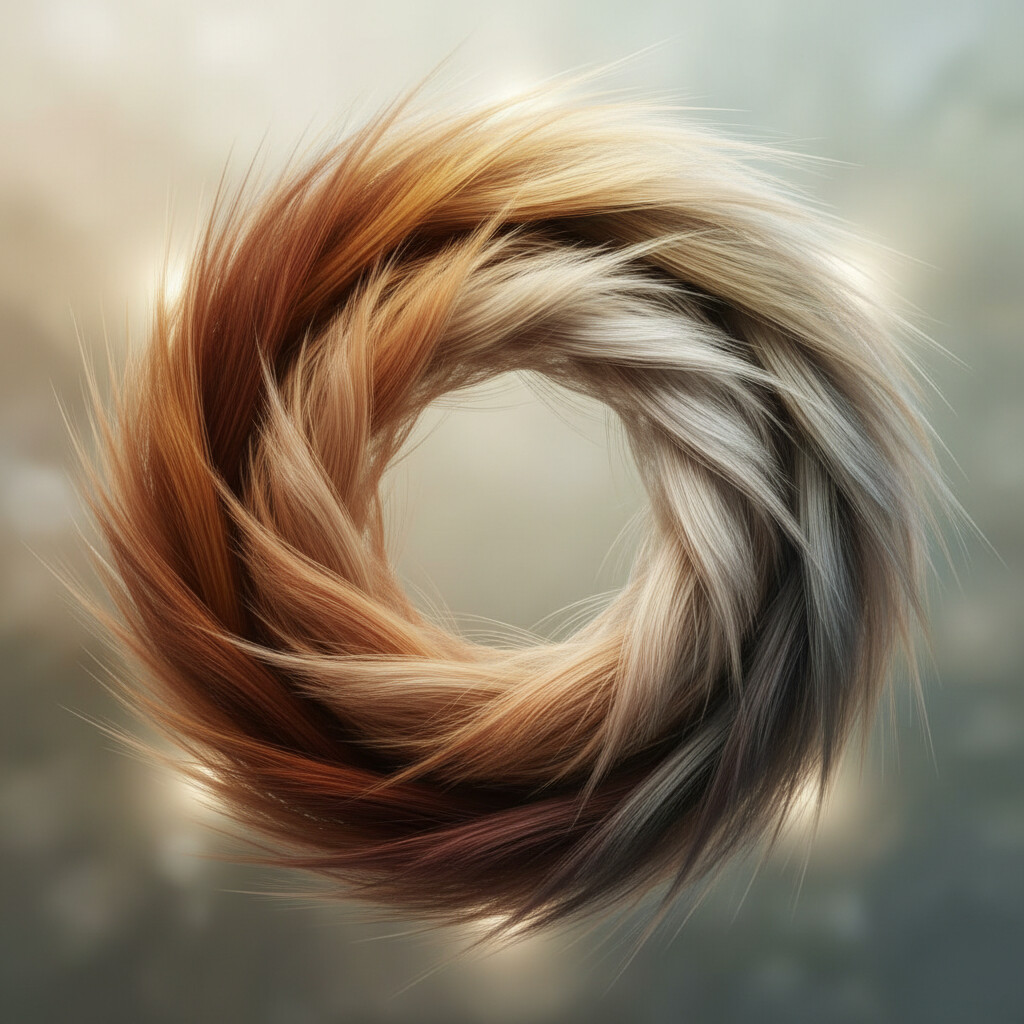
During periods of seasonal shedding, individuals might notice more hair in their brush, on their pillow, or in the shower drain. This increased shedding phase is usually followed by a regrowth phase. For individuals who have undergone a hair transplant, this natural shedding can sometimes be misinterpreted as a sign of the procedure failing or a return of hair loss. However, understanding that your native hair also goes through these cycles helps in contextualizing any perceived changes in density. The transplanted hairs themselves follow their own growth cycle, which is largely independent of these seasonal fluctuations, though the overall appearance can be temporarily affected by the shedding of surrounding native hairs.
Seasonal Shedding vs. Hair Transplant Outcomes
The hair transplant process involves carefully relocating hair follicles from a donor area to the areas experiencing thinning or baldness. These transplanted follicles enter a resting phase before new hair begins to grow, typically several months after the procedure. The new hair then grows naturally. The results of a hair transplant are evaluated over months and years, not weeks or days.
When seasonal shedding occurs, it primarily affects the native, non-transplanted hairs. You might observe a thinning of the hair around the transplanted areas. This can create the temporary impression that the transplanted hairs are not growing or that the overall density has decreased. However, the transplanted follicles are generally robust and continue their growth cycle unaffected by seasonal shifts. The key is patience and understanding that the full visual impact of a hair transplant is realized once the transplanted hairs have grown and the native hair cycle stabilizes.

It is vital to remember that the growth cycle of transplanted hair is distinct. After the initial shedding of the transplanted hairs (which is normal), they enter a growth phase. Seasonal shedding affects the existing hair cycle. Therefore, if you experience increased shedding during autumn or spring after a transplant, it is most likely your native hair, not the transplanted grafts. This temporary thinning of native hair can be managed by maintaining a calm perspective and trusting the established timeline for transplant results.
Realistic Expectations and Timelines
Managing expectations is paramount for anyone considering or undergoing a hair transplant. The journey is a marathon, not a sprint. Following a hair transplant, there’s an initial period where transplanted hairs are shed. This is a normal part of the process, making way for new growth. New hair growth typically becomes noticeable around 3-5 months post-procedure, with more significant results appearing at 6-9 months, and final results often seen around 12-18 months.
Seasonal shedding adds another layer to consider. If your seasonal shedding coincides with the early stages of your transplant’s growth phase, you might experience periods where the thinning of native hair makes the emerging transplanted hair less apparent. Patience is key. Avoid drawing conclusions about the success of your transplant during these transient periods. Focus on the long-term visual transformation, which unfolds gradually over time. A qualified hair restoration professional will guide you through these phases, helping you differentiate between normal shedding and potential concerns.
It’s also important to maintain overall hair health. This includes a balanced diet, proper scalp care, and avoiding harsh treatments that could stress both native and transplanted hair. By focusing on holistic hair health and adhering to the recommended post-procedure care, you support the best possible outcome for your hair restoration.
Practical Considerations
Planning and Decision-Making:
When considering a hair transplant, especially if you are prone to seasonal shedding, discuss this with your specialist. Understanding your hair’s natural tendencies can help in tailoring the treatment plan and setting appropriate expectations. A thorough consultation will assess your hair loss pattern, donor density, and hair cycle to create a personalized strategy.
Typical Timelines:
Remember that hair transplant results mature over 12-18 months. Seasonal shedding phases are temporary, usually lasting a few weeks to a couple of months. Integrating these timelines means understanding that any perceived density changes due to seasonal shedding during the early months of transplant growth are usually transient.
Comfort and Expectations Overview:
The hair restoration process is designed for comfort. Post-procedure, any discomfort is typically mild and manageable. The most significant aspect is managing psychological expectations. Recognizing that hair has cycles, both naturally and post-transplant, helps in maintaining a positive outlook. Trust the process and the expertise of your medical team.
Long-Term, Natural-Looking Outcomes:
The goal of modern hair transplantation is to achieve results that are both dense and natural-looking, indistinguishable from your original hair. This is achieved through meticulous technique and understanding of hair growth dynamics. By being informed about factors like seasonal shedding, you can better appreciate the journey and enjoy the sustained, natural appearance of your restored hair.
Common Questions
Q1: Will seasonal shedding cause my transplanted hair to fall out?
A1: No, seasonal shedding typically affects your native hair follicles. Transplanted follicles have a different cycle and are generally more resilient. While the appearance of thinning might be temporarily influenced by the shedding of surrounding native hair, the transplanted hairs themselves are not expected to fall out due to seasonal changes.
Q2: How can I tell if increased shedding is seasonal or a sign of transplant failure?
A2: If the shedding is widespread across your scalp, affects your native hair more noticeably, and is temporary, it’s likely seasonal. Transplant failure is typically indicated by a lack of growth from transplanted areas over many months, rather than temporary shedding. Discuss any concerns with your specialist; they can assess the situation accurately.
Q3: Should I avoid getting a hair transplant during certain seasons?
A3: The timing of the procedure is less critical than the expertise of the clinic and your commitment to post-operative care. While you might experience seasonal shedding around the time of your transplant’s growth phase, this is a manageable factor. Focus on choosing a reputable clinic and surgeon rather than timing the procedure strictly based on seasons.
Q4: What can I do to minimize the appearance of shedding during these periods?
A4: Maintaining good scalp health, using gentle hair care products, and focusing on a healthy lifestyle can support overall hair strength. Some individuals find styling techniques can help camouflage temporary thinning. For concerns around the time of a transplant, open communication with your specialist is the best approach.
Discussion Section
We encourage members to share their experiences in a respectful and informative manner. Understanding how natural hair cycles interact with the hair restoration journey can be invaluable for others.
- Have you noticed seasonal shedding affecting the appearance of your hair, particularly around the time your transplanted hair began to grow? How did you manage your expectations during that period?
- For those who have experienced both significant seasonal shedding and hair transplantation, what similarities or differences did you observe in the shedding process and subsequent regrowth?
- What advice would you give to someone considering a hair transplant who is concerned about how natural fluctuations in hair density might impact their results or perception of progress?
Medical Disclaimer
This content is for informational purposes only and does not constitute medical advice. Hair loss and hair restoration are complex issues that vary significantly from individual to individual. The information provided here is not a substitute for professional medical evaluation, diagnosis, or treatment. Always seek the advice of your qualified healthcare provider or hair restoration specialist with any questions you may have regarding a medical condition or treatment options. Never disregard professional medical advice or delay in seeking it because of something you have read on this website. Individual results may vary, and no guarantees are made regarding specific outcomes.