
A Lifelong Journey of Appearance
As we move through life, our appearance naturally evolves. For many men, a receding hairline or thinning hair becomes a significant concern around and after the age of 35. This is a common part of the aging process, but it doesn’t have to be a source of distress. Hair restoration has advanced considerably, offering solutions that can help restore a more youthful and confident appearance. This guide is designed for individuals in their mid-30s and beyond who are considering hair restoration and want to understand how these procedures interact with the natural aging process of the face. We aim to provide clear, calm, and realistic information to help you make informed decisions.
Understanding the interplay between hair restoration and facial aging is crucial for setting appropriate expectations and achieving satisfying, long-term results. It’s not just about replacing lost hair; it’s about creating a harmonious balance that complements your features as they mature. This content will equip you with the knowledge to approach hair restoration thoughtfully, considering not only the immediate outcome but also how it will integrate with your appearance in the years to come.
What this guide will explain:
- The natural changes in hair and facial structure as we age.
- How hair restoration techniques are designed to create natural-looking results.
- Key considerations for planning a hair transplant that aligns with facial aging.
- Understanding the typical recovery and long-term outlook.
- Addressing common questions about hair restoration for mature adults.
The Natural Evolution: Hair and Facial Changes Over Time
Aging affects us all, and our hair and facial features are no exception. Around and after the age of 35, many men begin to notice a gradual change in their hairline, often characterized by a higher forehead or thinning at the crown. This is typically due to genetic factors and hormonal shifts. Simultaneously, the face itself undergoes changes. Skin elasticity decreases, leading to subtle shifts in facial contours, such as less defined jawlines or the emergence of fine lines and wrinkles.
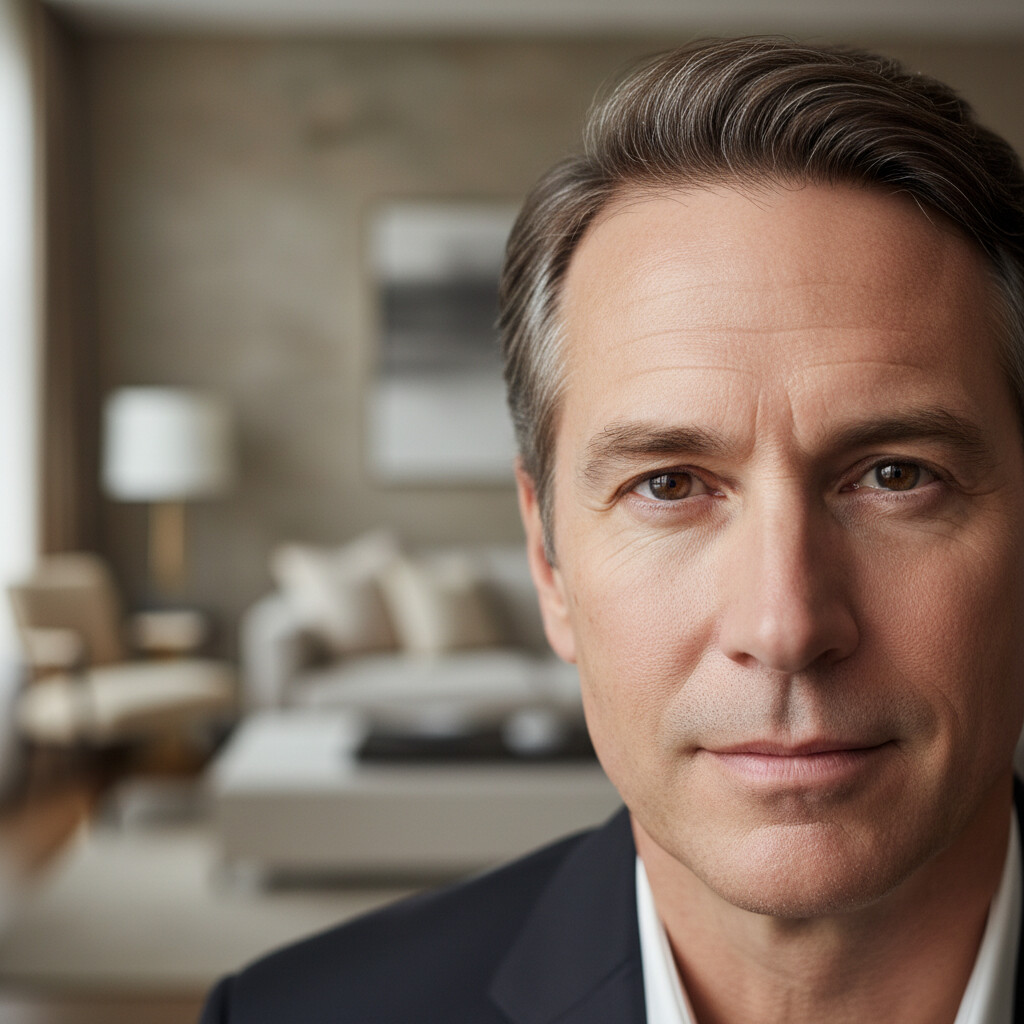
These changes are entirely normal and part of a healthy aging process. The key to successful hair restoration lies in understanding these concurrent developments. A well-planned procedure considers the existing and potential future changes in both the hairline and the face to ensure the final result looks harmonious and age-appropriate. The goal is not to revert to a youthful appearance of 20 years ago but to achieve a refreshed, natural look that enhances your current features.
Creating Natural Harmony: Hair Restoration Principles
Modern hair restoration focuses on creating results that are virtually indistinguishable from naturally growing hair. This involves meticulous planning and precise execution. Instead of simply filling in areas, specialists consider the density, angle, and direction of existing hair to create a seamless blend. The aim is to design a hairline that complements your facial structure and looks natural as your face continues to age.

Techniques used today prioritize natural density and a soft, age-appropriate hairline. This means avoiding overly sharp or low hairlines that might look unnatural on a mature face or become problematic as aging progresses. The focus is on restoring a frame for the face that appears balanced and in sync with your overall appearance. The skill of the medical team in understanding aesthetic principles is as important as the technical aspects of the procedure itself.
Practical Considerations for Mature Adults
When considering hair restoration at 35 or older, several practical aspects deserve careful thought:
Planning and Decision-Making
Your initial consultation is the most critical step. A thorough assessment by an experienced professional will evaluate your hair loss pattern, the health of your scalp, and your facial structure. They will discuss your goals and explain what is realistically achievable. It’s important to have an open conversation about your expectations and any concerns you may have regarding how the results will integrate with your aging face. A good plan considers the long-term perspective, anticipating how your appearance might change over the next decade and beyond.
Timelines and Expectations
Hair restoration is a gradual process. While the procedure itself is a single event, the visible results emerge over several months. You can expect initial healing to be straightforward, followed by a period where transplanted hairs shed before new growth begins. The full results typically become apparent within 12 to 18 months. It’s important to be patient and understand that this timeframe is necessary to achieve natural-looking density and growth. Managing expectations during this waiting period is key to satisfaction.
Comfort and Recovery Overview
Modern hair restoration techniques are designed with patient comfort in mind. Procedures are typically performed under local anesthesia, and most individuals find the experience manageable. Recovery is generally straightforward, with most people able to return to their normal activities within a few days to a week. Some mild discomfort or swelling might occur initially, but this subsides quickly. Your medical team will provide detailed post-procedure instructions to ensure a smooth recovery and optimal healing.
Long-Term, Natural-Looking Outcomes
The ultimate goal is a result that looks natural and ages gracefully with you. This means achieving a hairline that is appropriate for your age and facial features, and ensuring the density and placement of the transplanted hair blend seamlessly with your existing hair. A well-executed hair transplant should enhance your appearance without drawing undue attention to the procedure itself. It should give you a renewed sense of confidence that lasts for years to come.

Common Questions About Hair Restoration and Aging
Q1: Will a hair transplant make me look unnaturally young?
Not if planned correctly. The focus today is on creating age-appropriate results that enhance, rather than drastically alter, your appearance. A skilled professional will design a hairline that complements your mature facial features, avoiding an overly youthful or artificial look. The goal is a refreshed appearance that feels authentic to you.
Q2: How does hair loss affect my face as I age, and how does a transplant address this?
As the hairline recedes with age, it can change the perceived proportions of the face, sometimes making the forehead appear larger or altering the balance of features. Hair restoration aims to re-establish a balanced facial frame by lowering or reshaping the hairline. This can soften the appearance of aging and create a more harmonious look, working with your facial structure rather than against it.
Q3: Is there an ideal age to consider hair restoration if I’m noticing thinning?
There isn’t a single ‘ideal’ age. Many men begin noticing changes in their 30s. The key factor is the progression of hair loss and your readiness for the planning and recovery process. It’s more about the stability of your hair loss pattern and your personal goals than a specific birthday. Consulting with a specialist can help determine if it’s the right time for you.
Q4: How long do the results of a hair transplant typically last, especially considering I will continue to age?
When performed with modern techniques, the transplanted hair itself is permanent. The hairs taken from the donor area are genetically resistant to balding. However, you will continue to experience natural aging and potential further thinning of non-transplanted hair. A good hair restoration plan anticipates this by using the donor hair conservatively and often involves managing expectations about future non-transplanted hair loss. This ensures the restored area remains balanced with your overall hair pattern over time.
Discussion: Your Hair Restoration Journey and Aging
Sharing experiences can be incredibly valuable for others considering hair restoration. We encourage you to engage in thoughtful discussion below:
- For those who have undergone hair restoration over the age of 35, how did you find the planning process considered your facial aging?
- What has been your experience with the long-term results and how they have integrated with your changing facial features over the years?
- What advice would you give to someone in their late 30s or 40s who is contemplating hair restoration but is concerned about appearing unnatural as they age?
Medical Disclaimer
This content is intended for informational purposes only and does not constitute medical advice. Hair restoration is a medical procedure, and outcomes can vary significantly between individuals. It is essential to consult with a qualified and experienced hair restoration specialist to discuss your specific situation, medical history, and suitability for any treatment. They can provide a personalized assessment and recommend the most appropriate course of action for your unique needs.