
This guide explores hair restoration options specifically for men experiencing a receding hairline. It’s designed for individuals aged 35 and above who are considering their options and seeking natural, lasting results. We aim to provide clear, calm information to help you make an informed decision about whether a hair transplant is the right path for you.
What this guide will explain:
- The core concept of hair transplantation for hairline correction.
- How the process focuses on achieving natural-looking results.
- Key considerations before deciding on a procedure.
- What to expect regarding timelines and the overall experience.
- The importance of realistic expectations for long-term outcomes.
What is Hair Transplantation for a Receding Hairline?
Hair transplantation is a medical procedure that involves carefully relocating hair follicles from one area of the scalp to another. For men with a receding hairline, the primary goal is to restore a fuller appearance and create a more youthful, natural-looking hairline. This is achieved by transplanting hair follicles, which are genetically resistant to thinning, from the back and sides of the head to the areas where hair is thinning or has been lost at the front.
The process is meticulous, focusing on the angle, direction, and density of the transplanted hair to ensure it blends seamlessly with your existing hair. The aim is always to achieve results that are not only effective but also aesthetically pleasing and undetectable as having undergone a procedure.

Who is This Information For?
This information is intended for adult men, generally aged 35 and above, who have noticed their hairline receding. You may be feeling self-conscious about this change and are exploring potential solutions. This guide is for you if you are seeking:
- A clear understanding of what a hair transplant procedure entails for hairline restoration.
- Realistic expectations about the process, recovery, and long-term results.
- Information to help you compare hair transplantation with other potential solutions.
- To feel more confident and informed when discussing options with a medical professional.
We understand that this is a significant decision, and our goal is to provide you with the knowledge you need to approach it with confidence and clarity.
Focusing on Natural-Looking Results
The cornerstone of successful hair transplantation, especially for hairline correction, is achieving a natural appearance. This involves several key principles:
Aesthetic Design
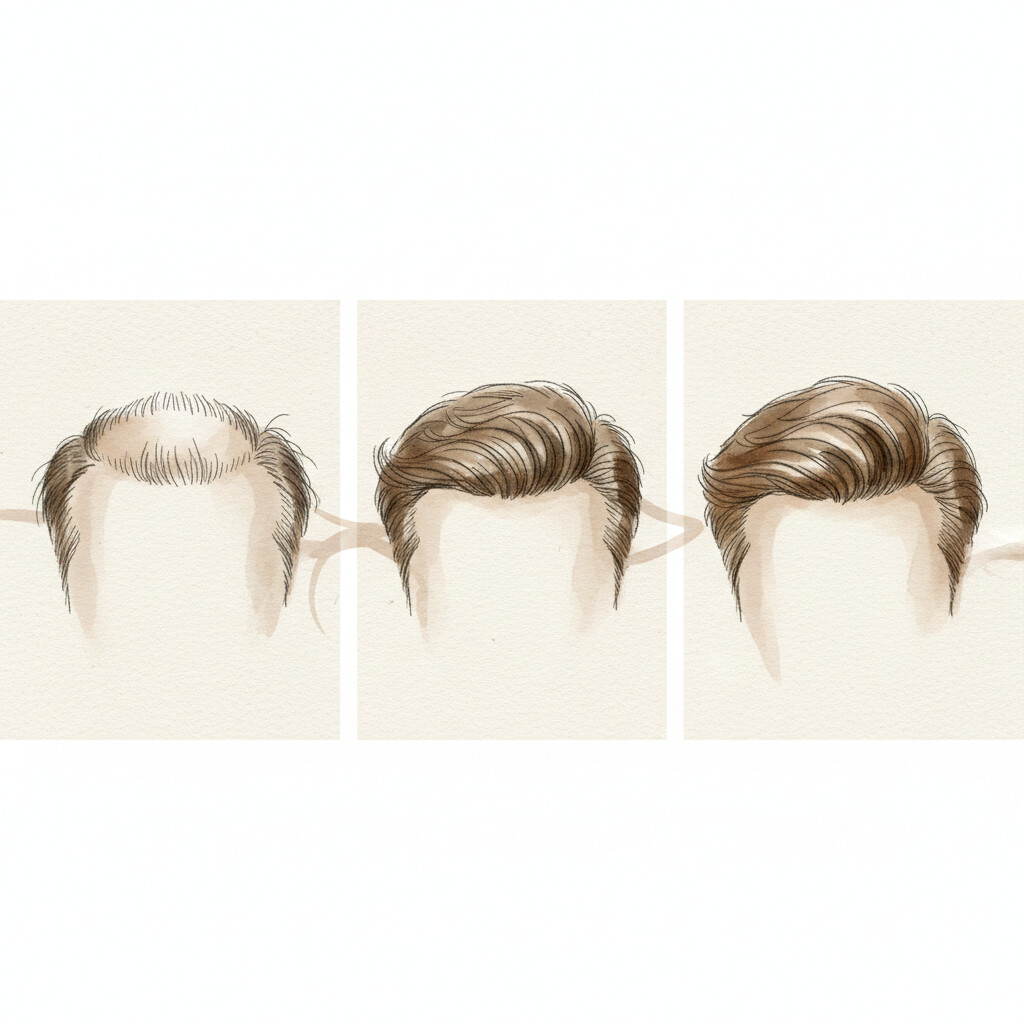
A well-designed hairline is crucial. It should complement your facial structure and age. Experienced specialists will work with you to design a hairline that looks natural and balanced. This isn’t just about filling in areas; it’s about artistry and understanding facial aesthetics.
Hair Follicle Placement
Each transplanted follicle is placed with careful consideration for its original growth direction and angle. This precision ensures that the new hair grows in a way that mimics natural hair growth patterns, creating a seamless blend.
Density and Distribution
Achieving the right density is vital. The number of grafts and their distribution are carefully planned to recreate the look of a natural hairline, avoiding an overly dense or unnatural appearance. The focus is on creating a soft, natural transition.
Practical Considerations for Hair Restoration
Deciding to pursue hair restoration involves several practical steps and considerations to ensure a smooth and successful experience.
Planning and Consultation
The first step is a thorough consultation with a qualified hair restoration specialist. During this consultation, your hair loss pattern, scalp health, and aesthetic goals will be assessed. The specialist will discuss the most suitable procedure for your specific needs and outline a personalized treatment plan. This is an opportunity to ask all your questions and understand the process in detail.

The Hair Restoration Process
The actual hair restoration process involves the careful extraction of donor hair and its precise placement into the areas of the receding hairline. While the specifics of the techniques vary, the overarching goal is always patient comfort and the highest quality outcome. The focus is on a calm, professional environment throughout.
Timelines and Recovery
Following the procedure, there is a period of healing and regrowth. Initial healing typically takes a couple of weeks. While transplanted hair may initially shed, new growth usually begins to appear within a few months. Full, natural-looking results take time, often up to 12-18 months, as the transplanted hairs mature and thicken. Patience is key to appreciating the final outcome.
Comfort and Expectations
Patient comfort is a priority. Modern techniques are designed to be well-tolerated. Setting realistic expectations is also paramount. Hair transplantation is about restoring your hair to a more youthful and natural-looking state, not necessarily achieving the hairline you had as a teenager. The goal is a significant, aesthetically pleasing improvement.
Long-Term, Natural-Looking Outcomes
The most rewarding aspect of a successful hair transplant is the long-term, natural appearance. Because the transplanted hair comes from your own donor area, it continues to grow throughout your life, just like your original hair. This means that with proper planning and execution, the results can be enduring and remarkably natural, providing a sustained boost in confidence.
Common Questions About Hair Transplants for Receding Hairlines
Q1: Will a hair transplant look natural for my receding hairline?
A1: Yes, the primary goal of modern hair transplantation is to achieve a natural appearance. This is accomplished through meticulous planning of the hairline design, precise placement of individual follicular units to match the angle and direction of existing hair, and careful consideration of density to create a seamless blend. The aim is for the transplanted hair to be indistinguishable from your natural hair.
Q2: How long does it take to see results after a hair transplant for a receding hairline?
A2: You will typically begin to see initial growth within 3-5 months after the procedure. However, significant and mature results usually take between 12 to 18 months to fully develop, as the transplanted hairs grow thicker and fuller. The process is gradual, allowing for a natural progression of hair density.
Q3: Is the hair transplant procedure painful?
A3: Patient comfort is a high priority. Local anesthesia is used during the procedure to minimize any discomfort. Most patients report feeling minimal to no pain during the process itself. Post-procedure, some mild soreness or tightness may be experienced, which can typically be managed with prescribed medication.
Q4: How many procedures might be needed for a receding hairline?
A4: For many individuals with a receding hairline, a single, well-planned procedure can yield excellent results. However, depending on the extent of hair loss and the desired density, some individuals may opt for a second procedure several months or a year after the first to further enhance fullness or refine the hairline. This is always determined on a case-by-case basis during your consultation.
Discussion Section
We encourage you to share your experiences and insights regarding hair restoration for receding hairlines. Your perspective can be invaluable to others considering this path.
- For those who have undergone hair restoration for a receding hairline, what was the most surprising aspect of the planning or recovery process?
- How important was the aesthetic design and natural appearance of the hairline to you when making your decision?
- What advice would you give to someone in their late 30s or 40s who is contemplating a hair transplant to address hairline recession?
Medical Disclaimer
This content is for informational purposes only and does not constitute medical advice. Hair transplantation is a medical procedure, and individual results may vary. It is essential to consult with a qualified and experienced hair restoration specialist to determine the best course of action for your specific situation. A personalized assessment is necessary to understand your suitability for the procedure and to set realistic expectations regarding outcomes.