
What This Guide Will Explain
- What to expect from your hair transplant results after the initial 12 months.
- Why continued improvement is normal and how it happens.
- Factors that influence the long-term appearance of your transplanted hair.
- How to best care for your hair restoration for lasting results.
- Realistic expectations for natural, enduring outcomes.
The Journey of Hair Restoration Results
Embarking on a hair restoration journey is a significant decision, often driven by a desire to regain a fuller appearance and a more confident self-image. Many individuals seeking solutions for thinning hair or hair loss are keenly interested in understanding the timeline and quality of results. While the initial months post-procedure are crucial for healing and the first signs of growth, the real magic of hair transplantation often unfolds over a longer period. This guide is designed for individuals aged 35 and above who are considering or have undergone a hair transplant and want a clear, reassuring understanding of what to anticipate beyond the commonly discussed 12-month mark.
We aim to demystify the ongoing maturation of transplanted hair, providing insights into why patience is key and how continued natural development leads to the most satisfying, enduring outcomes. You will learn about the subtle yet significant changes that occur as your hair continues to establish itself, ensuring you have realistic expectations and can best support your investment in hair restoration.
Understanding Hair Growth and Maturation
After a hair transplant procedure, the transplanted hair follicles enter a cycle of healing, shedding, and regrowth. The initial visible growth typically begins around 3-4 months post-procedure, with noticeable density improvements often seen by the 6-9 month mark. Many patients observe substantial progress by 12 months, leading to a feeling that the process is complete. However, this is often just the beginning of the hair’s maturation phase.
Why Results Continue to Improve After 12 Months
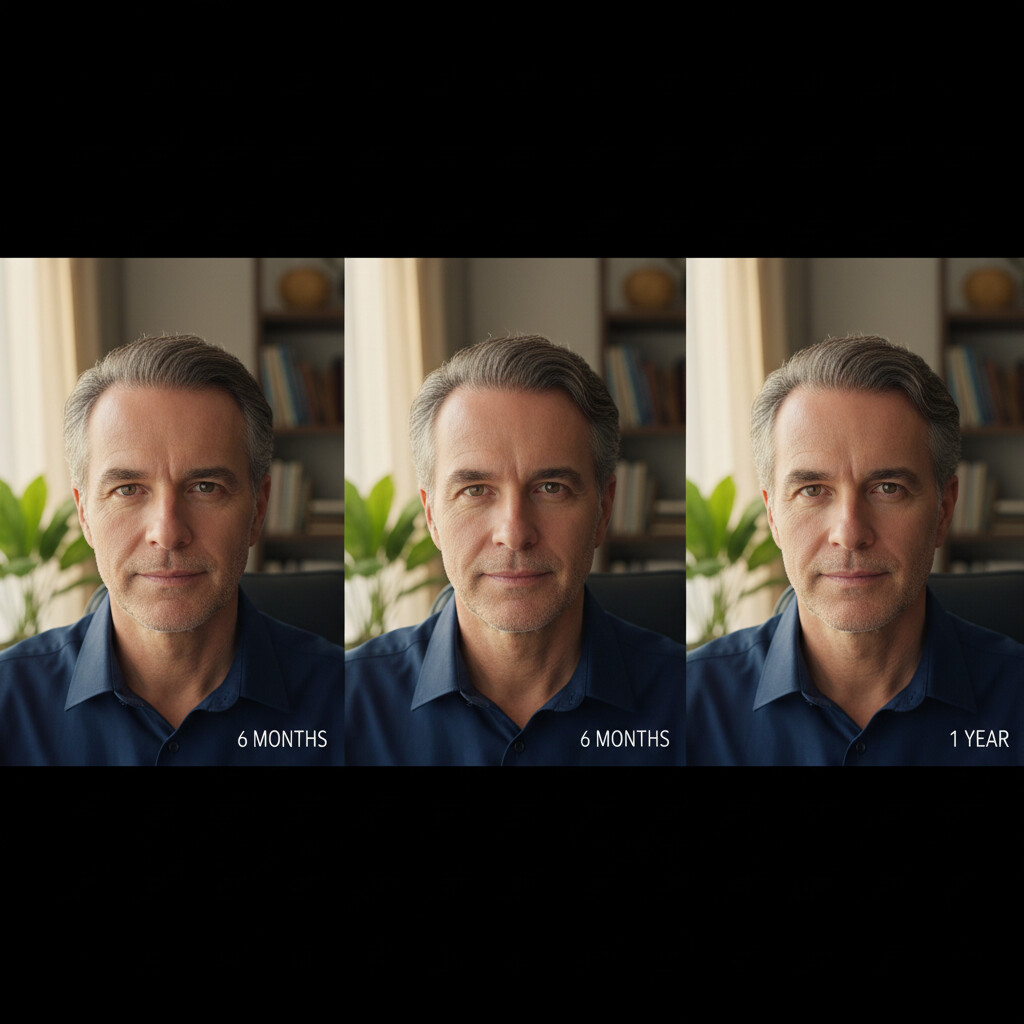
The hair follicles transplanted are living tissues that have been moved to a new area of the scalp. Like any natural hair, these transplanted hairs will grow, shed, and regrow in cycles. The characteristics of these hairs – their thickness, texture, and coverage – continue to develop and refine over time. The initial growth you see at 12 months is often characterized by fine, new hairs. As these hairs mature, they gradually become thicker, stronger, and more similar in texture and color to your native hair. This ongoing refinement is a natural part of the hair growth cycle and is a key reason why results can look significantly better and more natural well into the second year and beyond.
Factors Influencing Long-Term Appearance
Several factors contribute to the final aesthetic outcome and how well your hair transplant integrates over time:
- Follicular Unit Quality: The health and characteristics of the donor hair used for transplantation play a vital role. Naturally strong and healthy follicular units tend to produce more robust growth.
- Hair Characteristics: Individual hair types vary. Fine hair might take longer to thicken compared to coarser hair. Texture and color also influence the perception of density.
- Surgical Skill and Placement: The precise placement and angle of each transplanted graft by the surgical team are crucial for a natural appearance. When grafts are placed optimally, they mimic natural hair growth patterns, leading to a seamless blend.
- Recipient Area Health: The condition of the scalp in the recipient area can influence how well the transplanted hairs establish and grow. Maintaining a healthy scalp environment is beneficial.
- Progression of Original Hair Loss: If the original hair loss condition is ongoing, the contrast between transplanted hair and thinning native hair can become more apparent over time. Managing non-transplanted hair loss through appropriate medical treatments can enhance the overall result.
Practical Considerations for Lasting Results
Achieving and maintaining excellent hair transplant results involves more than just the procedure itself. Ongoing care and realistic expectations are paramount.
Planning and Decision-Making
Choosing a reputable clinic and an experienced surgeon is the most critical first step. Discuss your goals openly, understand the expected outcomes based on your individual hair loss pattern and donor capacity, and ask detailed questions about the process and recovery. A thorough consultation ensures that your expectations are aligned with what is realistically achievable.
Typical Timelines and Expectations
While significant results are often visible by 12 months, remember that the full maturation process can extend to 18-24 months. During this time, you’ll observe continued thickening and refinement of the transplanted hair. It’s important to be patient and allow the natural processes to take their course. Resist the urge to compare your progress to others, as timelines can vary significantly from person to person.
Comfort and Recovery Overview
The recovery period is generally smooth and straightforward. Most patients experience minimal discomfort. The focus in the initial weeks is on healing. As the transplanted follicles become established, you can gradually return to your normal routines. The emphasis shifts from healing to observing the natural development of your new hair.

Long-Term, Natural-Looking Outcomes
The ultimate goal of hair transplantation is to achieve results that are both significant and indistinguishable from your natural hair. This means not only regaining density but also ensuring the hairline is aesthetically pleasing and the growth pattern looks entirely natural. Continued improvement beyond 12 months is a positive sign that the transplanted grafts are thriving and integrating beautifully, creating a sustained, confident appearance.
Common Questions About Long-Term Results
Q1: Will the transplanted hair fall out again after a few years?
A: The hair follicles transplanted from the safe donor areas (typically the back and sides of the head) are genetically resistant to the hormone responsible for male pattern baldness. Therefore, these transplanted hairs are usually permanent and will continue to grow throughout your life. However, the original native hair in non-transplanted areas may continue to thin if the underlying cause of hair loss is not managed.
Q2: How can I ensure my transplanted hair looks natural as I age?
A: Natural-looking results are achieved through careful planning of the hairline and graft placement to match your original growth patterns. As you age, your natural hairline may recede slightly or change shape. Experienced surgeons account for this anticipated aging process during the initial design. Maintaining the health of your native hair through appropriate treatments can also help maintain a harmonious overall appearance.
Q3: Is it normal for transplanted hair thickness to vary?
A: Yes, it is entirely normal. The transplanted grafts may contain follicular units with one, two, or three hairs. Additionally, individual hair shaft thickness can vary. As these hairs mature over 18-24 months, they tend to thicken and become more uniform, but some variation is natural and contributes to a realistic look.
Q4: What if I want more density after 12 months?
A: If you desire increased density, this is often best addressed with a follow-up consultation. A qualified surgeon can assess your scalp, the results achieved so far, and your donor area’s capacity to determine if a second procedure is advisable and likely to yield good results. Further procedures are typically considered after the initial results have fully matured, usually around 12-18 months post-procedure.

Discussion Section
The journey of hair restoration is ongoing, and experiences evolve over time. We encourage you to share your insights and observations as your results mature.
- For those who are past the 12-month mark, what subtle or significant changes have you noticed in your transplanted hair between month 12 and month 18 (or later)?
- How has your perception of your hair transplant results changed as the hair has continued to grow and mature beyond the initial significant growth phase?
- What steps, if any, have you taken to care for your scalp and hair to support the long-term health and appearance of your transplanted hair?
Medical Disclaimer
This information is intended for educational purposes only and does not constitute medical advice. Hair transplant results can vary significantly from individual to individual. The information provided here is general and may not apply to your specific situation. It is essential to consult with a qualified and experienced hair restoration surgeon or medical professional for a personalized assessment, diagnosis, and treatment plan. They can evaluate your unique condition, discuss realistic expectations, and guide you through the entire hair restoration process.