
What this guide will explain
- What Telogen Effluvium is and how stress can cause it.
- Common signs and symptoms to look for.
- The typical recovery process and what to expect.
- How stress-induced hair shedding differs from other types of hair loss.
- Practical steps to manage and support regrowth.
Introduction
Experiencing hair loss can be a source of significant concern, particularly when it appears to be linked to periods of heightened stress in your life. This type of hair shedding, often medically termed Telogen Effluvium, is a common and usually temporary condition. It occurs when a significant stressor causes a large number of hair follicles to prematurely enter the resting phase of the hair growth cycle, leading to increased shedding.
This information is intended for adults, typically over the age of 35, who are noticing increased hair shedding and suspect that stress may be a contributing factor. It aims to provide a clear, calm, and reassuring overview of Telogen Effluvium, helping you understand its causes, symptoms, and the typical path to recovery without causing undue alarm. We will focus on what you can realistically expect during this phase and the supportive measures that can aid your hair’s return to its normal growth pattern.
Understanding Telogen Effluvium
Telogen Effluvium is characterized by a diffuse thinning of hair across the scalp, rather than bald patches. It happens when a physical or emotional shock disrupts the normal hair growth cycle. Normally, about 85-90% of your hair is in the growing phase (anagen), with a small percentage in the resting phase (telogen). In Telogen Effluvium, this ratio shifts dramatically, with a higher percentage of hairs entering the resting phase and subsequently shedding.
Common Stressors
Several types of stressors can trigger Telogen Effluvium. These are typically significant events or prolonged periods of pressure that affect your physical or emotional well-being. Common examples include:
- Major physical events: Significant illness, surgery, childbirth (postpartum hair loss), or a severe accident.
- Significant emotional stress: The loss of a loved one, a difficult divorce, job loss, or prolonged periods of anxiety.
- Nutritional deficiencies: Severe dieting, rapid weight loss, or deficiencies in essential nutrients like iron or vitamin D.
- Medication changes: Starting or stopping certain medications.
It’s important to note that the hair shedding often begins two to three months after the stressful event, which can make it challenging to immediately pinpoint the cause.
Symptoms to Observe
Recognizing the signs of Telogen Effluvium is key to understanding what you’re experiencing. The primary symptom is an increase in hair shedding, often noticeable during daily activities such as:
- Increased shedding: Finding more hair than usual on your hairbrush, in the shower drain, or on your pillow.
- Diffuse thinning: A general reduction in hair volume across the entire scalp, rather than distinct bald spots. The parting of the hair may appear wider, or the ponytail may feel thinner.
- No scalp discomfort: Unlike some other hair loss conditions, Telogen Effluvium typically does not cause itching, pain, or visible irritation on the scalp.
It’s usually the sudden increase in shedding that prompts individuals to seek information. While alarming, this shedding is a sign that the body is reacting to stress and that the hair cycle is attempting to rebalance itself.
Recovery and What to Expect
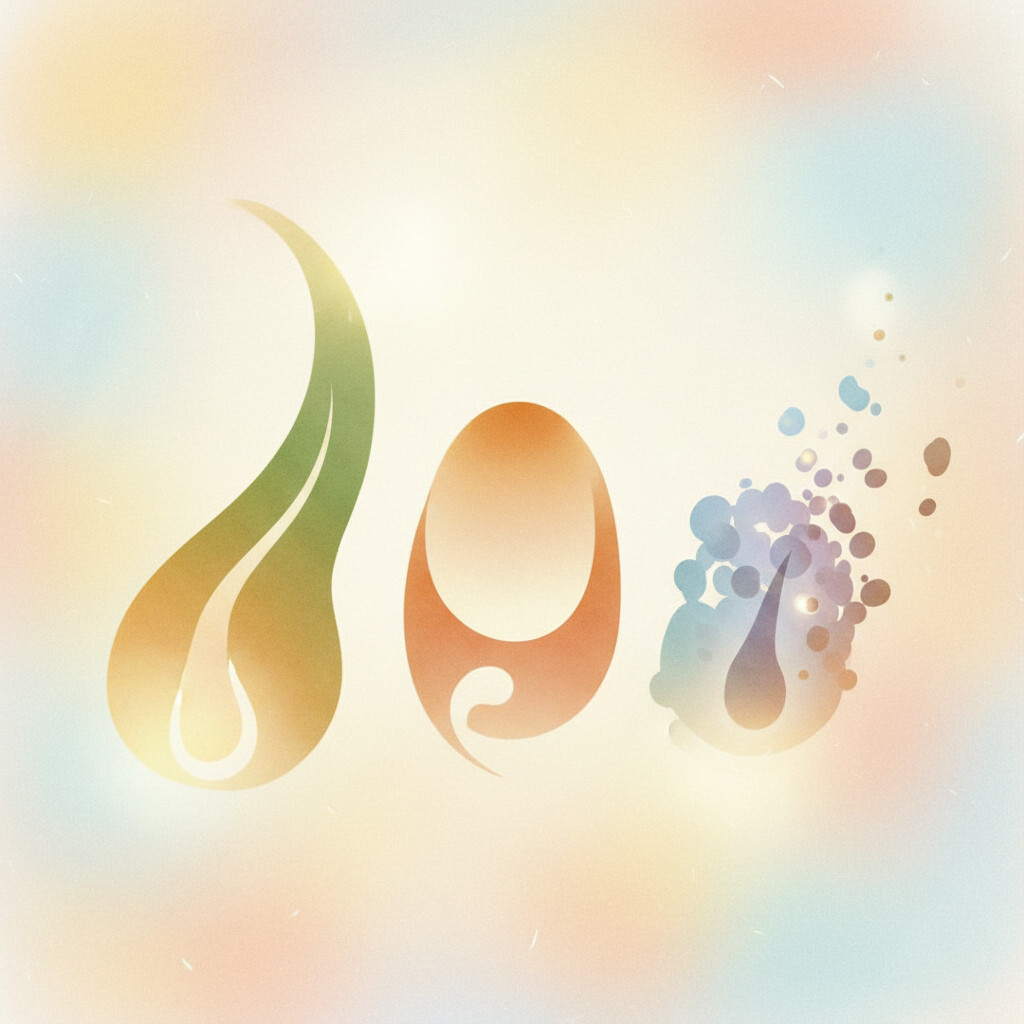
The good news about Telogen Effluvium is that it is generally a temporary condition, and hair usually begins to regrow once the underlying stressor is removed or managed. The recovery timeline can vary, but here’s what you can typically expect:
- Initial Shedding Phase: This phase can last for several months as the follicles complete their shedding cycle. It might feel like the shedding is ongoing, which can be concerning.
- Regrowth Phase: Once the stressful trigger has passed and your body begins to recover, new hair growth will start. This new hair may initially feel finer and shorter than your existing hair.
- Gradual Thickening: Over time, typically within 6 to 12 months after the shedding stops, the new hairs will mature and thicken, restoring the scalp’s volume. Patience is crucial during this period.
It’s important to understand that hair regrowth is a gradual process. While the shedding stops, it takes time for the hair density to return to its previous state. Maintaining a healthy lifestyle and managing stress are key components of supporting this natural recovery.
Distinguishing Telogen Effluvium
It’s helpful to understand how Telogen Effluvium differs from other common forms of hair loss, such as Androgenetic Alopecia (pattern hair loss).
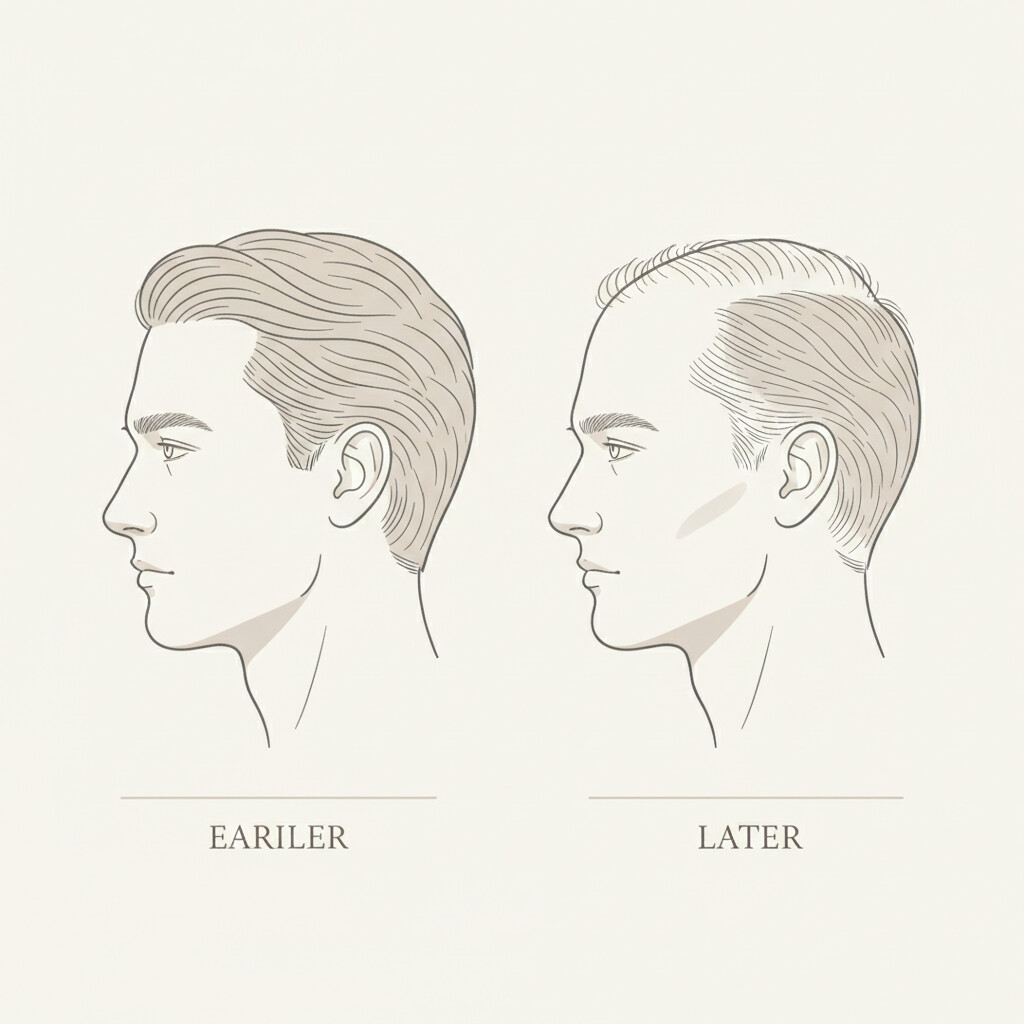
- Telogen Effluvium: Diffuse shedding across the entire scalp, usually triggered by a specific event, and typically temporary. It affects both men and women.
- Androgenetic Alopecia: A genetically influenced thinning that follows a predictable pattern (receding hairline and thinning crown in men, widening part in women). It is generally progressive and requires different management strategies.
While a professional diagnosis is always recommended, recognizing these differences can help in understanding your specific situation.
Practical Steps for Management and Support
While you cannot stop the shedding process once it has begun, you can take steps to support your body’s recovery and encourage healthy hair regrowth.
- Identify and Manage Stress: The most crucial step is to address the underlying stressor. This might involve seeking professional support, practicing mindfulness, ensuring adequate sleep, and engaging in stress-reducing activities like exercise or hobbies.
- Nutritional Support: Ensure a balanced diet rich in essential vitamins and minerals. If a deficiency is suspected, consult with a healthcare provider about potential blood tests and supplements, such as iron, vitamin D, or biotin, if indicated.
- Gentle Hair Care: Avoid harsh hair treatments, tight hairstyles, and excessive heat styling during the recovery period. Treat your hair gently to minimize breakage and prevent further stress on the follicles.
- Patience and Realistic Expectations: Remember that hair growth is slow. Trust the process and focus on overall well-being rather than obsessing over daily shedding.
$

Common Questions (FAQ)
Q1: How long does Telogen Effluvium typically last?
The shedding phase can last anywhere from three to six months, sometimes a bit longer, depending on the severity of the stressor and individual factors. After the shedding stops, regrowth usually begins, and it can take another 6-12 months for hair density to noticeably improve.
Q2: Will my hair grow back completely?
In most cases, yes. Telogen Effluvium is a temporary condition, and once the underlying cause is resolved, the hair cycle typically returns to normal, leading to complete regrowth. Significant, permanent hair loss is uncommon unless there are other co-existing hair loss conditions.
Q3: Can I do anything to make my hair grow back faster?
While there’s no way to speed up the biological process of hair regrowth significantly, supporting your overall health through good nutrition, stress management, and gentle hair care practices can create the optimal environment for your hair follicles to recover and grow.
Q4: When should I see a doctor about my hair loss?
It’s advisable to consult a doctor or a dermatologist if your hair loss is sudden, patchy, accompanied by scalp itching or pain, or if you are concerned about the extent or duration of the shedding. They can help rule out other causes of hair loss and confirm if it is Telogen Effluvium.
Discussion Section
Experiencing increased hair shedding due to stress can be a disquieting time. Many find comfort in sharing their experiences and insights with others who understand. If you’ve gone through Telogen Effluvium, what strategies did you find most effective in managing the stress and supporting your hair’s recovery?
What were the most challenging aspects of this type of hair loss for you, and how did you cope with the emotional impact of increased shedding?
For those currently experiencing Telogen Effluvium, what are your primary concerns, and what information do you feel would be most helpful as you navigate this period?
Medical Disclaimer
This guide provides general information about Telogen Effluvium and stress-related hair loss. It is not a substitute for professional medical advice, diagnosis, or treatment. Always seek the advice of your physician or other qualified health provider with any questions you may have regarding a medical condition. Individual experiences and outcomes can vary significantly, and a personalized assessment by a qualified medical professional is essential to determine the cause of your hair loss and the most appropriate course of action for your specific situation.