
What This Guide Will Explain
- The typical patterns of hair growth following a transplant.
- Why uneven growth might seem noticeable in the early months.
- What constitutes normal variation versus potential concerns.
- Factors influencing the hair restoration process timeline.
- How to manage expectations for natural, long-term results.
Introduction
Embarking on a hair restoration journey is a significant decision, often pursued with the hope of regaining a fuller, more youthful appearance. For many individuals aged 35 and above, the period following a hair transplant procedure is one of anticipation. While the ultimate goal is natural, dense hair growth, the initial months can sometimes present a visual landscape that appears less uniform than expected. This guide is designed for mature individuals who are seeking clear, reassuring information about the natural fluctuations in hair growth patterns during the early stages after a procedure. We aim to demystify these common observations, providing a grounded understanding of what to anticipate and how to approach this phase with realistic expectations.
Understanding that hair growth is a biological process, not an instantaneous one, is key to a positive experience. The hair transplant process involves carefully placing individual follicular units, and each of these units has its own cycle. This means that they don’t all wake up and start growing at precisely the same moment or pace. By the end of this guide, you will have a clearer picture of why some areas might appear to fill in faster than others and what this signifies within the broader context of successful hair restoration.
Understanding Hair Growth Patterns Post-Transplant
Following a hair transplant, the transplanted follicular units enter a resting phase before new hair begins to emerge. This dormant period is a crucial part of the healing and integration process. Typically, visible growth starts to become apparent around the third to fifth month after the procedure. However, the rate and density of this initial emergence can vary significantly from person to person and even within different areas of the transplanted region.
The Natural Cycle of Transplanted Hair
Each follicular unit transplanted contains hair follicles, and these follicles operate on their own individual timelines. Some follicles may reactivate and begin producing hair sooner than others. This natural variation is a fundamental aspect of the hair growth cycle. It’s not uncommon for some areas to show more robust growth while others are still in the early stages of emergence. This variability is a normal physiological response and does not necessarily indicate an issue with the procedure itself.
Why Unevenness May Appear Noticeable
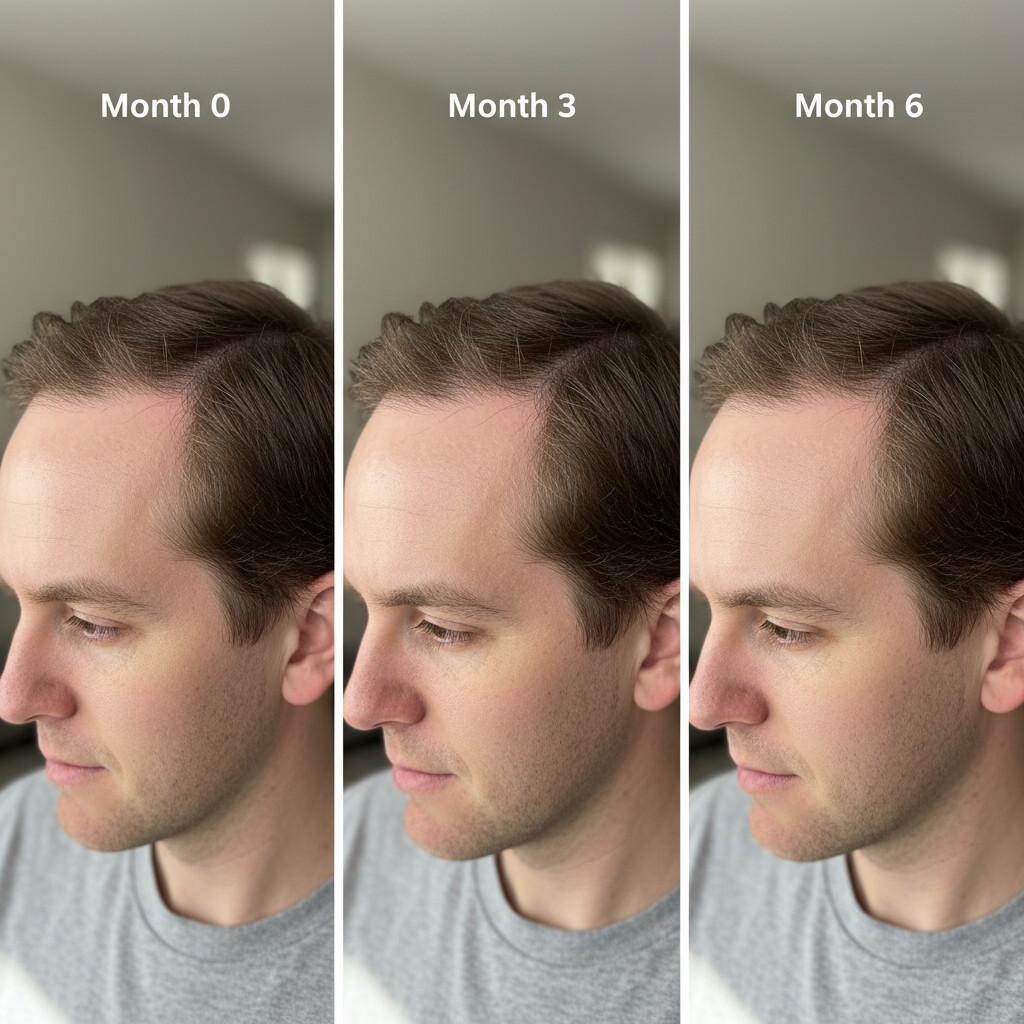
During the initial months of growth, the emerging hairs are often fine and sparse. As more follicles begin to activate, the density gradually increases. This gradual and staggered emergence can create an appearance of unevenness. For instance, an area where follicles have reactivated earlier might seem denser or more covered than an adjacent area where follicles are just beginning to emerge. Factors such as the initial density of transplantation in specific zones, the individual’s unique healing response, and the underlying hair growth cycles all contribute to this perceived variation. It’s important to remember that this is a temporary phase in the overall hair restoration process.
Differentiating Normal Variation from Concerns
It is essential to distinguish between the normal, expected variations in early growth and potential issues that might require professional attention. Minor differences in density or the timing of growth between adjacent areas are typically within the normal range. The crucial period for assessing the overall outcome is usually around 12 to 18 months post-procedure, when most of the transplanted hairs have reached their mature growth phase. If you observe significant gaps, lack of any growth in large treated areas, or persistent concerns about the pattern, consulting with your hair restoration specialist is always recommended. They can provide a personalized assessment based on your specific procedure and healing progress.
Practical Considerations for Managing Expectations
Planning and Decision-Making
The decision to undergo hair restoration is a long-term commitment. Understanding the entire process, including the timeline for results, is crucial. Choosing a reputable clinic and a skilled medical team is the first step in ensuring a successful outcome. Open communication with your specialist about your expectations and any concerns you may have is paramount throughout the planning and post-operative phases.
Typical Timelines and Growth Stages
While specific timelines vary, a general pattern emerges for most individuals. The first few months are primarily focused on healing. Initial, fine growth often becomes visible around month 3-5. Continued, thickening growth is typically observed between months 6 and 12. The final, mature result, where most transplanted hairs have grown to their full potential and density, is usually apparent by 12-18 months. Recognizing that this is a marathon, not a sprint, helps in managing daily observations.

Comfort, Expectations, and Recovery
Focusing on comfort and adhering to post-operative care instructions are vital during the initial recovery. While the surgical aspect is the most intensive part, the subsequent months require patience. Managing expectations means understanding that the visual transformation is gradual. What might appear uneven early on will likely harmonize as more hairs emerge and thicken over time. The goal is always a natural-looking outcome that blends seamlessly with your existing hair.
Long-Term, Natural-Looking Outcomes
High-quality hair restoration aims for results that are both dense and natural-looking, effectively undetectable as having undergone a procedure. This natural appearance is achieved through careful planning of hairline design, angle, and depth of follicular unit placement. The maturation of the transplanted hairs over 12-18 months is what ultimately creates the dense, harmonious look. Patience during the initial growth phases ensures that you can fully appreciate the final, enduring results of your hair restoration.

Common Questions
Q1: Is it normal for some transplanted hairs to fall out after the initial growth?
Yes, it is quite normal for some of the initially emerging hairs to shed in the months following the procedure. This shedding is often referred to as “shock loss” for the transplanted hairs themselves. The follicles remain in place and will continue their growth cycle, producing new, permanent hair. This shedding phase is a natural part of the process and does not indicate that the transplant has failed.
Q2: How can I tell if my uneven growth is normal or something to worry about?
Early unevenness is usually characterized by subtle differences in density or timing across the treated area. If you see noticeable patches with very sparse or no growth after 6 months, or if the growth pattern looks significantly unnatural, it might be worth discussing with your specialist. However, minor variations are the norm during the first year as different follicles enter their growth cycles at different times.
Q3: Will the transplanted hairs grow at the same rate as my original hair?
Transplanted hairs will grow at their own natural rate, which is generally similar to your existing hair. However, the process of emerging from the scalp, thickening, and reaching maturity takes time. The initial fine hairs will gradually thicken over several months. The key is the long-term result, where these hairs blend in naturally with your native hair.
Q4: Should I be concerned if the texture of my transplanted hair is different initially?
Sometimes, the very first hairs to emerge from transplanted follicles can have a slightly different texture – perhaps finer or coarser – than your native hair. As the hair matures and reaches its full growth cycle, the texture usually becomes consistent with your natural hair characteristics. This initial difference is typically temporary.
Discussion Section
We understand that the journey of hair restoration involves many personal observations and experiences. Sharing these can be incredibly valuable for others considering or undergoing treatment. We encourage you to share your insights in a respectful and constructive manner.
- For those who have undergone a hair transplant, what was your experience like during the first 3-6 months regarding perceived evenness of growth? What helped you remain patient during this phase?
- How did you manage your expectations during the initial months of hair growth, knowing that the final results take time?
- Were there any specific visual changes or stages in your recovery that you found particularly reassuring or concerning, and how did you address them?
Medical Disclaimer
This content is intended for informational purposes only and does not constitute medical advice. Hair restoration outcomes are individual and depend on numerous factors. Any decisions regarding medical procedures should be made in consultation with a qualified and licensed medical professional who can assess your specific condition, needs, and suitability for treatment.