Hair loss is a common concern affecting millions worldwide. While traditional hair transplant procedures often require shaving the head, a growing number of individuals are seeking less invasive options. The Unshaven Hair Transplant, also known as a no-shave hair transplant, offers a discreet solution for those looking to restore their hair without the noticeable aftermath of a shaved scalp. This guide aims to provide comprehensive information about this innovative technique, detailing who makes a good candidate and what to expect.
What is an Unshaven Hair Transplant?
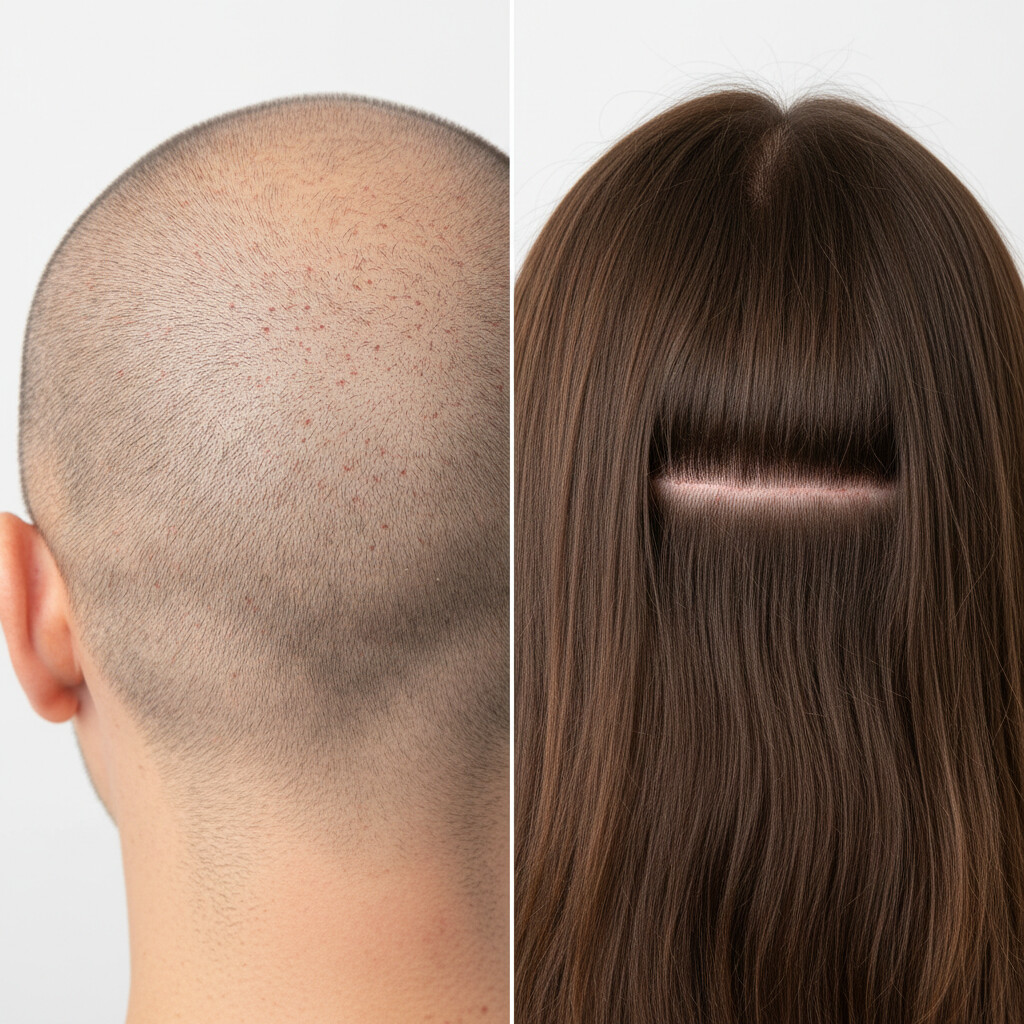
An unshaven hair transplant is a hair restoration procedure that allows patients to undergo follicular unit transplantation (FUT) or follicular unit extraction (FUE) without shaving their entire head. Instead, only small, localized sections of the donor area (usually at the back or sides of the head) are shaved, often in discreet strips or patches that can be easily concealed by the surrounding uncut hair. This significantly reduces the visual impact of the procedure, making it ideal for individuals who want to maintain their privacy and return to their daily lives with minimal disruption.
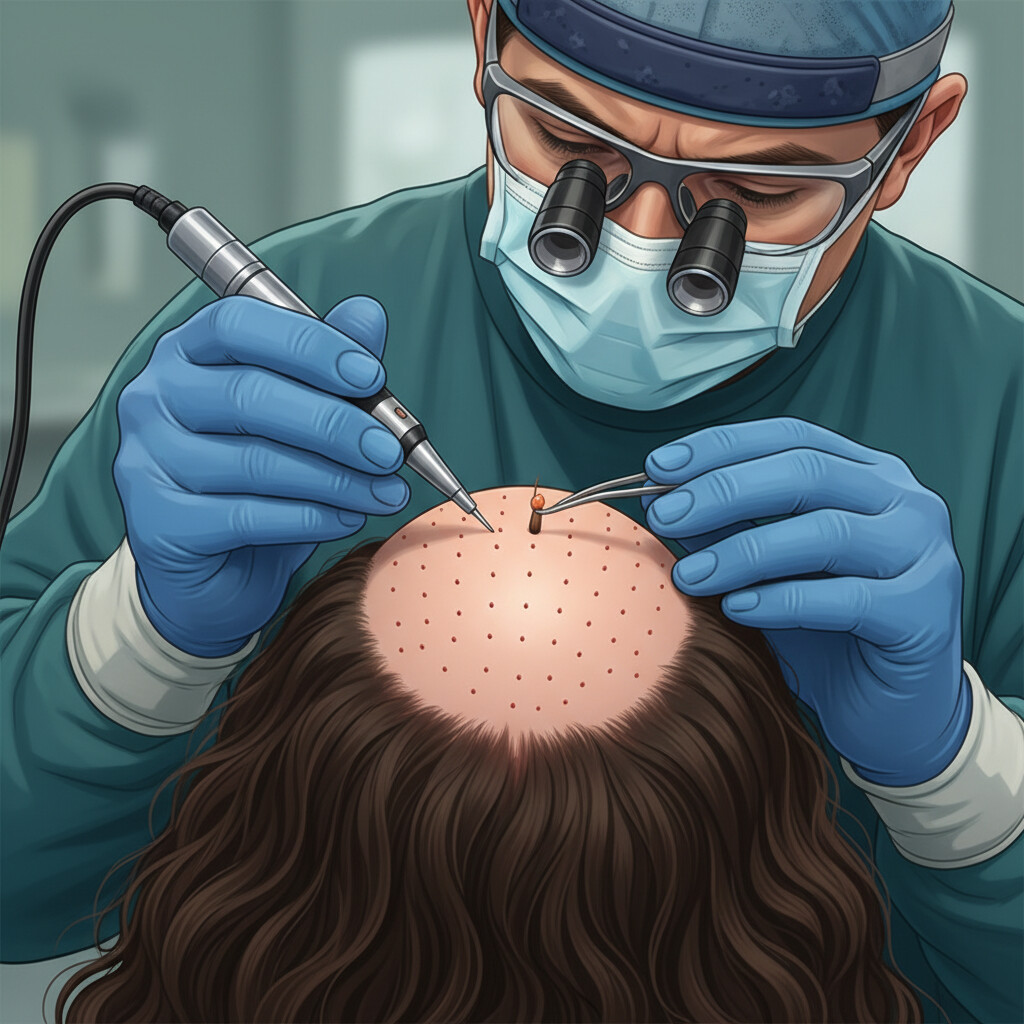
The process involves careful planning to ensure all grafts are extracted and implanted effectively while maintaining hair coverage.
Key Differences from Traditional Hair Transplants:
- Shaving: The most obvious difference is the extent of shaving. Traditional methods often require the entire donor area, and sometimes the recipient area, to be shaved. Unshaven techniques minimize this, often shaving only small strips.
- Discretion: The primary advantage of unshaven transplants is their discretion. The existing hair covers the shaved areas, making it difficult for others to notice that a procedure has taken place.
- Recovery: While the surgical process itself is similar, the perceived recovery period can feel shorter due to the lack of a fully shaved head.
Who is a Good Candidate for an Unshaven Hair Transplant?
While the unshaven hair transplant offers significant advantages, it’s not suitable for everyone. Several factors determine candidacy:
- Sufficient Donor Hair Density: This is perhaps the most crucial factor. The surgeon needs adequate density in the donor area (typically the back and sides of the scalp) to harvest grafts. If the donor area is already sparse, shaving even small sections can make it appear thinner, and the existing hair might not be long enough to effectively conceal the shaved areas. A thorough consultation with a qualified surgeon is essential to assess this.
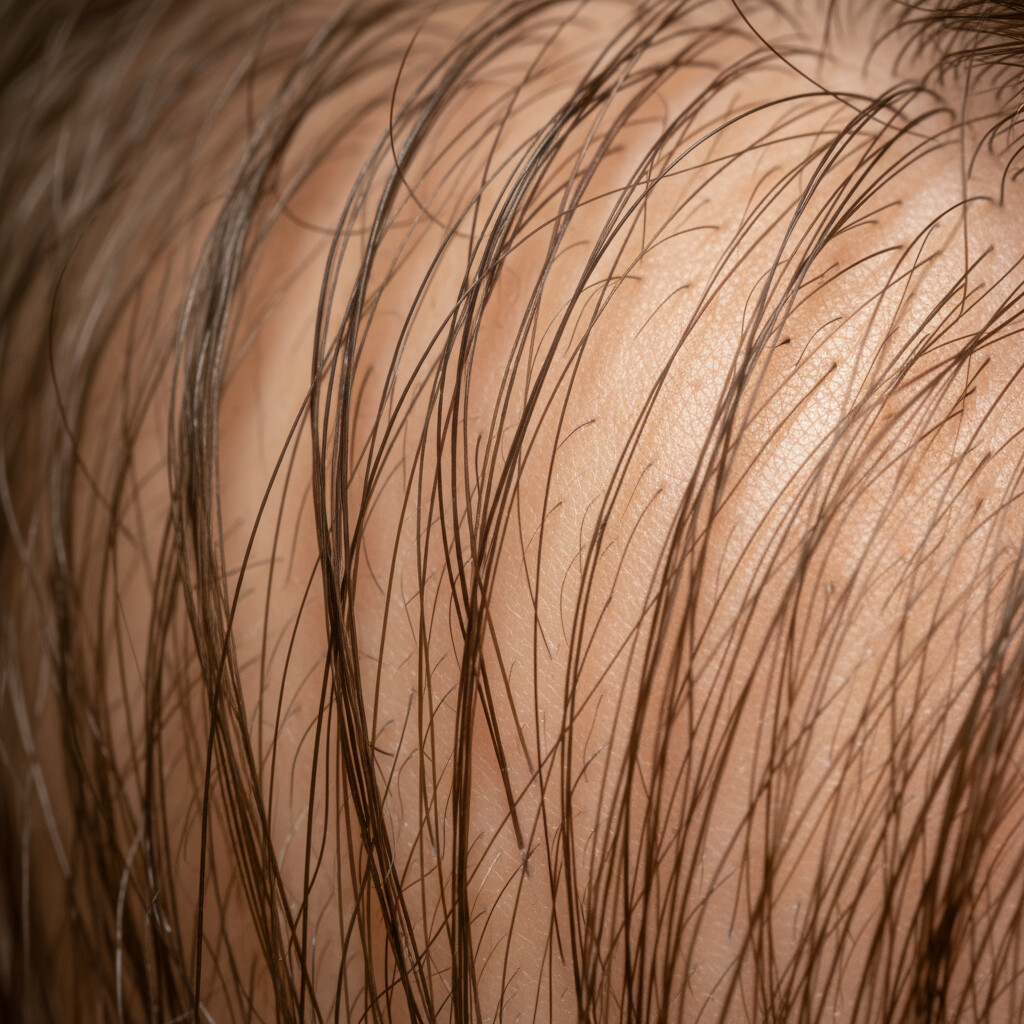
Assessing donor hair density is a critical step in determining candidacy for an unshaven hair transplant.
-
Hair Length: Candidates should ideally have hair that is at least 2-3 inches (5-7 cm) long. This length is necessary to cover and camouflage the shaved donor areas. If your hair is very short, an unshaven procedure might not be feasible as the short hair will not be able to hide the shaved patches.
-
Type of Hair Loss: Unshaven transplants are generally more suitable for individuals with a Norwood scale of 1 to 4, indicating mild to moderate hair loss. Those with extensive baldness (Norwood 5 and above) typically require a larger number of grafts, which may necessitate shaving a larger area of the donor scalp, making the unshaven approach less practical or effective.
-
Patient Expectations and Lifestyle: The unshaven technique is perfect for individuals who need to maintain a high level of privacy due to their profession or personal preferences. This includes celebrities, public figures, executives, or anyone who simply wishes to avoid the visible signs of a hair transplant. If discretion is your top priority, this method is worth serious consideration.
-
Previous Hair Transplant Procedures: Patients who have had previous hair transplants may still have a viable donor area, but it’s crucial to assess the density and scarring from prior surgeries. In some cases, an unshaven approach might be possible even after previous procedures, depending on the donor area’s condition.
The Procedure: What to Expect
The unshaven hair transplant procedure is performed using either FUE or FUT techniques, with modifications to accommodate the uncut hair. The process typically involves:
- Consultation: A detailed assessment of your hair loss pattern, donor area, and overall health. The surgeon will determine if you are a suitable candidate and discuss the expected outcomes.
- Donor Area Preparation: Instead of shaving the entire head, the surgeon will meticulously shave small, strategic sections of the donor area. These sections are chosen to be easily hidden by the surrounding longer hair.
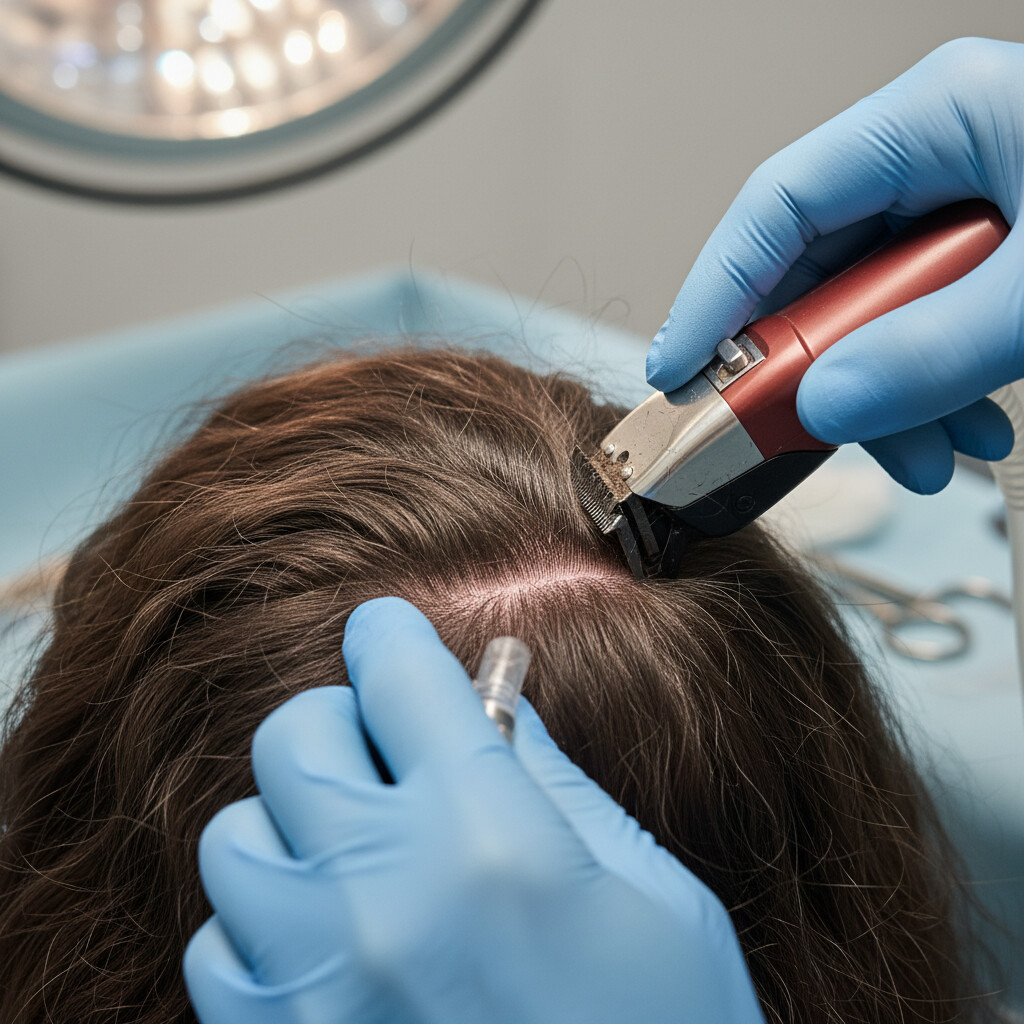
Specialized techniques are used to shave only specific areas, ensuring concealment.
- Graft Extraction: Follicular units (grafts) are extracted from the prepared donor sites using either FUE (individual follicle removal) or FUT (strip harvesting followed by dissection). The surrounding uncut hair helps to mask the extraction sites immediately.
- Graft Implantation: The extracted grafts are then carefully implanted into the thinning or balding areas (recipient sites) following a natural hairline design. The existing hair in the recipient area also helps to camouflage the newly implanted grafts.
- Post-Operative Care: Post-operative instructions are similar to traditional transplants, focusing on hygiene, avoiding strenuous activity, and using prescribed medications. The main difference is that you won’t have a visibly shaved head, allowing for a quicker return to social and professional activities.
Advantages of Unshaven Hair Transplant:
- Discretion and Privacy: The primary benefit is the ability to conceal the procedure, allowing patients to maintain their privacy.
- Faster Social Reintegration: Patients can often return to work and social activities much sooner without the visual evidence of having undergone surgery.
- Reduced Psychological Impact: For some, avoiding the shaved look can alleviate anxiety and make the decision to have a hair transplant easier.
- Ideal for Professionals: Essential for individuals in careers where appearance is paramount or who cannot afford visible downtime.
Potential Downsides and Considerations:
- Technical Difficulty: The procedure can be more technically challenging for the surgeon due to limited visibility in the shaved areas.
- Time Consuming: The meticulous nature of shaving small sections and working around existing hair can make the procedure longer.
- Not for Everyone: As mentioned, it requires specific conditions regarding donor hair density and length.
- Potential for Swelling/Redness: While concealed, swelling and redness can still occur in the treated areas.
Conclusion:
The unshaven hair transplant is a groundbreaking advancement in hair restoration, offering a highly discreet solution for individuals battling hair loss. By understanding who is a good candidate – those with sufficient donor hair density, adequate hair length, and a desire for privacy – patients can make an informed decision about this innovative procedure. Consulting with an experienced hair transplant surgeon is the critical first step to determining if the unshaven approach is the right choice for achieving your hair restoration goals with minimal disruption to your life.