
What this guide will explain
- Understanding the journey of international patients post-hair transplant.
- Key factors influencing patient satisfaction after returning home.
- Common themes in patient feedback regarding their experience.
- How to manage expectations and ensure a smooth transition back.
- The long-term perspective on hair restoration results.
The Global Appeal of Advanced Hair Restoration
For many individuals experiencing hair loss, the quest for effective and natural-looking hair restoration can lead them to explore options beyond their local vicinity. Advancements in hair transplant techniques, coupled with the desire for specialized expertise, have made international travel for treatment a significant consideration. This guide is crafted for those who are contemplating or have undergone a hair transplant abroad, focusing on the experiences and insights shared by patients once they have returned to their home countries.
We aim to provide a realistic overview, drawing from the sentiments and observations of patients who have navigated the process from consultation to recovery in a foreign setting and are now living with their results. Our goal is to offer clarity on what to expect, the common feedback themes, and the factors that contribute to overall satisfaction, helping you make informed decisions and manage your expectations throughout this journey.
Understanding the International Patient Journey
The decision to seek a hair transplant abroad is often multifaceted. Patients may be looking for specific techniques, clinics with renowned specialists, or perhaps a combination of treatment and travel. The international patient journey involves several distinct phases, from initial research and consultation, often conducted remotely, through to the procedure itself in a different country, and finally, the recovery and follow-up period back home.
Pre-Travel Planning and Expectations
Thorough research is paramount. Patients typically spend considerable time evaluating clinics, surgeons, and techniques. Remote consultations play a crucial role, allowing initial assessments and discussions about potential outcomes. Setting realistic expectations about the results, the recovery process, and the commitment required is a key aspect of this phase. Understanding the logistics of travel, accommodation, and post-operative care in an unfamiliar environment is also vital.

The Procedure and Immediate Aftermath
Once in the destination country, patients undergo the hair restoration process. The focus during this time is on the procedure itself and the initial days of recovery. Clinics catering to international patients often provide comprehensive support, including assistance with navigating the local area and ensuring comfort during the immediate post-operative period. Key to this stage is adhering strictly to the clinic’s post-procedure instructions to promote optimal healing and graft survival.
Returning Home and Ongoing Recovery
The return home marks a significant transition. Patients are now responsible for their continued recovery in their familiar surroundings, often with remote support from their chosen clinic. This phase is critical for observing the early signs of hair growth and managing any concerns that may arise. Patience is essential, as the visible results of a hair transplant develop gradually over many months.
Key Factors Influencing Post-Return Satisfaction
Patient satisfaction after returning home is a complex outcome influenced by several interconnected factors. It’s not solely about the technical success of the procedure but also the holistic experience. Understanding these elements can help prospective patients gauge what to prioritize and what to anticipate.
Communication and Support
Effective and consistent communication with the clinic is a cornerstone of satisfaction. Patients highly value responsive support channels that allow them to ask questions, share progress updates, and voice concerns without delay. Whether through dedicated patient coordinators, telehealth appointments, or clear follow-up protocols, knowing that expert guidance is accessible significantly boosts confidence and reduces anxiety. This ongoing dialogue helps patients feel supported throughout their entire recovery, even from afar.
Realistic Outcome Expectations
One of the most critical drivers of satisfaction is the alignment between what a patient expected and what they achieved. Clinics that excel in managing expectations during the consultation phase, clearly outlining potential results based on individual hair loss patterns and donor supply, tend to have happier patients. Understanding that hair restoration is a gradual process, with full results visible over 12-18 months, is crucial.
Natural-Looking Results
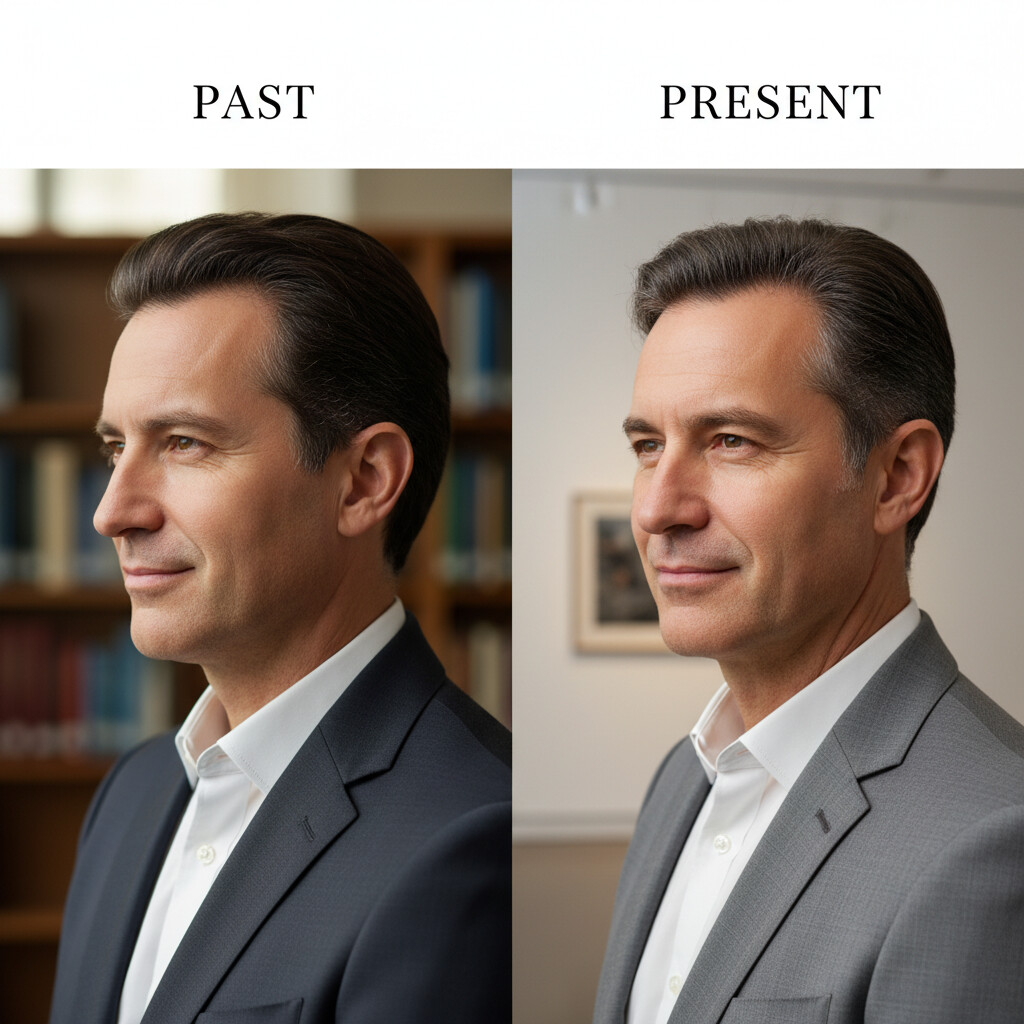
The ultimate goal for most individuals seeking hair restoration is a natural and undetectable outcome. This involves achieving a hairline that complements facial features, a density that appears full and healthy, and a direction and angle of hair growth that mimics natural patterns. Patients frequently comment on how pleased they are when their results are perceived as organic and indistinguishable from their original hair, enhancing their appearance without drawing undue attention to the procedure itself.
Overall Patient Experience
Beyond the clinical aspects, the entire patient journey contributes to satisfaction. This includes the professionalism and empathy of the medical team, the efficiency of the clinic’s operations, the comfort and cleanliness of the facilities, and the ease of travel and accommodation arrangements if applicable. A smooth, positive experience from the initial inquiry to the final follow-up fosters a sense of trust and appreciation, often leading to strong recommendations.
Common Themes in International Patient Feedback
Reviewing feedback from international patients offers valuable insights into the shared experiences and common sentiments. While individual stories vary, several recurring themes emerge, painting a comprehensive picture of the international hair transplant journey.
Appreciation for Specialized Expertise
Many patients who travel internationally do so to access clinics renowned for specific techniques or the experience of particular surgeons. Feedback often highlights an appreciation for the advanced skills and knowledge demonstrated by the medical teams. This includes commendations for the precision in graft placement and the artistry in creating aesthetically pleasing hairlines.
Value for Money and Overall Package
For some, traveling abroad offers a perceived value for money, considering the cost of procedures in their home countries. Patients often report satisfaction with the comprehensive packages offered by international clinics, which may include treatment, accommodation, and transfer services. This bundled approach simplifies planning and can make the overall experience more cost-effective and convenient.
The Importance of Post-Procedure Care Guidance
Clear and accessible post-procedure care instructions are consistently mentioned as vital. Patients emphasize the need for detailed guidance on how to care for the treated area, what to expect during the healing phases, and how to stimulate new growth. Feedback often suggests that clinics providing thorough, easy-to-follow aftercare protocols, along with readily available support for any questions, contribute significantly to a positive recovery.
Navigating Language and Cultural Differences
While often managed smoothly by clinics experienced with international clientele, language barriers and cultural nuances can sometimes be a point of discussion in patient feedback. Patients generally appreciate efforts made by clinics to ensure clear communication, often through multilingual staff or translation services. Overcoming these potential hurdles with grace is frequently noted as a positive aspect of the experience.

Managing Expectations and Ensuring a Smooth Transition
Returning home after a hair transplant abroad requires continued attention to recovery and realistic expectations. Proactive management can ensure a smoother transition and a more positive long-term outlook.
Patience with the Growth Cycle
It is essential for patients to understand and accept the natural timeline of hair growth. Visible changes are subtle at first and become more pronounced over months. Initial shedding of transplanted hairs is normal, followed by a period of dormancy before new growth begins. Patience during these early stages prevents undue anxiety and fosters a realistic appreciation for the gradual development of results.
Adherence to Aftercare
Strict adherence to the prescribed aftercare regimen is crucial for optimal results. This includes gentle cleansing, avoiding strenuous activities, and protecting the scalp from sun exposure as advised by the clinic. Continuing these practices diligently, even after returning home, supports the healing process and the successful establishment of transplanted grafts.
Establishing Remote Support Channels
Ensure you have clear channels for ongoing remote support from your clinic. Regular check-ins, whether via video calls or email, allow your medical team to monitor your progress and address any emerging concerns promptly. Knowing you have a reliable support system in place provides peace of mind as you continue your recovery journey.
The Long-Term Perspective on Hair Restoration Results
Ultimately, the success of a hair transplant is best evaluated over the long term. When patients reflect on their experience after returning home and observe the sustained results, their perspectives often deepen. A well-executed hair restoration procedure can offer significant improvements in appearance and self-confidence that endure for years, provided that realistic expectations were set and the procedure was performed by a qualified professional.
Sustained Natural Appearance
High-quality hair transplantation aims for results that look natural and remain so over time. The transplanted hairs are typically resistant to the hormonal effects that cause male pattern baldness, meaning they continue to grow throughout the patient’s life. This longevity is a key aspect of patient satisfaction, offering a lasting solution to hair loss.
Impact on Confidence and Lifestyle
Many patients report a significant positive impact on their confidence and overall quality of life. The restoration of a fuller head of hair can lead to a renewed sense of self-esteem, enabling individuals to feel more comfortable and less self-conscious in social and professional settings. This psychological benefit is often considered as valuable as the aesthetic improvement.
The Role of Ongoing Hair Health
While the transplanted hair provides a permanent solution, maintaining the health of the remaining native hair is also important. Some patients choose to continue with treatments to manage any ongoing, natural hair thinning. A holistic approach to hair health ensures the best possible long-term aesthetic outcome.
Frequently Asked Questions (FAQ)
Q1: How do I ensure my chosen international clinic provides quality care and results?
A1: Look for clinics with established reputations, experienced surgeons, and transparent patient testimonials. Review before-and-after photos, paying attention to the naturalness of the results and the hairline design. Direct communication with the clinic, including thorough remote consultations, can also provide insight into their professionalism and approach.
Q2: What should I expect in terms of follow-up care after returning home?
A2: Most reputable clinics provide detailed aftercare instructions and establish remote follow-up protocols. This typically involves regular check-ins via email or video call, where you can share progress and ask questions. Ensure you understand the clinic’s policy on follow-up appointments and how they manage patient care from a distance.
Q3: Is it common for transplanted hair to shed after the procedure, and when does new growth start?
A3: Yes, shedding of the transplanted hairs within the first few weeks is a normal part of the process. New growth typically begins to appear around 3-4 months post-procedure, with results gradually becoming more noticeable over the following months. Patience is key during this developmental phase.
Q4: How do I handle potential complications or concerns once I am back home?
A4: Maintain clear communication with your clinic. If you experience any unexpected issues or have concerns about your recovery, contact your clinic immediately. They are best equipped to provide guidance and address any complications, often through remote assessment and advice.
Discussion Section
Patient experiences are incredibly valuable in understanding the nuances of international hair transplantation. We encourage you to share your insights and learn from others.
- For those who traveled abroad for treatment, what was the most surprising aspect of the entire process once you returned home?
- How did the communication and support from your clinic impact your overall satisfaction after returning?
- What advice would you give to someone considering an international hair transplant regarding managing expectations for long-term results?
Medical Disclaimer
This content is intended for informational purposes only and does not constitute medical advice. Hair restoration is a medical procedure, and individual results can vary significantly. It is essential to consult with a qualified and experienced hair restoration specialist to discuss your specific situation, understand the risks and benefits, and determine the most appropriate treatment plan for you. Do not rely on the information provided here for diagnosis or treatment. Always seek the advice of your physician or other qualified health provider with any questions you may have regarding a medical condition.