
For individuals considering hair restoration, understanding the landscape of available services is crucial. This guide is designed for adults, particularly those aged 35 and above, who are seeking reliable and high-quality hair restoration solutions. We aim to provide clarity on what constitutes a ‘hair mill’ and offer practical advice on how to identify and avoid such establishments, ensuring your journey towards regaining a natural-looking head of hair is safe and successful.
Navigating the world of hair restoration can be complex. With numerous clinics and providers offering various techniques, discerning genuine expertise from less reputable operations is a significant concern for many. This content will help you understand the characteristics of a hair mill, the potential risks involved, and the key factors to consider when choosing a provider, empowering you to make an informed decision that prioritizes your well-being and aesthetic goals.
What this guide will explain:
- Defining what a ‘hair mill’ is in the context of hair restoration.
- Identifying common signs and red flags associated with these operations.
- Understanding the potential risks and negative outcomes of choosing a ‘hair mill’.
- Key strategies and questions to ask when selecting a reputable hair restoration clinic.
- The importance of professional assessment and personalized treatment plans.
Understanding the Term ‘Hair Mill’
In the context of hair restoration, a ‘hair mill’ generally refers to a clinic or establishment that prioritizes high volume and profit over individual patient care, personalized treatment, and consistently high-quality results. These operations often employ less experienced staff, use standardized protocols that don’t account for individual patient needs, and may cut corners in areas critical to successful outcomes. The term itself carries a negative connotation, implying a factory-like approach to a delicate and personal medical procedure.
These clinics may market themselves aggressively, often with unrealistically low prices or promises of rapid, dramatic transformations. The focus is typically on processing as many patients as possible in a day, which can compromise the attention to detail and careful planning required for natural-looking and enduring hair restoration results.
Identifying Potential Red Flags
Recognizing the signs of a ‘hair mill’ can help you steer clear of potentially disappointing or even harmful experiences. Several indicators can suggest that an establishment may not be prioritizing patient welfare and optimal outcomes:
High-Volume, Low-Touch Approach
One of the most common signs is an excessively high volume of patients processed daily. This can mean short consultation times, rushed procedures, and limited follow-up care. Genuine hair restoration requires careful planning and meticulous execution, which is difficult to achieve when providers are under pressure to see many patients quickly. If a clinic seems overly busy or you feel like just another number, it’s a reason for caution.
Lack of Personalization
Reputable hair restoration clinics emphasize personalized treatment plans. This means the procedure is tailored to your specific hair loss pattern, density, scalp condition, and aesthetic goals. ‘Hair mills’ might offer a one-size-fits-all approach, using the same techniques and density targets for everyone, regardless of individual suitability. A thorough consultation should involve a detailed assessment of your hair and scalp, discussing your unique needs and expectations.
Aggressive Sales Tactics and Unrealistic Promises
Be wary of clinics that employ high-pressure sales tactics, offer prices that seem too good to be true, or guarantee specific, dramatic results that are unlikely to be achievable or natural-looking. Hair restoration is a medical procedure with inherent variability, and genuine providers will offer realistic expectations and transparent pricing. Unrealistic promises often mask a lack of genuine expertise or a focus on volume over quality.
Unqualified or Inexperienced Staff
In some ‘hair mill’ settings, the procedure might be performed or supervised by technicians or staff who lack the extensive training, qualifications, and experience of a board-certified dermatologist or plastic surgeon specializing in hair restoration. While technicians play a role, the overall direction and quality control should be under the strict supervision of a highly qualified medical professional.

Limited or Inadequate Consultation Process
A comprehensive consultation is fundamental to successful hair restoration. This should include a detailed medical history, a thorough examination of your scalp and hair loss, a discussion of your goals, and an explanation of the proposed treatment plan, including potential risks and alternatives. If the consultation is brief, impersonal, or conducted primarily by non-medical staff, it’s a significant red flag.
The Risks of Choosing a ‘Hair Mill’
Opting for a ‘hair mill’ can lead to several negative consequences, impacting not only your appearance but also your investment and emotional well-being:
- Unnatural Results: Without meticulous planning and execution, results can appear unnatural, with poor graft placement, unnatural hairlines, or uneven density. This can be more difficult and costly to correct than doing it right the first time.
- Low Graft Survival Rates: Inexperienced staff or suboptimal conditions can lead to a lower survival rate for transplanted hairs, meaning fewer hairs grow back than expected, diminishing the overall effectiveness of the procedure.
- Compromised Donor Area: The donor area (where hair is harvested) can be over-harvested or managed poorly, leading to noticeable thinning or scarring, which can limit future treatment options.
- Poor Patient Experience: Rushed procedures, lack of personalized care, and inadequate follow-up can lead to a stressful and unsatisfactory patient experience.
- Wasted Time and Money: Ultimately, unsatisfactory results may require corrective procedures, incurring additional costs and prolonging the journey to achieve desired outcomes.
How to Choose a Reputable Hair Restoration Clinic
Making an informed choice is paramount. Here’s how to find a clinic that prioritizes quality, expertise, and your individual needs:
1. Verify Qualifications and Experience
Look for clinics led by board-certified dermatologists or plastic surgeons with specialized experience in hair restoration surgery. Research their credentials, training, and professional affiliations. Ensure they have a significant track record specifically in performing hair transplant procedures.
2. Prioritize a Thorough Consultation
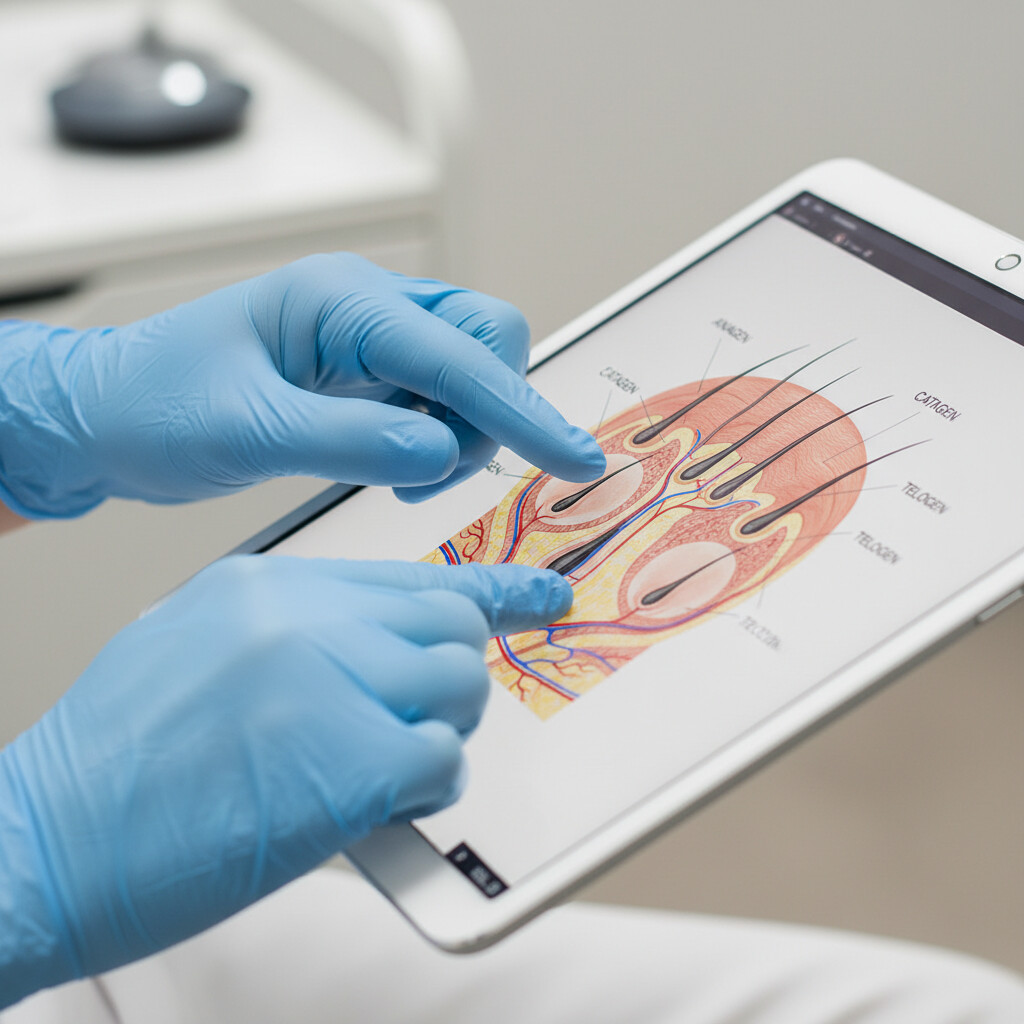
A reputable clinic will offer an in-depth consultation. This should involve a detailed assessment of your hair loss, a discussion of your medical history, a clear explanation of the proposed procedure (e.g., FUE, FUT), and realistic expectations for results. The consultation should feel personalized and informative, with ample opportunity for you to ask questions.
3. Examine Before & After Results Carefully
Review the clinic’s portfolio of results. Look for natural-looking hairlines, good density, and consistency across a range of patients with similar hair loss concerns to yours. Pay attention to the quality of the photography and whether the results appear genuinely natural and age-appropriate.
4. Read Independent Reviews and Testimonials
Seek out reviews from independent sources, patient forums, and medical review sites. While testimonials on a clinic’s website can be helpful, external reviews provide a more objective perspective. Look for patterns in feedback regarding patient care, results, and overall experience.
5. Inquire About the Surgical Team
Understand who will be performing the procedure. Is it the surgeon directly, or is it a team of technicians under their supervision? A highly experienced surgeon actively involved in the critical aspects of the procedure is essential for optimal outcomes.
6. Discuss Long-Term Planning
Hair loss is often a progressive condition. A good clinic will discuss how the restoration fits into a long-term plan, considering potential future hair loss and how to maintain a natural appearance over time.
Common Questions About Avoiding ‘Hair Mills’
Q1: How can I tell if a clinic is offering prices that are too low to be good quality?
A1: Extremely low prices can be a warning sign. Hair restoration is a complex surgical procedure that requires skilled professionals, specialized equipment, and significant time. If the cost seems disproportionately lower than other reputable clinics, it might indicate compromises in staff training, procedure quality, or the materials used. Always compare not just price, but the value and comprehensiveness of the service offered.
Q2: What should I do if I feel pressured during a consultation?
A2: If you feel pressured to make an immediate decision, commit to a procedure, or sign contracts without adequate time for consideration, this is a significant red flag. A reputable clinic will encourage you to take your time, gather information, and make a decision that feels right for you. You should feel empowered and informed, not coerced.
Q3: How important is the follow-up care after a hair restoration procedure?
A3: Follow-up care is crucial for monitoring healing, assessing results, and addressing any concerns that may arise. A clinic that offers comprehensive post-procedure support, including scheduled check-ups and accessibility for questions, demonstrates a commitment to your long-term success and well-being. Lack of attention to post-operative care can be a hallmark of a high-volume, low-care establishment.
Q4: Can a bad hair transplant from a ‘hair mill’ be fixed?
A4: Yes, in many cases, unsatisfactory results from previous procedures can be corrected or improved by experienced hair restoration surgeons. However, corrective procedures can be more complex, may require more grafts, and can be more expensive than a well-executed initial procedure. It’s always best to aim for excellent results from the outset by choosing a qualified provider.
Discussion Section
Choosing the right hair restoration provider is a significant decision, and experiences can vary widely. We encourage our community members to share their insights and perspectives.
- What factors were most important to you when selecting a hair restoration clinic, and why?
- Has anyone had an experience that helped them better understand the difference between a quality clinic and a less reputable one? Please share your insights.
- What advice would you give to someone who is new to researching hair restoration options and wants to ensure they are making a safe and effective choice?
Medical Disclaimer
This content is intended for informational purposes only and does not constitute medical advice. Hair restoration is a medical procedure, and individual results may vary. It is essential to consult with a qualified and licensed medical professional, such as a dermatologist or plastic surgeon specializing in hair restoration, to discuss your specific condition, suitability for treatment, and potential outcomes. A personalized assessment by a medical expert is the only way to determine the most appropriate course of action for your unique situation.