
What this guide will explain
- Understanding the optimal age range for hair transplant consideration.
- Key factors beyond age that influence treatment suitability.
- How genetics and hair loss patterns impact timing.
- Realistic expectations for outcomes at different life stages.
- The importance of a personalized medical consultation.
Navigating the Decision: When is the Right Time for a Hair Transplant?
Deciding on a hair transplant is a significant step, often accompanied by questions about timing. For many individuals aged 35 and above, concerns about thinning hair or receding hairlines become more prominent. This guide is designed to provide clear, objective information for mature adults who are seriously considering hair restoration. We aim to help you understand the factors that contribute to determining the most appropriate time for a hair transplant, focusing on achieving natural, long-lasting results that align with your personal goals and physiological stage.
This information is intended for adults who are researching their options and seeking a deeper understanding of the considerations involved in hair transplantation. Our goal is to equip you with the knowledge to have a more informed discussion with a medical professional, helping you make a confident decision based on a realistic assessment of suitability and potential outcomes. We will explore the nuances of age, hair loss progression, and individual health in determining the best time for this type of procedure.
Understanding Age and Hair Transplantation
While there isn’t a single ‘magic’ age that fits everyone, medical professionals generally consider individuals in their mid-30s and beyond to be prime candidates for hair transplantation. This is because, by this age, the pattern and progression of hair loss are often more established and predictable. Younger individuals may still be experiencing rapid hair loss, making it challenging to accurately plan for the future and ensure the transplanted hair will blend harmoniously with naturally thinning areas over many years.
The Role of Hair Loss Progression
Hair loss is a progressive condition. For younger men, in particular, the extent and pattern of future hair loss can be difficult to forecast. Transplanting hair too early might mean that the recipient areas become surrounded by further thinning or balding over time, potentially necessitating additional procedures or leading to an unnatural appearance. A more established pattern, typically seen in one’s 30s or later, allows for more precise planning. This helps ensure that the transplanted hair is placed strategically to create a balanced and enduring aesthetic result.
Genetic Factors and Predictability
Genetics play a crucial role in hair loss. Understanding your family history can offer insights into the likely trajectory of your own hair loss. For many, the most significant changes and stabilization of hair loss patterns occur by the mid-30s. This predictability is a cornerstone of successful hair transplant planning. It allows surgeons to estimate the amount of donor hair available and to design a hairline and density that will remain aesthetically pleasing as you age.
Key Considerations Beyond Age
Age is an important factor, but it is not the sole determinant of suitability for a hair transplant. Several other elements are crucial in the decision-making process:
Donor Hair Availability
The success of a hair transplant relies heavily on the quality and quantity of donor hair, typically harvested from the sides and back of the head. This hair is genetically resistant to the miniaturization that causes male pattern baldness. A thorough evaluation of your donor area by a qualified medical professional is essential to determine if sufficient hair is available to achieve your desired results. The density and coverage of your donor area are critical, regardless of your age.
Overall Health and Medical History
Good general health is a prerequisite for any surgical procedure, including hair transplantation. Individuals should be free from medical conditions that could complicate the procedure or hinder healing. A comprehensive review of your medical history, including any medications you are currently taking, will be conducted by your medical team. This ensures the procedure can be performed safely and effectively.
Realistic Expectations
It is vital to have a clear understanding of what a hair transplant can achieve. While the results can be very effective in restoring a fuller appearance, it’s important to set realistic goals. A hair transplant aims to create a natural-looking result that complements your facial structure and age. It’s not about achieving the density of one’s youth but rather about restoring a balanced and aesthetically pleasing hairline and scalp coverage.
Personal Goals and Motivation
Understanding your motivations for seeking a hair transplant is as important as the medical considerations. Are you looking to regain a youthful hairline, enhance your appearance, or boost your confidence? Discussing your personal goals with your surgeon will help ensure that the treatment plan aligns with your expectations and that you are pursuing the procedure for the right reasons.
Planning for a Hair Transplant: What to Expect
Once you and your medical team have determined that a hair transplant is a suitable option, the planning phase begins. This involves a detailed consultation where your hair loss pattern, donor area, and aesthetic goals are assessed. The surgical team will discuss the most appropriate techniques, the number of grafts needed, and the expected outcome.
The Consultation Process
During your consultation, expect a thorough examination of your scalp and hair. You’ll have the opportunity to discuss your medical history and ask questions. The surgeon will explain the procedure, including the estimated duration and recovery process. This is the time to ensure all your concerns are addressed and that you feel comfortable and confident moving forward.

Understanding the Procedure Overview
While specific medical details are best discussed with your doctor, the general hair restoration process involves carefully relocating individual hair follicles from a donor area to the thinning or balding areas of your scalp. The focus is on precision and natural placement to ensure the best aesthetic outcome. The procedure is typically performed on an outpatient basis.
Recovery and Long-Term Outlook
Recovery is generally straightforward, with most individuals returning to their normal activities within a few days to a week. The transplanted hair will go through a natural shedding cycle before new growth begins. Over the following months, the transplanted hair will gradually thicken and lengthen, leading to a more visible and natural-looking result. The goal is to achieve a result that looks natural and ages gracefully with you.
Common Questions About Hair Transplants for Mature Adults
Q1: Can I have a hair transplant if I have gray or white hair?
A1: Absolutely. The color of your hair does not typically affect eligibility for a hair transplant. The procedure works by transplanting active hair follicles, regardless of their current color. In fact, many individuals who undergo hair transplantation do so when they start noticing gray or white hairs, as it helps to restore a fuller look to complement their changing hair color.
Q2: How long does the result of a hair transplant last?
A2: When performed correctly, the results of a hair transplant are considered permanent. The transplanted hair follicles are taken from areas of the scalp that are resistant to balding. Once transplanted, these follicles continue to grow hair throughout your lifetime. However, it’s important to remember that the procedure addresses the transplanted areas. Natural progression of hair loss in non-transplanted areas may continue over time, which is why planning for future needs is crucial, especially for younger candidates.
Q3: Will a hair transplant look unnatural?
A3: A well-executed hair transplant should look entirely natural. Modern techniques focus on recreating a natural hairline that complements your facial structure and age. Surgeons pay close attention to the angle, direction, and density of hair placement to ensure the transplanted hair blends seamlessly with your existing hair. Consulting with an experienced and reputable surgeon is key to achieving a natural-looking outcome.
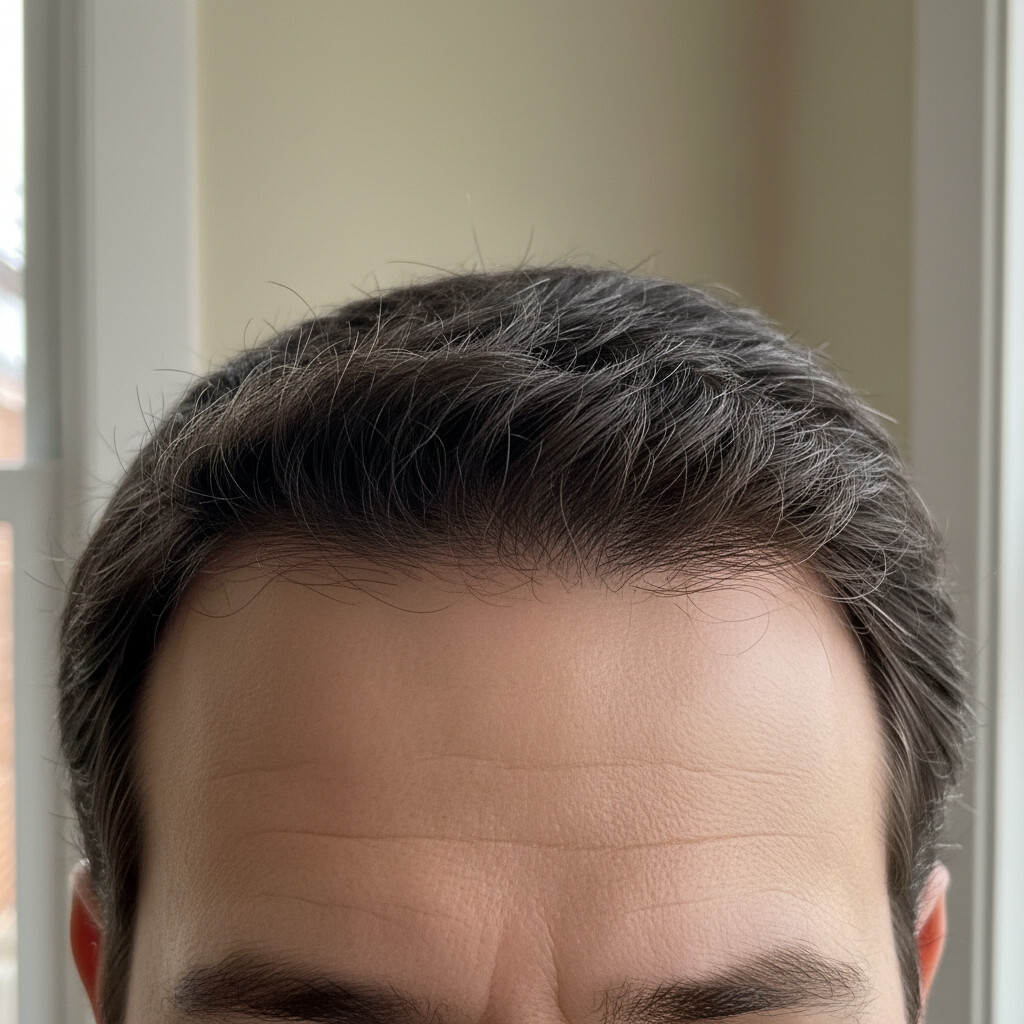
Q4: What if my hair loss continues after the transplant?
A4: This is a common consideration, particularly for individuals whose hair loss is still progressing. A skilled surgeon will take the future progression of your hair loss into account during the planning phase. They will aim to create a hairline and density that will look good for years to come, even if some natural thinning continues elsewhere. In some cases, non-surgical treatments may also be recommended to manage ongoing hair loss and maintain results. Discussing this possibility openly with your medical provider is essential.
Let’s Discuss Your Hair Restoration Journey
Every individual’s experience with hair loss and restoration is unique. Sharing insights and experiences can be incredibly valuable for those considering their options. We encourage you to engage in thoughtful discussion here.
- For those who have undergone a hair transplant, what factors were most important to you when deciding on the timing of your procedure?
- How did you manage your expectations regarding the recovery and growth phases after your hair restoration treatment?
- What advice would you give to someone in their mid-30s or older who is contemplating a hair transplant for the first time?
Medical Disclaimer
This content is for informational purposes only and does not constitute medical advice. The information provided here is not a substitute for professional medical advice, diagnosis, or treatment. Always seek the advice of your physician or other qualified health provider with any questions you may have regarding a medical condition. Never disregard professional medical advice or delay in seeking it because of something you have read here. Individual results may vary, and no guarantees can be made regarding specific outcomes.