Deciding when to undergo a hair transplant is a significant choice, and one of the most crucial factors influencing this decision is the stability of your hair loss, often referred to in Turkish as ‘dökülme’. While there isn’t a single universally ‘best’ age, understanding the progression of hair loss and ensuring it has reached a predictable pattern is paramount for achieving optimal and lasting results.
Key Considerations for Hair Transplant Timing:
- Understanding Hair Loss Progression: Recognizing the type and pattern of your hair loss.
- Donor Area Assessment: Evaluating the health and density of your donor hair.
- Future Hairline Planning: Projecting how your hair loss might evolve.
- Psychological Readiness: Being emotionally prepared for the procedure and recovery.
- Realistic Expectations: Understanding the outcomes and limitations of a hair transplant.
The Concept of Dökülme Stability
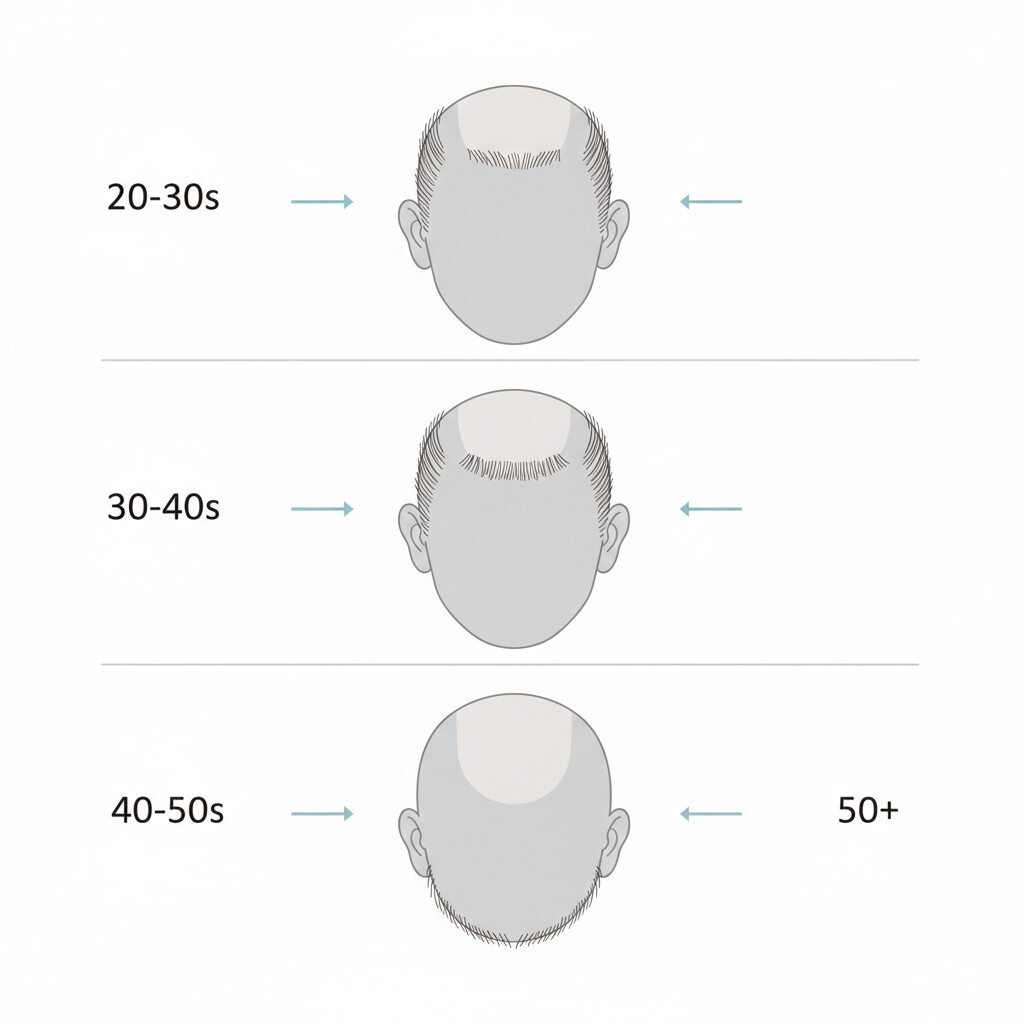
Hair loss, particularly androgenetic alopecia (male and female pattern baldness), is a progressive condition. It doesn’t typically happen overnight but rather over years. The term ‘dökülme stability’ emphasizes the need for your hair loss to have reached a point where its pattern is discernible and unlikely to change dramatically in the near future. If you undergo a hair transplant too early, before your hair loss pattern has stabilized, there’s a risk that the transplanted hair might look unnatural as non-transplanted areas continue to thin.
Why Early Intervention Can Be Risky
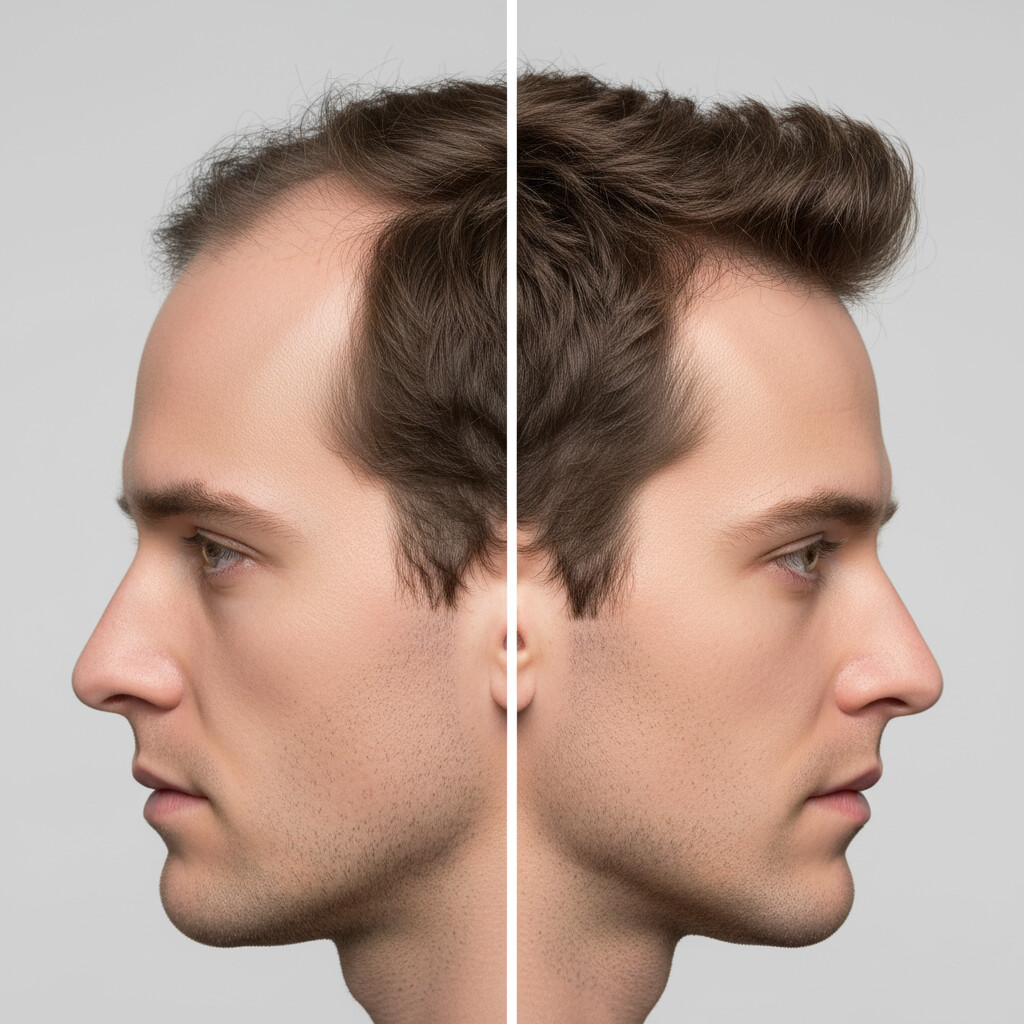
Imagine transplanting hair to the front of your scalp when the hair loss is still actively progressing towards the crown. The transplanted hair will remain, but the surrounding native hair will continue to fall out, potentially creating a ‘halo’ effect where the transplanted area looks disconnected from the thinning scalp. This can lead to the need for further procedures to maintain a natural appearance, increasing both cost and complexity.
Ideal Age Ranges and Considerations
While there’s no strict age limit, most surgeons recommend waiting until the late 20s or early 30s. Here’s why:
- Late Teens to Early 20s: Hair loss often begins in the late teens or early twenties. At this stage, the pattern is usually still very dynamic. The extent and future progression are highly unpredictable. It’s generally advisable to explore non-surgical options like minoxidil or finasteride to manage hair loss and observe its trajectory before considering a surgical solution.
- Mid-to-Late 20s: By this age, individuals often have a clearer picture of their hair loss pattern. They may have noticed significant thinning in specific areas (e.g., receding hairline, crown thinning). This is often the earliest point at which a reputable surgeon might consider a hair transplant, but only if the donor area is robust and the pattern is relatively stable.
- 30s and Beyond: This age range is frequently considered ideal for hair transplantation. By the 30s, the progression of androgenetic alopecia is typically well-established and predictable. The donor area has usually reached its maximum density, and the hairline recession pattern is more defined. This allows surgeons to design a natural-looking and age-appropriate hairline with a higher degree of confidence.
Assessing Dökülme Stability: What Surgeons Look For
When you consult with a hair transplant surgeon, they will meticulously assess several factors to determine if your hair loss has stabilized:
- Pattern of Loss: Is your hair loss following a typical male or female pattern baldness? Have the areas of thinning become consistent over the past few years?
- Rate of Loss: How quickly has your hair been thinning? Has the rate slowed down, or is it still rapid?
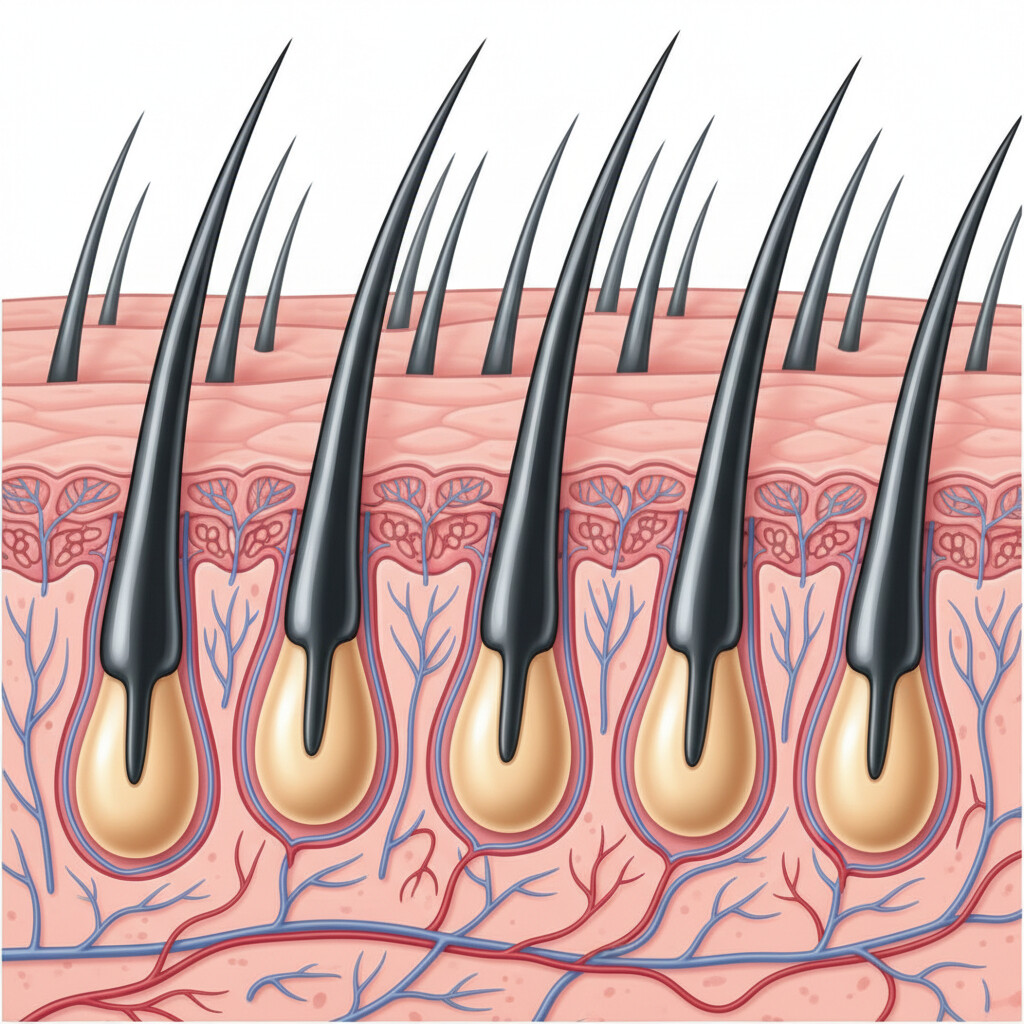
- Donor Area Quality: The density and health of the hair follicles in the donor area (typically the back and sides of the head) are critical. A strong donor area is essential for providing enough grafts for a successful transplant. Early loss of donor hair can also be a concern.
- Age and Genetics: While not the sole determinants, your age and family history of hair loss provide important clues about potential future progression.
The Role of Non-Surgical Treatments
Before committing to surgery, many individuals benefit from exploring non-surgical treatments. Medications like Finasteride (for men) and Minoxidil can help slow down hair loss and, in some cases, stimulate regrowth. These treatments can also help stabilize the existing hair, making the results of a future transplant look more seamless and natural. A surgeon may recommend using these medications for a period before surgery to assess their efficacy and achieve a more stable state of hair loss.
Planning for the Future
Effective hair transplant planning involves not just addressing current thinning but also anticipating future needs. A skilled surgeon will design a hairline that complements your facial features and looks natural as you age. They will also consider the potential need for future procedures to address continued thinning in other areas. This forward-thinking approach is crucial for long-term satisfaction.
Psychological Readiness and Expectations
Beyond the biological factors, being psychologically ready is vital. Hair transplant surgery is a significant procedure with a recovery period. It requires patience, as the final results can take 12-18 months to become fully apparent. Understanding the limitations of the procedure and having realistic expectations about the outcome will contribute significantly to your overall satisfaction.
In Conclusion
While there’s no magic age for a hair transplant, the most important factor is the stability of your dökülme. Generally, waiting until your late twenties or thirties allows for a more predictable assessment of hair loss patterns and ensures that the transplanted hair integrates naturally with your existing hair. Consulting with an experienced hair transplant surgeon is the best way to evaluate your individual situation, discuss your goals, and determine the optimal timing for your procedure. They can guide you through the process, considering your unique hair loss characteristics, donor supply, and long-term aspirations to achieve the most satisfying and enduring results.