
Choosing to undergo a hair transplant is a significant decision, often accompanied by many questions. For men aged 35 and above, understanding who is an ideal candidate is the first crucial step towards achieving satisfying, long-term results. This guide is designed to provide clarity on the factors that contribute to successful hair restoration, helping you make an informed choice about whether this procedure aligns with your expectations and needs.
This information is intended for mature individuals who are seriously considering hair restoration and prioritize natural-looking outcomes. We will explore the key elements that medical professionals evaluate when assessing candidacy, focusing on realistic expectations and the long-term vision for your hair. Our aim is to educate without pressure, offering a calm and comprehensive overview.
What this guide will explain:
- Key factors determining suitability for hair transplant surgery
- The role of hair loss progression in candidacy
- Understanding donor hair quality and quantity
- Realistic expectations for natural-looking results
- The importance of overall health and lifestyle
- What to consider during the consultation process
Understanding Hair Loss Progression and Stability
One of the primary considerations for a hair transplant is the pattern and progression of your hair loss. Hair restoration is most effective when hair loss has reached a relatively stable point. For men over 35, this often means the progression of conditions like androgenetic alopecia (male pattern baldness) has slowed or become predictable. Unpredictable or rapid hair loss can make it challenging to plan the procedure effectively, as future loss might disrupt the initial results.
Medical professionals will assess your current hair loss pattern and, if possible, discuss your family history to anticipate future thinning. The goal is to ensure that the transplanted hair will blend seamlessly with your existing hair for years to come.
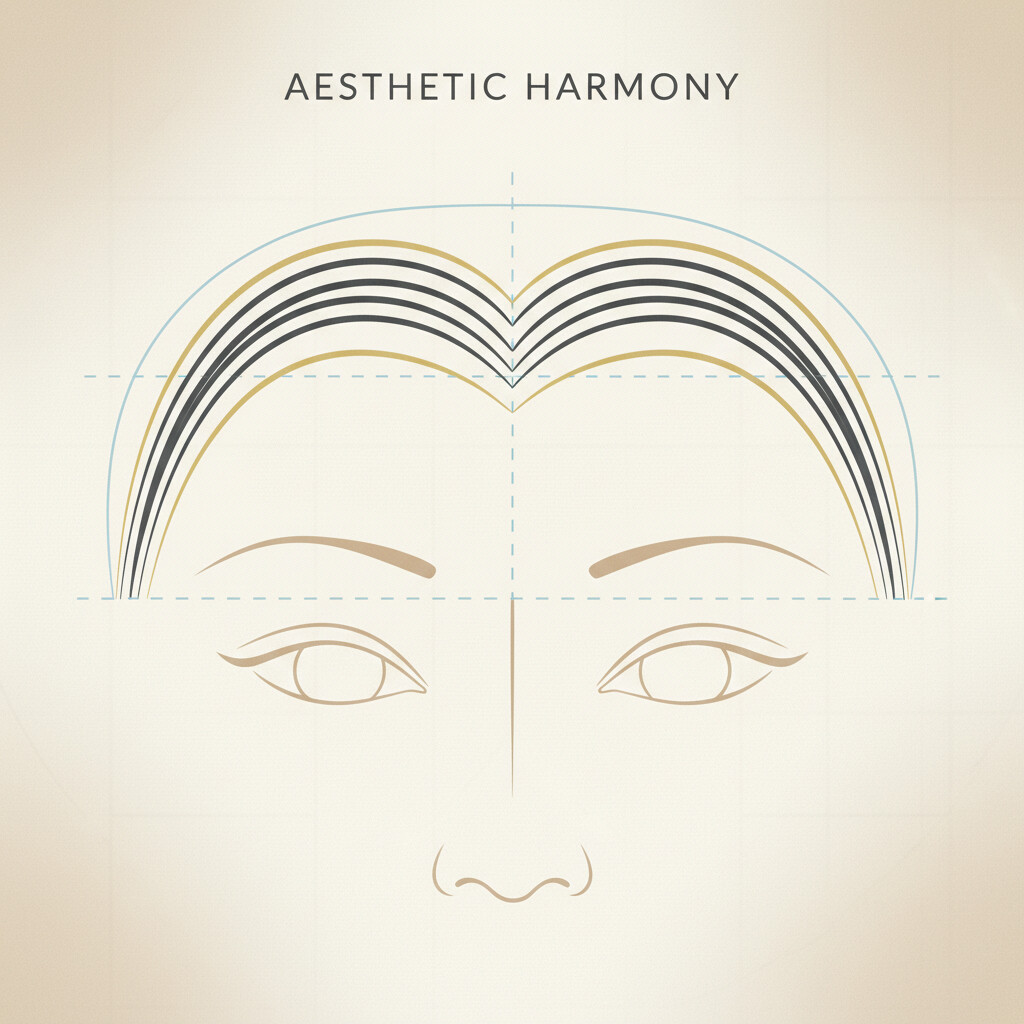
Why Stability Matters
If hair loss is still very active and progressing rapidly, a transplant might lead to an unnatural appearance over time. Hair that was not transplanted may continue to thin, creating a contrast with the newly placed hair. A stable pattern allows for strategic planning, ensuring that the hairline and density achieved are sustainable and aesthetically pleasing in the long run. This thoughtful approach is central to achieving a natural and enduring outcome.
The Importance of Donor Hair Quality and Quantity
The success of any hair transplant procedure hinges on the availability and quality of donor hair. This is typically harvested from the sides and back of the scalp, areas that are genetically resistant to balding. The density, thickness, and color of your donor hair are crucial factors.
Assessing Your Donor Area
During a consultation, a specialist will carefully evaluate your donor area. They will look for sufficient follicular units (groups of hairs) to transplant to the thinning or bald areas. A healthy, dense donor area provides the raw material needed for a natural-looking and effective restoration.

If the donor hair is sparse or of poor quality, it may limit the extent of the restoration possible or impact the final density. It’s important to have realistic expectations based on the assessment of your donor resources. The aim is always to achieve the best possible aesthetic outcome while preserving the donor area’s natural appearance.
Overall Health and Lifestyle Considerations
Beyond hair-specific factors, your general health plays a significant role in candidacy for a hair transplant. The procedure, while generally safe, is still a medical intervention. Candidates should be in good general health.
Health Conditions and Medications
Certain medical conditions or medications can affect the success of the procedure or the healing process. For example, conditions that impair healing or increase bleeding risk may require careful consideration. It’s vital to be open with your medical provider about your complete health history, including any chronic conditions, past surgeries, and current medications or supplements.
Lifestyle Choices
Lifestyle factors can also influence outcomes. Smoking, for instance, can impair circulation and slow healing. Maintaining a healthy diet and managing stress can contribute positively to the hair restoration process and overall well-being.

Realistic Expectations for Natural-Looking Results
One of the most critical aspects of candidacy is having realistic expectations. Hair transplantation aims to restore hair in a way that looks natural and is aesthetically pleasing, but it is not about recreating the exact density of a full, youthful head of hair. The goal is to achieve a harmonious and age-appropriate result.
The Art of Natural Hairlines
Creating a natural-looking hairline is an art form. It involves considering the individual’s facial structure, age, and gender to design a hairline that complements their features and appears organic. Advanced techniques focus on meticulous placement of individual follicular units to mimic natural growth patterns.
Long-Term Vision
Think about the long-term. How do you envision your hair in 5, 10, or 20 years? A good candidate understands that hair transplantation is often a staged process, and the goal is to achieve a result that ages gracefully with them. This means avoiding overly aggressive hairlines that might look unnatural as one gets older.
The Consultation Process
The consultation is your opportunity to discuss your concerns, understand your options, and for the medical team to assess your suitability. Be prepared to discuss your hair loss history, your goals, and any medical conditions you may have.
What to Expect During Consultation
A thorough consultation involves a visual examination of your scalp and donor area, a discussion about your medical history, and an explanation of the different hair restoration techniques. The specialist will then provide a personalized assessment of your candidacy, outline a potential treatment plan, and discuss expected outcomes.
Asking the Right Questions
This is the time to ask questions. Inquire about the specialist’s experience, the techniques used, the expected results, the recovery process, and the long-term plan. Understanding all aspects will help you feel confident in your decision.
Common Questions About Hair Transplant Candidacy
Q1: Is there an ideal age to have a hair transplant?
While there isn’t a strict minimum age, many professionals prefer to perform hair transplants on individuals whose hair loss pattern has stabilized, which often occurs after age 30 or 35. This helps ensure that the results will remain aesthetically pleasing long-term. However, candidacy is more about the stability of hair loss and donor resources than a specific age.
Q2: Can I have a hair transplant if I have very thin hair all over my scalp, not just a receding hairline?
Yes, it is often possible. This is typically addressed using Follicular Unit Transplantation (FUT) or Follicular Unit Extraction (FUE) techniques to add density where needed. The key is the availability of sufficient donor hair to achieve a noticeable improvement. A detailed assessment is crucial in these cases.
Q3: What if my donor hair is not very dense?
If donor hair density is a concern, the specialist will focus on maximizing the use of available grafts to achieve the best possible aesthetic outcome. This might involve planning for fewer grafts spread strategically or considering future sessions. The goal is always to create a natural appearance without depleting the donor area excessively.
Q4: Can stress cause hair loss that can be treated with a transplant?
Stress can cause temporary hair loss (telogen effluvium), which usually resolves on its own once the stressor is removed. Hair transplants are designed to address permanent hair loss, typically genetic in nature. If stress is the primary cause of thinning, other treatments might be more appropriate. A medical evaluation can help determine the cause of your hair loss.
Discussion Section
Every individual’s journey with hair restoration is unique. Sharing experiences can be incredibly valuable for others considering this path.
- For those who have undergone or are considering a hair transplant, what factors were most important to you when evaluating your candidacy?
- How did you approach managing your expectations about the results and the overall hair restoration process?
- What advice would you give to someone in their late 30s or 40s who is just starting to research hair transplant options?
Medical Disclaimer
This content is for informational purposes only and does not constitute medical advice. Hair transplantation is a medical procedure, and individual results can vary significantly. A thorough consultation and assessment by a qualified and licensed medical professional specializing in hair restoration are essential to determine your specific candidacy and the most appropriate treatment plan for your unique situation. No guarantees or assurances of specific outcomes can be made.