
Considering a hair transplant is a significant decision, often driven by concerns about hair loss and a desire to regain a fuller, more youthful appearance. While hair transplantation has become a highly effective and popular solution for many, it’s not a one-size-fits-all procedure. Understanding who makes a good candidate is crucial for achieving successful and satisfying results.
This guide will walk you through the key factors that determine suitability for a hair transplant. We’ll cover aspects like the type and extent of hair loss, donor hair availability, overall health, and realistic expectations.
Key Considerations for Hair Transplant Candidacy:
- Type and Pattern of Hair Loss: Understanding the cause and progression of your hair loss is paramount.
- Donor Hair Availability: The success of a hair transplant relies heavily on the quality and quantity of hair in the donor area.
- Overall Health Status: Certain medical conditions can impact surgical outcomes and recovery.
- Realistic Expectations: A clear understanding of what a hair transplant can and cannot achieve is vital.
- Age: While not a strict limit, age can be a factor in assessing long-term hair loss patterns.
Understanding Hair Loss Types and Patterns
Before diving into candidacy, it’s essential to understand the common causes of hair loss. The most prevalent form is androgenetic alopecia, commonly known as male-pattern baldness or female-pattern hair loss. This is a genetic condition that causes hair follicles to shrink over time, leading to thinning and eventual loss of hair in specific patterns.
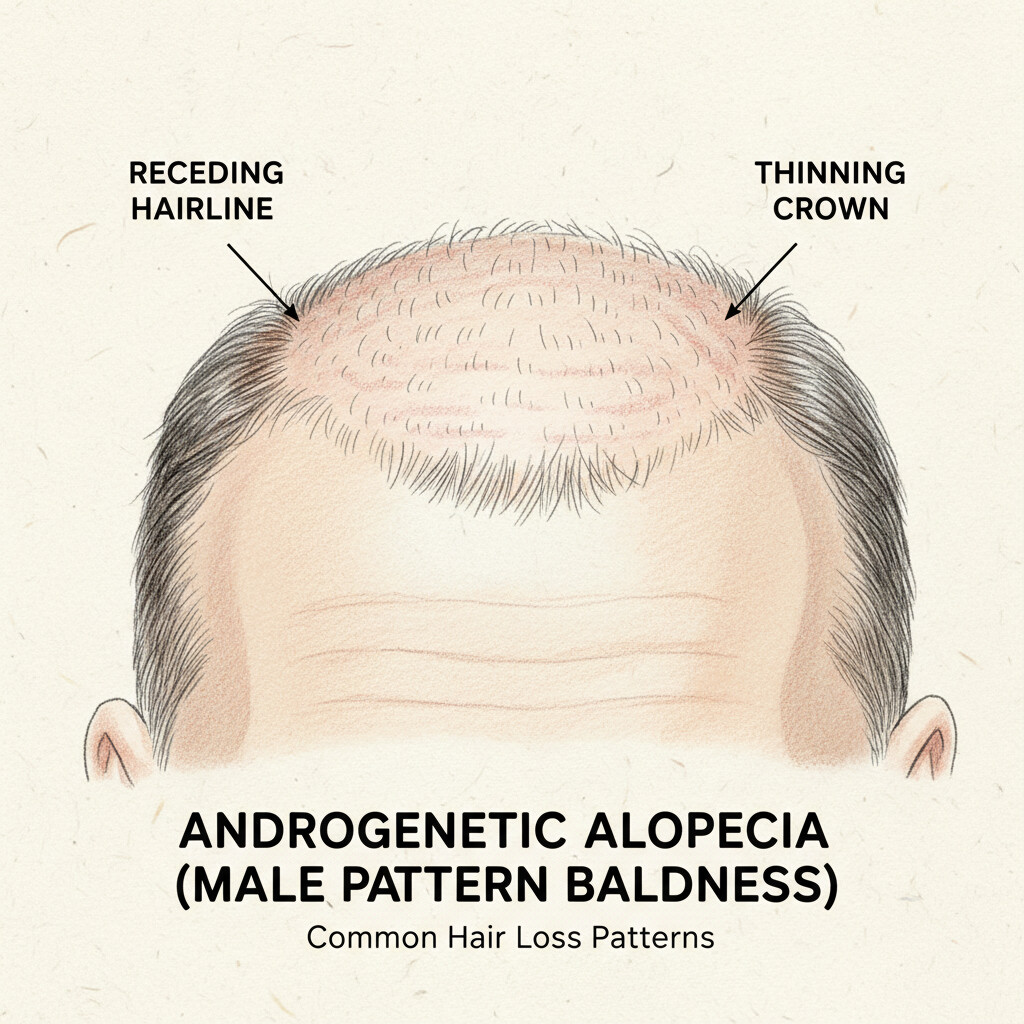
Other causes can include alopecia areata (an autoimmune condition), telogen effluvium (stress-related shedding), or hair loss due to medical treatments like chemotherapy. A qualified hair transplant surgeon will first diagnose the specific type of hair loss you are experiencing. Hair transplants are most effective for progressive hair loss conditions like androgenetic alopecia, where the hair loss is predictable. If your hair loss is due to a temporary condition, a transplant might not be necessary, or it might be best to wait until the condition resolves.
Donor Hair: The Foundation of a Successful Transplant
The core principle of a hair transplant is to relocate hair follicles from an area of the scalp where hair is dense and resistant to balding (the donor area) to the thinning or bald areas (the recipient area). For this reason, the availability and quality of your donor hair are perhaps the most critical factors in determining candidacy.
The most common donor area is the back and sides of the scalp, as the hair here is genetically programmed to resist the DHT hormone responsible for androgenetic alopecia. A surgeon will assess the density of hair in your donor area. If the donor hair is sparse or of poor quality (fine, weak, or easily falling out), there might not be enough grafts to create a natural-looking and dense result in the recipient area.
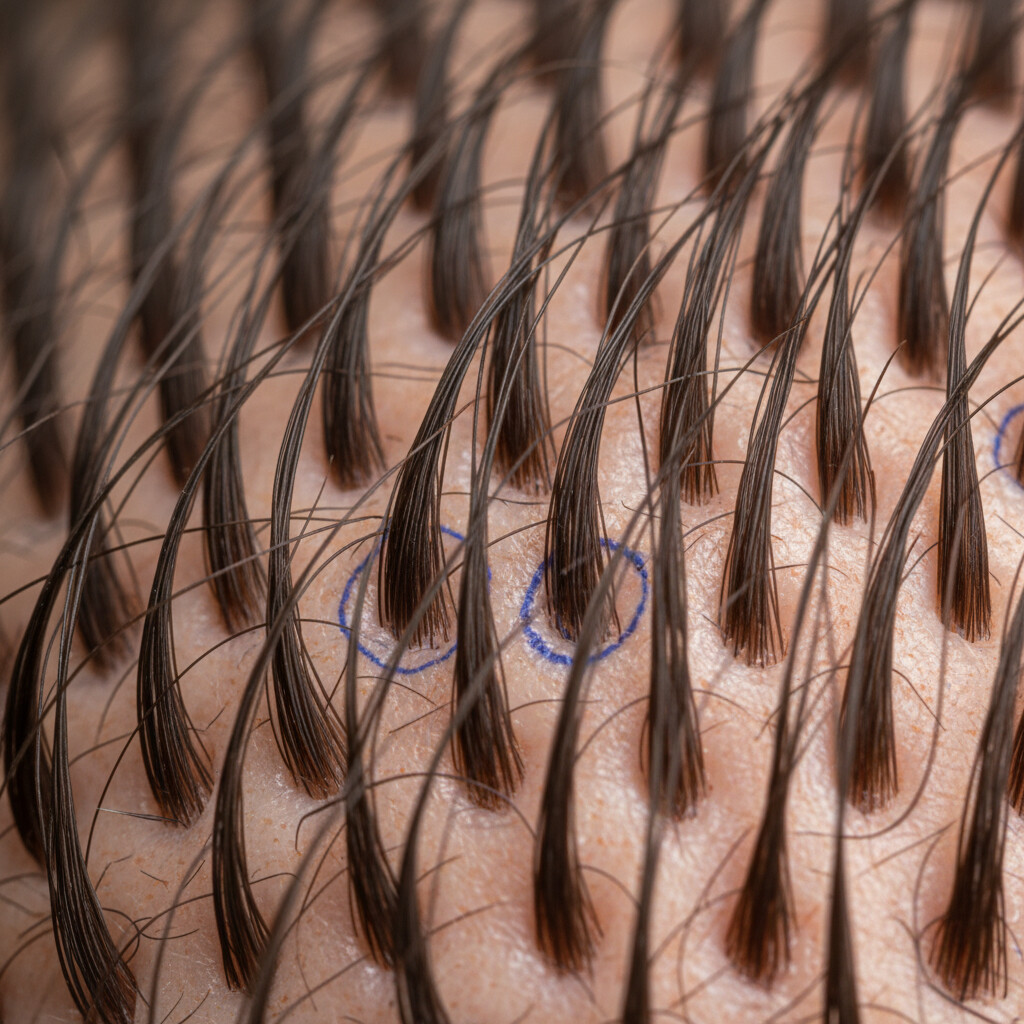
Transplant techniques like Follicular Unit Transplantation (FUT) and Follicular Unit Extraction (FUE) involve harvesting individual follicular units. The surgeon needs to ensure that enough healthy follicles can be removed without leaving the donor area visibly thinned. A thorough evaluation of your donor hair density, elasticity, and the nature of your hair (e.g., thickness, color contrast with the skin) will be performed by your surgeon.
Medical Health and Suitability
While hair loss might be the primary concern, your overall health plays a significant role in whether you are a good candidate for any surgical procedure, including hair transplantation. The procedure involves local anesthesia and sometimes mild sedation, but it is still a surgical intervention.
Individuals with certain medical conditions may not be suitable candidates. These can include:
- Uncontrolled Diabetes: High blood sugar levels can impede healing and increase the risk of infection.
- Bleeding Disorders: Conditions that affect blood clotting can lead to excessive bleeding during and after the procedure.
- Heart Conditions: Significant cardiovascular issues might make the stress of surgery too risky.
- Autoimmune Diseases: While some autoimmune conditions like alopecia areata can cause hair loss, undergoing a transplant while the condition is active might not be advisable, as the body’s immune system could potentially attack the transplanted follicles.
- Active Scalp Infections: Any active infection on the scalp needs to be treated before a hair transplant can be considered.
Your surgeon will conduct a thorough medical history review and may require clearance from your primary care physician before proceeding. It’s crucial to be transparent about all your medical conditions and medications.
Age and Long-Term Planning
Age is a factor, but not a strict exclusion criterion. Generally, younger individuals (under 25-30) might be advised to wait, especially if their hair loss pattern is still evolving. This is because their long-term hair loss progression is less predictable. Transplanting hair too early might lead to an unnatural appearance as the surrounding native hair continues to thin. The goal is to create a result that looks balanced both now and in the future, as surrounding non-transplanted hair continues to thin.
Conversely, older individuals are often excellent candidates, provided they are in good health. By a certain age, the pattern and extent of hair loss are usually well-established, allowing for more predictable and effective planning of the transplant.
Realistic Expectations: The Key to Satisfaction
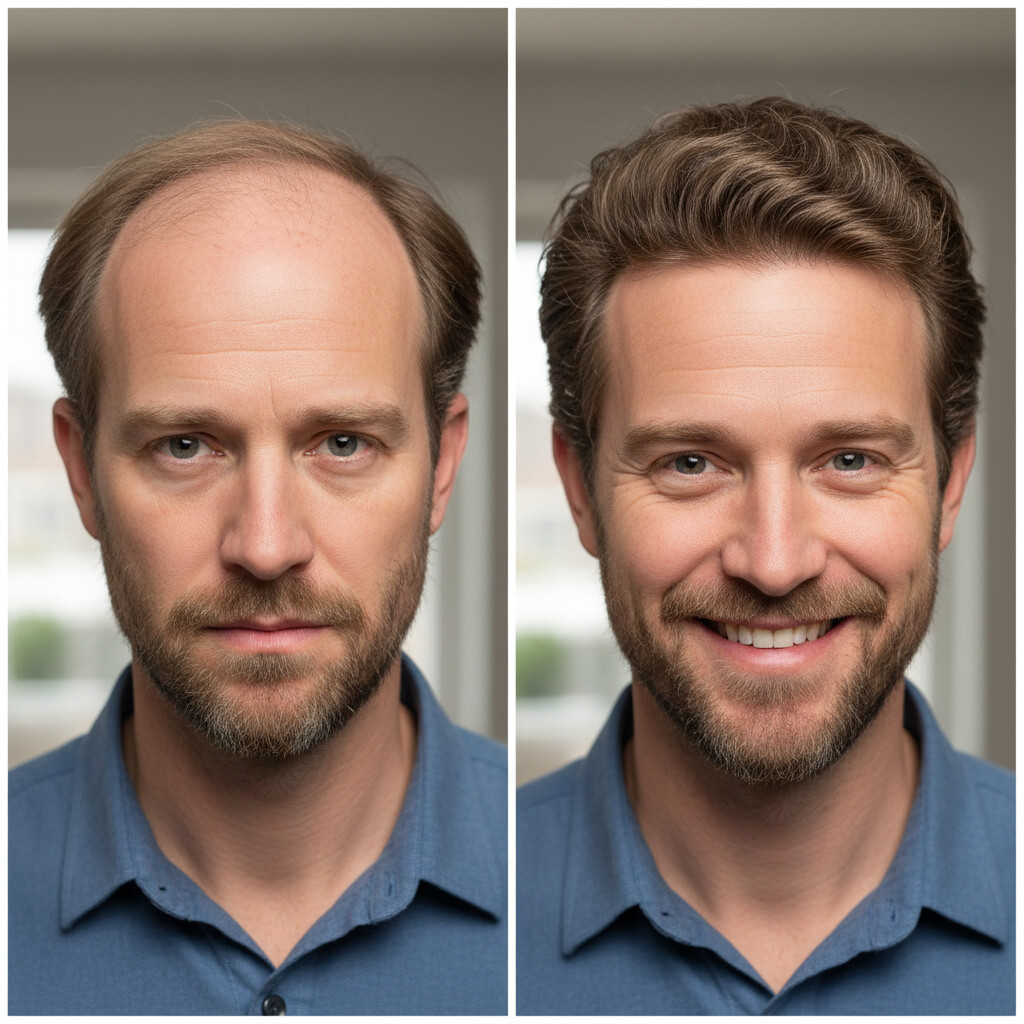
One of the most important aspects of candidacy is having realistic expectations. A hair transplant is not magic; it’s a surgical procedure designed to restore hair in areas of thinning or baldness. While results can be dramatic and life-changing, it’s essential to understand:
- Density: While significant improvement in density can be achieved, it’s often not possible to replicate the density of a full, young head of hair. The number of grafts is limited by donor hair availability.
- Natural Appearance: Modern techniques like FUE and FUT are designed to create a very natural look, with transplanted hairs blending seamlessly with existing hair. The hairline design is crucial for this.
- Timeframe: Hair growth takes time. You won’t see the final results immediately. Significant growth is typically visible from 6-12 months post-surgery, with final results often seen around 18 months.
- Maintenance: For those with ongoing hair loss, future procedures might be necessary to maintain a consistent appearance as native hair continues to thin.
The Consultation: Your First Step
The best way to determine if you are a good candidate for a hair transplant is to schedule a consultation with a reputable and experienced hair transplant surgeon. During the consultation, the surgeon will:
- Assess your hair loss pattern, extent, and cause.
- Evaluate the density and quality of your donor hair.
- Review your medical history.
- Discuss your goals and expectations.
- Explain the different surgical techniques (FUT, FUE) and their suitability for you.
- Provide a personalized treatment plan and an estimate of the number of grafts needed.
In conclusion, a good candidate for a hair transplant is typically someone experiencing progressive hair loss (like androgenetic alopecia), has sufficient healthy donor hair, is in good overall health, and has realistic expectations about the outcomes and recovery process. If you are concerned about hair loss, consulting with a specialist is the most effective way to understand your options and determine the best path forward.