
By ForumHairTransplant Editorial Team · Prepared with AI assistance · Sources checked: 19 October 2026
Istanbul is one of the busiest cities in the world for hair transplants. The main draws are prices that are often well below those in Western Europe, North America or Australia, all-inclusive packages built for international patients, and a city many people want to visit anyway. The trade-offs are real: quality varies widely between clinics, some operate on a high-volume model with limited doctor involvement, and follow-up happens at a distance once you fly home. This guide covers cost, how to choose a clinic in Istanbul, and how to plan the trip.
Key takeaways
- Prices in Istanbul are often much lower than in many Western countries, but they vary widely, and the cheapest packages carry the most risk.
- The number of clinics is both a strength and a problem. Quality ranges from excellent to poor, so check who performs your surgery.
- Most packages assume a short stay of a few nights. Sightseeing is best done before surgery, not in the first days after.
- Agree on follow-up, a written surgical report and what happens if something goes wrong before you travel.
Why Istanbul is so popular
Several things together explain Istanbul’s position:
- Cost. Lower running costs and strong competition keep prices down. Many clinics sell packages that include transfers, hotel and medications. For more background, see why Turkey is so popular for hair transplants.
- Experience with volume. Many teams perform hair transplants every day, and many are used to international patients.
- Access. Istanbul has direct flights from much of Europe, the Middle East and beyond, and two international airports.
- The city itself. Some patients like the idea of combining treatment with a visit to a city they have wanted to see.
These are genuine advantages, but they are also why so many clinics compete for the same patients, and why marketing in this market can be aggressive.
What a hair transplant in Istanbul costs
Packages for international patients are often advertised in the low thousands of euros, dollars or pounds, and are usually priced per procedure or per graft range. The final price depends on:
- The number of grafts and the size of the area to be treated.
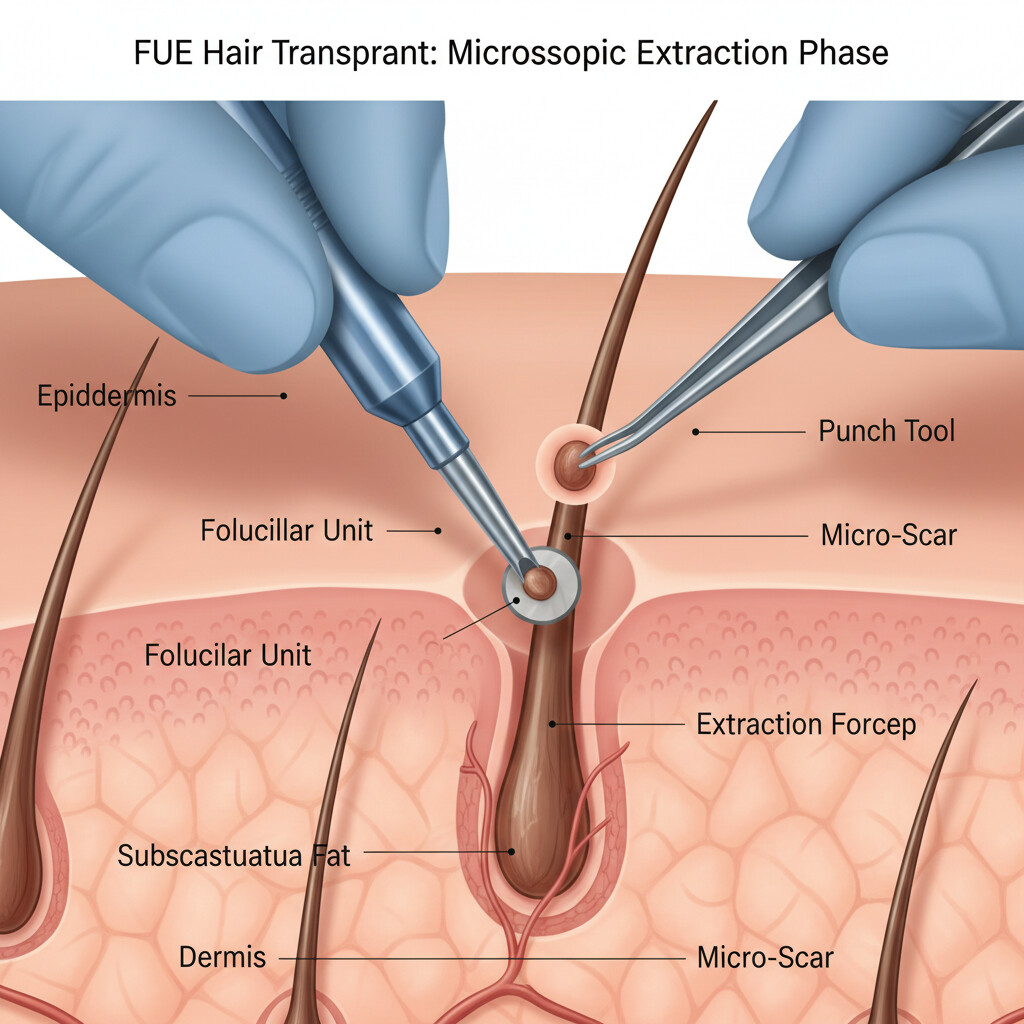
- The technique (for example FUE with sapphire blades or DHI with implanter pens).
- How much of the procedure the doctor performs personally.
- What the package includes: hotel standard, number of nights, transfers, medications, PRP.
If you are comparing with prices at home, see UK vs. Turkey hair transplant cost.
Be cautious with prices far below the rest of the market. A very cheap package often means many patients per day, technicians doing most of the work, and less time spent on planning and graft handling.
The risks to weigh
A hair transplant is surgery, wherever it is done. The general risks include infection, poor growth, an unnatural hairline, and damage to the donor area from overharvesting. Some risks are more specific to high-volume medical tourism:
- Limited doctor involvement. In some clinics, technicians carry out most of the procedure and the doctor is barely present. Clinics built around this model are sometimes called hair mills. See what a hair mill is and how to avoid one.
- Sales-led planning. Graft numbers and hairlines are sometimes agreed with a coordinator from photos before a doctor has seen you.
- Rushed timelines. Short stays leave little time for a proper consultation on the day, or for questions afterwards.
- Distance after surgery. Once you are home, the clinic can only follow you up remotely, and dealing with problems or disputes from abroad is harder.
How to choose a clinic in Istanbul
With so many options, a structured check helps more than scrolling through reviews.
- Check the licence and the doctor. Clinics performing hair transplants must be licensed by the Turkish Ministry of Health, and the doctor must be licensed to practise. Ask for the doctor’s full name and check it. Our guide on verifying clinic credentials in Turkey shows how.
- Ask who does what. Who designs the hairline, makes the recipient incisions and extracts the grafts? How many patients are treated that day?
- Ask for a doctor’s assessment. Your graft estimate and plan should come from a doctor, not only from a coordinator.
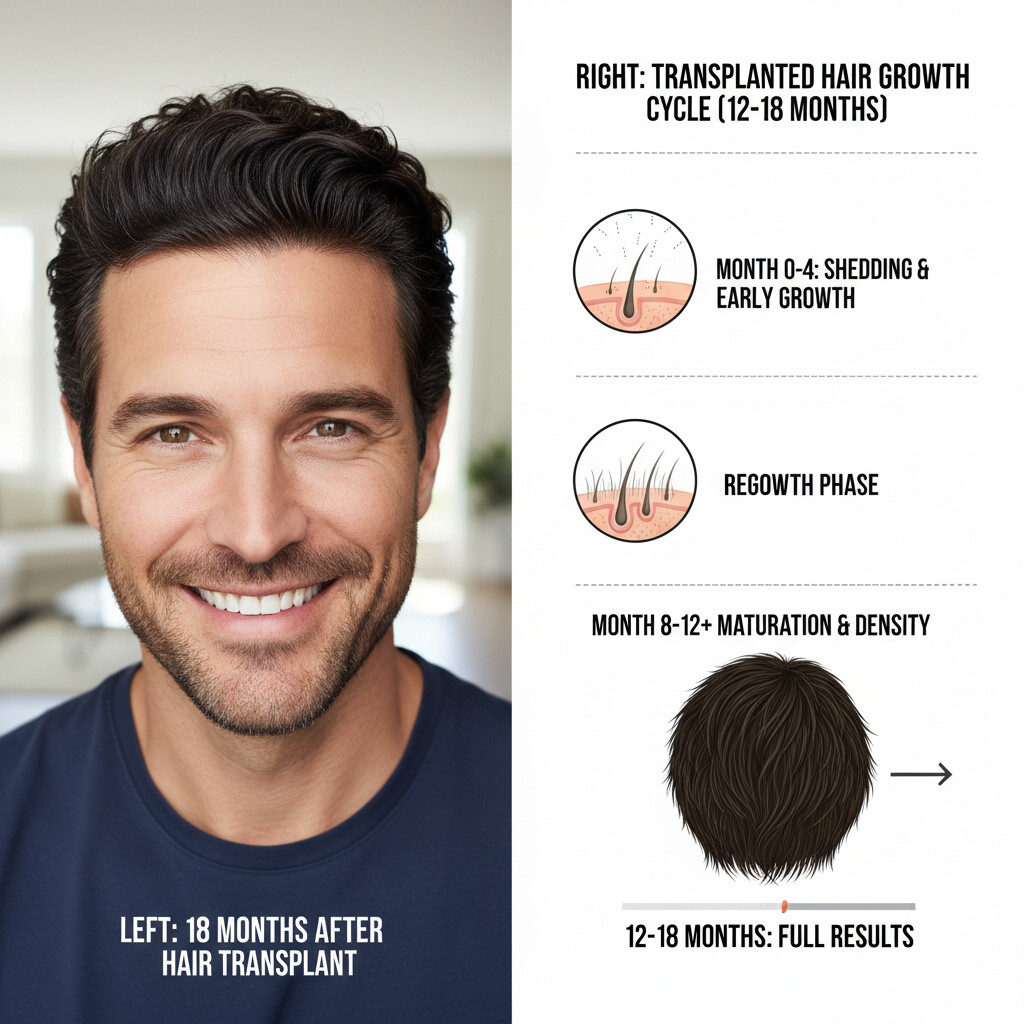
- Look at many results. Ask for cases similar to yours at 12 months or later, including the donor area, in consistent lighting.
- Read independent experiences. Patient threads on this forum, including the negative ones, tell you more than testimonials on a clinic website.
- Get everything in writing. The price, graft range, what’s included, deposit terms, follow-up plan and what any guarantee actually covers.
- Watch for pressure. “Today only” discounts, large deposits and reluctance to answer questions are red flags.
Planning the trip
How long to stay
Most packages assume a stay of around three to four nights: arrival and blood tests, the procedure, a check-up, and often the first wash at the clinic before you fly. If you can, add an extra night so you are not rushing to the airport. Our guide to the hair transplant journey in Turkey walks through a typical schedule day by day.
Before you go
- Check whether your travel insurance covers a planned medical procedure abroad. Many standard policies don’t.
- Tell the clinic about any medications and medical conditions well in advance.
- Pack loose, button-up tops and a loose hat that won’t press on the grafts.
- Book flights that leave you enough time after the first check-up.
Sightseeing: before, not after
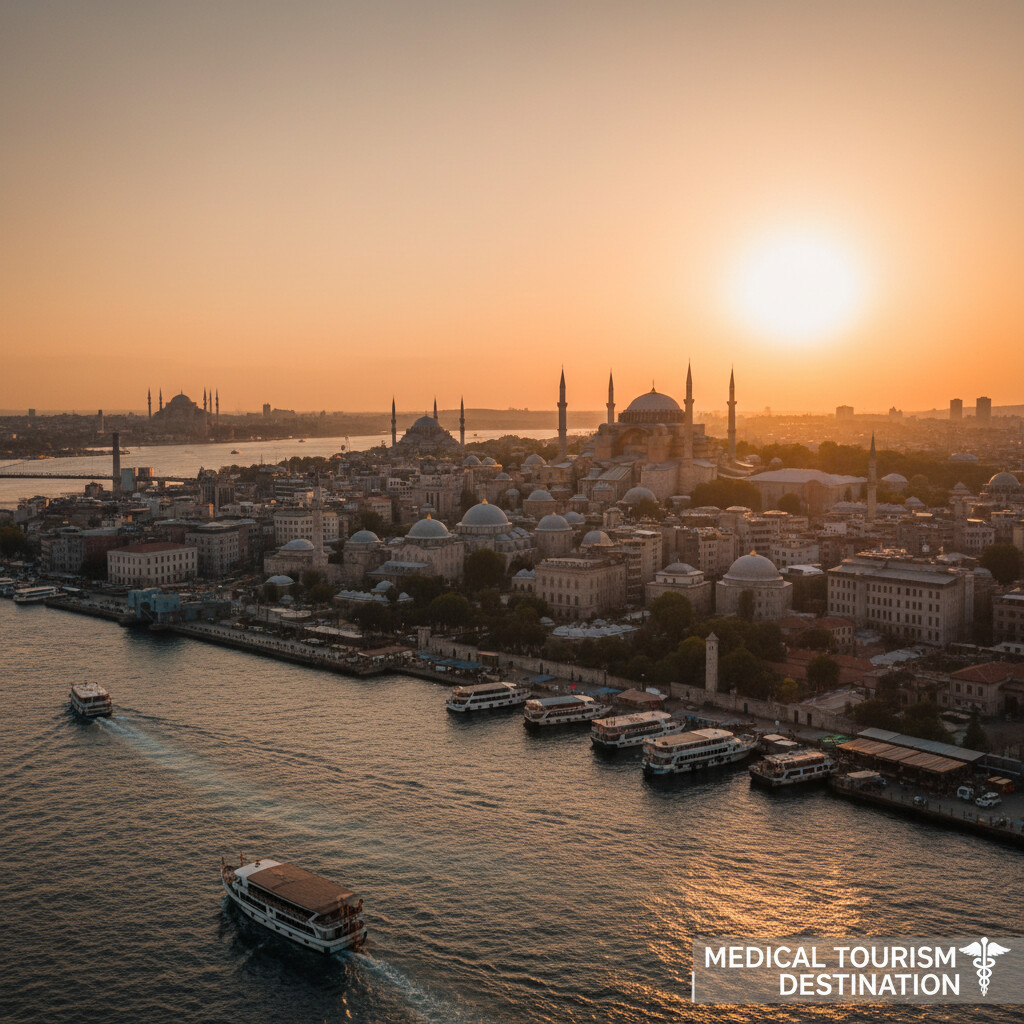
Istanbul has plenty to see, from the historic peninsula to the Bosphorus. But the first days after surgery are not a holiday. Your scalp will be sore and possibly swollen, and you need to avoid sun on the grafts, heavy sweating, crowds where your head could be bumped, and tight hats. If sightseeing matters to you, arrive a day or two early and do it before the procedure. After surgery, keep plans light and stay close to the hotel.
After you fly home
Before leaving, ask for a written surgical report (graft count, technique, areas treated, medications) and agree on how follow-up will work: who reviews your photos, at what intervals, and how to reach someone quickly if you see signs of infection. Keep your aftercare instructions somewhere easy to find.
Common questions
Is it safe to have a hair transplant in Istanbul?
It can be, but safety depends on the clinic and the doctor, not the city. Good and poor clinics operate side by side. Checking licences, doctor involvement and patient numbers per day is the best protection.
Can I combine the trip with a holiday?
Yes, if you plan it around the procedure. Sightseeing before surgery is fine. The days after surgery should be quiet, out of the sun and away from crowds.
Are the cheapest Istanbul packages worth it?
Price alone is a poor guide. A package far below the market average often means less doctor time and more patients per day. Repairing a poor result costs more than the savings.
Discussion
If you had your transplant in Istanbul, how did the clinic compare with what was promised, and what would you plan differently about the trip? And if you are researching now, which questions are you finding hardest to get clear answers to?
Sources
- Cosmetic surgery abroad, NHS
- Treatment abroad checklist, NHS
- Surgery abroad, cut out the risk, Travel Aware (GOV.UK campaign)
- Health - Turkey travel advice, FCDO, GOV.UK
Related guides
- Why Is Turkey So Popular for Hair Transplants?
- Hair Transplant in Turkey: What to Expect Day by Day
- Are Hair Transplant Clinics in Turkey Safe? What to Check
- Verifying Hair Transplant Clinic Credentials in Turkey: A Guide for Discerning Patients
- UK vs. Turkey Hair Transplant Cost: Are the Savings Worth the Travel?
About this guide: ForumHairTransplant.com is an independent patient community. We are not affiliated with any clinic or surgeon, and we don’t accept payment for rankings, reviews or recommendations. This article is general information, not medical advice. Talk to a qualified doctor about your own situation.