
By ForumHairTransplant Editorial Team · Prepared with AI assistance · Sources checked: 19 October 2026
Yes, you can usually wear short hair after a hair transplant, but short styles are less forgiving than longer ones. With little length to cover the scalp, the hairline design, the angle of each graft, the density and the condition of the donor area are all easier to see. Most people can wear a short scissor cut or a longer clipper grade once they have healed, but very short buzz cuts may reveal donor scarring. If you plan to keep your hair short, say so at the consultation, because it changes how the procedure should be planned.
Key takeaways
- Short hair shows more scalp, so natural design matters more: soft, irregular hairline, single-hair grafts at the edge, low angles and correct direction.
- FUE leaves many tiny dot scars and FUT leaves a linear scar. Either may show with very short clipper cuts, depending on your healing and how many grafts were taken.
- Density limits are more visible with short hair. A well-designed, moderate density usually looks better than an overly packed front.
- Most clinics allow gentle scissor trims after a few weeks and clippers on the donor area after one to two months. Follow your own surgeon’s timing.
- In the first months, short hair makes normal shedding and uneven early growth more noticeable. Plan for that.
Why short hair changes the planning
Longer hair can hide a lot. It overlaps, covers the scalp and can be styled to hide gaps. With short hair, each hair stands more on its own, so you see more of:
- Where hairs sit: gaps, rows or clusters are easier to spot.
- How they exit the skin: hairs placed too steeply stick up instead of lying naturally.
- The donor area: the back and sides are often cut very short, which can show scarring or overharvesting.
This is why patients who keep their hair short need a plan built for that from the start. Our guide on whether transplanted hair looks natural explains the general principles.
The hairline
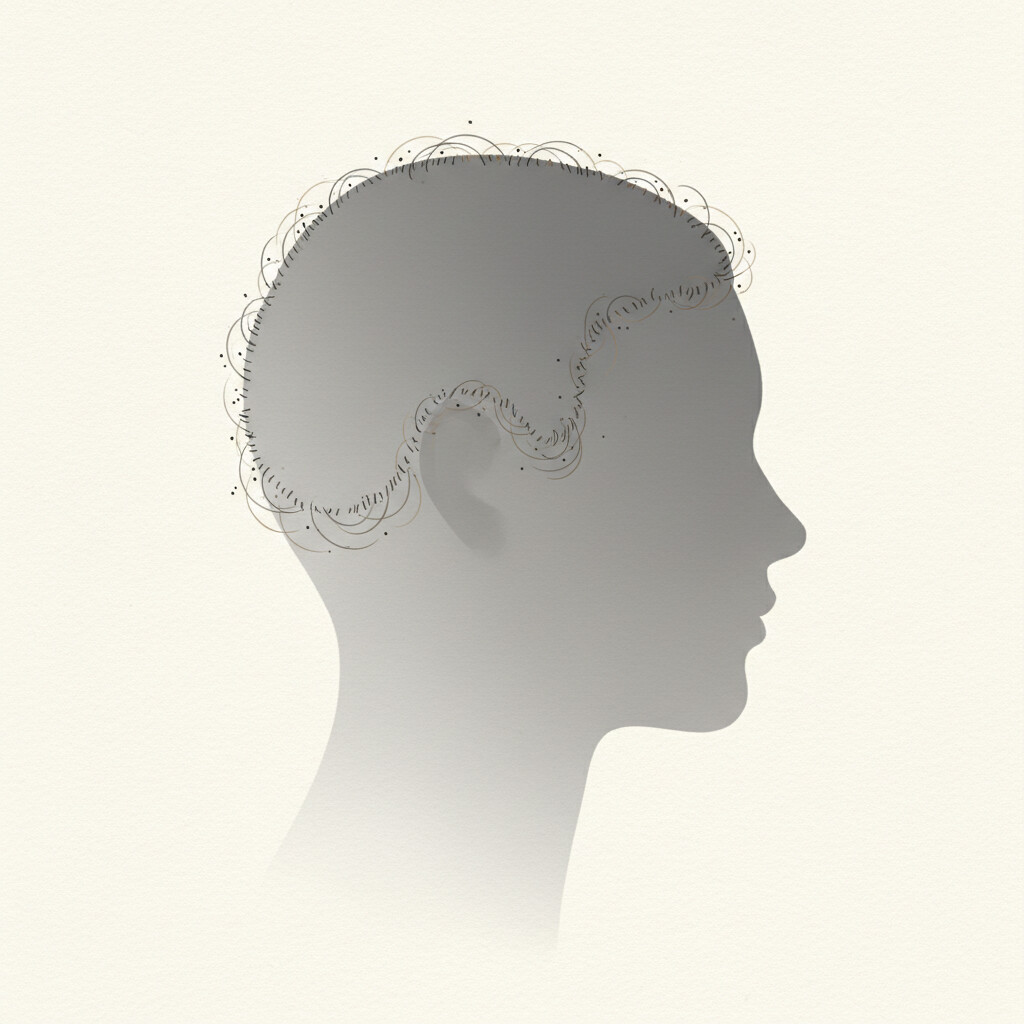
A hairline that works with short hair usually has:
- A soft, irregular front edge made of single-hair grafts, with a gradual increase in density behind it.
- Low angles so the hair lies forward rather than standing up.
- Natural temples, with some recession rather than a flat, straight line across the forehead.
- An age-appropriate height, which will still look right as you get older. This matters more as your face and hair change with age.
With short hair, a hairline that is too low, too straight or too dense is harder to disguise than with a longer style.
Density and coverage
Your donor area supplies a limited number of grafts. With short hair, the difference between a dense result and a moderate one is more visible, especially under overhead light. See how lighting affects how results look.
Things that help short-haired patients:
- Focusing grafts on the front where they have the most visual effect.
- Matching density to the surrounding native hair so there is no obvious transition.
- Hair characteristics: darker hair on pale skin shows more contrast. Wavy or coarse hair covers better than fine, straight hair.
The donor area: scars and short cuts
This is the part many people underestimate.
- FUE leaves many small round scars spread across the donor area. At moderate clipper lengths they are usually hidden. At very short lengths some people can see them, especially if many grafts were taken or healing left white dots.
- FUT leaves a single linear scar across the back of the head. It is usually covered by a few centimetres of hair, but it may show with a very short clipper cut.
- Overharvesting can leave the back and sides visibly thin, which is especially obvious with short hair.
If you want to keep your sides and back very short, discuss it with your surgeon. It can affect the choice of technique and how many grafts should be taken. Read more in hair transplant scars. Some people use scalp micropigmentation to reduce the visibility of donor scars.

What to tell your surgeon
Be specific at the consultation:
- Which clipper grade or length you normally use on the back and sides.
- How short you keep the top.
- How you style your hair (forward, up, to the side).
- Whether you ever shave your head completely.
Ask them to show how the planned hairline and donor harvesting would look at your usual length.
When can you cut your hair short again?
Clinic advice varies. Commonly:
- Scissor trims of the surrounding hair are often allowed after a few weeks.
- Clippers on the donor area are often allowed after about one to two months, once the skin has healed.
- Clippers on the transplanted area, or shaving close to the skin, are usually advised later, often after several months.
Always follow your surgeon’s instructions. Our guide on when you can cut or shave transplanted hair covers this in more detail. Tell your barber you’ve had a transplant, and ask them to avoid pressing hard or using harsh products in the first months.
The first year with short hair
Short hair makes the early stages more visible:
- Weeks 2-8: most transplanted hairs shed. This is normal shedding, not a failure.
- Shock loss: some native hair near the operated area may fall out temporarily. It usually grows back.
- Months 3-8: new hairs come in at different times, often fine and uneven.
- Months 12-18: the final result, often later for the crown.
Some people keep the top a little longer during this period to blend uneven growth, then go shorter once the result has matured. For ideas, see styling tips for transplanted hair.

Will people notice?
With good design and a healed donor area, most people won’t notice at a normal short length. Someone who looks closely, such as a barber working with clippers, may spot FUE dots, a strip scar or a very uniform hairline. See whether barbers can tell you had a transplant. A natural look at normal viewing distance is a realistic goal. Being impossible to detect at every length is not.
When to contact your surgeon
Speak to your surgeon if the donor area stays red, lumpy or painful for weeks, if a scar is widening, or if you see signs of infection such as pus, heat or spreading redness. Also ask for a review if growth is still sparse after 12 months.
Common questions
Can I have a buzz cut after FUE?
Many people wear moderate clipper grades without visible scarring. Very short buzz cuts or skin fades may show small white dots, especially after a large session.
Is FUE always better than FUT for short hair?
FUE avoids a linear scar, which is why it is often preferred by people who keep their hair short. It still leaves scars, and it is not the only factor to consider.
Does short hair make a transplant look less dense?
Yes, short hair usually shows more scalp than longer hair at the same density.
Discussion
Do you keep your hair short after a transplant? What clipper grade do you use on the sides, and how did your donor area look at that length? Share your experience with others planning the same.
Sources
- Hair transplant, NHS
- Hair Transplant: How Does It Work, Success Rates, Cleveland Clinic
- Recovery (Hair Transplantation and Restoration), American Society of Plastic Surgeons
- Complications in Hair Transplantation (Kerure and Patwardhan), Journal of Cutaneous and Aesthetic Surgery
These sources cover the general topic. They do not answer every detail in this guide, so follow your surgeon’s written instructions.
Related guides
- Does Transplanted Hair Look Natural? Achieving Optimal Aesthetics
- Can Barbers Tell You Had a Hair Transplant?
- How to Style Transplanted Hair: Tips for Natural-Looking Results
- When Can I Cut or Shave My Transplanted Hair?
- Scalp Micropigmentation vs Hair Transplant: Pros, Cons and Uses
About this guide: ForumHairTransplant.com is an independent patient community. We are not affiliated with any clinic or surgeon, and we don’t accept payment for rankings, reviews or recommendations. This article is general information, not medical advice. Talk to a qualified doctor about your own situation.