
For many people with diabetes, yes: an FUE hair transplant can be done safely when blood sugar is well controlled and there are no serious diabetes-related complications. Diabetes on its own is usually not a reason to refuse surgery. What matters is how stable your control is, which medications you take, and whether your heart, kidneys and circulation are healthy enough for a long elective procedure. Poorly controlled diabetes raises the risk of slow healing and infection, and in that case most surgeons will ask you to improve control first.
Key takeaways
- Well-controlled type 1 or type 2 diabetes is often not a barrier to FUE. Poorly controlled diabetes usually means postponing surgery until it is better managed.
- Expect the clinic to ask for a recent HbA1c and other blood tests. What counts as “acceptable” varies between surgeons, so your own diabetes doctor should be part of the decision.
- The main extra risks are slower wound healing, infection, and unstable blood sugar during a long procedure day.
- Never stop or change insulin or tablets on your own before surgery. Agree a plan for the day with your diabetes doctor and the surgeon.
- Tell the clinic about any complications, such as neuropathy, kidney disease, eye disease or heart problems. These can change the plan more than the diabetes itself.
Why diabetes matters for a hair transplant
FUE is a minor procedure compared with most surgery. It is done under local anaesthetic and does not involve opening the body. But it still creates hundreds or thousands of tiny wounds in the donor and recipient areas, it can take most of a day, and the transplanted grafts depend on a good blood supply to survive in their new position.
Diabetes can affect this in a few ways:
- Wound healing: high blood sugar over time slows the healing of small wounds. Scabs may take longer to clear and the donor area may take longer to settle.
- Infection: people with poorly controlled diabetes are more prone to infection. Every extraction and recipient site is a small opening in the skin. Our guide to hair transplant risks such as infection and necrosis covers what these problems look like.
- Small blood vessels: long-standing diabetes can damage small blood vessels. Grafts need a healthy blood supply in the scalp, so this is one reason good control matters for growth.
- Blood sugar swings on the day: a long procedure, changes to meals, stress, and some medicines used around surgery can push blood sugar up or down.
None of this means the procedure is unsafe for diabetics. It means the risks are higher when control is poor, and lower when it is good.
Blood sugar control and HbA1c
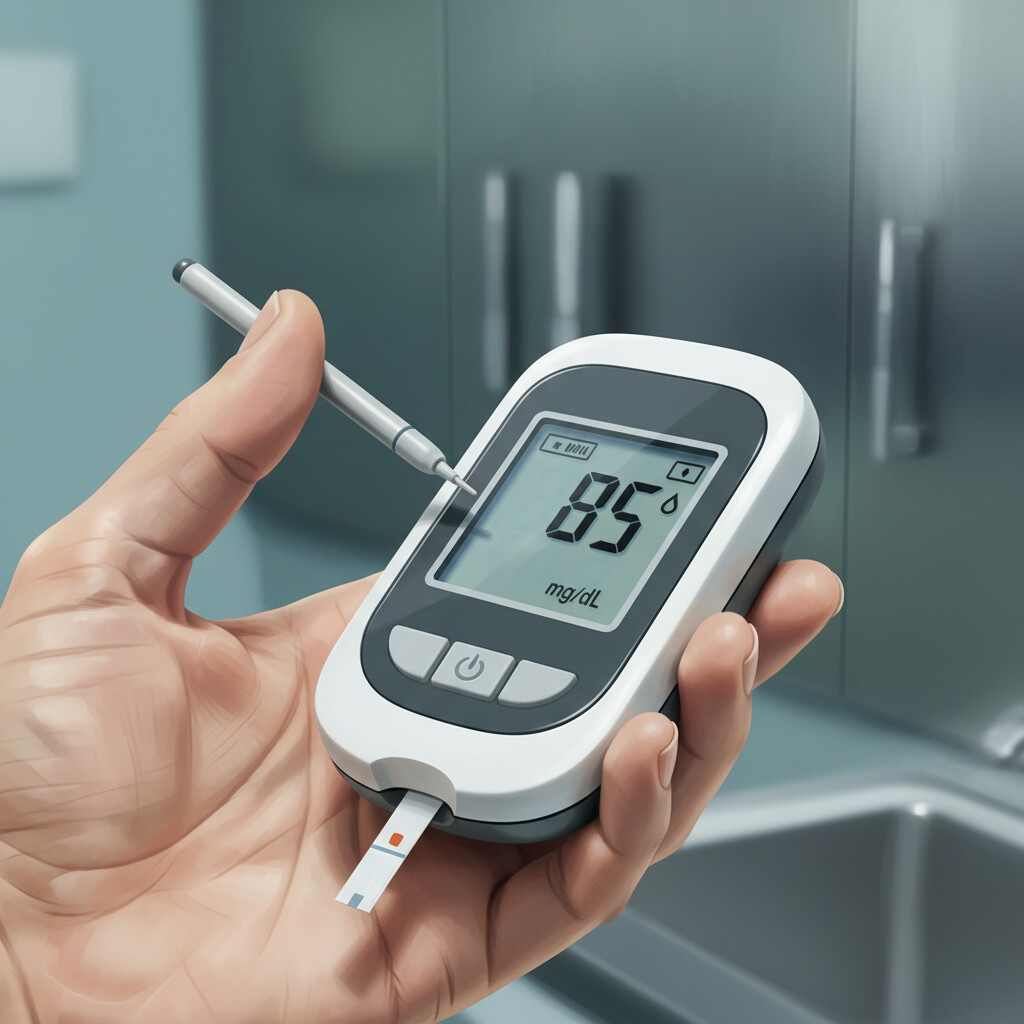
HbA1c is a blood test that reflects your average blood sugar over roughly the past two to three months. It is the most common way surgeons and physicians judge how well diabetes is controlled before elective surgery.
- Many clinics ask for a recent HbA1c result as part of the pre-operative blood tests, alongside tests such as a blood count, clotting and infection screening.
- Some surgeons use a specific cut-off for elective procedures. Others look at the whole picture. There is no single number that applies everywhere, so ask the clinic what they require and why.
- Your diabetes doctor or GP is the best person to tell you whether your current control is good enough for elective surgery and, if not, how long it might take to improve.
If your HbA1c is high, delaying the transplant by a few months while you work on control is usually a sensible trade. Your hair loss will not change much in that time, but your healing can.
Other health checks that may be needed
Diabetes often comes with other conditions that matter just as much for surgery. Be ready to discuss:
- Heart health and blood pressure. The local anaesthetic usually contains adrenaline, which can raise heart rate and blood pressure. People with heart disease may need clearance from their cardiologist.
- Kidney function. This can affect which painkillers and antibiotics are safe for you.
- Neuropathy and circulation problems. These can affect healing and how you notice problems such as increasing pain.
- Eye disease. Mainly relevant if sedation is planned or if you will have significant swelling around the eyes.
- Other medicines, such as blood thinners or cholesterol and blood pressure tablets.
Our guide to chronic diseases and hair transplant suitability explains how other long-term conditions are assessed.
Preparing for surgery
Weeks before
- Talk to your diabetes doctor early. Tell them the date, how long the procedure is likely to take and whether sedation is planned. Ask them to write down your medication plan for the day before, the day of surgery and the first days after.
- Share your full medication list with the surgeon, including insulin, tablets, weekly injections and supplements. Some diabetes medicines may need to be adjusted around procedures, and some clinics also ask about other medications to pause before surgery. Never change a prescribed medicine without your own doctor’s agreement.
- Stop smoking. Smoking narrows small blood vessels and adds to the circulation problems diabetes can cause, and it is linked to slower healing.
- Check that your hair loss is pattern hair loss. Diabetes, thyroid problems and some medicines can contribute to diffuse thinning. A transplant only makes sense if the cause is understood.
If you are travelling abroad
- Bring more insulin, needles, test strips and sensors than you think you need, plus a doctor’s letter for airport security.
- Plan how you will keep insulin cool and how you will handle time-zone changes.
- Make sure someone at the clinic understands your needs in your language. Ask in advance who will check your blood sugar and what they will do if it drops.
- Read our guide on flying after a hair transplant before you book your return.
On the day of the procedure
The FUE procedure itself is the same as for anyone else. What changes is the planning around it.
- Follow the meal and medication plan you agreed. Many clinics do not require fasting for local anaesthetic alone, but instructions differ, especially if sedation is used.
- Bring your meter or sensor, and fast-acting sugar. Ask for your blood sugar to be checked at the start and at intervals through the day.
- Speak up if you feel a “hypo” coming. Shakiness, sweating or confusion can be mistaken for anxiety. The team can pause at any time.
- Ask about any steroid medication. Some clinics give a short course of steroids to reduce swelling. Steroids can raise blood sugar noticeably, so your surgeon and diabetes doctor need to know if this is planned.
- Ask about antibiotics. Some surgeons prescribe them routinely, others only for higher-risk patients. Take them exactly as instructed.
Recovery for diabetic patients
The general recovery steps are the same as in our post-hair transplant care guide: gentle washing, not touching the grafts, sleeping with the head raised and avoiding hard exercise. For diabetics, a few points deserve extra attention:
- Check your blood sugar more often in the first week. Pain, poor sleep, stress and changes in routine can all push readings up.
- Keep the scalp clean exactly as instructed, and do not pick at scabs. Healing may take a little longer than the typical 10-14 days for scabs to clear.
- Watch the donor area as well as the recipient area. Infection can start in either.
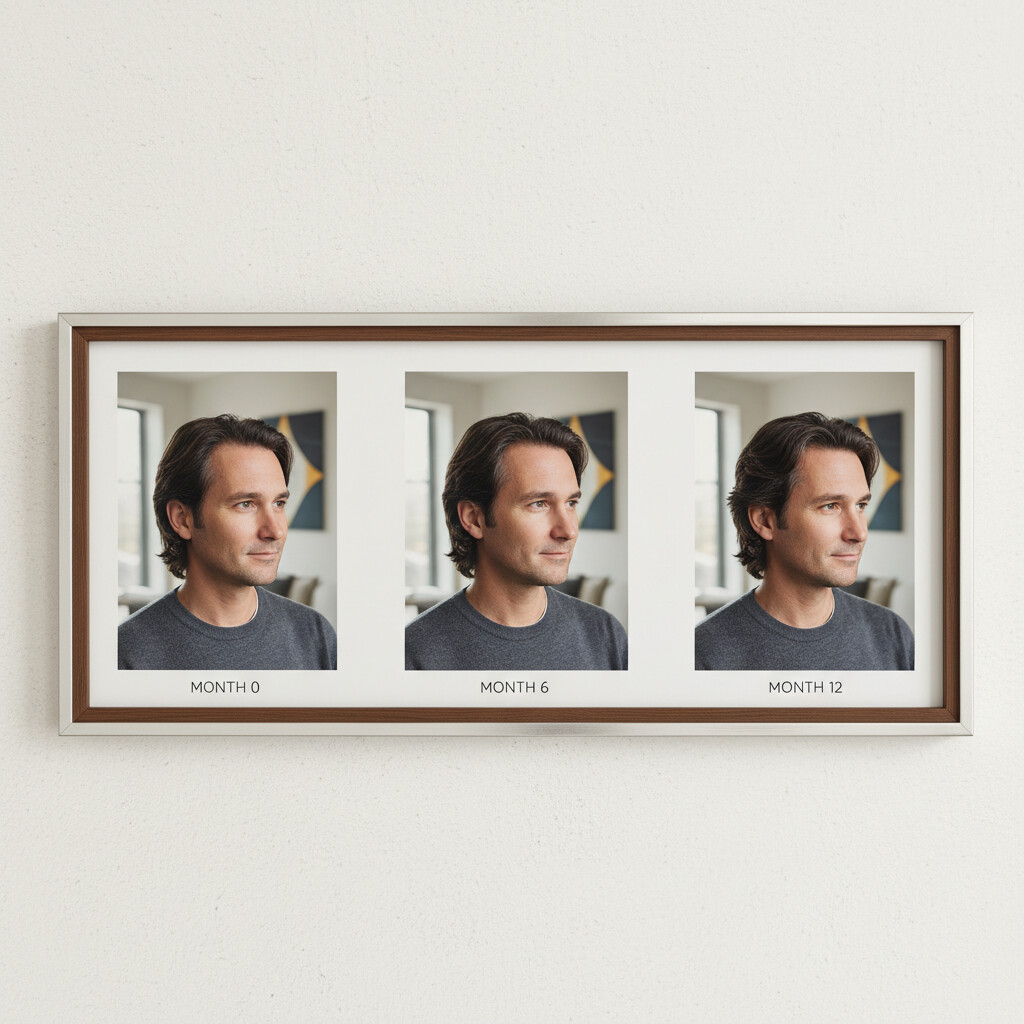
- Be patient with growth. The transplanted hairs usually shed in weeks 2-8, which is normal. New growth tends to start around months 3-4, with the final result at about 12-18 months, for diabetics and non-diabetics alike.
Results: will grafts grow as well?
With good control and a skilled team, there is no general reason to expect a diabetic patient’s result to be worse. Where results are poorer, the usual causes are infection, slow healing, reduced blood supply from long-standing vascular damage or smoking, or a plan that asked too much of a weak donor area. Keeping diabetes well controlled in the months after surgery helps the grafts during the phase when they are re-establishing a blood supply.
A transplant also does not stop ongoing pattern hair loss. The same long-term planning applies to you as to anyone else.
When to contact your surgeon
Contact your surgeon, and your diabetes doctor where relevant, if you notice:
- Redness, warmth or swelling that is spreading or getting worse after the first few days.
- Pus, a bad smell, or yellow crusts that keep coming back.
- Pain that increases instead of settling.
- A fever or feeling generally unwell.
- Blood sugar readings that stay much higher than usual, or repeated low readings.
- Scabs or dark patches that do not clear within a few weeks.
If you have signs of a serious infection or very high or low blood sugar that you cannot control, seek local medical help straight away rather than waiting for a reply from a clinic abroad.
Common questions
Can I have FUE if my diabetes is not well controlled?
Most surgeons will advise waiting. Improving control first lowers the risk of infection and slow healing. Your diabetes doctor can tell you what target to aim for and how long it might take.
Does it matter whether I have type 1 or type 2 diabetes?
Both can be suitable. What matters more is how stable your blood sugar is, whether you use insulin (which needs careful planning on the day), and whether you have complications.
Will the clinic need a letter from my doctor?
Many do, especially if you use insulin, have heart or kidney disease, or have had problems with control. Even when it is not required, it is a good idea.
Is recovery longer for diabetics?
It can be slightly slower, especially for scabs and redness. With good control, many diabetic patients recover on a similar timeline to everyone else.
Discussion
If you have diabetes and have had a hair transplant, how did you and the clinic plan your medication and meals on the day? Did your healing or growth differ from what you expected? Your experience can help others prepare.
Related guides
- Can You Have a Hair Transplant With a Chronic Illness?
- Hair Transplant With Psoriasis, Keloids or Antidepressants
- Hepatitis and HIV Tests Before a Hair Transplant: Why They Matter
- Which Medications Should You Stop Before a Hair Transplant?
- Hair Transplant Risks and Complications: What Can Go Wrong?
About this guide: ForumHairTransplant.com is an independent patient community. We are not affiliated with any clinic or surgeon, and we don’t accept payment for rankings, reviews or recommendations. This article is general information, not medical advice. Talk to a qualified doctor about your own situation.