
By ForumHairTransplant Editorial Team · Prepared with AI assistance · Sources checked: 19 October 2026
Before a hair transplant, most clinics ask you to pause anything that makes you bleed more easily: aspirin and anti-inflammatory painkillers such as ibuprofen, and supplements like fish oil, vitamin E and ginkgo. Prescribed blood thinners are a different matter. You should never stop them on your own, because the condition they treat usually matters more than the transplant. The exact list and timing vary between surgeons, so the instructions from your own surgeon and prescribing doctor always come first.
Key takeaways
- Bleeding is the main reason for the medication rules. Extra bleeding makes grafts harder to place and can slow healing.
- Over-the-counter aspirin, NSAIDs and “blood-thinning” supplements are commonly paused for roughly one to two weeks before surgery, depending on the product and your surgeon’s protocol.
- Prescribed anticoagulants and antiplatelet drugs (for a stent, atrial fibrillation or a past clot, for example) must only be adjusted by the doctor who prescribed them.
- Give your clinic a complete list of everything you take, including supplements, well before you book flights.
Why some medications are paused
A hair transplant involves thousands of tiny incisions in the donor and recipient areas. Some bleeding is normal. Medications that reduce platelet stickiness or slow the clotting process can increase it. More bleeding means a less clear view for the surgeon, grafts that are more likely to be pushed out while being placed, more swelling, and in some cases a slower recovery.
The goal is to reduce avoidable bleeding while keeping you safe. That balance is different for a healthy 30-year-old who takes the occasional ibuprofen and a 55-year-old on daily aspirin after a heart stent.
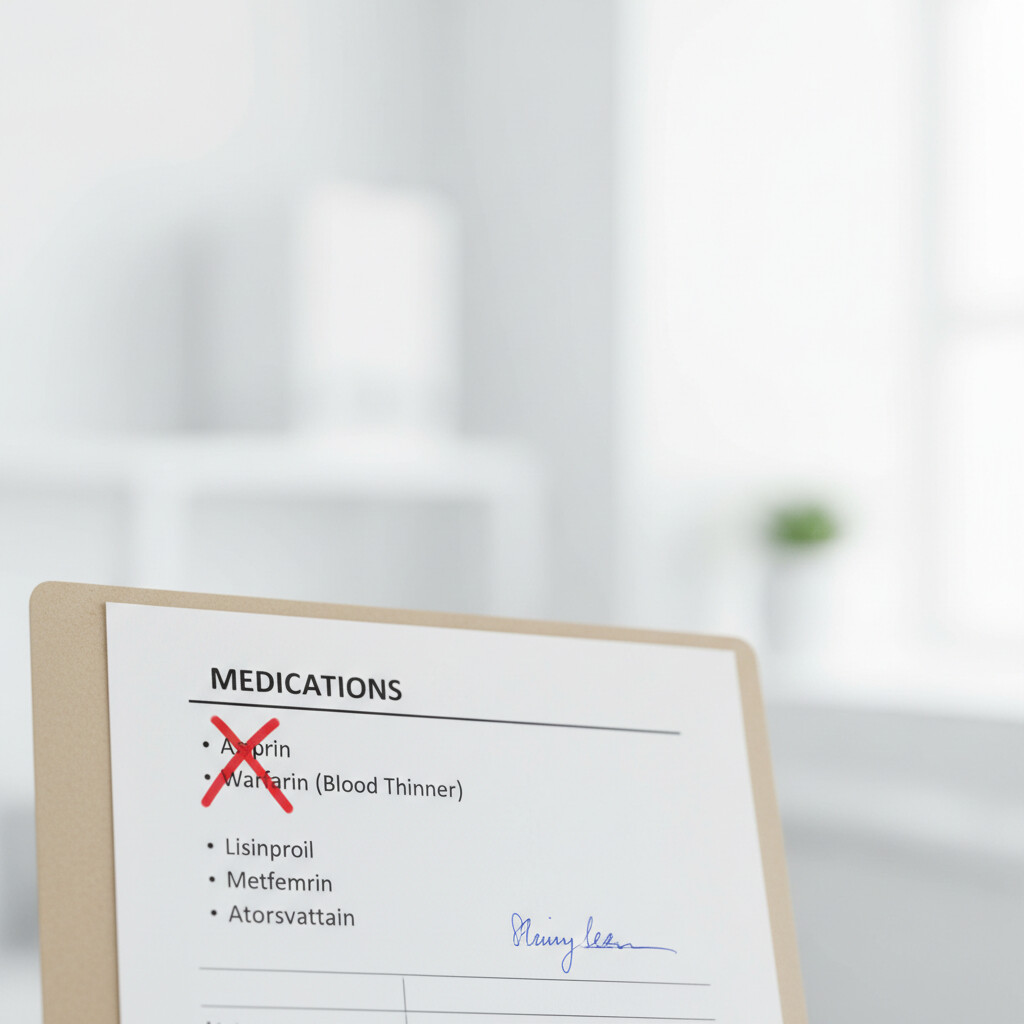
Aspirin and anti-inflammatory painkillers (NSAIDs)
Aspirin affects platelets for the rest of their lifespan, which is why its effect lasts longer than the tablet itself. Clinics commonly ask patients who take it without a medical reason to stop it around 7-10 days before surgery.
Other NSAIDs, such as ibuprofen, naproxen and diclofenac, also reduce platelet function, but the effect wears off faster. Many surgeons ask you to avoid them for several days to a week before the procedure. Some combination cold and flu products and migraine tablets contain aspirin or NSAIDs, so check the labels.
Important: if you take low-dose aspirin because a doctor prescribed it for your heart or blood vessels, do not stop it without talking to that doctor. Stopping it suddenly can be dangerous for some patients.
If you need pain relief in the days before surgery, paracetamol (acetaminophen) is usually acceptable because it does not affect clotting in the same way. Confirm this with your clinic.
Prescribed blood thinners
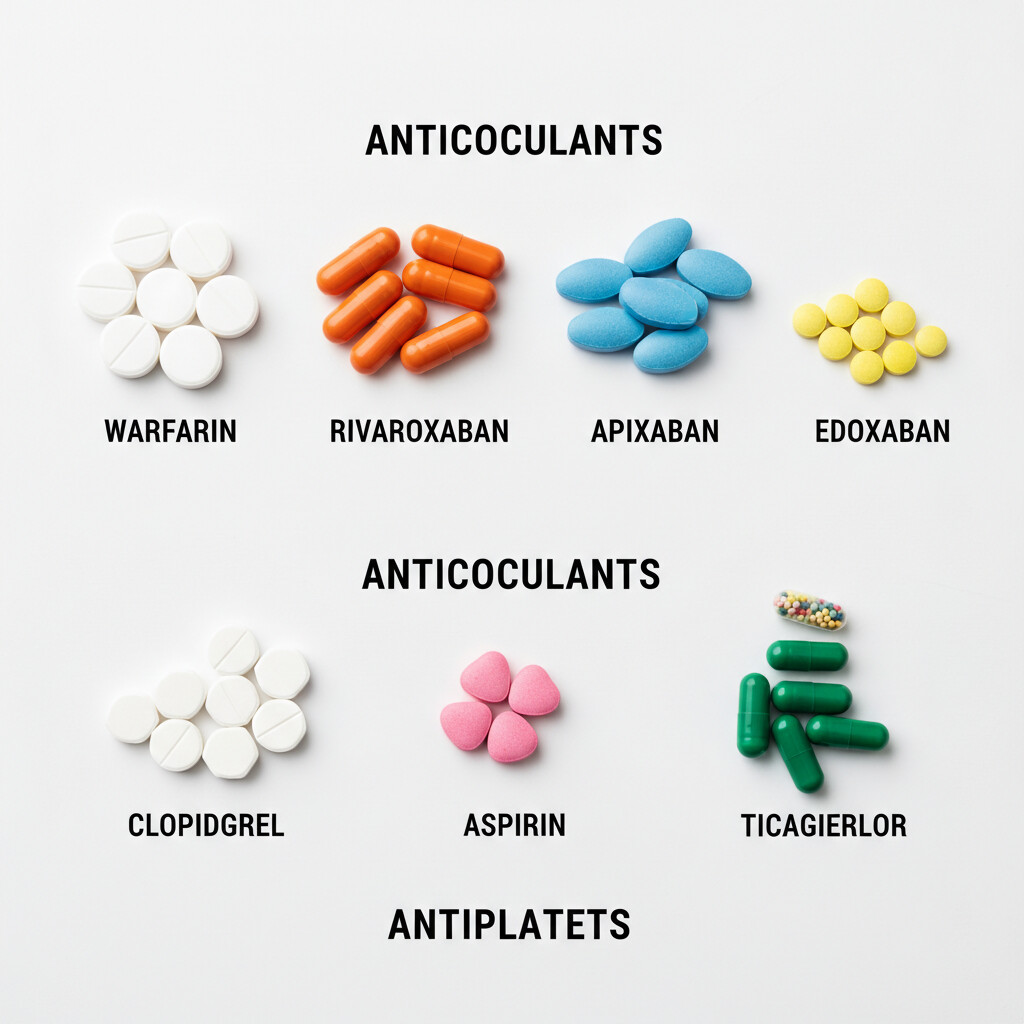
This group includes:
- Anticoagulants such as warfarin and the newer direct oral anticoagulants (for example rivaroxaban, apixaban, dabigatran and edoxaban).
- Antiplatelet drugs such as clopidogrel, ticagrelor and prasugrel, often prescribed after a heart attack, stroke or stent.
These are prescribed for serious reasons: to prevent strokes, clots in the legs or lungs, or blockage of a stent. Stopping them can put you at real risk. A hair transplant is an elective procedure, so the decision always starts with your prescribing doctor, not the hair transplant clinic.
What happens next depends on your situation. Options your doctors may discuss include:
- operating while you continue the medication, accepting some extra bleeding;
- a short, supervised pause, with timing that depends on the drug and your kidney function;
- postponing the transplant, for example until a required period of treatment after a stent is complete;
- deciding that elective surgery is not appropriate for now.
Do not accept a plan where the clinic simply tells you to stop a prescribed blood thinner without your own doctor’s agreement. If you have a chronic condition, read Can You Have a Hair Transplant With a Chronic Illness?
Supplements that can increase bleeding
Supplements are easy to forget because people think of them as harmless. Several have mild effects on platelets or clotting, and together they can add up. Commonly listed ones include:
- fish oil and other omega-3 supplements, especially at high doses;
- vitamin E;
- ginkgo biloba;
- garlic, ginseng and ginger supplements (normal amounts in food are not the concern);
- turmeric or curcumin supplements.
Many clinics ask you to stop these about one to two weeks before surgery. If you take anything marketed for “hair growth” or “circulation”, check the ingredient list and show it to your clinic. Our guide on whether supplements improve hair transplant results covers which ones are worth taking at all.

Other medications to mention to your surgeon
Some medications don’t need to be stopped but still matter for planning:
- Minoxidil: some surgeons ask you to pause topical minoxidil for a few days to a week before surgery and restart it once the scalp has healed. Others don’t. Follow your own surgeon’s advice.
- Finasteride and dutasteride: these are usually continued, because stopping them can speed up loss of your native hair. Ask your surgeon if you are unsure.
- Isotretinoin (acne treatment): many surgeons prefer to wait several months after the course ends, because it can affect skin healing. Practice varies.
- Blood pressure medicines, especially beta-blockers: these can interact with the adrenaline that is often mixed with the local anesthetic. They are normally continued, but the team needs to know.
- Antidepressants, diabetes medicines, steroids and immune-suppressing drugs: do not stop these. They may affect healing or anesthesia planning, so list them.
Alcohol and nicotine are not medications, but they matter just as much. See how long to avoid alcohol before a hair transplant and the effect of smoking on results.
A simple plan for the weeks before surgery
- Four to six weeks before: write a full list of prescription drugs, over-the-counter products and supplements, with doses. Send it to the clinic and ask for written instructions.
- If you take a prescribed blood thinner or heart medication: book an appointment with the prescribing doctor. Bring the clinic’s questions with you.
- Two weeks before: stop the supplements your clinic listed. Check cold and flu remedies in your bathroom cabinet.
- About a week before: stop aspirin (if not prescribed) and NSAIDs as instructed. Switch to paracetamol if you need a painkiller.
- Surgery day: bring the list and the packaging of anything you still take.
Medication planning is one part of preparation. The pre-operation checklist covers the rest.
Restarting after surgery
Ask before you leave the clinic when each medication can be restarted. Supplements and over-the-counter NSAIDs are usually resumed a few days to a week after surgery, once bleeding has settled, but the timing is your surgeon’s call. Prescribed blood thinners should be restarted exactly as your prescribing doctor planned. The aftercare guide explains what else to expect in the first weeks.
When to contact your surgeon
Contact your clinic or a doctor if:
- bleeding from the donor or recipient area does not stop after 10-15 minutes of gentle, steady pressure with clean gauze;
- you notice a growing, painful swelling under the skin, which could be a collection of blood;
- you realize you took aspirin, an NSAID or a listed supplement shortly before surgery. Tell the clinic before the procedure, not after. They may still go ahead or may reschedule;
- you have chest pain, shortness of breath, leg swelling or signs of a stroke after pausing a blood thinner. Seek emergency care.
Common questions
Can I take ibuprofen for a headache the week before my transplant?
Most clinics would prefer paracetamol instead. If you have already taken ibuprofen, tell the clinic. A single dose several days before surgery is often not a problem, but let them decide.
Should I stop finasteride before a hair transplant?
Usually not. Most surgeons prefer you continue it to protect your native hair. Ask your own surgeon to confirm.
Discussion
What medication or supplement instructions did your clinic give you before surgery, and how far in advance? If you take a prescribed blood thinner, how did your doctors handle it? Your experience can help others prepare.
Sources
- Smoking, Drinking, Medications and Herbal Products Can All Affect the Course of Your Hair Restoration Surgery, ISHRS
- Your medical treatment history: important information to share with your hair restoration physician, ISHRS
- Hair Transplant Practice Guidelines, Journal of Cutaneous and Aesthetic Surgery, 2020
Sources differ on exact timings (for example for minoxidil and alcohol). Follow your own surgeon’s instructions.
Related guides
- Pre-Operation Checklist: Essential Tips Before Your Hair Transplant
- Smoking and Hair Transplants: How It Affects Results and When to Quit
- Alcohol Before a Hair Transplant: How Long Must I Abstain?
- Hepatitis and HIV Tests Before a Hair Transplant: Why They Matter
- Should I Shave My Head Before Traveling to Turkey for a Hair Transplant?
- When Can I Restart Minoxidil After a Hair Transplant?
About this guide: ForumHairTransplant.com is an independent patient community. We are not affiliated with any clinic or surgeon, and we don’t accept payment for rankings, reviews or recommendations. This article is general information, not medical advice. Talk to a qualified doctor about your own situation.