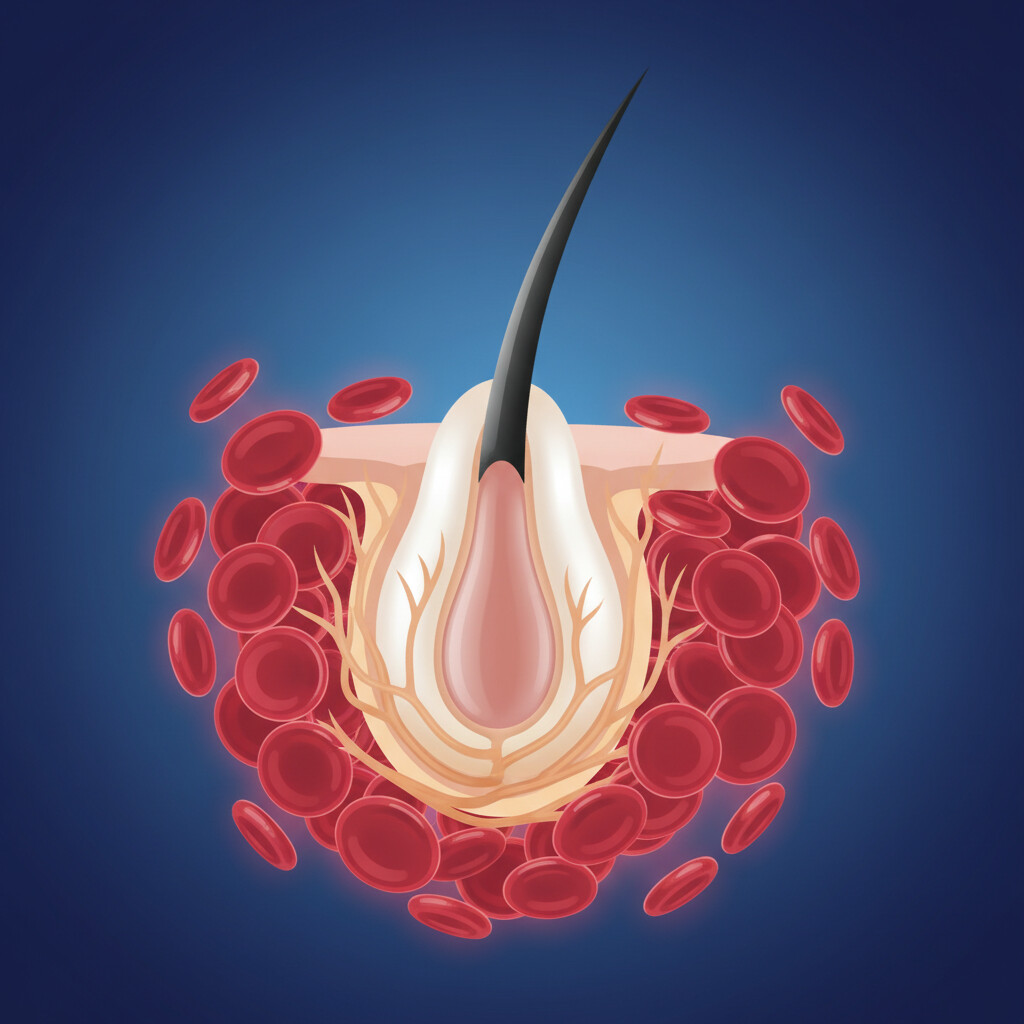
PRP (platelet-rich plasma) is not suitable for everyone. It is generally avoided in people with blood or platelet disorders, active infection or cancer, and in pregnancy, and it needs careful planning for anyone on blood-thinning medication. Smokers can usually have it, but may get less benefit. Just as important, PRP is a poor fit for people whose hair loss is advanced or has not been diagnosed, because it cannot regrow hair where follicles are gone.
Key takeaways
- PRP uses your own platelets, so anything that lowers your platelet count or function can make it less effective or less safe.
- Never stop a prescribed blood thinner to have PRP. Talk to the doctor who prescribed it first.
- Smoking is not an absolute bar, but it may reduce the benefit and slow healing. Stopping helps.
- The evidence for PRP in pattern hair loss is mixed and protocols vary. It works best, if at all, as an add-on for early to moderate thinning.
- Get a diagnosis first. Some types of hair loss need completely different treatment.
A quick reminder of how PRP works
A small amount of your blood is taken and spun in a centrifuge to concentrate the platelets. The concentrated plasma is then injected into the thinning areas of the scalp. The idea is that growth factors released by platelets support hair follicles.
Some studies suggest PRP can modestly improve hair density or thickness in androgenetic (pattern) hair loss, but results are inconsistent, and there is no agreed standard for how it should be prepared or how often it should be given. It usually needs several initial sessions and then maintenance sessions. For a full look at the evidence, see Does PRP Help a Hair Transplant?
Blood thinners and platelet-affecting medicines
This is the most common reason a PRP plan needs adjusting. There are two concerns:
- Bleeding and bruising. PRP involves many small injections. Blood thinners make bruising, oozing and swelling more likely.
- Reduced effect. Aspirin, clopidogrel and anti-inflammatory painkillers reduce how well platelets work. Since PRP relies on platelet activity, some doctors believe these drugs may reduce its effect.
Medications to mention include:
- anticoagulants such as warfarin, rivaroxaban, apixaban, dabigatran or heparin injections;
- antiplatelet drugs such as aspirin, clopidogrel or ticagrelor;
- anti-inflammatory painkillers (NSAIDs) such as ibuprofen, naproxen or diclofenac;
- supplements such as fish oil, vitamin E and ginkgo.
If you take aspirin or an NSAID without a medical reason, many providers ask you to stop it for about a week before each session. If a doctor prescribed a blood thinner for your heart, a stent, a past clot or atrial fibrillation, do not stop it for PRP. The risk of a stroke or clot is far more serious than a cosmetic treatment. Speak to your prescribing doctor. In many cases the sensible answer is that PRP is not worth it, and other hair loss treatments are considered instead.
The same principles apply before surgery. See medications to stop before a hair transplant.
Smokers
Nicotine narrows blood vessels, and smoking is known to impair wound healing and may affect platelet function. For PRP this means two things: the scalp may heal a little more slowly after injections, and the treatment may give less benefit. There is no solid evidence showing exactly how much smoking reduces PRP results, so be wary of anyone who gives precise figures.
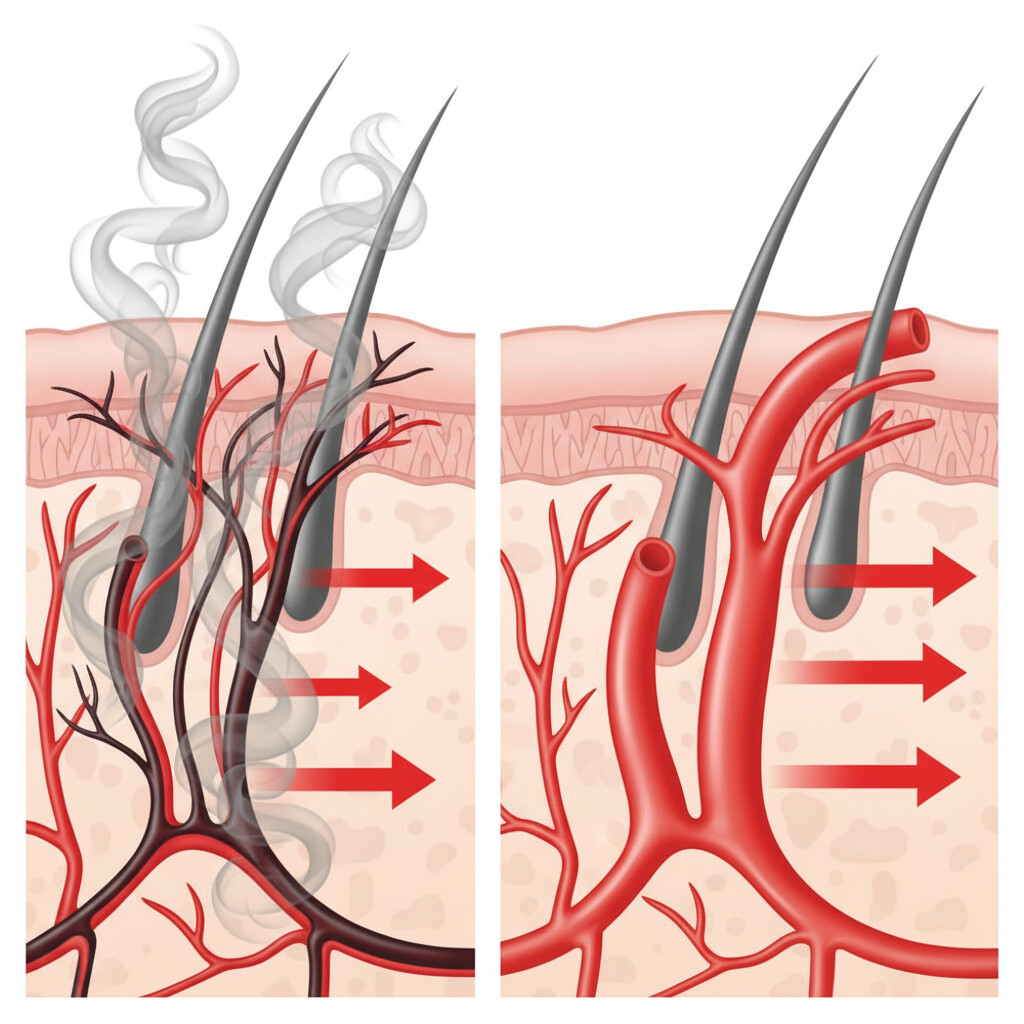
In practice:
- Smokers are usually not refused PRP, but they are commonly advised to stop or cut down before and during the course.
- Nicotine replacement still narrows blood vessels, although it avoids the other harmful chemicals in smoke.
- If you are planning PRP alongside a transplant, stopping smoking matters even more. See the effect of smoking on hair transplant results.
Medical conditions where PRP is usually avoided
These are commonly listed reasons not to have PRP, or to delay it until a doctor has reviewed you:
- Low platelet count or a platelet function disorder. The treatment depends on healthy platelets.
- Bleeding disorders or significant liver disease that affects clotting.
- Active cancer, or current chemotherapy or radiotherapy, particularly cancers of the blood.
- Active infection, either on the scalp (for example a fungal infection or infected folliculitis) or in the body.
- Recent systemic steroid treatment, which may reduce the effect.
- Pregnancy and breastfeeding. There is little safety data, so PRP is normally postponed.
- Significant anemia or feeling unwell on the day of treatment. Some clinics check a blood count first.
If you have an autoimmune condition, diabetes or another chronic illness, PRP is not automatically ruled out, but it should be discussed with your doctor first.
Hair loss types where PRP is the wrong tool
Suitability is not just about safety. PRP is also a poor choice when it is unlikely to help:
- Advanced baldness. PRP cannot create new follicles. Smooth, shiny bald areas will not regrow with injections.
- Scarring alopecias such as lichen planopilaris or frontal fibrosing alopecia. These need a dermatologist’s diagnosis and specific treatment.
- Undiagnosed shedding. Sudden diffuse shedding can be telogen effluvium, a thyroid problem or iron deficiency. Treating the cause matters more. See What Causes Hair Loss?
- Patchy hair loss that could be alopecia areata, which is an autoimmune condition with its own treatments.
For pattern hair loss, PRP is not a replacement for medications with stronger evidence, such as minoxidil or finasteride. Many doctors see it as an optional add-on at best.
Other practical reasons PRP may not suit you
- Needle anxiety or fainting with blood draws and injections.
- Cost and commitment. Several sessions plus maintenance add up, and benefits tend to fade if treatment stops.
- Expectations. If you expect PRP to replace a transplant or give dramatic regrowth, you are likely to be disappointed.
Other non-surgical options include hair mesotherapy, which has an even weaker evidence base, and scalp micropigmentation, which camouflages thinning rather than treating it.
When to contact your doctor
After a PRP session, some tenderness, redness, mild swelling and small bruises for a day or two are common. Contact the provider or a doctor if you have:
- increasing pain, warmth, redness or pus at injection sites;
- swelling that spreads to the forehead or eyes and keeps getting worse;
- fever or feeling unwell;
- bleeding that does not stop with gentle pressure, especially if you take a blood thinner.
Common questions
Can I have PRP if I take low-dose aspirin for my heart?
Do not stop it on your own. Ask your prescribing doctor. Many people in this situation decide PRP is not worth the trade-off.
Do I have to quit smoking completely before PRP?
It is not usually a strict requirement, but stopping, or at least cutting down, before and during the course is commonly recommended and helps healing.
Can I have PRP during or after chemotherapy?
Not during active treatment. Afterwards, ask your oncologist. Hair often regrows after chemotherapy without any treatment.
Discussion
Were you told you were not a good candidate for PRP, and why? If you smoke or take a blood thinner and had PRP anyway, what was your experience? Please share what your doctor advised.
Related guides
- Does PRP Help a Hair Transplant? Benefits, Evidence and Limits
- Hair Mesotherapy: What It Is, Does It Work, and Is It Safe?
- Scalp Micropigmentation vs Hair Transplant: Pros, Cons and Uses
- Can Supplements Improve Hair Transplant Results?
About this guide: ForumHairTransplant.com is an independent patient community. We are not affiliated with any clinic or surgeon, and we don’t accept payment for rankings, reviews or recommendations. This article is general information, not medical advice. Talk to a qualified doctor about your own situation.