By ForumHairTransplant Editorial Team · Prepared with AI assistance · Sources checked: 19 October 2026
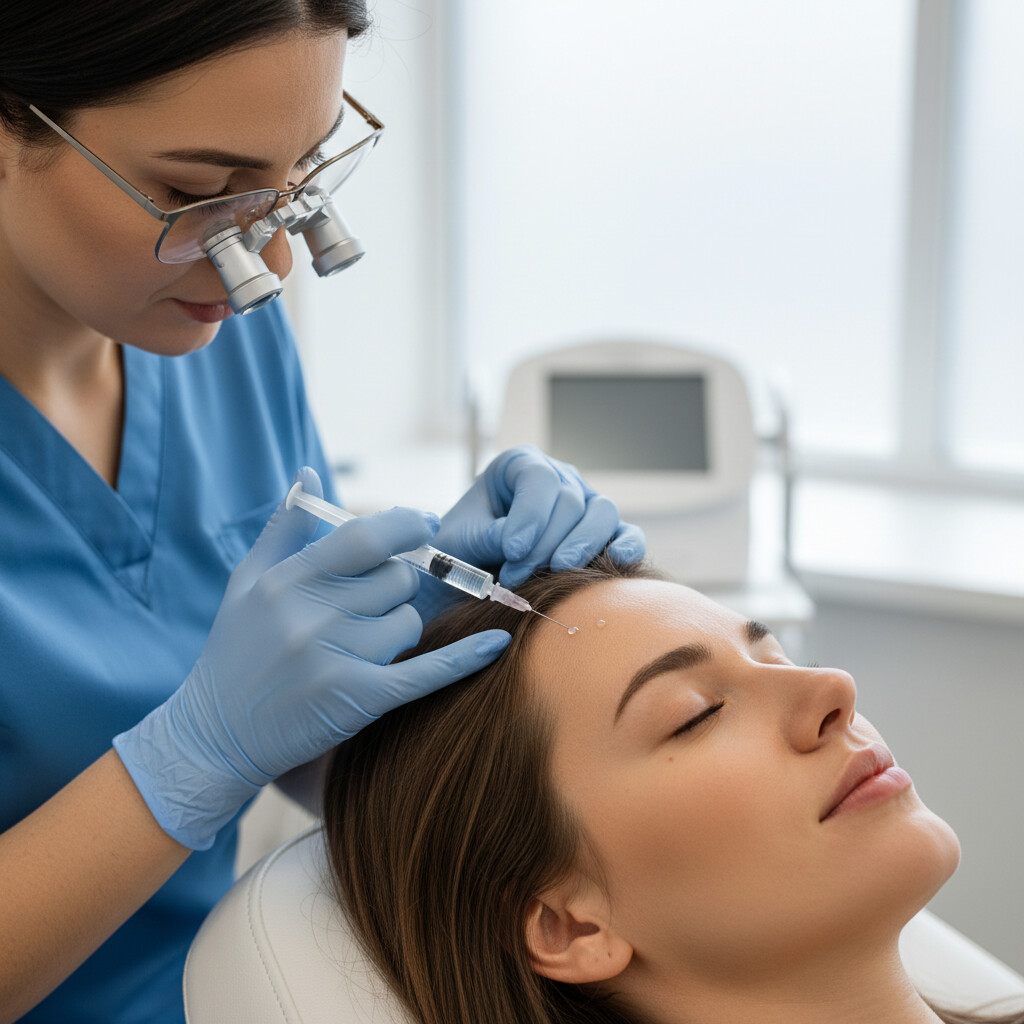
Hair mesotherapy is a series of tiny injections into the superficial layer of the scalp skin, usually containing a mix of vitamins, amino acids, minerals and sometimes hyaluronic acid or medicines. It is widely offered for thinning hair, but the evidence behind it is limited and mixed. Some people notice less shedding or slightly thicker hair; many notice little change. This guide explains what the treatment involves, what it can realistically do, and the risks to consider.
Key takeaways
- Mesotherapy injects small amounts of a solution into the dermis of the scalp, the skin layer where the lower part of the hair follicles sits. It is not injected into a “mesoderm” layer: that is a term from embryology, not a layer of adult skin.
- There is no standard formula. Ingredients, doses and schedules vary widely between practitioners, which makes results hard to compare.
- Research on vitamin “cocktails” is small and inconsistent. Mesotherapy is not a replacement for established treatments that a doctor can prescribe.
- There is no good evidence that mesotherapy improves graft survival after a hair transplant.
- Side effects are usually minor, but infections, allergic reactions and patchy hair loss at injection sites have been reported, especially with unregulated products or poor hygiene.
What is hair mesotherapy?
The name comes from a cosmetic technique developed in the 1950s for delivering small amounts of medicine into the skin. For hair, a practitioner uses a very fine needle, a multi-needle device or an injection gun to place many small deposits of solution just under the surface of the scalp, spread across the thinning area.
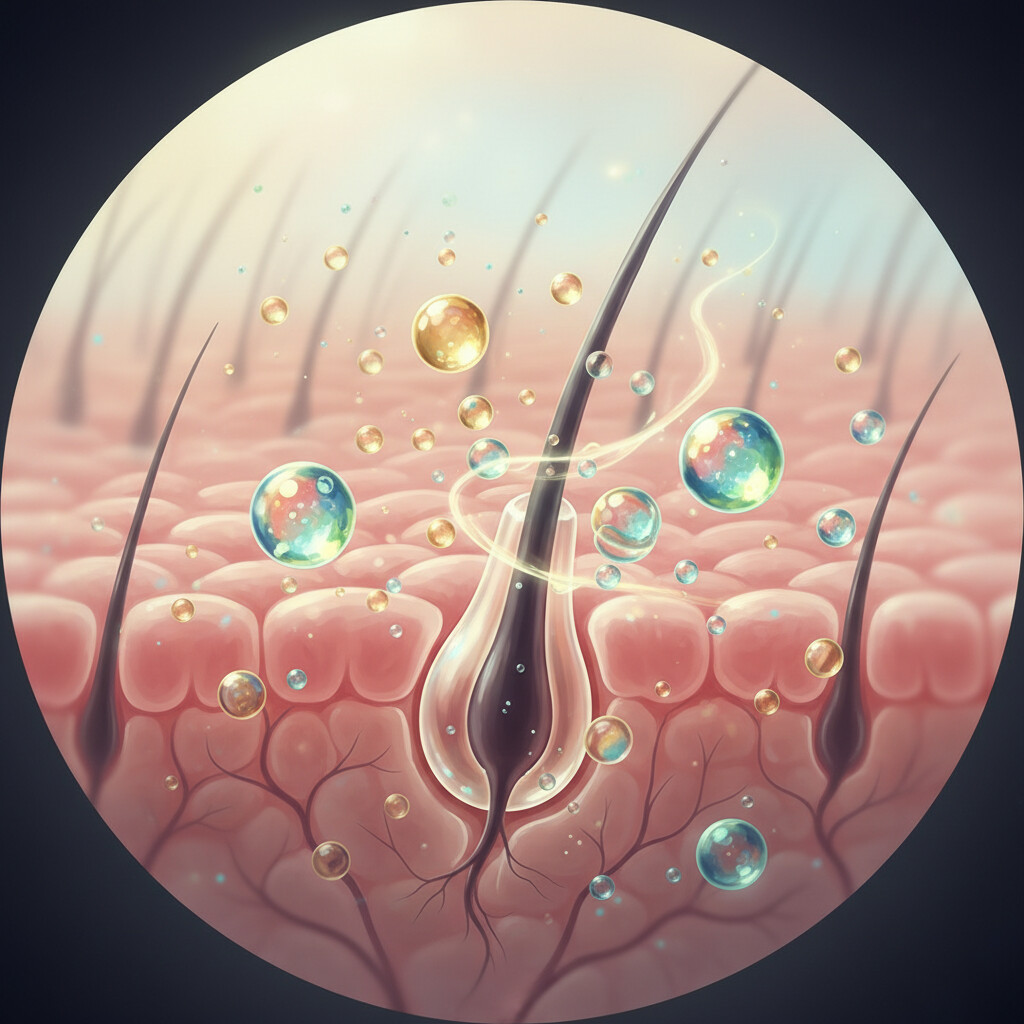
It is sometimes called a “hair cocktail” treatment. Common ingredients include:
- Vitamins such as biotin and other B vitamins.
- Minerals such as zinc.
- Amino acids and peptides, the building blocks of proteins like keratin.
- Hyaluronic acid, which holds water in the skin.
- “Growth factor” products, often from commercial sources.
- Medicines in some formulations, such as minoxidil or dutasteride. These are drug treatments with their own side effects and should only be used under a doctor’s supervision.
Eating or taking these nutrients by mouth only helps hair if you are actually deficient. Our guide on whether supplements improve hair transplant results explains why.
Does it work? What the evidence says
The honest answer is that nobody knows for certain. The main problems are:
- No standard product. Two clinics offering “hair mesotherapy” may inject completely different solutions.
- Small studies. Most published studies are small, short-term, or lack a proper comparison group.
- Mixed results. Some studies report improvements in shedding or hair thickness; others find no clear benefit for vitamin-based mixtures.
- The needles themselves may do something. Tiny injuries to the scalp may trigger a mild healing response. This is one reason why it is hard to know whether any effect comes from the ingredients.
Formulations that contain established hair-loss medicines have been studied more, and some small studies are more encouraging. But they are still not first-line treatment, and they carry the risks of the medicine itself.
For pattern hair loss (androgenetic alopecia), treatments with much stronger evidence exist. Your doctor can tell you whether options such as topical or oral minoxidil, or finasteride for men, are suitable for you. Mesotherapy is, at best, an add-on.
Who might consider it?
Mesotherapy is sometimes tried by people with:
- Early pattern thinning who want to add something to their medical treatment.
- Diffuse shedding after a trigger. Note that telogen effluvium usually settles on its own once the trigger has passed, so improvement may happen with or without injections.
- Thinning in women, where the cause should always be checked first.
Before any treatment, get the cause of your hair loss diagnosed. Iron deficiency, thyroid problems, hormonal conditions and some scalp diseases all cause thinning and need their own treatment. Our overview of the causes of hair loss is a good starting point.
Mesotherapy cannot regrow hair on smooth, bald skin where follicles are gone. For that, the options are a hair transplant or cosmetic camouflage such as scalp micropigmentation.
Who should avoid it or ask a doctor first
- Pregnant or breastfeeding women.
- People with an active scalp infection, psoriasis flare or open wounds.
- People with bleeding disorders or who take blood thinners.
- Anyone with an allergy to any ingredient in the solution.
- People who tend to form keloids or thick scars.
What happens during a session
- Assessment. A doctor or trained practitioner should take a medical history and examine your scalp.
- Preparation. The scalp is cleaned with an antiseptic. A numbing cream may be used.
- Injections. Many small, shallow injections are placed across the thinning area. A session usually takes 15-30 minutes.
- Afterwards. You can usually return to normal activities the same day. You may be told to avoid washing, sweating, heat and hair products for a short time.
A course usually means several sessions, but schedules vary a lot, from weekly to every few weeks, followed by occasional “maintenance” sessions. Any effect, if it happens, is likely to fade if you stop. Ask for the full cost of the course, not just one session.
Side effects and risks
Common and usually short-lived:
- pain or stinging during the injections,
- redness, small bumps, swelling or bruising,
- mild headache or scalp tenderness for a day or two.
Less common but important:
- Infection at injection sites, sometimes with unusual bacteria, if hygiene is poor.
- Allergic reactions to one of the ingredients.
- Patchy hair loss or scarring at injection sites has been reported in some cases.
The risk is higher with products of unknown origin and with treatments done outside a medical setting. Ask what exactly is being injected, who makes it, and whether it is approved for use in your country.
Mesotherapy and hair transplants
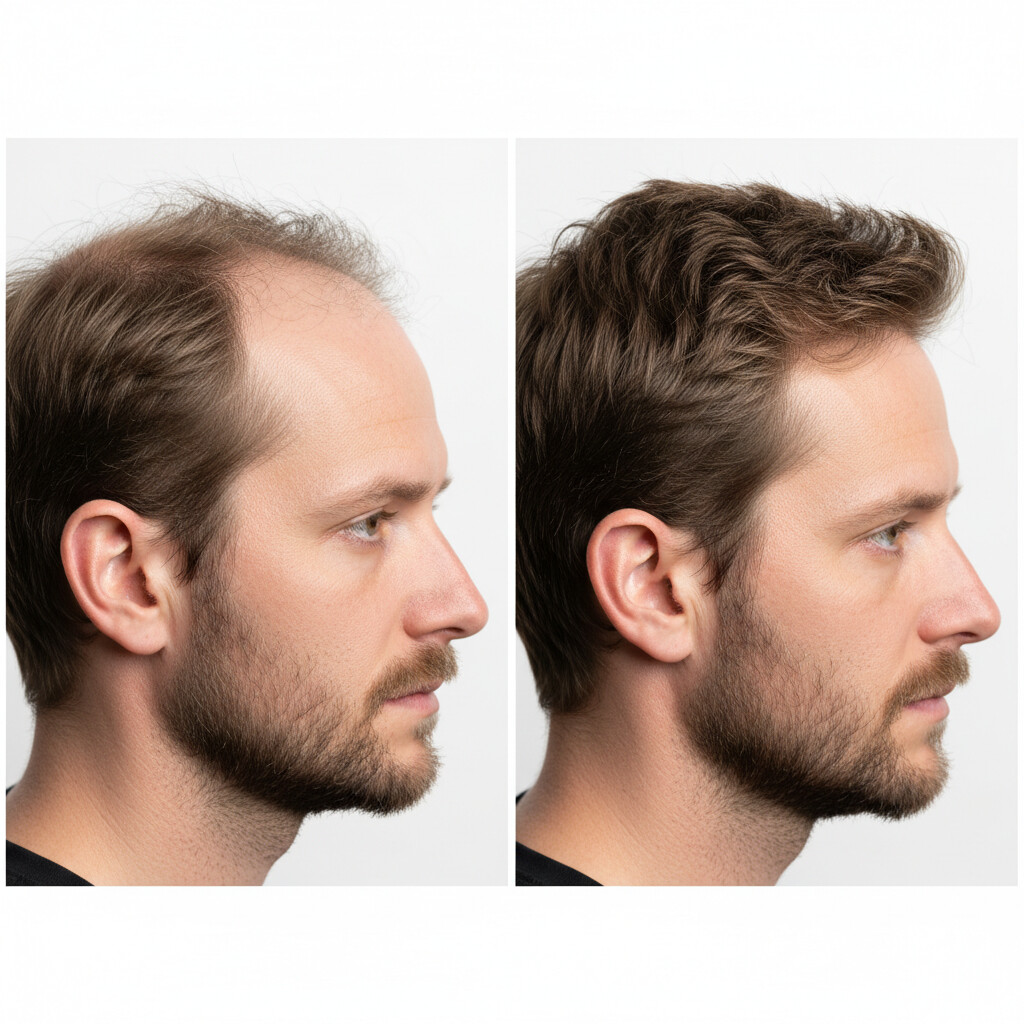
Some clinics offer mesotherapy before or after a transplant and describe it as a way to improve graft survival. There is no good evidence for this. Graft survival depends mainly on surgical skill, graft handling and aftercare. Injections into a freshly transplanted area also carry a small risk of infection and of disturbing grafts, so do not have any treatment on the recipient area without your surgeon’s agreement.
What does help long-term is protecting your native hair. Our guide to long-term maintenance after a hair transplant covers the options. For another injection-based treatment with a somewhat larger body of research, see PRP treatment.
When to see a doctor
See a doctor, ideally a dermatologist, if:
- your hair loss is sudden, patchy, or comes with itching, pain or scaling,
- an injection site becomes red, hot, swollen or painful after the first day or two, or you develop a fever,
- you notice new bald patches or lumps where you were injected,
- you have no improvement after a full course and want to discuss treatments with stronger evidence.
Common questions
How long until I see results from mesotherapy?
Hair grows slowly, so any change is usually judged after about 3-6 months. If you see no difference by then, more sessions are unlikely to change that.
Is mesotherapy the same as PRP?
No. PRP uses a concentrate made from your own blood. Mesotherapy uses a prepared solution. Both are injected into the scalp, and both have limited evidence, though PRP has been studied more.
Can mesotherapy replace a hair transplant?
No. It can at most support existing hair. It cannot bring back hair in areas where the follicles are gone.
Discussion
Have you tried hair mesotherapy? Share what was injected, how many sessions you had, and whether you noticed any change in shedding or thickness. Honest reports, including “it did nothing”, are very useful for others.
Sources
- Mesotherapy as a Promising Alternative to Minoxidil for Androgenetic Alopecia: A Systematic Review (Aledani et al.), Cureus, 2024
We found no guidance from AAD, ISHRS or DermNet on mesotherapy for hair. This review covers mesotherapy for androgenetic alopecia in general.
Related guides
- Does PRP Help a Hair Transplant? Benefits, Evidence and Limits
- Who Should Not Get PRP for Hair Loss? Smokers and Blood Thinners
- Scalp Micropigmentation vs Hair Transplant: Pros, Cons and Uses
- Can Supplements Improve Hair Transplant Results?
- What Causes Hair Loss? Genetics, DHT, Stress and Medical Causes
About this guide: ForumHairTransplant.com is an independent patient community. We are not affiliated with any clinic or surgeon, and we don’t accept payment for rankings, reviews or recommendations. This article is general information, not medical advice. Talk to a qualified doctor about your own situation.