
By ForumHairTransplant Editorial Team · Prepared with AI assistance · Sources checked: 19 October 2026
Telogen effluvium (TE) is a common type of temporary hair shedding. A physical or emotional shock pushes many hair follicles into the resting phase at the same time, and those hairs fall out about two to three months later. The shedding is spread over the whole scalp rather than in patches, and in most people it settles on its own once the trigger has passed. The follicles are not destroyed, so the hair usually grows back, but full recovery of volume can take many months.
Key takeaways
- Shedding usually starts 2-3 months after the trigger, so the cause is often an event you have already forgotten about: a fever, an operation, a crash diet, childbirth or a very stressful period.
- TE causes diffuse thinning across the scalp, not bald patches and not a receding hairline. It affects men and women.
- Acute TE usually settles within about six months. Visible regrowth and thickening take longer, often up to a year or more.
- See a doctor to confirm the diagnosis and check for treatable causes such as low iron or thyroid problems, especially if shedding lasts longer than six months.
- TE on its own is not a reason for a hair transplant. The hair usually returns, and surgery during active shedding makes planning unreliable.
What happens in telogen effluvium
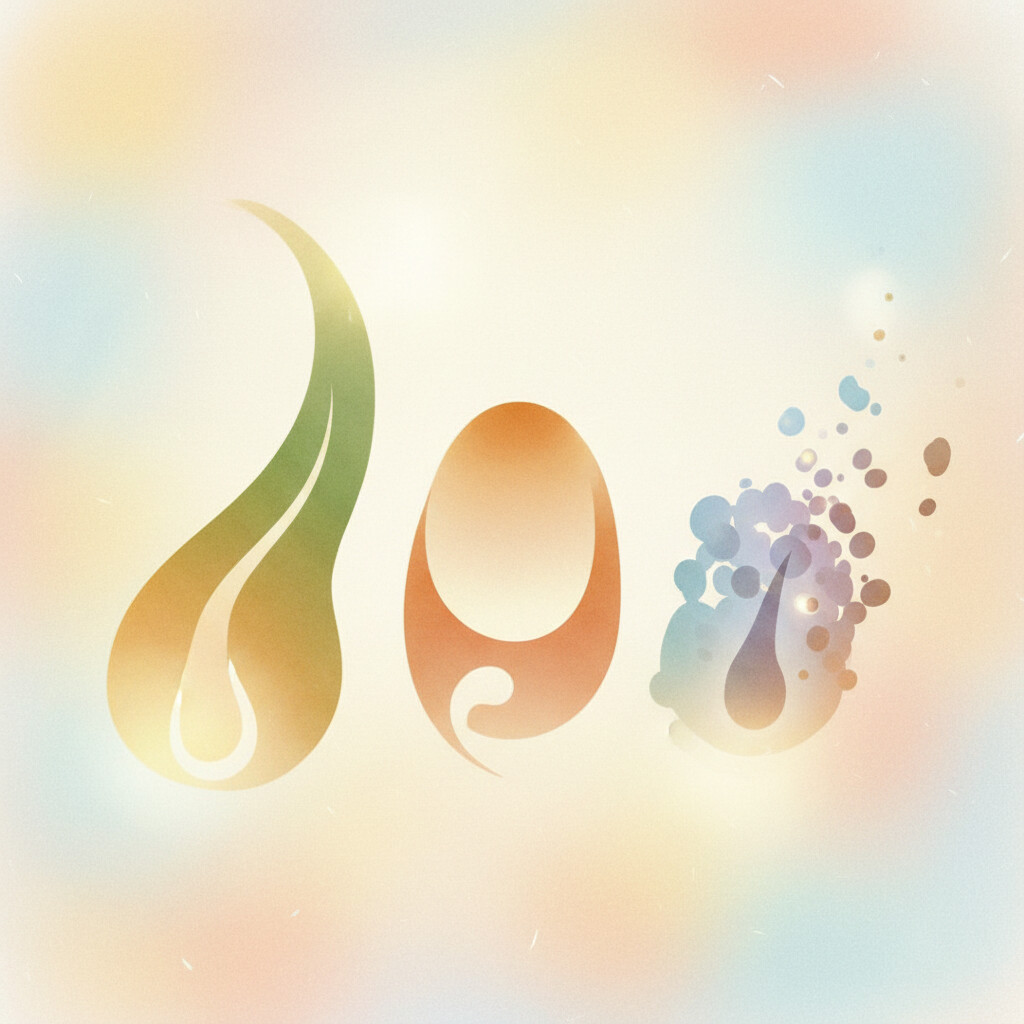
Each hair on your scalp goes through a cycle. Most hairs are in the long growing phase (anagen), which lasts several years. A smaller share is in the resting phase (telogen), which lasts around three months, after which the hair falls out and a new one starts growing from the same follicle. Losing somewhere around 50-100 hairs a day is considered normal.
In telogen effluvium, a trigger interrupts the growing phase in a much larger share of follicles than usual. They switch into the resting phase together, stay there for a few months, and then shed together. That is why the hair loss appears suddenly and why it comes months after the event that caused it.
The shed hairs often have a small white bulb at the root. That is not the follicle being pulled out; the follicle stays in the skin and starts a new cycle.
Common triggers
“Stress” in TE means any significant shock to the body, not only emotional stress. Common triggers include:
- Illness with high fever: flu, COVID-19 and other infections are well-known triggers.
- Surgery or major physical trauma: including general anaesthesia, serious accidents and significant blood loss.
- Childbirth: postpartum shedding a few months after delivery is a very common form of TE.
- Severe emotional stress: bereavement, divorce, job loss or a long period of intense anxiety.
- Diet and weight changes: crash dieting, rapid weight loss, low protein intake, or deficiencies such as low iron.
- Hormonal and thyroid changes: an overactive or underactive thyroid, or stopping hormonal contraception.
- Medications: starting, stopping or changing certain medicines. Never stop a prescribed medicine on your own; talk to the prescribing doctor first.
Sometimes no clear trigger is found. Because of the time lag, look back at what happened roughly three months before the shedding began.
Symptoms to look for
- Sudden increase in shedding: noticeably more hair in the shower drain, on your brush, on the pillow or on clothes.
- Diffuse thinning: reduced volume across the whole scalp. The hair may feel thinner in a ponytail, or the parting may look slightly wider.
- A normal-looking scalp: TE does not usually cause redness, scaling, scarring or pain. A sore or tender scalp is sometimes reported, but marked itching, flaking or inflammation points to another problem.
- No bald patches: round, smooth bald areas suggest alopecia areata, which is a different condition.
Acute vs chronic telogen effluvium
- Acute TE: a clear burst of shedding after a trigger, which usually settles within about six months.
- Chronic TE: shedding that continues or comes and goes for longer than six months. It is more often seen in women in mid-life, and the cause can be harder to find. Scalp density usually stays reasonably good, but the ongoing shedding is frustrating and deserves a proper medical review.
How TE differs from other types of hair loss
Hair loss has several different causes, and telling them apart matters because they are managed differently.
| Telogen effluvium | Androgenetic alopecia (pattern hair loss) | Alopecia areata | |
|---|---|---|---|
| Pattern | Diffuse, all over the scalp | Hairline, temples and crown in men; widening part in women | Round or oval bald patches |
| Onset | Sudden, 2-3 months after a trigger | Gradual, over years | Often sudden |
| Course | Usually temporary | Progressive without treatment | Unpredictable, may regrow and recur |
| Hair shaft | Normal hairs shed | Hairs become gradually finer (miniaturised) | Short broken hairs at patch edges |
Male pattern hair loss follows the stages of the Norwood scale. In women, pattern hair loss also causes diffuse thinning on top, which is why TE and female pattern hair loss measured on the Ludwig scale are easily confused.
The two conditions can also overlap. A bout of TE can make underlying pattern hair loss visible earlier. If the hair does not fully recover after TE, it is worth checking whether pattern hair loss is also present.
How it is diagnosed
A GP or dermatologist can usually diagnose TE from your history and an examination. The assessment often includes:
- Your history: illness, surgery, childbirth, diet changes, new medicines and stressful events in the preceding months.
- A scalp examination: looking at the pattern of thinning and the condition of the skin.
- A pull test: gently pulling a small bunch of hairs to see how many come out easily.
- Dermoscopy (trichoscopy): a magnified look at the scalp to check for miniaturised hairs or signs of other conditions.
- Blood tests where appropriate: commonly a blood count, iron stores (ferritin) and thyroid function, sometimes vitamin D or other tests depending on your symptoms.
If you take biotin supplements, tell your doctor before blood tests. High-dose biotin can interfere with some laboratory results, including thyroid tests.
Recovery: what to expect
Once the trigger has passed, the hair cycle gradually returns to normal. A typical course looks like this:
- Shedding phase: heavy shedding for a few weeks to a few months, which then tapers off.
- Early regrowth: short, fine new hairs appear, often most visible along the hairline and parting. Many people notice these a few months after the shedding started.
- Thickening: the new hairs lengthen and gain volume. Because hair grows only about a centimetre a month, it can take up to a year or more before the hair looks like it did before.
If the trigger is still present, such as ongoing iron deficiency or an untreated thyroid problem, the shedding may continue until it is dealt with. Permanent loss from TE alone is uncommon.

What you can do to support recovery
There is no proven way to stop TE shedding once it has started, because those hairs have already entered the resting phase. The focus is on removing the cause and giving the follicles the best conditions to regrow.
- Deal with the trigger: treat any deficiency or thyroid problem under medical supervision, and review medicines with your doctor.
- Eat enough, and enough protein: avoid crash diets during recovery. Take supplements (for example iron) only if a test shows you need them. Taking iron without a deficiency is not helpful and can be harmful.
- Manage stress and sleep: sustained stress can keep the cycle disturbed. Exercise, sleep and support from friends or a professional all help.
- Be gentle with your hair: washing does not make TE worse. The hairs that come out in the shower were already going to fall. Avoid tight hairstyles, harsh chemical treatments and excessive heat, which cause breakage.
- Ask about medical treatment for chronic cases: for long-lasting TE, some doctors suggest topical minoxidil. It is not always needed and has its own temporary shedding phase when started, so discuss it with a dermatologist first.
Telogen effluvium and hair transplants
TE is usually not an indication for a hair transplant. A transplant moves permanent follicles from the back of the scalp to areas of permanent loss. In TE the loss is temporary and diffuse, so there is normally nothing to transplant into once the hair recovers.
There are also practical reasons to wait:
- Planning is unreliable during active shedding. A surgeon cannot judge your true pattern, stable density or donor quality while hair is falling across the whole scalp, including the donor area.
- Surgery is itself a TE trigger. Operating on a scalp that is already shedding can add to the loss.
- TE can hide pattern hair loss. Once shedding has settled, some people find they also have androgenetic alopecia. That is the condition a transplant may help, after proper assessment.
Most surgeons prefer the diagnosis confirmed, shedding stopped and hair stable for several months before planning surgery. Exact timing varies, so follow the advice of your own doctor and surgeon.
Shedding after a hair transplant is a different thing
Patients often call anything that falls out after surgery “telogen effluvium”. There are three separate things:
- Normal shedding of transplanted hairs: most transplanted hairs fall out between about weeks 2 and 8. This is expected. The follicles stay in place and new hairs usually start growing from around month 3-4.
- Shock loss: temporary loss of your own native hairs in or near the operated areas (recipient or donor), caused by the surgical trauma. It usually recovers over the following months.
- Telogen effluvium: diffuse shedding across the whole scalp, which can occasionally follow any operation, illness or major stress, including the stress of surgery itself.
For more on the psychological side of surgery, see Can Stress Reduce Hair Transplant Success?
When to see a doctor
- Shedding lasts longer than about six months or keeps coming back.
- You see bald patches, a receding hairline or thinning concentrated on the crown or parting.
- The scalp is red, scaly, itchy, painful or scarred.
- You also have symptoms such as tiredness, weight change, feeling hot or cold, or heavy periods, which may point to thyroid disease or iron deficiency.
- Eyebrows, eyelashes or body hair are also falling out.
Common questions
How long does telogen effluvium last?
Acute TE usually settles within about six months. Regrowth continues after that, and it can take a year or more for volume to return fully. Shedding that lasts longer should be checked by a doctor.
Will my hair grow back completely?
In most cases, yes, once the trigger has been dealt with. If it does not, ask a doctor to check for pattern hair loss or another condition that may have been hidden by the shedding.
Can I tell TE apart from seasonal shedding?
Many people notice slightly more shedding at certain times of year, often late summer and autumn. Seasonal shedding is usually mild. TE is heavier, more sudden and linked to a trigger. Our guide on seasonal shedding and hair transplants explains the difference.
Discussion
Have you been through a bout of telogen effluvium? Share what you think triggered it, how long the shedding lasted, and how long it took before you saw your hair recover. If you were considering a transplant at the time, did waiting change your decision?
Sources
- Telogen effluvium (hair shedding), DermNet
- Telogen effluvium, British Association of Dermatologists
- Telogen Effluvium (StatPearls), NCBI Bookshelf, NIH, 2024
- Telogen Effluvium, ISHRS
Related guides
- What Causes Hair Loss? Genetics, DHT, Stress and Medical Causes
- What Is the Ludwig Scale? Female Hair Loss and Diffuse Thinning
- Shock Loss vs. Shedding After a Hair Transplant: What’s Normal?
- Can Stress Reduce Hair Transplant Success?
- Seasonal Hair Shedding After a Hair Transplant: What’s Normal?
About this guide: ForumHairTransplant.com is an independent patient community. We are not affiliated with any clinic or surgeon, and we don’t accept payment for rankings, reviews or recommendations. This article is general information, not medical advice. Talk to a qualified doctor about your own situation.