
Yes, transplanted hair usually falls out in the first weeks after surgery, and that is expected. But “hair loss after a transplant” can mean three different things: normal shedding of the transplanted hairs, shock loss of your own native hairs around the operated areas, and telogen effluvium, a wider shedding across the whole scalp. All three are usually temporary, but they have different causes, timelines and warning signs. This guide explains how to tell them apart.
Key takeaways
- Normal shedding of transplanted hairs happens in most patients, usually between weeks 2 and 8. The hair shaft falls out, but the follicle stays in the skin and starts a new hair a few months later.
- Shock loss is temporary loss of native hairs (the hairs you already had) in or near the recipient area, and sometimes around the donor area. Most of it grows back within a few months.
- Telogen effluvium is diffuse shedding all over the scalp, often triggered by the stress of surgery or illness. It usually settles on its own.
- Native hairs that were already thin and weakened by pattern hair loss may not come back after shock loss. This is one reason surgeons look closely at existing hair before planning.
- The transplant can look thinner than before surgery for a while. The result can only be judged from about 12 months, and the crown often takes longer.
Three kinds of hair loss after a transplant
| Normal shedding of transplanted hairs | Shock loss | Telogen effluvium | |
|---|---|---|---|
| What falls out | The hairs that were transplanted | Your native hairs near the operated areas | Hairs all over the scalp |
| Where | Only in the grafted area | Between and around the grafts, or around the donor area | Diffuse, including areas far from the surgery |
| When it usually starts | Weeks 2-8 | Usually within the first 1-2 months | Often 2-3 months after the trigger |
| Does it grow back? | Yes, from about 3-4 months | Usually yes, over several months; already weak hairs may not return | Usually yes, within several months |
The first one happens to almost everyone. The second and third happen to some people and not others, and it is hard to predict who.
Normal shedding of transplanted hairs
During surgery, each graft is removed, kept outside the body for a period and then implanted in a new site. This interrupts its blood supply. In response, most transplanted follicles go into a resting phase and release their hair shaft in the following weeks.
This is why the short hairs you see right after surgery are not your final result. Most patients lose the majority of them, typically between weeks 2 and 8. Some people keep a portion of the transplanted hairs, which continue to grow. Both patterns are normal.
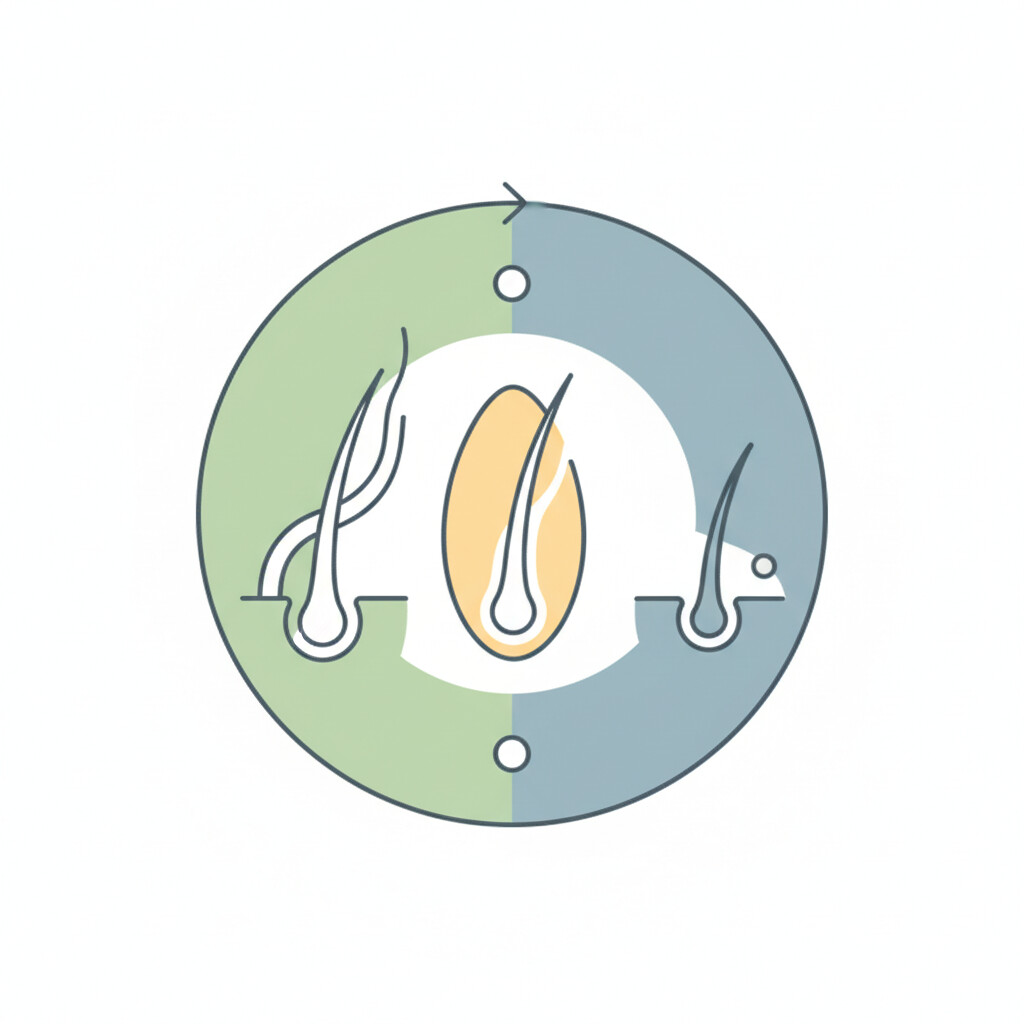
What matters is the follicle, not the hair shaft. Once the grafts have healed in, usually within the first week or two, the follicle stays anchored under the skin even when the hair falls out. A hair coming out with a tiny white bulb at the end during this phase is a shed hair, not a lost graft.
New hairs start to appear from around 3-4 months. They are often fine and uneven at first and thicken over the following months. Our month-by-month growth timeline covers this in more detail.
This shedding is not a sign that the grafts have failed, and it is not shock loss. It is simply part of how transplanted hair behaves.
Shock loss: temporary loss of native hair
Shock loss is the shedding of hairs that were not transplanted, usually in or next to the operated areas. It is sometimes described as a localised form of telogen effluvium.
Why it happens
The exact mechanism is not fully understood. The usual explanation is local trauma: thousands of small incisions made between existing hairs, swelling, local anaesthetic and inflammation can push nearby follicles into their resting phase early. They then shed a few weeks later.
It can appear in two places:
- Recipient area: native hairs between and around the new grafts, for example behind a new hairline or among thinning hair on top.
- Donor area: hairs around the extraction zone at the back and sides. Donor shock loss is usually temporary, but heavy extraction makes it more likely. See our guide to overharvesting for why a conservative donor plan matters.
Who is more likely to get it
Nobody can predict it exactly, but it is more commonly discussed in these situations:
- Grafts placed among a lot of existing but thinning hair, rather than into a fully bald area.
- Native hair that is already miniaturised (thin and weak) from pattern hair loss.
- Women, whose hair loss is usually diffuse, so grafts are often placed between existing hair. Our guide to female hair loss and transplantation explains the differences.
- Large sessions and dense packing close to native hair.
Does it grow back?
In most cases, yes. Shocked native hairs usually start growing again within about 3-6 months, sometimes longer. The main exception is hairs that were already close to being lost to pattern hair loss. These may not return, because the surgery only brought forward a loss that was likely to happen anyway.
Because shock loss often overlaps with the shedding of transplanted hairs, months 2-4 can look thinner than before surgery. This “ugly duckling” phase is common and usually passes.
Telogen effluvium: shedding across the whole scalp
Telogen effluvium is a diffuse increase in shedding that affects the whole scalp, not just the operated areas. It is triggered by a stress on the body, such as surgery, illness, high fever, a big emotional stress, rapid weight loss or some medication changes. Stopping minoxidil suddenly can also cause a shed.
It usually shows up around 2-3 months after the trigger, lasts for a few months and then settles, with hair regrowing over the following months. If you notice more hair on your pillow and in the shower from all over your head, including areas far from the surgery, this is the more likely cause. Our guide to stress-related hair loss (telogen effluvium) explains the signs and common triggers.
If diffuse shedding continues for more than about six months, see a doctor. Iron deficiency, thyroid problems and other medical causes can produce the same picture and are worth checking.
How to tell which one you have
Ask yourself three questions:
- Where is the hair falling out? Only from the grafted area: normal shedding of transplanted hairs. From native hair between or next to the grafts, or thinning around the donor area: likely shock loss. All over the scalp: more likely telogen effluvium.
- When did it start? Weeks 2-8 fits transplant shedding and shock loss. A diffuse shed starting 2-3 months after surgery fits telogen effluvium.
- Is anything else going on? Pain, redness, pus, round bald patches or scaling are not part of normal shedding and should be checked.
Take photos every few weeks in the same lighting and from the same angles. This gives you and your surgeon a much clearer picture than day-to-day checking in the mirror.
A typical timeline
- Days 1-14: scabs form and fall away; the grafts settle in.
- Weeks 2-8: most transplanted hairs shed. Shock loss, if it happens, often appears in this period.
- Months 2-4: the area can look thinner than before surgery. This is the phase that worries people most.
- Months 3-6: new transplanted hairs start to appear, and shocked native hairs usually begin to recover.
- Months 6-12: density and thickness build up steadily.
- 12-18 months: the result can be judged. The crown often takes longer than the hairline.
Everyone heals at a different pace, so treat these as rough ranges, not deadlines.
Can shock loss be prevented or reduced?
It cannot be ruled out completely, but some factors may lower the risk:
- Planning and technique. A careful surgeon assesses how much native hair is miniaturised, avoids unnecessary trauma to existing hair and keeps graft numbers and extraction realistic.
- Medical treatment. Some surgeons recommend finasteride and/or minoxidil before and after surgery for patients with a lot of native hair at risk. Others do not. Practice varies, and these medications have side effects and are not suitable for everyone, so follow your own surgeon’s advice and discuss them with a doctor.
- Aftercare. Gentle washing, no scratching or picking and following your post-op care instructions help the scalp heal cleanly.
- General health. Not smoking, eating a balanced diet and getting enough sleep support healing. Supplements have not been shown to prevent shock loss unless you have a real deficiency, so ask a doctor before taking them.

When to contact your surgeon
Shedding on its own is rarely a concern. Contact your surgeon or a doctor if you notice:
- Signs of infection: spreading redness, warmth, pus, increasing pain or swelling, or fever.
- Patchy loss that doesn’t fit the pattern, such as round, smooth bald patches, or scaling and pain in the scalp.
- Native hair that has not started to recover after about 6 months, or thinning in the donor area that is getting worse rather than better.
- Little or no new growth in the transplanted area by around 8-9 months. It may still be a slow start, but it is worth sending photos.
- Diffuse shedding all over the scalp lasting more than about six months.
Common questions
Do all transplanted hairs fall out?
Not always. Most patients lose most of them in the first 2-8 weeks, but some keep a portion. Either way is normal, and it does not predict how well the grafts will grow.
Is shock loss permanent?
Usually not. Most shocked native hairs grow back within a few months. Hairs that were already very thin from pattern hair loss may not return.
Can shock loss happen in the donor area?
Yes. Some people notice temporary thinning around the extraction area at the back and sides. It usually recovers over the following months.
Does shedding mean my transplant failed?
No. Shedding in the first two months is expected. Growth can only be judged from around 6 months, and the final result at 12-18 months.
Discussion
Did you lose most of your transplanted hairs in the first weeks, or keep some of them? Did you notice shock loss in your native hair or donor area, and how long did it take to recover? Share your timeline below. It helps people who are in the worrying months right now.
Related guides
- Hair Transplant Growth Timeline: Month-by-Month Progress
- Slow Hair Growth After a Hair Transplant: When to Worry?
- Uneven Hair Growth After a Hair Transplant: Is It Normal?
- Seasonal Hair Shedding After a Hair Transplant: What’s Normal?
- Hair Texture Changes After a Hair Transplant: Is It Normal?
About this guide: ForumHairTransplant.com is an independent patient community. We are not affiliated with any clinic or surgeon, and we don’t accept payment for rankings, reviews or recommendations. This article is general information, not medical advice. Talk to a qualified doctor about your own situation.