
For patients treated abroad, the procedure is only a few days of the journey. The months after you return home, when you are far from your clinic and waiting for growth, are when most questions and worries come up. This guide covers that phase in practical terms: staying in touch with your clinic remotely, finding a local doctor, tracking progress with photos, what is normal in months 1-6, and where to get honest input from other patients. We don’t have survey data on how international patients feel after returning home, so instead of summarising “what patients say”, this guide asks members to share their own experience in the Discussion below.
Key takeaways
- Before you leave the clinic, get a written surgical report and a clear follow-up plan: who reviews your photos, how often, and how to reach someone urgently.
- Identify a local doctor (your GP or a dermatologist) before you need one, so you are not searching during a problem.
- Take consistent progress photos every month. Same lighting, same angles, dry hair.
- Shedding, redness, spots and slow early growth are common in months 1-6. Signs of infection are not, and need prompt attention.
- Judge the result at 12-18 months, not at month 4.
Before you leave the clinic
The return-home phase goes much more smoothly if a few things are sorted out before your flight.
- A written surgical report. Ask for the number of grafts, the technique, the areas treated, any medications prescribed and any issues during surgery. A local doctor will need this if they ever examine you.
- Your aftercare instructions in writing, in a language you read well, with the washing schedule and dates for returning to exercise, hats and haircuts.
- A named contact and a clear way to reach them (email, messaging app), plus what to do outside working hours.
- The follow-up schedule. Many clinics ask for photos at set points, for example monthly in the first year. Find out whether a doctor or a coordinator reviews them.
- Your “day 1” photos. Take your own clear photos of the recipient and donor areas before you fly.

The journey home and the first two weeks
You will usually fly within a few days of surgery, with a visible, sore and sometimes swollen scalp. Our guide on flying after a hair transplant covers what to expect on the flight.
At home, continue the clinic’s washing routine exactly. The grafts are most vulnerable in the first days. Avoid knocks, tight hats, heavy sweating and direct sun. Scabs usually clear within one to two weeks with gentle washing. If you are unsure about anything, send a clear photo and a short question to your clinic rather than guessing.
Following up with your clinic remotely
Remote follow-up works well for routine questions: is this shedding normal, is this redness expected, when can I start a treatment again. To get useful answers:
- Send photos in good, even light, with the area in focus.
- Say how many days or weeks you are after surgery.
- Describe symptoms precisely: where, since when, getting better or worse.
- Keep a record of what you asked and what you were told.
If replies are slow or vague, follow up politely and in writing. For anything that looks like infection or needs an examination, don’t wait for a remote reply. See a local doctor.
Finding a local doctor for check-ups
It helps to know in advance where you would go if you needed to be seen in person.
- Your GP or family doctor can assess and treat common problems such as infection or inflamed spots, and refer you if needed.
- A dermatologist can help with longer-lasting redness, itching, folliculitis or ongoing hair loss.
- A local hair restoration surgeon can give a second opinion on growth or the donor area. Some will see patients treated elsewhere, usually for a consultation fee.
Bring your surgical report and your progress photos. Be aware that local doctors can treat complications, but they are not responsible for the cosmetic result of surgery done elsewhere.
Tracking your progress with photos
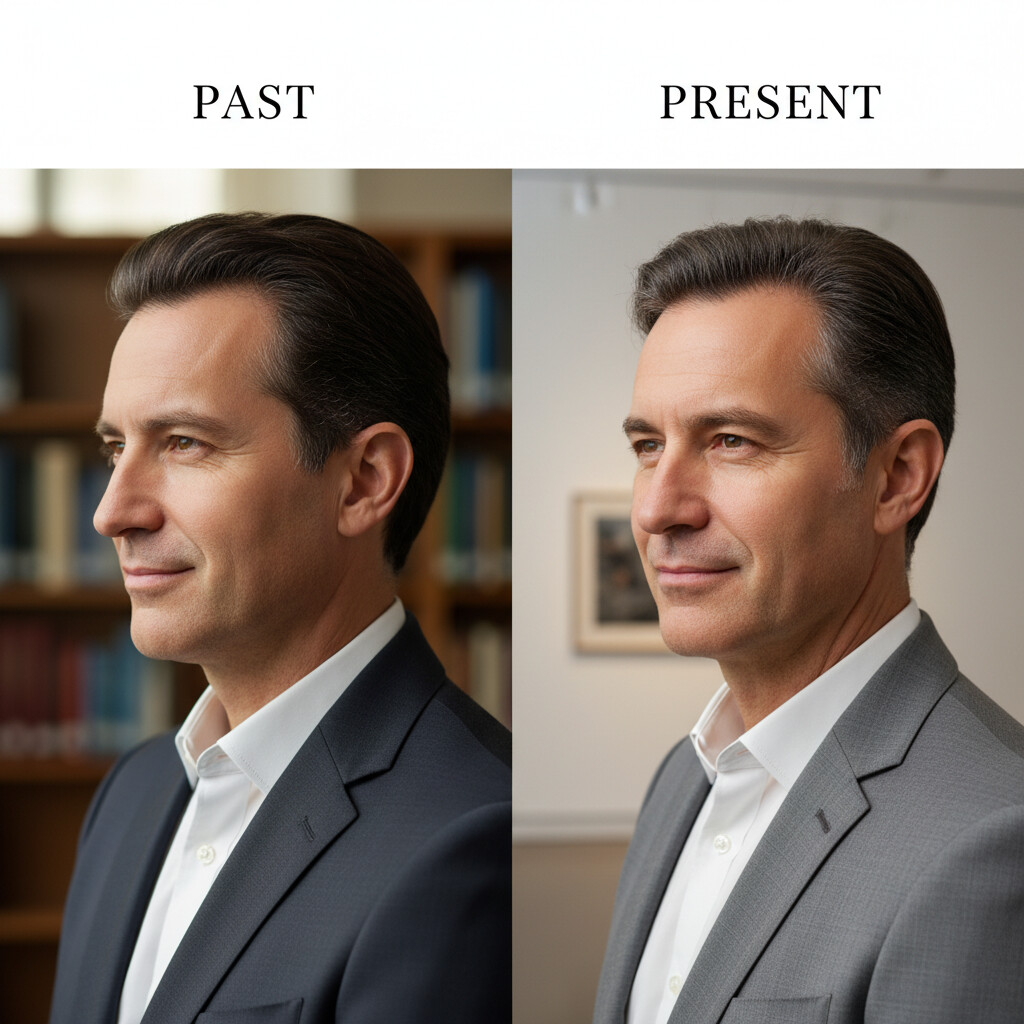
Hair growth is slow and changes day to day are invisible. Many people worry because they look in the mirror too often under changing light. Consistent photos give you, your clinic and any doctor a more reliable picture.
- Take photos once a month, on about the same date.
- Use the same room, the same light and the same distance.
- Take the same set each time: front, top, crown, both sides and the donor area.
- Photograph dry, unstyled hair. Wet hair and bright overhead light make any scalp look thinner.
Our guide on how lighting affects how results look explains why this matters.
Common worries in months 1-6
Most of these are a normal part of the process. The month-by-month growth timeline shows how they fit together.
- Shedding of transplanted hairs (weeks 2-8). The hair shafts usually fall out while the follicles stay in place. This is expected.
- Shock loss. Some native hair around the treated area may shed temporarily. See shock loss vs. temporary hair loss.
- The “ugly duckling” phase (months 1-3). After shedding, the area can look much like it did before surgery. This is often the hardest period emotionally.
- Redness, itching and small spots. Redness can last weeks to months, especially on fair skin. Small pimple-like spots often appear as new hairs break through.
- Numbness or tingling in the donor or recipient area, which usually improves over months.
- Slow or patchy early growth (months 3-6). New hairs are thin and uneven at first. Growth rarely looks balanced at month 4.
Doubt and anxiety in this period are common. Knowing what to realistically expect helps, and so does remembering that the final result is usually judged at 12-18 months.
When to contact a doctor
Contact your clinic and see a local doctor promptly if you notice:
- Spreading redness, warmth, increasing swelling or pus.
- Fever or feeling generally unwell.
- Pain that is getting worse instead of better.
- Dark, crusted or discoloured skin in the recipient area that does not heal.
- Large, painful or persistent spots, or spots that keep coming back.
If there is no visible new growth at all by around month 6-8, raise it with your clinic, with your monthly photos. Our guide on dissatisfaction at the 6-month mark covers how to approach that conversation.

Where to get honest peer input
Talking to people who have been through the same months can be reassuring, but choose your sources carefully.
- Progress threads on this forum. Posting monthly photos with your timeline makes it easier for others to compare and give useful feedback.
- Compare like with like. Look for patients with a similar graft count, hair type and area treated, at the same month after surgery.
- Be wary of promotional accounts. Some “patients” online are paid by or linked to clinics. Posts that only praise one clinic, or that push you to contact a specific coordinator, deserve caution.
- Treat reassurance as reassurance, not diagnosis. Other patients can tell you what was normal for them. A doctor should assess anything that looks like a complication.
Common questions
Do I need to return to the clinic abroad for check-ups?
Usually not. Most clinics follow up remotely with photos. A return visit is typically only needed for a second procedure or a problem that needs their direct involvement.
Will a local doctor see me if my transplant was done abroad?
A GP or dermatologist will treat medical problems such as infection. A local hair surgeon may give a second opinion, usually for a fee. Bring your surgical report.
When can I judge whether the transplant worked?
Not before 12 months, and the crown can take up to 18 months. Months 3-6 are too early to judge.
Discussion
If you had your transplant abroad, what was the return-home phase like for you? How well did remote follow-up with your clinic work, and did you need to see a local doctor at any point? Share your month and your photos if you’re comfortable. First-hand experiences are what make this section useful to the next person.
Related guides
- The Hair Transplant Journey in Turkey: What to Expect
- Expectations vs. Reality: What Patients Wish They Knew Before Hair Restoration
- Psychological Readiness for Hair Restoration
- Understanding Hair Transplant Regret: Causes and Prevention
- Hair Transplant Growth Timeline: Month-by-Month Progress
About this guide: ForumHairTransplant.com is an independent patient community. We are not affiliated with any clinic or surgeon, and we don’t accept payment for rankings, reviews or recommendations. This article is general information, not medical advice. Talk to a qualified doctor about your own situation.