
What this guide will explain
- Common reasons behind hair transplant dissatisfaction.
- The importance of realistic expectations.
- How to select the right clinic and surgeon.
- Factors contributing to natural-looking outcomes.
- The role of post-treatment care and patience.
Introduction
Hair transplantation has advanced significantly, offering many individuals a way to restore a fuller head of hair and boost their confidence. However, like any medical procedure, it’s not always a perfect fit for everyone, and in some cases, individuals may experience regret. Understanding the potential reasons for dissatisfaction is crucial for anyone considering this path. This guide aims to provide a clear, calm, and informative overview of why some individuals might regret their hair transplant and, more importantly, how to navigate the decision-making process to achieve results you’ll be happy with long-term.
This information is intended for adults, particularly those aged 35 and above, who are seriously exploring hair restoration options. We focus on providing a balanced perspective, helping you to form informed opinions based on realistic expectations and a thorough understanding of the factors involved. By the end of this guide, you will have a clearer picture of the potential pitfalls and how to proactively avoid them, ensuring your hair restoration journey is a positive one.
Clear Explanations: Unpacking Potential Dissatisfaction
While successful hair transplants are common, regret can stem from several key areas. It’s rarely about the procedure itself failing technically, but more often about mismatched expectations or a lack of thorough preparation. Let’s explore these common themes without resorting to overly technical or alarming descriptions.
Unrealistic Expectations
One of the most significant contributors to post-transplant regret is having expectations that are not aligned with what is realistically achievable. This can include desiring a density that isn’t possible given the available donor hair, expecting an immediate dramatic change, or believing the transplanted hair will behave exactly like native hair in terms of growth rate and texture.
“Many individuals hope for a full head of hair instantly, which isn’t the reality. The process takes time, and achieving optimal density requires careful planning based on individual donor supply,” explains a senior consultant in hair restoration. “It’s vital to understand that a transplant redistributes existing hair, rather than creating new hair growth.”
Inadequate Surgeon or Clinic Selection
Choosing the right medical professional and facility is paramount. Regret can arise from selecting a surgeon or clinic without adequate experience, poor communication, or a lack of focus on artistic, natural-looking results. A clinic that prioritizes volume over individualized care, or one that doesn’t thoroughly assess your specific needs and goals, may lead to outcomes that don’t meet your personal standards.
Dr. Anya Sharma, a leading expert in aesthetic medicine, notes, “The best results come from a collaborative approach. Patients need to feel heard, and surgeons need to be transparent about what’s possible. A disconnect here is a common precursor to dissatisfaction.”
Poorly Executed Hair Placement
Even with skilled hands, the aesthetic outcome heavily relies on the artistry of the surgeon. Natural-looking results depend on careful consideration of hairline design, appropriate density distribution, and angle and direction of hair growth to mimic natural patterns. If the transplanted hair appears unnatural in its placement, density, or angulation, it can lead to significant disappointment.
“It’s about creating a result that is harmonious with your facial features and age. A hairline that is too low or too straight, for instance, can look artificial over time,” comments a hair restoration specialist. “Attention to these subtle details is what distinguishes a truly successful outcome.”

Overpromising and Underdelivering
Sometimes, dissatisfaction stems from clinics that make promises they cannot realistically keep. This might involve guarantees of unattainable results or downplaying the recovery process and potential challenges. A trustworthy clinic will be upfront about the entire journey, including the timelines for seeing results and the possibility of needing future procedures to maintain or enhance the outcome.
Natural-Looking Outcomes: The Goal
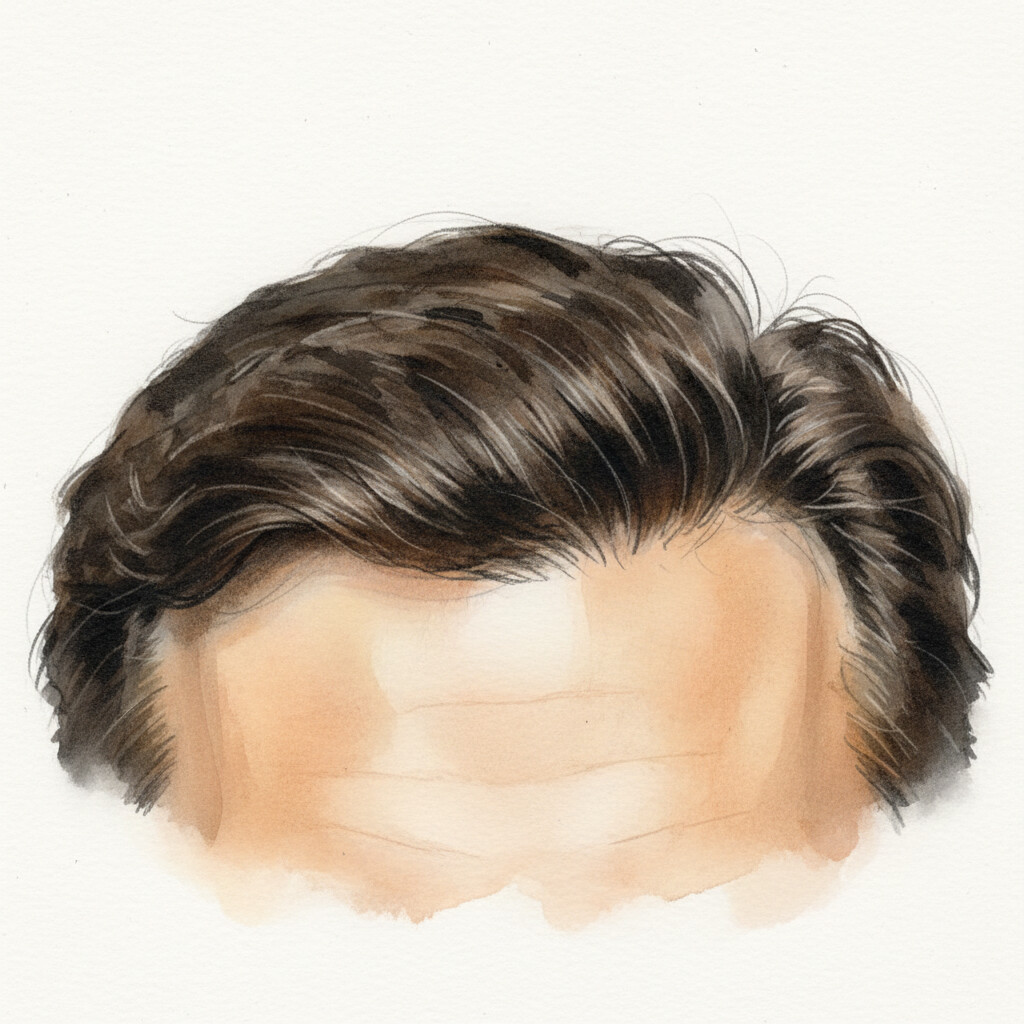
The ultimate aim of any hair restoration procedure is a result that looks natural and enhances your appearance without drawing undue attention to the treatment itself. This involves several interconnected factors:
- Hairline Design: A well-designed hairline is crucial. It should complement your facial structure and appear age-appropriate.
- Density and Distribution: Achieving a natural look requires appropriate density in the right areas. The goal isn’t necessarily to replicate the density of a youthful, untouched head of hair, but to create a visually full appearance that blends seamlessly with existing hair.
- Donor Hair Management: The skill with which donor hair is harvested and utilized plays a significant role. Preserving the donor area’s appearance while maximizing the use of available grafts is key to both immediate and long-term satisfaction.
Practical Considerations for a Positive Experience
Navigating the decision to undergo a hair transplant requires careful planning and realistic expectations. Focusing on these aspects can significantly reduce the likelihood of regret.
Planning and Decision-Making
Take your time. Research multiple clinics and surgeons. Look for specialists with proven track records, extensive experience, and a portfolio of natural-looking results. Have detailed consultations where your specific concerns, goals, and the surgeon’s proposed plan are thoroughly discussed. Don’t hesitate to ask questions about every aspect of the procedure, recovery, and expected outcomes.
Typical Timelines
Understand that hair restoration is a gradual process. Initial results may start to appear after a few months, but it can take 12-18 months, or even longer, to see the final outcome. Patience is essential. The transplanted hair will go through shedding cycles before new growth begins. Rushing the process or expecting overnight changes can lead to disappointment.
Comfort and Expectations Overview
While the procedure is performed under local anesthesia, comfort levels can vary. Reputable clinics prioritize patient comfort throughout the hair restoration process. More importantly, maintaining realistic expectations about the timeline, the amount of visible change at different stages, and the final result is vital for satisfaction.
Long-Term, Natural-Looking Outcomes
Focus on clinics that emphasize artistry and natural aesthetics. The best results are those that are subtle and enhance your appearance without being obviously artificial. This requires a surgeon who understands facial anatomy, hairloss patterns, and how to create a result that ages gracefully with you.

Common Questions (FAQ)
Q1: What is the most common reason for hair transplant regret?
A1: The most frequent reasons cited are unrealistic expectations about density or the speed of results, and outcomes that appear unnatural or aesthetically displeasing. Poor communication with the surgeon or a lack of understanding about the entire process can also contribute.
Q2: Can a bad hair transplant be fixed?
A2: In many cases, yes. Revision procedures can be performed by experienced surgeons to correct issues like unnatural hairlines, poor density, or scar visibility. However, it’s always best to aim for the best possible outcome from the initial procedure through careful selection and planning.
Q3: How important is the surgeon’s artistic eye in hair transplantation?
A3: Extremely important. Hair transplantation is both a science and an art. The surgeon’s ability to design a natural-looking hairline, determine appropriate density, and place hairs correctly, considering angles and direction, is critical for aesthetic success. It’s not just about implanting grafts; it’s about creating a natural appearance.
Q4: What should I look for when choosing a clinic for hair restoration?
A4: Look for board-certified surgeons with specialized experience in hair restoration, a clinic that prioritizes patient consultations and education, a portfolio showcasing natural and consistent results, and positive patient testimonials. Ensure they openly discuss realistic outcomes and timelines.
Discussion Section
For those who have undergone hair transplantation or are considering it, sharing experiences can be invaluable. Here are a few questions to encourage thoughtful discussion:
- What factors were most important to you when choosing a hair transplant surgeon or clinic?
- How did you manage your expectations throughout the hair restoration process, from consultation to seeing final results?
- What advice would you give to someone who is feeling uncertain or anxious about the potential long-term aesthetic outcome of a hair transplant?
Medical Disclaimer
This guide provides general information and should not be considered a substitute for professional medical advice. Individual results from hair transplantation can vary significantly. A thorough consultation and assessment by a qualified and experienced medical professional are essential to determine the best course of action for your specific needs and circumstances. We do not make any guarantees or personal claims regarding the outcomes of any procedure.