
By ForumHairTransplant Editorial Team · Prepared with AI assistance · Sources checked: 19 October 2026
To choose a hair transplant clinic, focus on four things: who will actually perform each step of your surgery, how thoroughly you are assessed before anyone quotes a graft number, whether you can see many verifiable long-term results, and what happens after you fly home. Price, marketing and the name of the technique matter far less than these. This guide gives you the questions to ask, the red flags to watch for and a simple way to compare clinics side by side.
Key takeaways
- Find out exactly who does the consultation, the hairline design, the extractions, the incisions and the implantation. Vague answers are a warning sign.
- Insist on a written plan: graft number, areas treated, technique, what your donor area can give over your lifetime, and the full price with what is included.
- Judge results by many cases similar to yours, photographed at 12 months or later in consistent conditions, not a few highlight photos.
- Aftercare matters. Ask who you contact if something goes wrong and how follow-up works once you are home.
- Be cautious of pressure to book fast, very large graft promises made from photos, and prices that seem too good to be true.
Step 1: Build a shortlist carefully
Start with your own goals: which areas bother you most, how you wear your hair, and how much future loss you might expect. Then build a shortlist of three or four clinics.
Useful sources include detailed patient reports on independent forums, especially ones that follow the result for a year or more and show the donor area. Treat paid advertising, sponsored influencer content and review sites that clinics pay to be listed on with caution. A clinic’s size is not a guide to quality on its own.
Step 2: Find out who actually operates
This is the most important question, and often the least clearly answered. A hair transplant has several steps:
- Consultation and diagnosis
- Hairline and graft plan design
- Graft extraction (FUE) or strip removal (FUT)
- Creating the recipient sites (the incisions, which set angle, direction and density)
- Placing the grafts
Ask which of these the named doctor performs personally, which are done by technicians, and how many patients the team treats on the same day. Rules on what technicians may legally do differ between countries. In many places, surgical steps such as extractions and incisions should be done by, or under the direct supervision of, a licensed doctor.
Clinics that run many operations at once with little doctor involvement are sometimes called hair mills. Learn how to spot them in What Is a Hair Mill and How to Avoid Them?
Step 3: Verify credentials
Do not rely on the clinic’s own website. Check that:
- the doctor holds a valid medical licence in the country where you will be treated,
- the facility is licensed to carry out surgical procedures,
- the doctor has substantial, specific experience in hair restoration, not just general cosmetic work,
- anaesthesia is given by, or under the supervision of, appropriately qualified staff.
If you are travelling to Turkey, our guide to verifying hair transplant clinic credentials in Turkey explains what to check. For more on assessing the doctor, see How to Choose a Hair Transplant Doctor: 7 Key Tips.
Step 4: Judge the consultation
The consultation tells you a lot about how the clinic works. A good one:
- is done or reviewed by a doctor, not only a sales coordinator,
- includes a diagnosis of your type of hair loss, not just a Norwood number,
- assesses your donor area (ideally with magnification, or with clear, well-lit photos if remote),
- asks about your health, medications and family history,
- discusses your likely future hair loss and whether medical treatment makes sense,
- explains what will not be covered as well as what will.
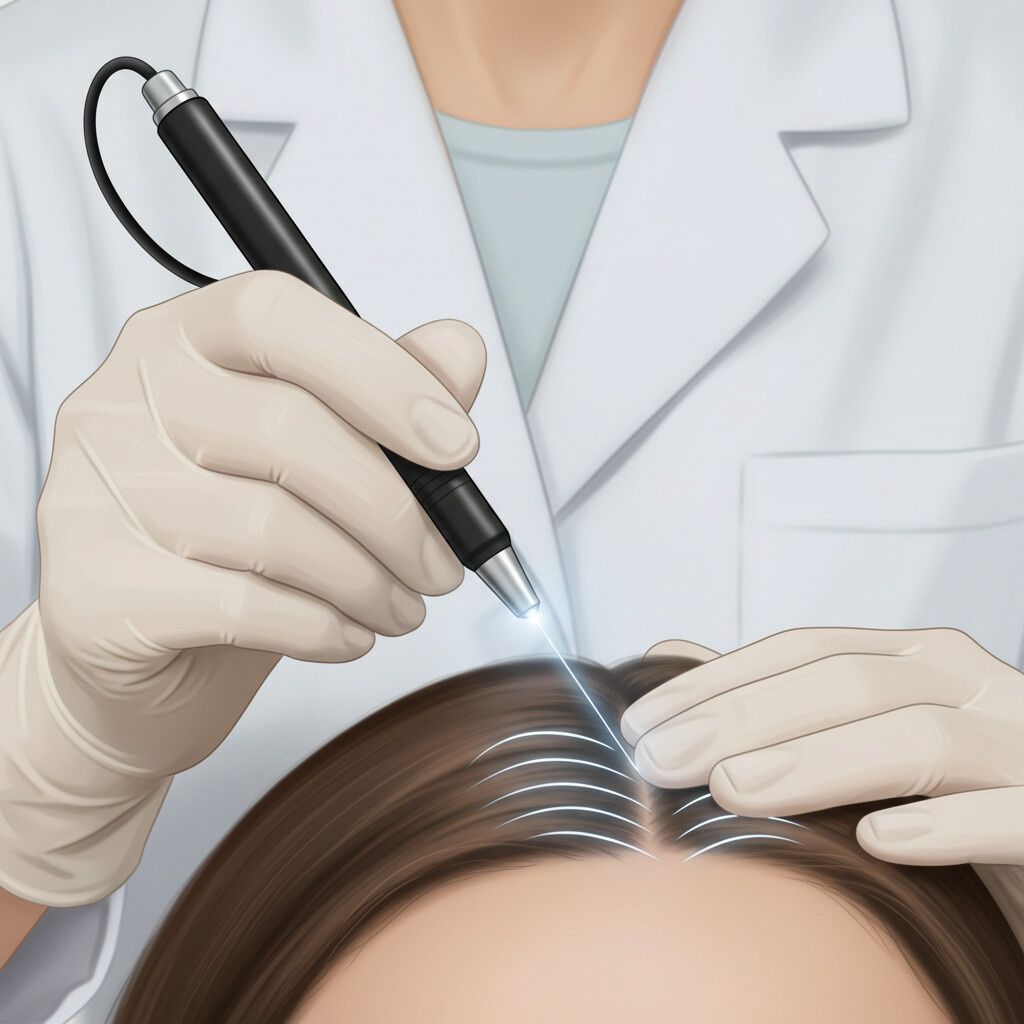
A remote consultation from photos can give a reasonable first estimate, but the final plan should be confirmed in person before surgery. Be cautious if the proposed graft number rises sharply on the day of surgery, or if you are asked to pay for a larger session than you agreed.
Step 5: Get a written plan and quote
Before you book flights, ask for these in writing:
- the number of grafts planned, and the areas they will cover,
- the proposed hairline position and shape,
- the harvesting method and the reason it was chosen for you,
- an estimate of your lifetime donor supply and how much will remain after this session,
- who will perform each step,
- the full price, what it includes (tests, medications, aftercare products, hotel, transfers), and any extra costs,
- the cancellation, deposit and refund terms.
To see what a fair price looks like and why prices vary so much, read How Much Does a Hair Transplant Cost in 2026?
Step 6: Review results critically
Before-and-after photos are useful only if they are honest and comparable. Look for:
- many cases, not a handful of highlights,
- patients with hair loss, hair type and age similar to yours,
- results at 12 months or later, since earlier photos do not show the final outcome,
- the same angles, lighting and hair length before and after,
- photos of the donor area after healing, not only the front,
- videos, and results with hair both dry and wet.

A natural result has a soft, irregular hairline suited to the person’s age and face, hairs angled forward and in the right direction, and a donor area without obvious thinning. Independent patient reports with month-by-month updates are often more informative than a clinic’s own gallery.
Step 7: Check safety and hygiene
Ask how instruments are sterilised, whether blood tests are done before surgery, how anaesthesia and medications are managed, and what the plan is if a medical problem occurs during the procedure. The operating room should be clean and clinical, with staff wearing appropriate protective clothing.
Step 8: Understand aftercare and follow-up
Your result depends on the months after surgery as well as the day itself. Ask:
- Who is my point of contact after I return home, and how quickly do they reply?
- How will follow-up work (for example, photo reviews at set months)?
- What happens if I get an infection, unusual swelling or poor growth?
- Is there a policy for correction if the result is poor, and what does it cost?
Arrange a local doctor you can see if a problem needs hands-on care, especially if you are travelling abroad.
Red flags to watch for
- You never meet or speak to the doctor before surgery day.
- Unclear answers about who does the extractions and incisions.
- Promises of a guaranteed graft survival rate, “full density in one session” or very large graft numbers from photos alone. See why some clinics promise too much.
- Pressure tactics: “today only” discounts or repeated calls to book quickly.
- No questions about your health or medications.
- A very low hairline suggested for a young patient without discussing future loss.
- Prices far below the local market with no clear explanation.
Our full checklist is in Recognizing Red Flags: How to Identify a Low-Quality Clinic.
How much should price influence your choice?
Price matters, and a higher price is not proof of quality. But a transplant uses a limited donor supply, and a poor result can be expensive and sometimes impossible to fully repair. Compare what you actually get: doctor involvement, the number of patients per day, the written plan and aftercare. Choose on those, then use price to decide between clinics that pass.

Common questions
Is FUE, DHI or sapphire FUE the best technique?
The technique name matters less than the skill of the team and the plan. A good clinic explains why a method suits you rather than selling a branded technique as superior.
How much experience should the surgeon have?
There is no set number of years. Look for a doctor who focuses on hair restoration, can show many long-term results similar to your case, and is personally involved in the key surgical steps.
Is it safe to have a hair transplant abroad?
Many people do so without problems, but the checks in this guide matter even more when you travel. Plan for follow-up at home and allow time in your schedule in case recovery is slower than expected.
Should I choose a large clinic or a small one?
Either can be good or bad. What matters is how many patients each doctor treats per day and how involved they are in your surgery.
Discussion
How did you choose your clinic, and what finally made you decide? Which questions got the most revealing answers during your consultations? If you would choose differently now, tell us why. Your experience can help others avoid mistakes.
Sources
- Ask Your Hair Restoration Surgeon: Questions to Have Confidence Before Surgery, ISHRS
- Finding a Hair Restoration Doctor That’s Right for You, ISHRS
- Choosing who will do your cosmetic procedure, NHS
Related guides
- Prioritizing Price Over Quality in Hair Restoration: A Risky Approach
- Understanding Hair Transplant Regret: Causes and Prevention
- Are Hair Transplant Clinics in Turkey Safe? What to Check
- Large Hair Transplant Clinic vs. Boutique Center: Which Is Better?
About this guide: ForumHairTransplant.com is an independent patient community. We are not affiliated with any clinic or surgeon, and we don’t accept payment for rankings, reviews or recommendations. This article is general information, not medical advice. Talk to a qualified doctor about your own situation.