By ForumHairTransplant Editorial Team · Prepared with AI assistance · Sources checked: 19 October 2026
Redness and itching are two of the most common side effects after a hair transplant, and in most cases they are a normal part of healing. Redness usually fades over the first few weeks, although it can linger as a pink tone for longer in people with fair skin. Itching tends to come in waves: when the scabs come off, and again months later when new hairs push through the skin. This guide explains what is normal, how to manage both safely and when to contact your surgeon.
Key takeaways
- Redness (erythema) is caused by increased blood flow and inflammation as the scalp heals. It usually fades over 1-3 weeks, but can take weeks to a few months in fair skin.
- Itching often peaks as scabs loosen in the first two weeks and can return around months 2-4 when new hairs start to grow.
- Never scratch the recipient area in the first weeks. Gentle patting, cool compresses and the washing routine your surgeon gave you are safer.
- Only use sprays, lotions or medicines that your surgeon has approved.
- Spreading redness, warmth, pus, fever or worsening pain are not normal and should be checked.
Why redness and itching happen
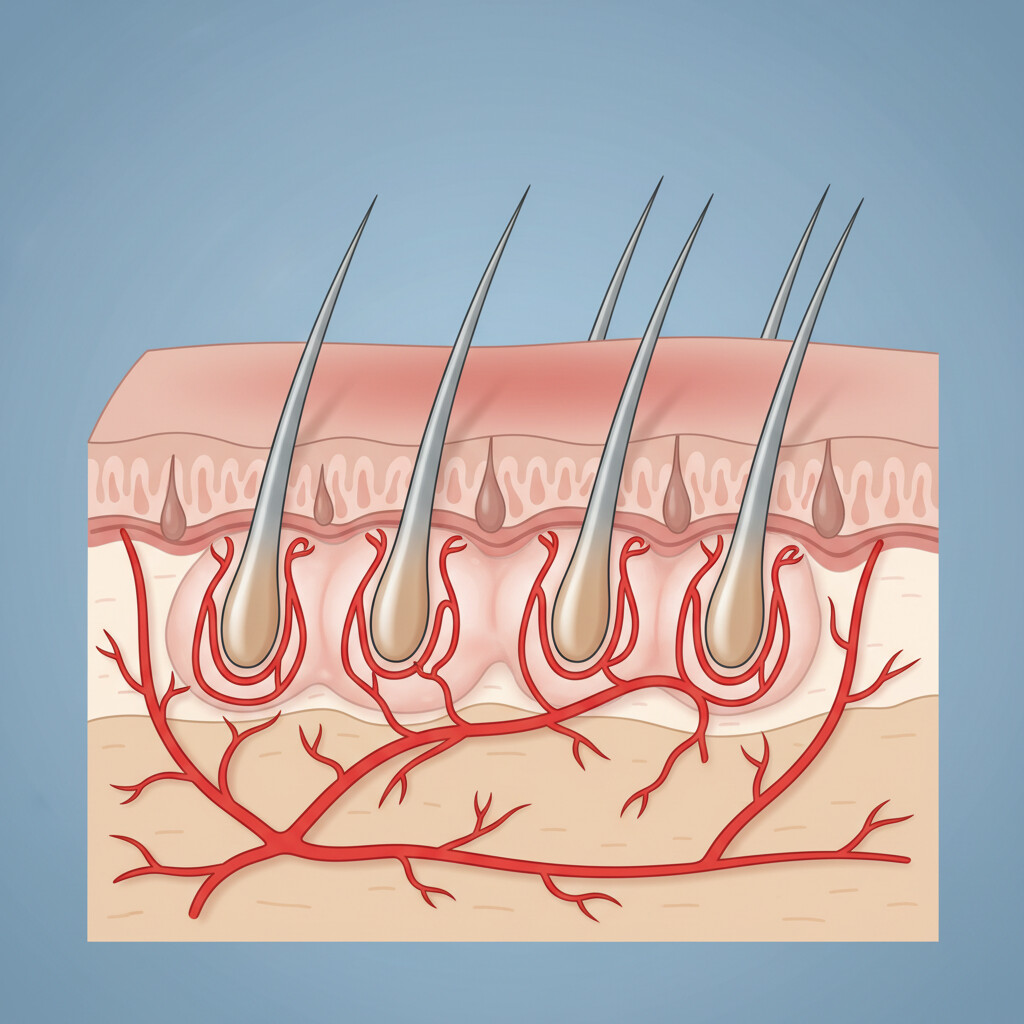
A hair transplant creates thousands of tiny wounds: one for each graft removed and one for each recipient site. The body responds with inflammation. Small blood vessels widen to bring blood to the area, and that increased blood flow is what makes the skin look red.
Itching comes from several things at once:
- Healing skin and nerve endings. As the small wounds close and nerves recover, they often send itch signals.
- Histamine and inflammation, which are part of the normal healing response.
- Scabs and crusts drying and loosening around the grafts. Our guide to scabs after a hair transplant explains how they should come off.
- Dryness of the scalp in the first weeks.
- Normal shedding of transplanted hairs in weeks 2-8, and later the growth of new hairs through the skin. This shedding is expected and is different from shock loss, which is temporary loss of your native hairs near the operated area. Our guide to shedding and shock loss after a transplant explains the difference.
What is normal and how long it lasts
Every scalp heals differently, but a typical pattern looks like this:
- First days: redness and some swelling in the recipient area, with tenderness in the donor area.
- Days 5-14: scabs loosen and fall away during washing. Itching is often at its strongest in this period.
- Weeks 2-4: redness fades for most people. In fair skin, a pink tone can remain.
- Months 2-4: new hairs start pushing through. Some people get mild itching again, and occasionally small pimple-like spots where a hair is having trouble breaking through the skin.
Redness that slowly fades and itching that comes and goes are both normal. What matters is the direction: things should gradually get better, not worse.
The first days: care that helps
Your surgeon’s instructions come first. Practice varies between surgeons, so follow what you were told. In general, the first days involve:
- Gentle washing. Use the shampoo or lotion you were given and the patting technique described in our first-wash guide. Do not rub the recipient area.
- Avoiding heat and irritants. No hot showers, saunas, direct sun or hair products on the recipient area until your surgeon says it is fine.
- Sleeping with your head raised. This helps with swelling and keeps pressure off the grafts.
- Taking only prescribed or approved medicines. Pain relief or anti-inflammatory medication may be prescribed. Check with your surgeon before adding anything else.
Managing redness
Redness mostly needs time. You can keep the scalp comfortable while it heals:
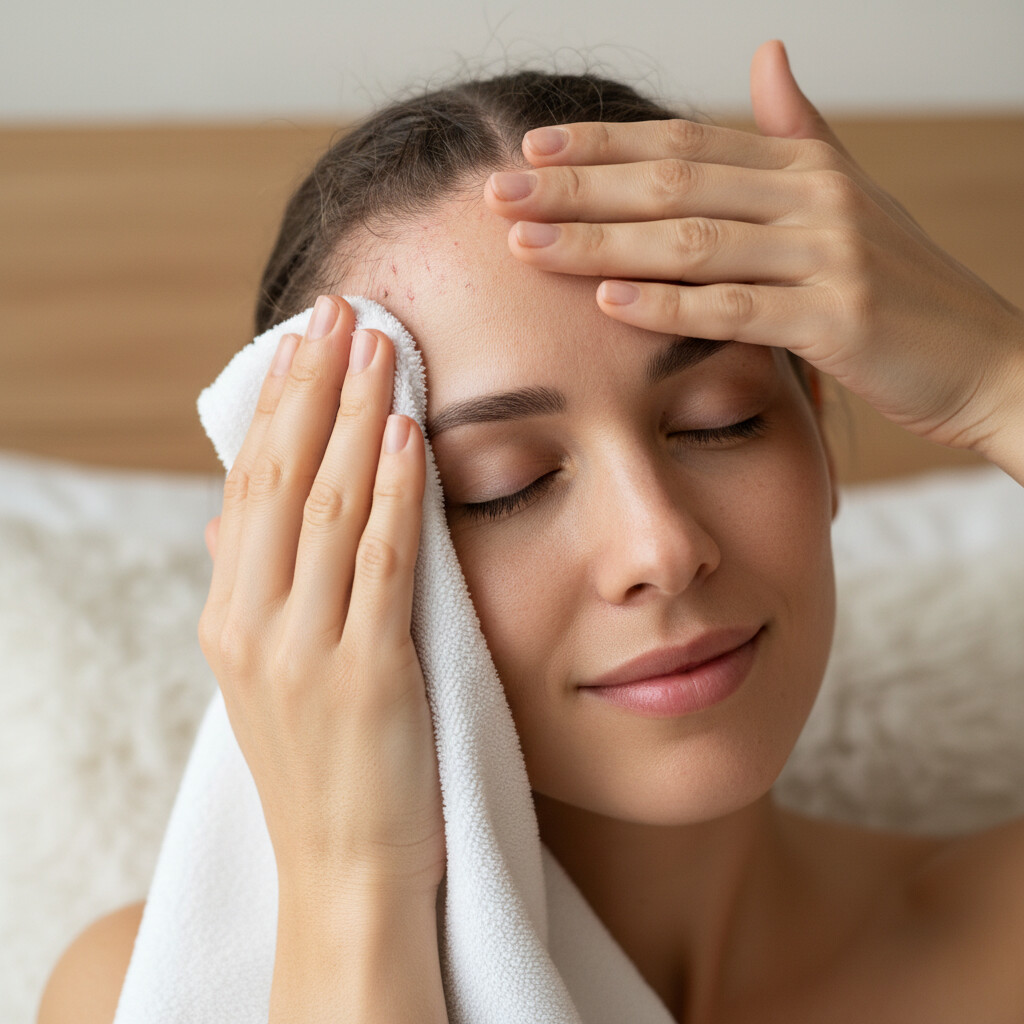
- Cool compresses on the forehead and around the treated area, not pressed on the grafts. Use cool, not ice-cold, water and a clean cloth.
- Saline spray, if your surgeon recommends it, can keep the recipient area moist and comfortable in the first days.
- Moisturisers or soothing lotions only once approved. Some surgeons allow a light, fragrance-free product after the first week or two. Others prefer you use nothing but their shampoo. Ask before you apply anything.
- Prescribed topical treatments. If redness is unusually strong, your surgeon may prescribe something. Use it exactly as directed.
- Sun protection. Sun can make redness last longer. Stay in the shade and follow our guide to sun exposure after a hair transplant for when a hat or sunscreen is allowed.
Managing itching
Scratching in the first weeks can dislodge grafts, damage the healing skin and introduce infection. These steps help you get through the itch without harming the grafts:
- Pat, don’t scratch. Lightly pat the itchy area with clean fingertips.
- Keep to your washing routine. Regular, gentle washing softens scabs and removes debris that can make itching worse.
- Stay cool. Heat and sweat make itching worse. Keep your bedroom cool and avoid hard exercise until your surgeon clears it.
- Loose, breathable headwear. If you need to cover your head once allowed, choose a loose cotton hat rather than a tight cap.
- Ask about antihistamines. An oral antihistamine can help some people, especially at night. Check with your surgeon or a pharmacist first, particularly if you take other medication, as some cause drowsiness.
- Gentle products later on. Once the scalp has healed, a mild shampoo is usually enough. Avoid strong fragrances and harsh chemicals for the first months.
If you accidentally scratch or bump the grafts, don’t panic. Check for bleeding and follow your surgeon’s advice. Occasional light contact after the first days rarely causes a problem.
Longer-term scalp care
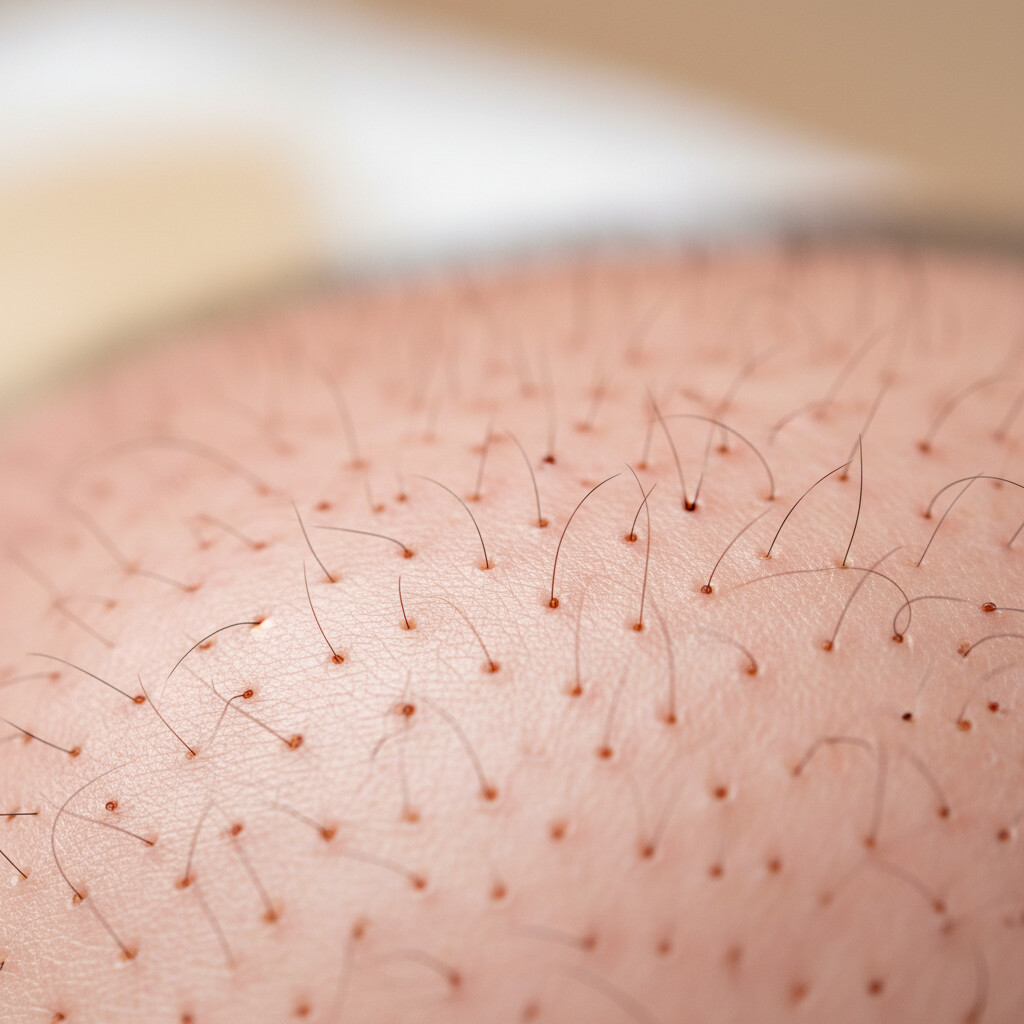
Once the scalp has healed, a simple routine is enough: gentle shampoo, no aggressive scrubbing, sun protection and a break from harsh chemical treatments until your surgeon says they are safe. Gentle scalp massage is usually allowed later, but ask when to start. Not smoking and eating a balanced diet also support healing.
When to contact your surgeon
Contact your surgeon or a doctor if you notice:
- Signs of infection: redness that spreads or gets darker, warmth, increasing swelling, pus or discharge, fever or chills.
- Severe or worsening pain instead of gradual improvement.
- Itching so strong you cannot stop scratching, or scratching that causes bleeding or open sores.
- Redness that is getting worse after the first week or two, rather than slowly fading.
- Many painful red bumps or pimples, especially if they are growing, spreading or filled with pus.
- A rash, hives or blistering after using a new product, which could be an allergic reaction.
- Significant swelling around the eyes or face that increases after the first few days.
Common questions
How long does redness last after a hair transplant?
For most people it fades over 1-3 weeks. In people with fair or sensitive skin, a pink tone can remain for several weeks, and occasionally a few months. It should be slowly improving.
Is itching a sign of infection?
Usually not. Itching on its own is a normal part of healing. Itching together with spreading redness, warmth, pus or fever needs to be checked.
Why is my scalp itchy again months after the surgery?
Around months 2-4, new hairs push through the skin, which can cause mild itching and sometimes small spots. Keep washing gently and contact your surgeon if the spots are painful, spreading or not clearing.
Discussion
How long did the redness last for you, and when was the itching at its worst? What helped you get through it without scratching? Share your experience below, including your skin type, as it helps others know what to expect.
Sources
- Complications in Hair Transplantation (Kerure and Patwardhan), Journal of Cutaneous and Aesthetic Surgery
- Complications of Hair Transplant Procedures: Causes and Management (Garg and Garg), Indian Journal of Plastic Surgery, 2021
- Hair Transplant: How Does It Work, Success Rates, Cleveland Clinic
- Hair Transplantation: Preventing Post-operative Oedema (Abbasi et al.), Journal of Cutaneous and Aesthetic Surgery, 2009
Related guides
- Hair Transplant Aftercare: What to Do From Day 1 to Month 12
- What Happens If You Accidentally Touch Your Hair Grafts?
- What to Eat After a Hair Transplant: Diet for Healing and Growth
- When Can I Dye My Hair After a Hair Transplant?
- Can You Fly After a Hair Transplant? Timing and Travel Tips
- Pimples After a Hair Transplant: Why They Appear and What to Do
- Itching After Hair Transplantation (Causes and Solutions)
About this guide: ForumHairTransplant.com is an independent patient community. We are not affiliated with any clinic or surgeon, and we don’t accept payment for rankings, reviews or recommendations. This article is general information, not medical advice. Talk to a qualified doctor about your own situation.