
By ForumHairTransplant Editorial Team · Prepared with AI assistance · Sources checked: 19 October 2026
A dry, tight or flaky scalp is common in the weeks after a hair transplant. It is usually part of normal healing: the skin is repairing thousands of tiny wounds, crusts are shedding, and you are washing more gently than usual. It normally improves within a few weeks with gentle washing and the moisturiser or lotion your clinic recommends. Dryness alone rarely affects the result. Spreading redness, pain, pus or flaking that keeps getting worse should be checked by your surgeon.
Key takeaways
- Mild dryness, tightness and fine flaking are common for several weeks after surgery and usually settle on their own.
- Follow your clinic’s washing routine. Gentle, regular washing helps clear crusts and flakes. Scratching and picking do not.
- Use only products your surgeon approves in the first weeks, and avoid heavy oils, fragrances and strong medicated shampoos until you are told they are safe.
- Minoxidil, dry air, sun and hot water can make dryness worse.
- Redness with pain, swelling, pus, or greasy yellow scaling that keeps spreading may be infection or dermatitis, not simple dryness.
Why the scalp gets dry after a transplant
Several things combine in the first weeks:
- Healing skin. The donor and recipient areas are full of small wounds. As they heal, the top layer of skin renews itself and sheds, which shows up as flaking.
- Crusts and scabs. Small crusts form around each graft and usually come away in about 7-14 days with washing. Fine flakes can continue for a while after.
- Changes to your routine. In the first days you wash very gently and may not use your usual products, so the scalp can feel tight.
- Topical treatments. Minoxidil, especially liquid forms containing propylene glycol, is a common cause of dryness, itching and flaking. Your surgeon will tell you when to restart it.
- Environment. Dry indoor heating, air conditioning, cold wind, sun and long flights can all dry out the skin.
- Existing scalp conditions. If you already have dandruff (seborrhoeic dermatitis) or psoriasis, surgery can trigger a flare.
How to recognise it
Dry scalp after a transplant usually feels tight or mildly itchy, with small, white, powdery flakes. The skin may look slightly pink while it heals, which is normal in the first weeks. See redness and itching after a hair transplant for what to expect.
It helps to tell dry flakes apart from other things you might see:
- Crusts around grafts: small, darker, firmly attached scabs in the first two weeks. These are part of healing. See Scabs After Hair Transplant for how and when they come off.
- Dandruff-like flakes: larger, yellowish or greasy scales, sometimes with redness around the eyebrows, ears or nose. This may be seborrhoeic dermatitis and may need treatment.
- Small pimples: often appear around months 1-3 as new hairs push through the skin. Usually minor, but they should be checked if they are many, painful or growing.
What helps
Follow your washing routine
Most clinics give a detailed washing protocol for the first 10-14 days, often with a lotion or foam applied before a gentle shampoo. Following it is the best way to soften and clear crusts and flakes. Our aftercare guide covers the typical steps.
- Use lukewarm, not hot, water.
- Use the mild shampoo your clinic provides or recommends. Our guide to shampoo after a hair transplant explains what to look for.
- In the first days, pour or gently dab rather than rub. Your clinic will tell you when gentle rubbing with fingertips is allowed.
- Pat dry with a soft towel or let the scalp air dry.
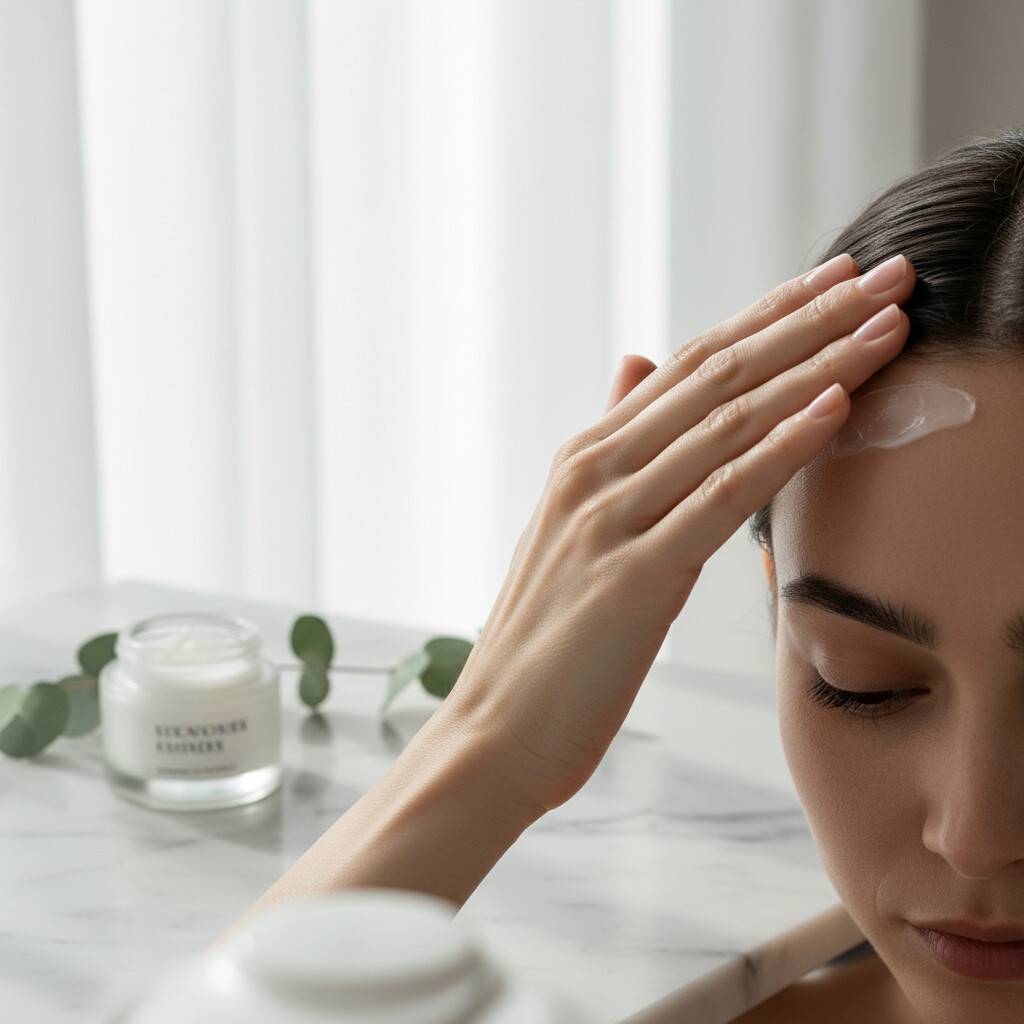
Moisturise gently
Many clinics supply a moisturising lotion for the first weeks. If you want to use something else, check with your surgeon first. Once the scalp has healed, simple, fragrance-free moisturising products are usually well tolerated. Heavy oils, such as coconut oil, are best avoided in the early phase unless your surgeon says otherwise, because they can trap debris and irritate healing skin.
Don’t scratch or pick
Scratching damages healing skin. In the first days it can also dislodge grafts; see what happens if you touch your grafts. If itching is bothersome, try a cool, clean damp cloth held gently against the area, or ask your surgeon about a soothing spray or an antihistamine.
Adjust your environment
- Use a humidifier or keep rooms from getting too dry in winter.
- Protect your scalp from strong sun in the first months. A loose hat can be worn once your surgeon allows it. See sun exposure after a hair transplant.
- Drink enough fluids. This supports general health but will not fix a dry scalp on its own.

Be careful with other products
- Minoxidil: restart only when your surgeon advises. If it dries your scalp, ask about a different formulation.
- Anti-dandruff shampoos: medicated shampoos can help if you have seborrhoeic dermatitis, but some are strong. Use them only after the early healing phase and with your surgeon’s or doctor’s agreement.
- Styling products, hair dye and fragrances: wait until your surgeon says the scalp has healed.
How long it lasts
For most people, dryness and flaking are most noticeable in the first two to four weeks and fade as the skin settles. Some people have mild dryness for a couple of months, especially in winter or while using minoxidil. It usually overlaps with the normal shedding of transplanted hairs between about weeks 2 and 8. That shedding is expected and is not caused by a dry scalp.
When to contact your surgeon
Get in touch with your clinic or a doctor if you notice:
- redness that spreads, gets darker or feels hot, especially after the first week,
- increasing pain, swelling, pus or a bad smell,
- fever or feeling unwell,
- thick, greasy yellow scales, or a rash that keeps spreading,
- itching so severe that it stops you sleeping, or that lasts beyond the first few weeks without improving,
- many painful pimples or bumps.
These can be signs of infection, dermatitis or a reaction to a product, and they are usually easy to treat when caught early.

Common questions
Will a dry scalp affect my grafts?
Mild dryness does not usually affect the result. The main risk comes from scratching or picking in the first days, when the grafts are still settling.
Can I use coconut oil or other natural oils?
Not in the early healing phase unless your surgeon agrees. After the scalp has fully healed, gentle products are usually fine, but “natural” does not always mean non-irritating.
Is it dandruff or just dryness?
Dry scalp gives small, white, powdery flakes. Dandruff tends to give larger, greasy or yellowish scales, often with redness. If you are unsure, ask your surgeon or a dermatologist before using medicated shampoo.
Discussion
Did your scalp feel dry or flaky after your transplant? How long did it last, and what helped? If minoxidil or a particular product made it worse, share what you switched to.
Sources
- Hair transplant, NHS
- Hair Transplant: How Does It Work, Success Rates, Cleveland Clinic
- Recovery (Hair Transplantation and Restoration), American Society of Plastic Surgeons
- Complications in Hair Transplantation (Kerure and Patwardhan), Journal of Cutaneous and Aesthetic Surgery
These sources cover the general topic. They do not answer every detail in this guide, so follow your surgeon’s written instructions.
Related guides
- Hair Transplant Aftercare: What to Do From Day 1 to Month 12
- Hair Washing Protocol: Mastering the First Wash After Your Hair Transplant
- Scabs After Hair Transplant: When Do They Fall Off?
- Redness and Itching After a Hair Transplant: What’s Normal?
- What Happens If You Accidentally Touch Your Hair Grafts?
- Itching After Hair Transplantation (Causes and Solutions)
- Pimples After a Hair Transplant: Why They Appear and What to Do
About this guide: ForumHairTransplant.com is an independent patient community. We are not affiliated with any clinic or surgeon, and we don’t accept payment for rankings, reviews or recommendations. This article is general information, not medical advice. Talk to a qualified doctor about your own situation.