
Most surgeons ask you to wait at least 4-6 weeks after a hair transplant before using hair dye, and only once the scalp has fully healed: no crusts, open spots or strong redness. Many prefer a longer wait, often around 2-3 months or more, for permanent dye, bleach, perms and relaxers. Dye works on the hair shaft and is unlikely to harm healthy, anchored follicles. The risk is irritating or inflaming a scalp that is still healing.
Key takeaways
- Avoid all hair dye and chemical treatments for at least the first 4 weeks. The scalp is still healing and the grafts are settling.
- From about 4-6 weeks, many surgeons allow gentle colouring if the scalp has fully healed. Bleach, perms and relaxers usually need a longer wait.
- Most transplanted hairs shed between roughly weeks 2 and 8, and new growth starts around months 3-4. Dyeing early mostly colours hair that will fall out anyway.
- Always do a patch test first. A healing scalp can react more strongly than usual.
- Timings vary between surgeons. Ask yours before you book a colour appointment.
Why you need to wait
In the first days after surgery, the scalp has thousands of tiny wounds in the recipient and donor areas. Over the next one to two weeks these close and the crusts come off. The skin underneath can stay pink and sensitive for several weeks or longer. Our aftercare guide covers this healing period.
Permanent hair dyes contain chemicals such as ammonia, peroxide and PPD (para-phenylenediamine) that can irritate or sensitise skin. On a healing scalp this can cause:
- stinging, burning or itching,
- contact dermatitis (a red, itchy, sometimes blistering rash),
- prolonged redness and inflammation,
- a higher chance of infection if there are still open areas.
Strong inflammation around the grafts is not good for them, which is why surgeons play it safe. Once the skin has fully healed and the grafts are firmly anchored, colouring is generally considered safe.
A realistic timeline
Each surgeon has their own advice, but a common pattern looks like this:
- Weeks 0-4: no chemical treatments at all. This includes dye, bleach, perms, relaxers and keratin treatments. Focus on your washing routine and let the scalp heal.

- Weeks 4-8: the earliest point many surgeons allow gentle colouring, but only if the scalp has fully healed with no crusts, sores or strong redness. A semi-permanent or demi-permanent colour is usually a gentler first choice than permanent dye. Keep in mind that most transplanted hairs shed during this period, so there may be little new hair to colour.
- Months 2-3 and later: a more comfortable time for permanent dye. Many surgeons prefer this window, especially for permanent colour on the recipient area. Bleach, highlights, perms and chemical straightening are often postponed longer, until the scalp has settled completely.
- From months 3-4 onwards: new transplanted hairs start to grow. Many patients find it makes more sense to wait until there is enough new hair to colour evenly.
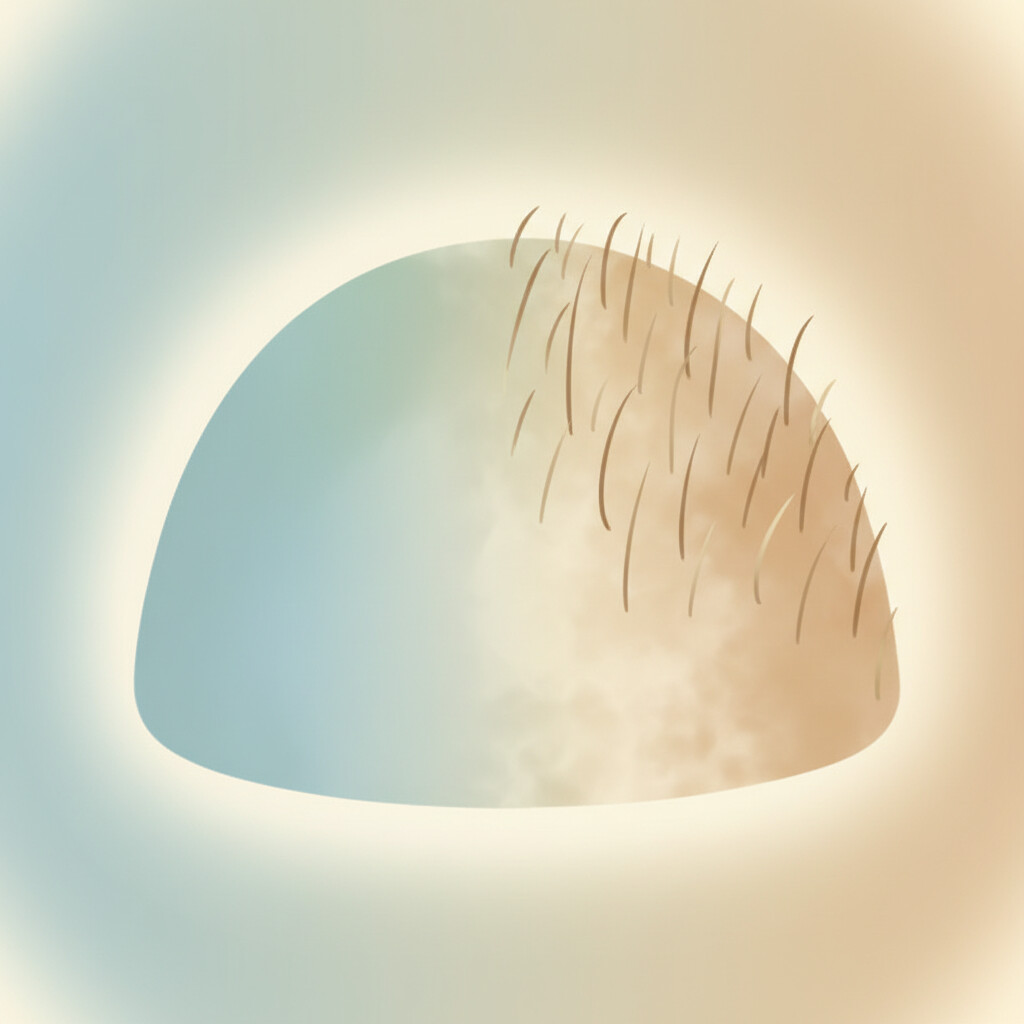
If your scalp is still red, itchy or flaky at the point you had planned to dye, wait longer. Our guide to redness and itching after a transplant explains how long these usually last.
What affects your personal timeline
- How your scalp heals. Fair or sensitive skin often stays red for longer.
- The size of the procedure. Larger sessions over a wider area can take longer to settle, including in the donor area.
- The type of product. Semi-permanent colour and non-bleaching products are gentler than permanent dye. Bleach and lighteners are the harshest.
- Your history. If you have reacted to hair dye before or have a condition such as psoriasis or eczema, talk to your surgeon or a dermatologist before using dye.
- Your surgeon’s advice. This is the most important factor. They know what was done and can judge your healing, including from photos.
How to dye your hair safely after a transplant
When your surgeon has given you the go-ahead:
- Do a patch test. Apply a little dye behind your ear or on your inner arm 48 hours beforehand and check for any reaction. Do this even if you have used the same product before.
- Start gentle. Choose a semi-permanent or demi-permanent colour, or a product without ammonia, for the first time. “PPD-free” products can still contain related chemicals, so the patch test still matters.
- Be careful with “natural” products. Plant-based henna is usually mild, but “black henna” often contains PPD, which can cause severe reactions.
- Protect the graft and donor sites. Apply the dye gently, without scrubbing or pressing into the scalp. Where you can, apply it to the hair rather than working it into the skin, and follow the product’s timing. The donor area heals too, and needs the same care, especially if it was shaved and the hair is short.
- Rinse thoroughly with lukewarm water and use a mild shampoo. Avoid hot water and rough towelling.
- Consider a professional colourist. Tell them you had a transplant and when. They can choose a suitable product and apply it with more control.
- Expect uneven results at first. New transplanted hairs can be finer and sometimes a slightly different texture, so they may take colour differently for a while. This usually evens out as the hair matures.
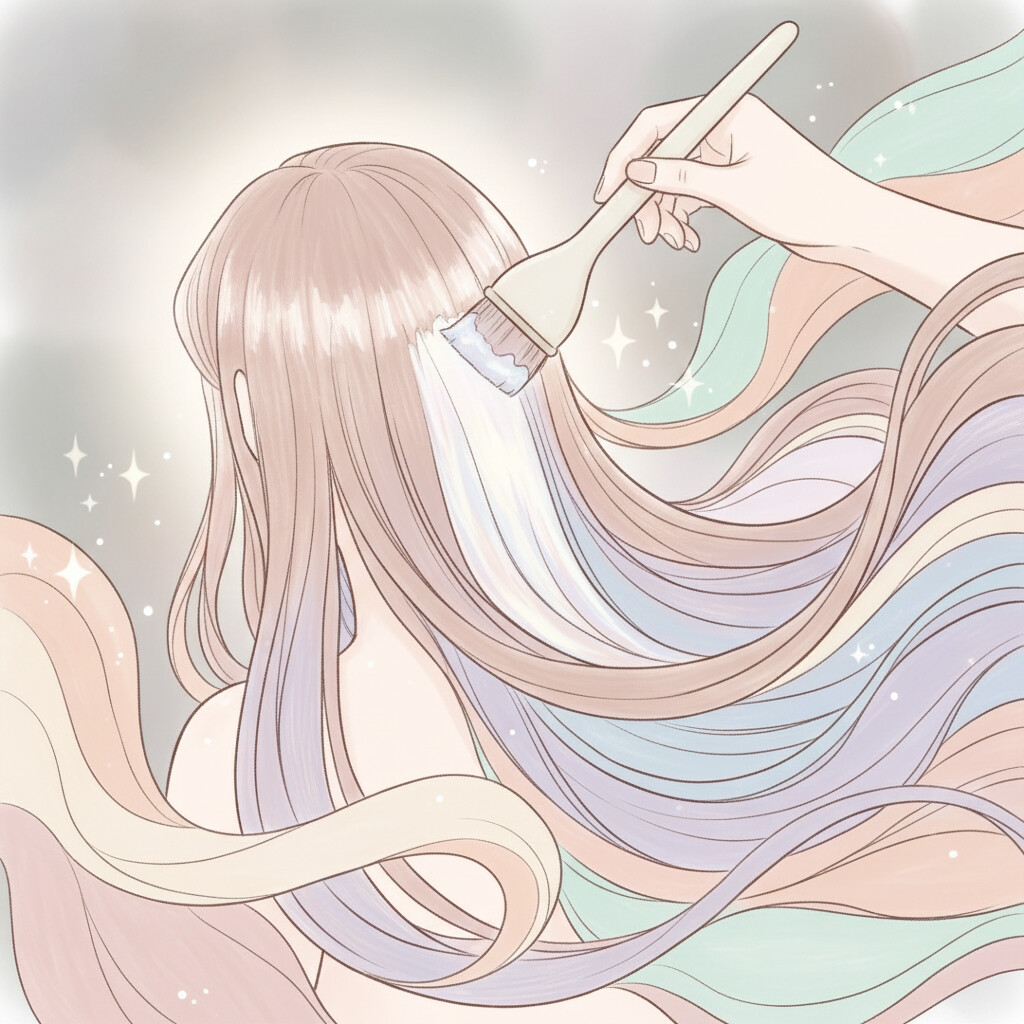
Other chemical and styling treatments
- Bleach and highlights: usually postponed longer than normal dye, because bleach is more irritating to the skin.
- Perms, relaxers and chemical straightening: these are harsh on the scalp and are generally avoided until the scalp has fully settled. Many surgeons suggest waiting several months.
- Heat styling: a hairdryer on a cool or low setting is usually fine once the scalp has healed. Hot tools such as straighteners are best avoided on new, fine hairs for the first months.
- Hair fibres and concealers: some patients use these to cover the “ugly duckling” phase. Ask your surgeon when they are allowed, usually not before the scalp has fully healed.
When to contact your surgeon
Stop using the product, rinse with lukewarm water, and contact your surgeon or a doctor if after dyeing you notice:
- burning, blistering, oozing or a rash on the scalp, face or neck,
- swelling of the scalp, face or eyelids,
- redness, pain or pus that increases over the following days,
- fever or feeling generally unwell.
Severe swelling of the face or any difficulty breathing needs emergency care.
Common questions
Can hair dye kill the transplanted follicles?
Once the scalp has healed and the grafts are anchored, normal hair dye is not known to damage follicles. The main risk is irritation or an allergic reaction on a scalp that is still sensitive.
Can I dye my hair before the transplant instead?
Some patients colour their hair a week or two before surgery so they don’t need to dye it for a while afterwards. Ask your clinic first, because some prefer untreated hair and scalp on surgery day.
What if transplanted hair grows in grey or a different shade?
Transplanted hair usually keeps the characteristics of the donor area, including how it greys over time. Our article on whether transplanted hair can turn grey explains this.
Discussion
How long did you wait before colouring your hair after your transplant, and what did your surgeon advise? Did the new hairs take the colour differently at first? Share your experience below to help others planning their first colour.
Related guides
- When Can I Cut or Shave My Transplanted Hair?
- Can I Wear a Hat After a Hair Transplant? When and Which Type
- Hair Texture Changes After a Hair Transplant: Is It Normal?
- The Best Shampoo to Use After Hair Transplant Surgery
- Can You Fly After a Hair Transplant? Timing and Travel Tips
About this guide: ForumHairTransplant.com is an independent patient community. We are not affiliated with any clinic or surgeon, and we don’t accept payment for rankings, reviews or recommendations. This article is general information, not medical advice. Talk to a qualified doctor about your own situation.