
Most people describe the pain after a hair transplant as mild to moderate: soreness, tightness and tenderness rather than sharp pain. It is usually worst on the first night, when the local anaesthetic wears off, and eases noticeably over the next two to three days. Simple painkillers taken as your surgeon directs are enough for most patients. Pain that gets worse instead of better after the first few days is not typical and should be checked.
Key takeaways
- Discomfort usually peaks in the first 24-48 hours and settles within a few days. The donor area often feels more sore than the recipient area.
- Take only the painkillers your surgeon recommends. Practice on anti-inflammatory drugs such as ibuprofen varies, so do not add medicines on your own.
- Swelling, tightness, itching and numbness are common and usually temporary. Each has its own timeline.
- Sleeping with your head raised, avoiding pressure on the grafts and following the washing routine reduce discomfort.
- Contact your surgeon for increasing pain, spreading redness, pus, fever or bleeding that does not stop with gentle pressure.
During surgery vs after surgery
During the procedure, the scalp is numbed with local anaesthetic. For most people, the injections at the start are the most uncomfortable part. Once the scalp is numb, extraction and implantation should not be painful, though you may feel pressure and some patients get tired or stiff from lying still for many hours. Some clinics use sedation or needle-free devices to make the injections easier. See Can a Hair Transplant Be Done Without Causing Pain? for how anaesthesia and sedation work.
After surgery, the anaesthetic wears off over several hours. This is when most people first notice soreness.
What pain and discomfort feel like, day by day
Everyone heals differently, and the size of the procedure matters. A typical pattern looks like this:
| Time | What is common |
|---|---|
| First night | Soreness and throbbing as the anaesthetic wears off, especially in the donor area. Oozing from the donor area is common. |
| Days 1-3 | Tenderness and tightness. Swelling often starts on the forehead and may spread towards the eyes. Most people manage with simple painkillers. |
| Days 4-7 | Pain usually much less. Swelling settles. Itching often begins as scabs form. |
| Weeks 2-4 | Little or no pain. Occasional tingling, “zaps” or shooting sensations as nerves recover. Numbness may persist. |
| Months 1-3 | Some people get small, tender spots as new hairs push through the skin. These usually settle on their own. |
Donor area vs recipient area
In FUE, the donor area has hundreds or thousands of small wounds. It often feels like sunburn or a graze and is usually the most tender part. In FUT (strip surgery), the stitched donor wound can feel tight and sore for longer, and may pull when you bend your neck.
The recipient area on top usually hurts less. It is often partly numb for a while, and it tends to itch more than it hurts.
Painkillers: what to take and what to avoid
Your clinic will usually give you painkillers to take home. Follow those instructions rather than general advice online.
- Paracetamol (acetaminophen) is the most commonly recommended first option. Do not take more than the stated dose, and remember that some cold and flu products also contain it.
- Anti-inflammatories (ibuprofen, naproxen and similar): some surgeons prescribe them, others ask patients to avoid them in the first days because they can increase bleeding. Ask your own surgeon.
- Aspirin: usually avoided around surgery unless prescribed. If you take aspirin or another blood thinner for a heart or medical condition, never stop it without advice from the doctor who prescribed it.
- Stronger painkillers: occasionally prescribed for the first night or two. They can cause drowsiness, nausea and constipation, and you should not drive while taking them.
- Alcohol: avoid it while taking painkillers and in the first days after surgery, as it can increase swelling and bleeding.
If you had sedation, do not drive or make important decisions for at least 24 hours.
Managing swelling
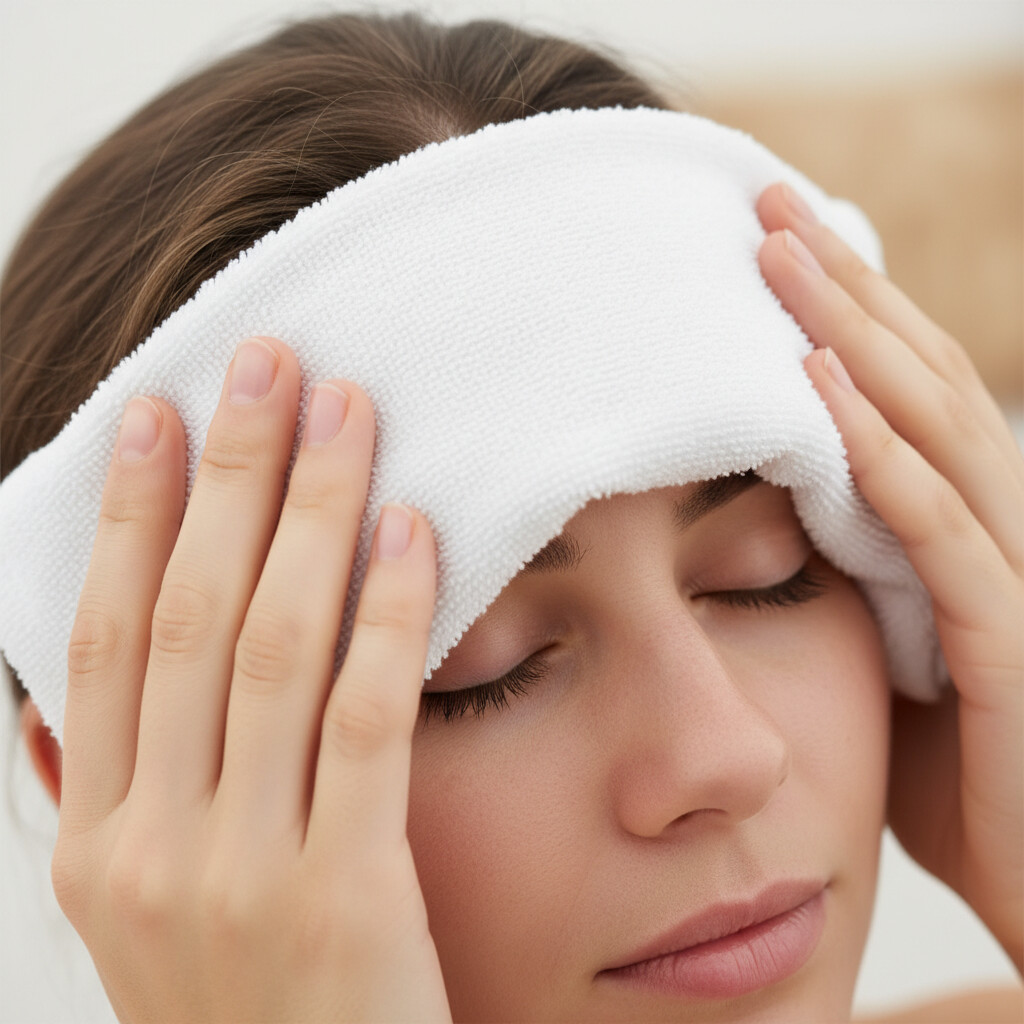
Swelling is caused by the fluid used during the procedure and the body’s normal response to surgery. It usually shows up on the forehead around days 2-4, can drift down around the eyes, and settles within about a week.
- Sleep with your head raised, at about 45 degrees for the first few nights, using pillows or a recliner. See our guide on sleeping after a hair transplant.
- Cold compresses on the forehead only if your clinic allows it. Wrap them in a cloth and never put ice or cold packs on the grafts.
- Avoid bending over and heavy lifting in the first days.
- Some clinics prescribe medication to reduce swelling. Take it only as directed.
More detail in Swelling (Edema) After Hair Transplant.
Managing itching
Itching is a sign of normal healing, usually starting around the end of the first week as scabs form and continuing for a week or two. Scratching can dislodge grafts in the first days and irritate the skin later.
- Use the saline or spray your clinic provides, if any, to keep the area moist.
- Follow the washing routine; gentle, regular washing softens the scabs and often reduces itching. See the first wash after a hair transplant.
- Gently pat the area with a clean hand rather than scratching, once your surgeon says light contact is fine.
- Ask your clinic before using any creams, lotions or oils.
- If itching is severe, ask a doctor whether an antihistamine is suitable for you.
Numbness, tingling and “zaps”
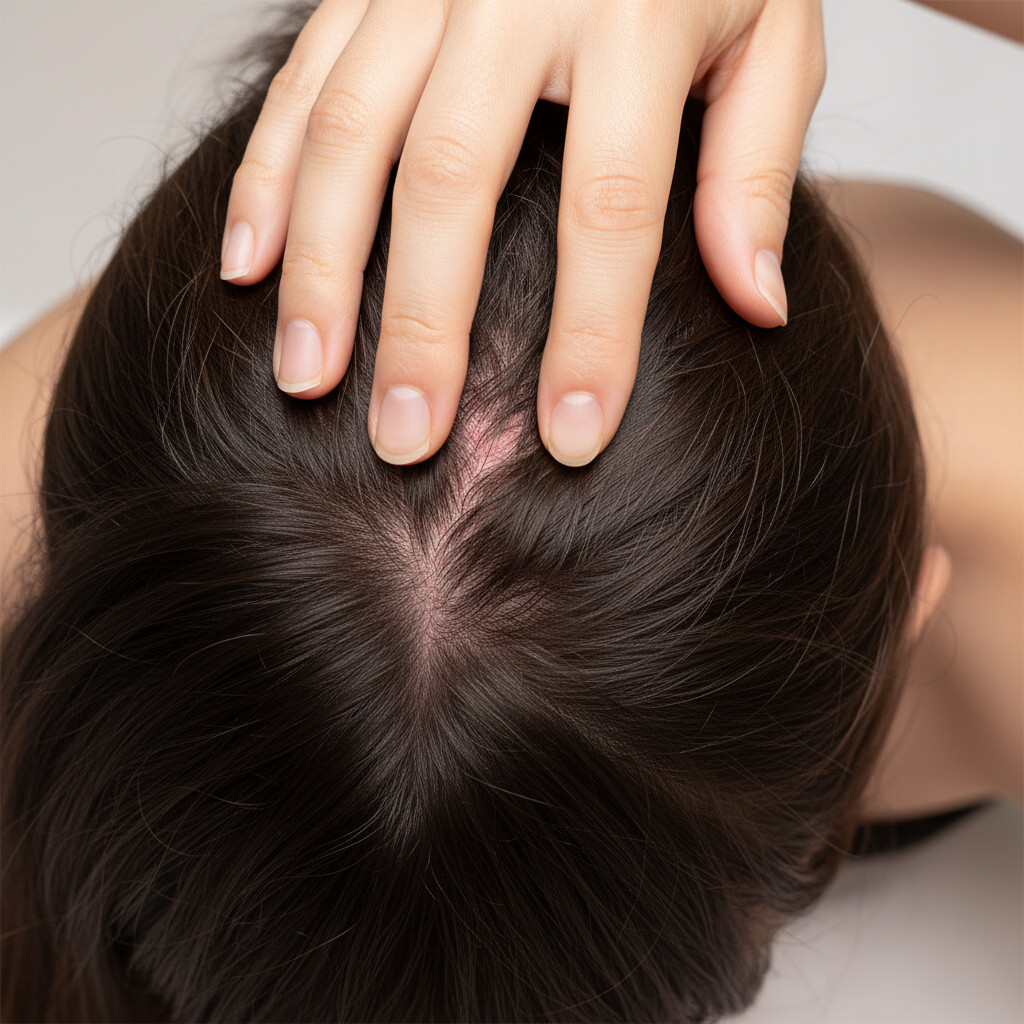
Partial numbness in the donor or recipient area is common. It happens because small nerve branches in the skin are affected during surgery. Sensation usually returns gradually over weeks to a few months, and occasionally longer. As nerves recover, you may notice tingling, crawling sensations or brief shooting pains. These are usually a sign of recovery rather than a problem. Our guide on temporary numbness after a hair transplant covers the timeline in detail.
Persistent burning or shooting pain that does not fade over months is uncommon, but you should raise it with your surgeon or doctor.
Everyday things that reduce discomfort
- Rest for the first few days. Many people feel tired after a long procedure.
- Protect the grafts from pressure. A travel pillow around the neck helps keep the recipient area off the pillow.
- Keep physical activity light. Avoid heavy exercise, lifting and anything that makes you sweat heavily until your surgeon allows it, often about one to two weeks for gentle exercise and longer for contact sports.
- Wear loose tops that button or zip, so you don’t pull clothing over your head.
- Stay out of direct sun. Healing skin burns easily. Wear a loose hat only when your clinic allows it.
- Avoid smoking, which slows healing.
- Eat normally and drink enough fluids. Nothing special is needed, but it helps you feel better and recover.
For the full aftercare routine, see the post-hair transplant care guide.

What makes pain worse or better
Several factors affect how much discomfort you feel:
- Size of the procedure: more grafts mean more wounds and usually more soreness.
- Technique: FUT tends to cause more donor-area tightness than FUE.
- Your pain threshold and anxiety level: being well prepared and rested helps.
- Aftercare: sleeping upright, taking painkillers on time rather than waiting for pain to build, and avoiding pressure all make a difference.
When to contact your surgeon
Some discomfort is expected. Contact your surgeon or clinic, or a local doctor if you are back home, if you notice:
- pain that gets worse after day 3 instead of better, or pain not controlled by the recommended painkillers,
- increasing redness, warmth or swelling that spreads, or pus or a bad smell from the donor or recipient area,
- fever or feeling generally unwell,
- bleeding that does not stop after 10-15 minutes of gentle pressure with clean gauze,
- severe swelling around the eyes that affects vision, or swelling that keeps increasing after a week,
- a severe headache, especially with a stiff neck, vomiting or confusion,
- dark, blistered or very painful areas of skin in the recipient area.
Seek urgent medical care for chest pain, difficulty breathing or signs of a severe allergic reaction, such as swelling of the lips or throat.
Common questions
Does a hair transplant hurt more for large sessions?
Usually a bit more, because there are more wounds. The pattern is the same: worst in the first day or two, then easing.
When will I be able to sleep normally?
Most people sleep semi-upright for the first few nights and return to a normal position once swelling has gone and the grafts are secure, typically after about a week to 10 days. Follow your clinic’s advice.
Is it normal for the donor area to hurt more than the top?
Yes. The donor area has the extraction wounds, while the recipient area is often partly numb.
I still have tender spots a few months later. Is that normal?
Small pimple-like bumps can appear as new hairs grow through, usually around months 1-4. They are often mild. Keep the area clean and tell your surgeon if they become painful, widespread or filled with pus.
Discussion
How painful was your recovery compared with what you expected? Share which day was hardest, what helped most (painkillers, sleeping position, cold compresses on the forehead), and how long the numbness or tingling lasted for you.
Related guides
- Hair Transplant Aftercare: What to Do From Day 1 to Month 12
- Swelling After Hair Transplant: How Long It Lasts and What Helps
- Temporary Numbness After Hair Transplant: When Will it Go Away?
- How to Sleep After a Hair Transplant
- Redness and Itching After a Hair Transplant: What’s Normal?
About this guide: ForumHairTransplant.com is an independent patient community. We are not affiliated with any clinic or surgeon, and we don’t accept payment for rankings, reviews or recommendations. This article is general information, not medical advice. Talk to a qualified doctor about your own situation.