By ForumHairTransplant Editorial Team · Prepared with AI assistance · Sources checked: 19 October 2026
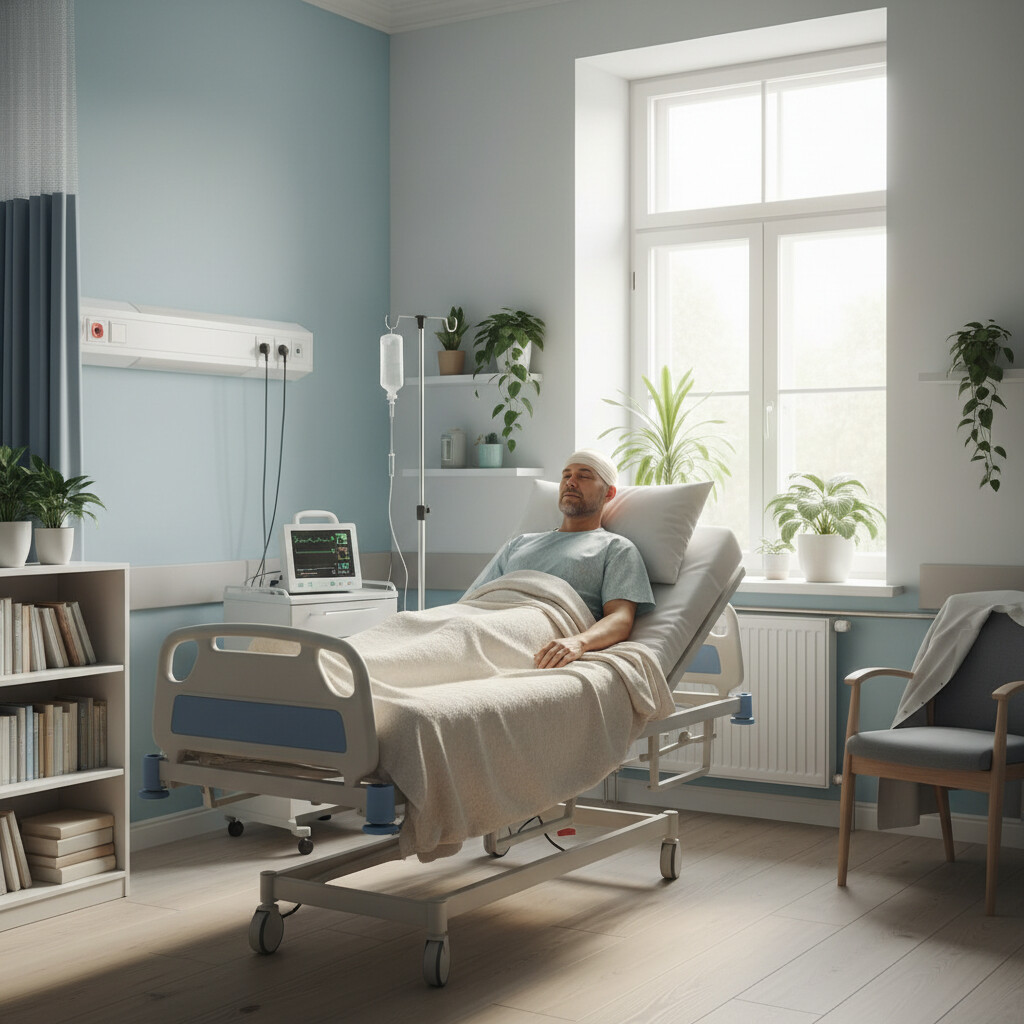
Most hair transplants are outpatient procedures done under local anaesthesia. After a short rest and a check at the clinic, the large majority of patients go back to their hotel or home the same day. An overnight hospital stay is not standard, and “oxygen therapy” is an optional extra some clinics offer, with limited evidence behind it. What matters most in the first 12 hours is simple: protect the grafts, manage swelling and discomfort, and rest.
Key takeaways
- You will usually leave the clinic a few hours after surgery. Overnight stays are unusual and mainly used for specific medical reasons or when heavy sedation was given.
- The grafts are most fragile now. Don’t touch, rub or press the recipient area, and keep your head raised.
- Oxygen sessions offered after surgery are an add-on, not a medical necessity. There is no strong evidence they improve graft survival.
- Take only the pain relief and other medication your clinic prescribes or approves, and avoid alcohol and smoking.
- Heavy bleeding, severe pain, breathing problems or feeling faint are reasons to call the clinic straight away.
Leaving the clinic: what normally happens
Once the last graft is placed, the team usually cleans the scalp, checks for bleeding and dresses the donor area. Some clinics also put a headband across the forehead to limit swelling. The recipient area is usually left uncovered.
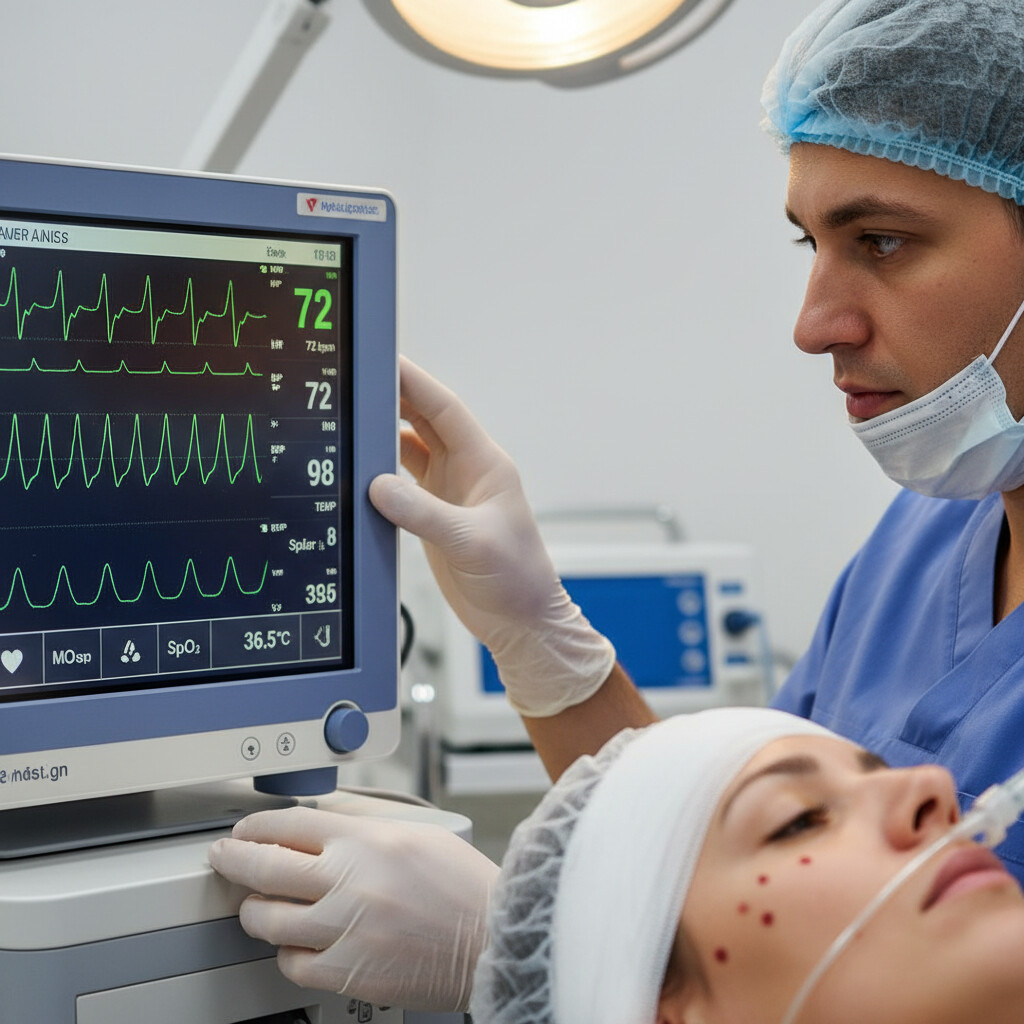
You will normally rest for a short time while staff make sure you feel well and that there is no active bleeding. If you had oral or IV sedation, this check may take longer. You should not drive afterwards and should have someone, or a clinic driver, take you back. Before you leave you should receive:
- written aftercare instructions, including sleeping position and when to do the first wash,
- your medications and clear instructions on when to take them,
- any sprays or solutions the clinic uses in the first days,
- a phone number you can call at night.
If you had surgery abroad, many packages include transfers and a check-up or first wash at the clinic the next day. Our guide to what hair transplant packages include explains what to confirm before you book.
Is an overnight hospital stay needed?
For a routine FUE or FUT procedure under local anaesthesia, usually not. The procedure does not involve a general anaesthetic or major blood loss, so most patients recover at their hotel or home. Our guide to anaesthesia and sedation during a hair transplant covers the options.
An overnight stay or longer observation may make sense if:
- you received deeper sedation or had a reaction to medication,
- you have a medical condition that needs closer monitoring, such as heart disease or poorly controlled diabetes,
- there was unusual bleeding or a drop in blood pressure,
- you are alone and far from the clinic and the team prefers to keep an eye on you.
Some clinics include a hotel night or a room on site as part of the package. That is a service choice, not a sign that the procedure normally needs hospital care.
The first hours at home or in the hotel
Protect the grafts
The grafts sit loosely in their sites for the first few days, and they are most fragile in these early hours. Our guide to what happens if you accidentally touch your grafts explains the real risk, which is lower than many people fear but not zero.
- Don’t touch, scratch or rub the recipient area.
- Avoid bending forward, lifting and anything that could bump your head, such as car door frames and low cupboards.
- Don’t wear a hat or hood over the grafts unless your clinic gives you one and says it is fine.
- Some clinics ask you to spray saline or another solution on the grafts every hour or so for the first day. Others don’t. Follow your own instructions.
Swelling and discomfort
The local anaesthetic wears off a few hours after surgery. The donor area is usually the sorest part. Many clinics suggest taking the first dose of prescribed pain relief before the numbness fades. Don’t take extra painkillers, especially aspirin or anti-inflammatories, without asking first, because some can increase bleeding.
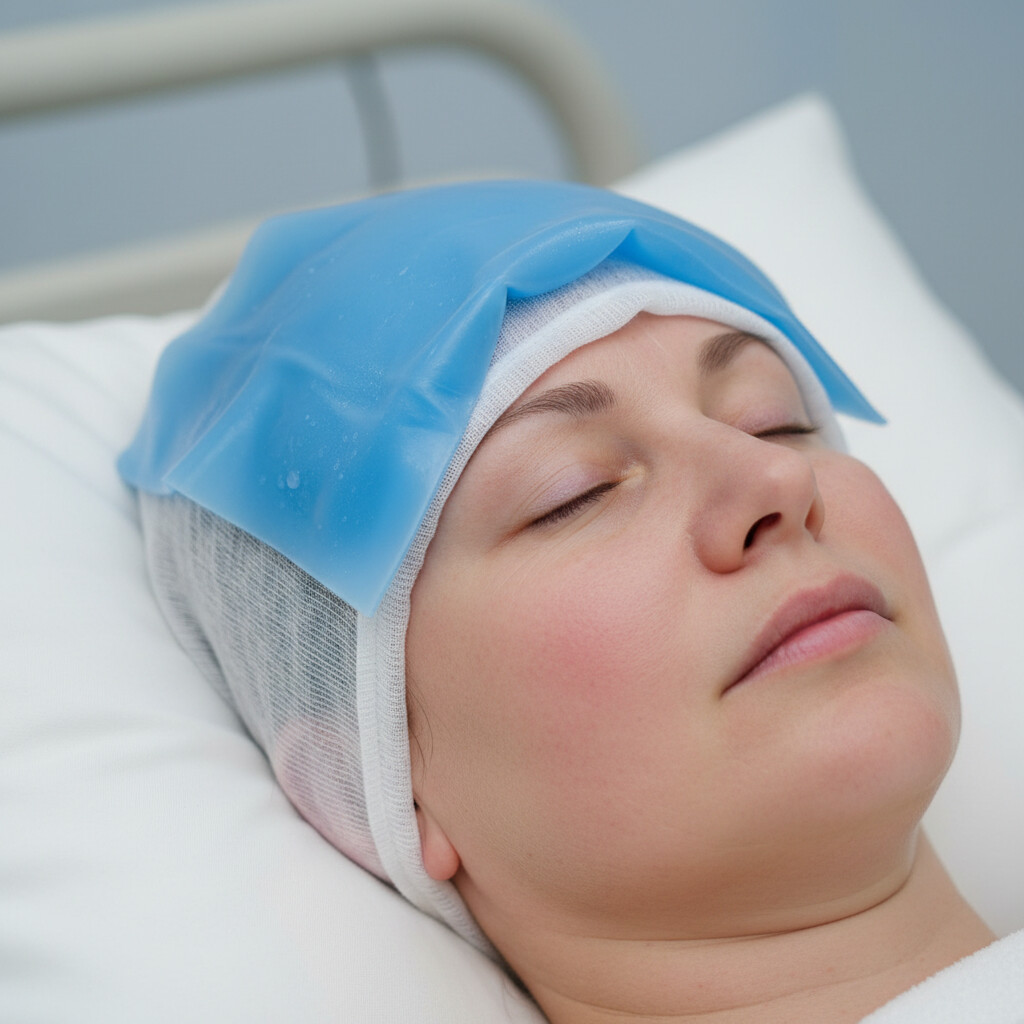
Noticeable swelling usually doesn’t appear in the first 12 hours. It tends to build from day 2-3. A cool compress on the forehead (never on the grafts) and keeping your head raised can help. Some surgeons prescribe a short course of medication to reduce swelling.
Sleeping
Sleep on your back with your head raised at around 30-45 degrees, for example in a recliner or propped up with pillows. A travel neck pillow stops your head from turning onto the grafts. Put an old towel over the pillow, because the donor area often oozes a little blood-tinged fluid on the first night.
Oxygen therapy: what it is and what it isn’t
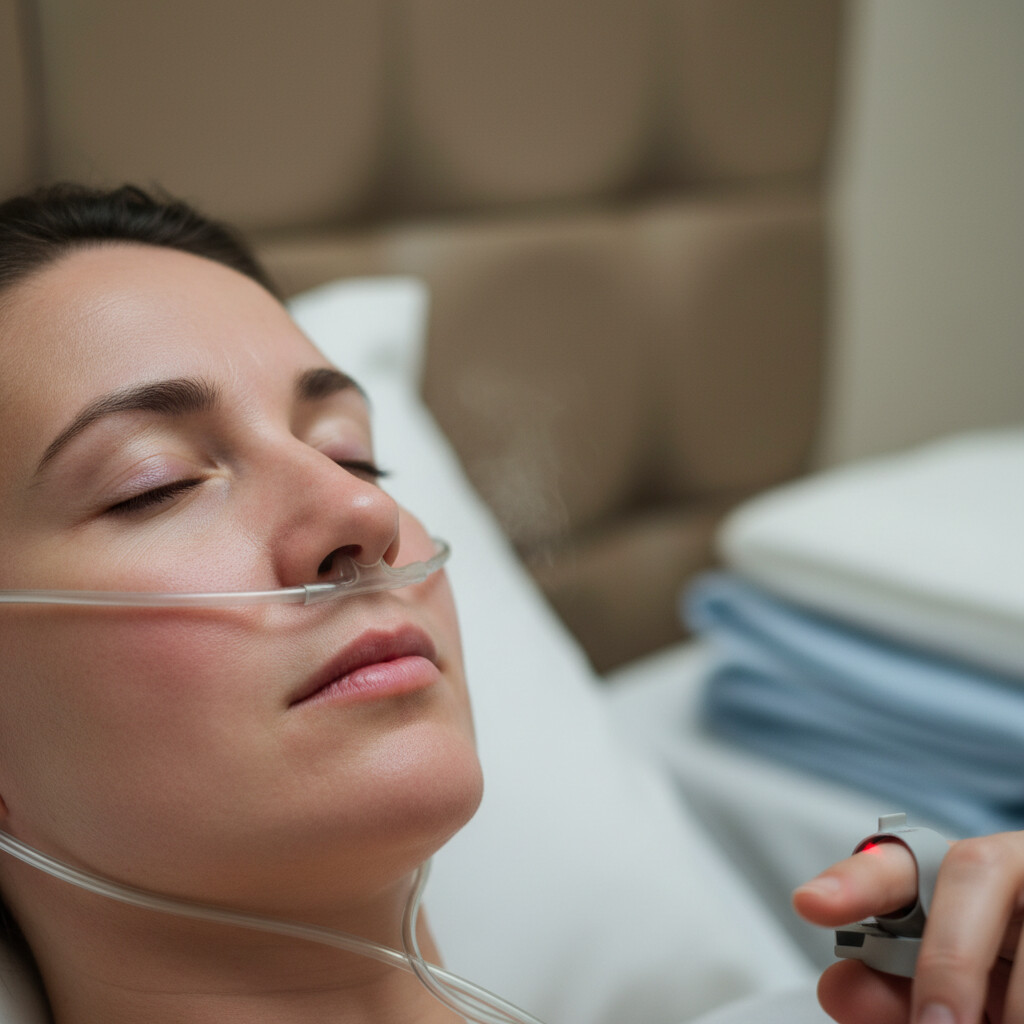
The term is used for two quite different things:
- Medical oxygen during or after sedation. If your oxygen levels drop while you are sedated, staff may give oxygen through a nasal tube or mask. This is ordinary monitoring care and usually brief.
- Oxygen sessions as an extra. Some clinics offer oxygen treatments, often the day after surgery, and market them as boosting healing or graft survival. These sessions are generally considered safe, but there is limited good-quality evidence that they improve the final result.
If oxygen therapy is included in your package, there is usually no harm in accepting it. It is not a reason to choose one clinic over another, and not having it does not put your result at risk.
Food, fluids and what to avoid

- Eat a light meal and drink water. A long procedure and the medication can leave you tired and slightly dehydrated.
- No alcohol, usually for at least the first few days. It can increase bleeding and swelling and doesn’t mix well with some medications.
- Don’t smoke. Smoking reduces blood flow to the healing skin.
- Keep caffeine moderate if it makes you restless or raises your blood pressure.
When to contact your clinic
Minor oozing, tightness, soreness and tiredness are normal on the first evening. Contact your clinic, or get emergency help if you can’t reach them, if you have:
- bleeding that soaks through the dressing or does not stop after 10-15 minutes of firm, gentle pressure with clean gauze,
- severe pain that your prescribed medication doesn’t control,
- shortness of breath, chest pain, fainting or a racing heartbeat,
- signs of an allergic reaction, such as a rash, swelling of the lips or face, or difficulty breathing,
- severe nausea or vomiting that stops you keeping fluids or medication down.
Preparing before surgery day

A little preparation makes the first night much easier:
- Arrange transport back from the clinic and, ideally, someone to stay with you.
- Set up a place to sleep propped up, with a neck pillow and old pillowcases or towels.
- Wear a shirt that buttons at the front so nothing has to go over your head.
- Have water, easy meals and your medication within reach.
After the first night, the focus shifts to the next few days. Our guide to the first 48 hours after a hair transplant picks up from there.
Common questions
Do I have to stay in hospital after a hair transplant?
Usually not. Most patients go back to their hotel or home the same day. An overnight stay is mainly used when there is a specific medical reason.
Is oxygen therapy necessary after a hair transplant?
No. Clinics that offer it present it as an optional extra. It is generally safe, but there is limited evidence that it changes the final result.
Can the grafts fall out on the first night?
A graft can occasionally be dislodged by a direct knock or by rubbing. Gentle, careful behaviour and sleeping with your head raised make this unlikely. If you notice a spot that bleeds after being bumped, tell your clinic.
Discussion
How did your first night after surgery go? Did you stay at the clinic, a hotel or at home, and was oxygen therapy part of your package? Share what helped you most so others know what to expect.
Sources
- Hair transplant, NHS
- Hair Transplant: How Does It Work, Success Rates, Cleveland Clinic
- Recovery (Hair Transplantation and Restoration), American Society of Plastic Surgeons
- Complications in Hair Transplantation (Kerure and Patwardhan), Journal of Cutaneous and Aesthetic Surgery
These sources cover the general topic. They do not answer every detail in this guide, so follow your surgeon’s written instructions.
Related guides
- How Long Until Hair Grafts Are Secure After a Transplant?
- How to Sleep After a Hair Transplant
- Pain After a Hair Transplant: What to Expect and How to Manage It
- Swelling After Hair Transplant: How Long It Lasts and What Helps
- Hair Transplant Aftercare: What to Do From Day 1 to Month 12
About this guide: ForumHairTransplant.com is an independent patient community. We are not affiliated with any clinic or surgeon, and we don’t accept payment for rankings, reviews or recommendations. This article is general information, not medical advice. Talk to a qualified doctor about your own situation.