
By ForumHairTransplant Editorial Team · Prepared with AI assistance · Sources checked: 19 October 2026
A typical hair transplant package, especially one aimed at international patients, includes the procedure itself, pre-operative blood tests, local anaesthetic, medication and a basic aftercare kit, the first wash, a few nights in a hotel, and transfers between the airport, hotel and clinic. Flights, meals, extra nights and long-term follow-up are often not included. Packages vary a lot between clinics, so the only package that counts is the one written down for you, with the doctor’s name, the graft plan and every inclusion and exclusion spelled out.
Key takeaways
- Most packages bundle the operation with travel logistics. The medical part should matter far more to you than the hotel.
- “All-inclusive” has no fixed meaning. Ask for a written list of what is and is not included.
- The most important items to get in writing are the name of the responsible doctor, who performs each step, the planned graft range and the technique.
- Extras such as PRP are often presented as essential. They are optional, and their benefit after a transplant is still debated.
- A package that seems unusually cheap or complete usually saves money somewhere. Find out where.
What a package typically includes
Consultation and assessment
Most clinics start with an online assessment based on photos, followed by an in-person consultation on the day of surgery or the day before. A proper assessment covers your hair loss pattern, donor density, medical history and your expectations. The final hairline and graft plan should be agreed with a doctor before anything starts.
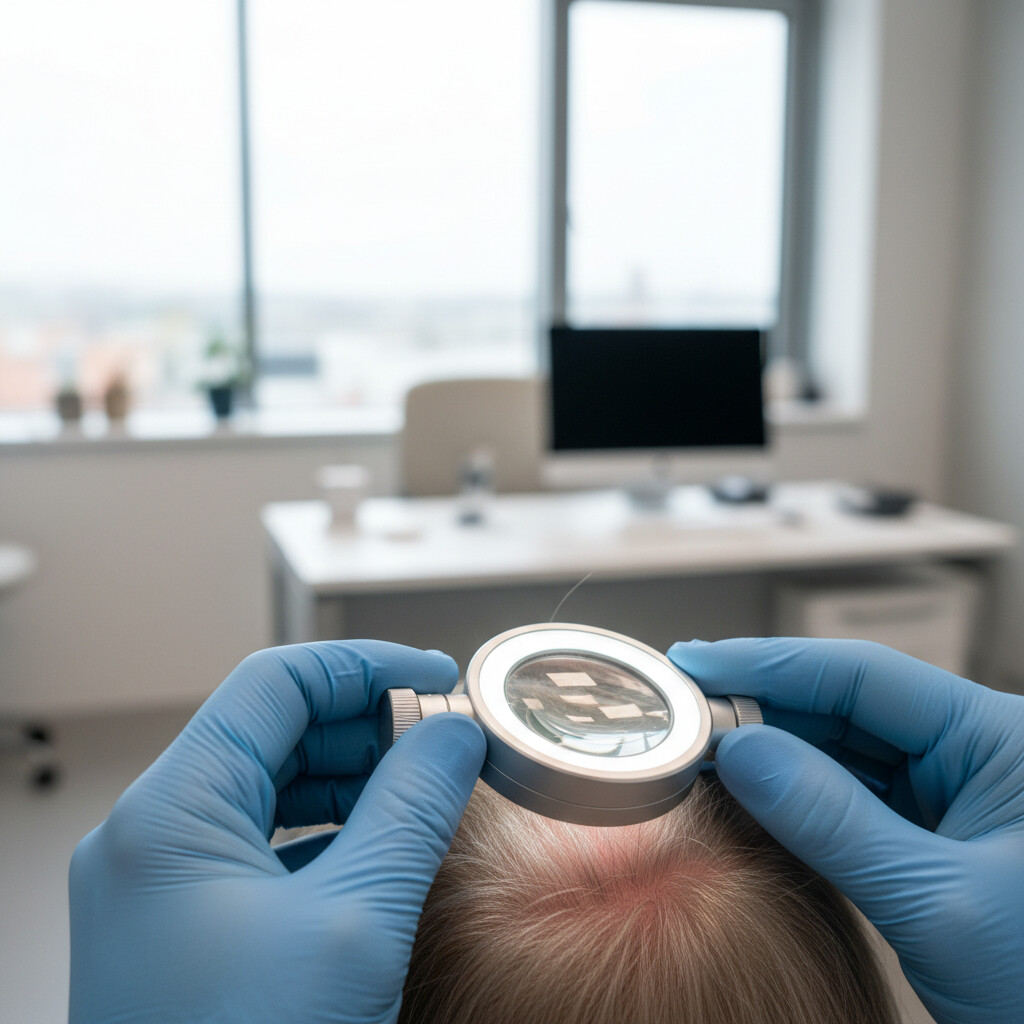
Ask whether the online assessment is done by a doctor or by a sales coordinator, and whether you will meet the doctor in person before surgery.
Pre-operative blood tests
Blood tests before surgery are standard. They usually include a blood count, clotting tests and screening for infections such as hepatitis B and C and HIV. Some clinics also check blood sugar or other values depending on your health. These are normally included in the price.
The procedure
This is the core of the package. It covers the surgical team, local anaesthetic, the operating room and consumables. The package should state:
- The technique (for example FUE, DHI or FUT).
- The planned number of grafts, or a realistic range based on your donor area.
- The areas to be treated (hairline, mid-scalp, crown).
- Whether shaving is required.
Be careful with packages that advertise “unlimited” or “maximum” grafts. Your donor area sets the limit, not the price.
Medication and aftercare kit
Most packages include painkillers, sometimes antibiotics or anti-swelling medication, a gentle shampoo and lotion for the first weeks, and sometimes a neck pillow and headband. The clinic should explain clearly how and when to use each item.

First wash and check-up
Many clinics ask you to return the day after surgery, or one to two days later, for a check of the grafts and the first wash. This is usually included and is worth attending even if it means staying an extra night.
Accommodation
Packages for travelling patients often include two or three nights in a hotel near the clinic. Check the hotel’s name, how many nights are covered, whether a companion can stay in the same room, and what an extra night costs.

Transfers
Airport pick-up and drop-off and transfers between hotel and clinic are usually included. This is useful on surgery day, when you may feel tired and your scalp will be sensitive.
Interpreter and patient coordinator
Many clinics provide a coordinator or interpreter who speaks your language. This helps with logistics, but make sure you can also reach someone medically qualified with your questions. Our guide on language barriers in hair transplant centres covers what to ask.
Remote follow-up
Some clinics offer follow-up by photo or video at set points over the first year. Ask how often, with whom, and what happens if growth is poor.
What is often not included
- Flights. Almost always your responsibility. Build them into your comparison, as our guide to UK vs. Turkey hair transplant costs explains.
- Meals outside the hotel breakfast.
- Extra nights, and a companion’s costs.
- Sedation or other extras beyond local anaesthetic, in some clinics.
- Long-term medication such as finasteride or minoxidil, which you may need to arrange with your own doctor at home.
- Travel insurance and cover for complications.
- Treatment for complications at home, or a free or reduced-price repair session if the result is poor. Some clinics offer this on conditions; many do not.
- Additional sessions, if you need more work later.
Add-ons: PRP, mesotherapy and “growth boosters”
Many packages include or promote PRP (platelet-rich plasma), where your blood is drawn, spun to concentrate the platelets and injected into the scalp. Some clinics also offer mesotherapy, laser sessions or supplements.
- PRP is optional. Some surgeons use it and believe it may support healing and growth. The evidence for a meaningful effect on transplant results is mixed and still being studied, and it is not needed for a successful transplant.
- Do not choose a clinic because of free extras. A good surgical plan and careful graft handling matter far more.
- Ask what exactly is included. One session or several? Given on the day of surgery or later? At what price if you want more?
Our guide to PRP after a hair transplant goes into the pros and cons.
Why packages are popular, and their limits
Packages have real advantages for travelling patients. You get a clear upfront price, one contact person, and you do not have to arrange hotels and transport in an unfamiliar city on your own. That can make the trip much less stressful.
The limits are just as real:
- The price of the package is not the price of the surgery. A cheaper package with a nicer hotel may mean a larger share of the work is done by technicians, more patients per day, or less time for your case.
- Packages make clinics look alike. Two offers with the same hotel, transfers and graft number may involve very different levels of doctor involvement.
- Pressure to book is common. Limited-time discounts and deposits taken before a doctor has seen proper photos are warning signs.
Our guide on prioritizing price over quality looks at these trade-offs, and How Much Does a Hair Transplant Cost in 2026? explains what drives prices.
What to get in writing
Before you pay a deposit or book flights, ask for a written offer that includes:
- The name of the doctor responsible for your procedure, and who performs extraction, incisions and implantation.
- The technique and the planned graft range, with a short explanation of why.
- The areas to be treated.
- Every inclusion: tests, medication, aftercare kit, washes, hotel nights, transfers, interpreter, follow-up.
- Exclusions and prices for common extras (extra night, companion, sedation).
- The total price, currency, deposit amount, and what is refundable if you cancel or the clinic changes the date.
- What happens if something goes wrong: who you contact after you return home, and the clinic’s policy on complications or poor growth.
Red flags in package offers
- The clinic will not tell you which doctor will be responsible for your procedure.
- A fixed graft number is promised before anyone has seen clear photos of your donor area.
- Very high graft numbers for a low flat price.
- “Guaranteed” density or growth.
- Pressure to pay a deposit quickly to keep a discount.
- Vague wording such as “full medical team” or “all included” with no details.
- The hotel, transfers and extras are described in far more detail than the surgery.
For a wider checklist, see red flags of a low-quality clinic.
Common questions
Is an all-inclusive package better value?
It can be, if the medical side is sound and everything you need is actually included. Compare offers on the doctor, the plan and the written inclusions, not on the hotel.
Is PRP worth paying extra for?
It is optional. Some people choose it, but it is not required for a good result and its added benefit is still debated. Ask your surgeon why they recommend it for you.
Can I book the hotel and transfers myself?
Usually yes, and some clinics lower the price if you do. Stay close to the clinic and make sure you can get there early on surgery day and back for the first wash.
Discussion
What did your package include, and was anything missing that you wish you had known about before you travelled? If you paid for extras such as PRP, share whether you felt they were worth it.
Sources
- Ask Your Hair Restoration Surgeon: Questions to Have Confidence Before Surgery, ISHRS
- Finding a Hair Restoration Doctor That’s Right for You, ISHRS
- Choosing who will do your cosmetic procedure, NHS
Related guides
- How Much Does a Hair Transplant Cost in 2026?
- Hair Transplant Cost in Turkey: What Affects the Price?
- UK vs. Turkey Hair Transplant Cost: Are the Savings Worth the Travel?
- Does Insurance Cover Hair Transplants? Financing and Payment Options
- Prioritizing Price Over Quality in Hair Restoration: A Risky Approach
About this guide: ForumHairTransplant.com is an independent patient community. We are not affiliated with any clinic or surgeon, and we don’t accept payment for rankings, reviews or recommendations. This article is general information, not medical advice. Talk to a qualified doctor about your own situation.