By ForumHairTransplant Editorial Team · Prepared with AI assistance · Sources checked: 19 October 2026
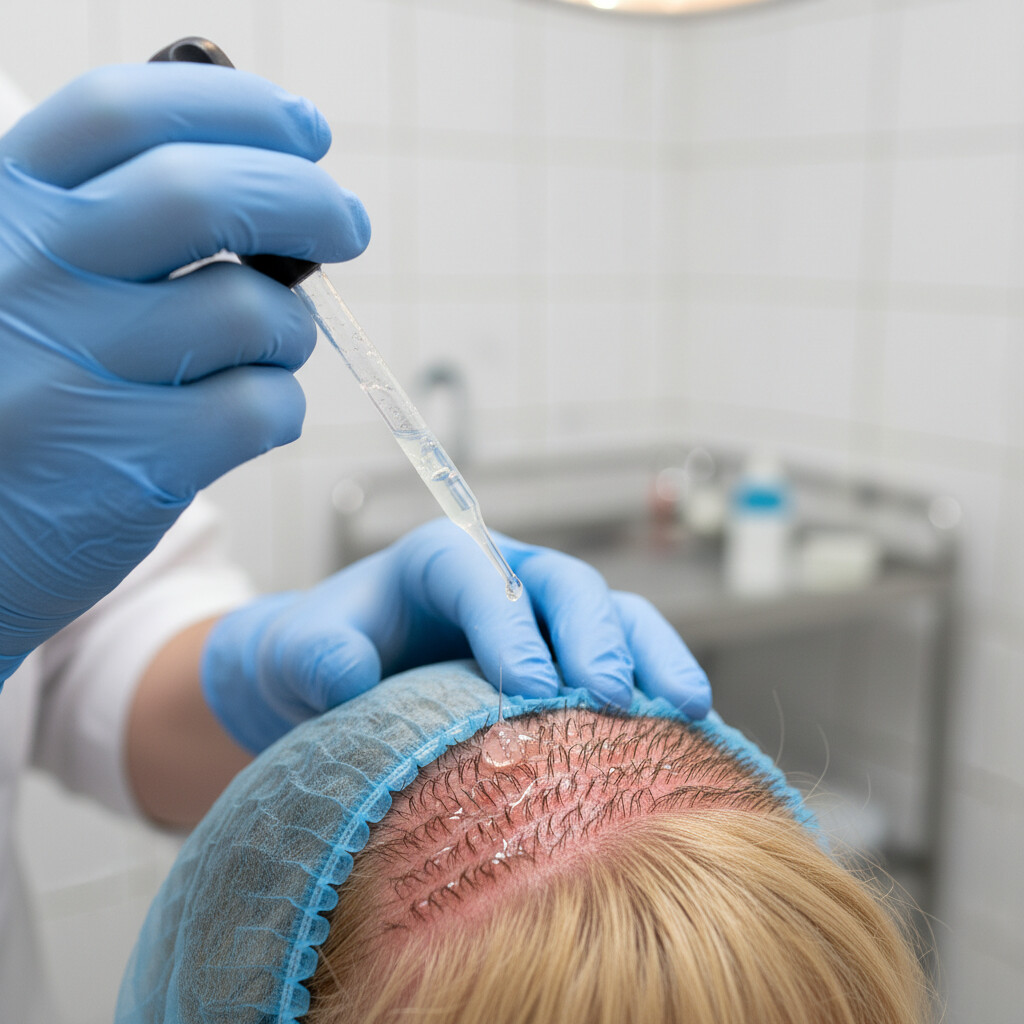
PRP (platelet-rich plasma) is a concentrate made from your own blood that is injected or applied to the scalp. Many clinics offer it with a hair transplant, claiming it improves graft survival, speeds healing and boosts growth. The honest answer is that the evidence is mixed. Some studies suggest a modest benefit, others show little difference, and there is no agreed standard for how PRP should be prepared or used. It is generally safe, but it is an optional extra, not something a good result depends on.
Key takeaways
- PRP is made by spinning a small sample of your blood to concentrate the platelets, which release growth factors.
- As a standalone treatment for pattern hair loss, some studies report modest improvements in hair count or thickness, but results vary between people and studies.
- As an add-on to a transplant, evidence that it improves graft survival is limited. Surgical skill, graft handling and aftercare matter far more.
- Protocols differ widely between clinics: preparation method, number of sessions and intervals are not standardised.
- PRP is not suitable for everyone. Blood disorders, blood thinners, active infections and some other conditions may rule it out.
What PRP is and how it is made
Platelets are blood cells that help with clotting and wound healing. When activated, they release proteins called growth factors, which are involved in tissue repair and blood vessel formation.
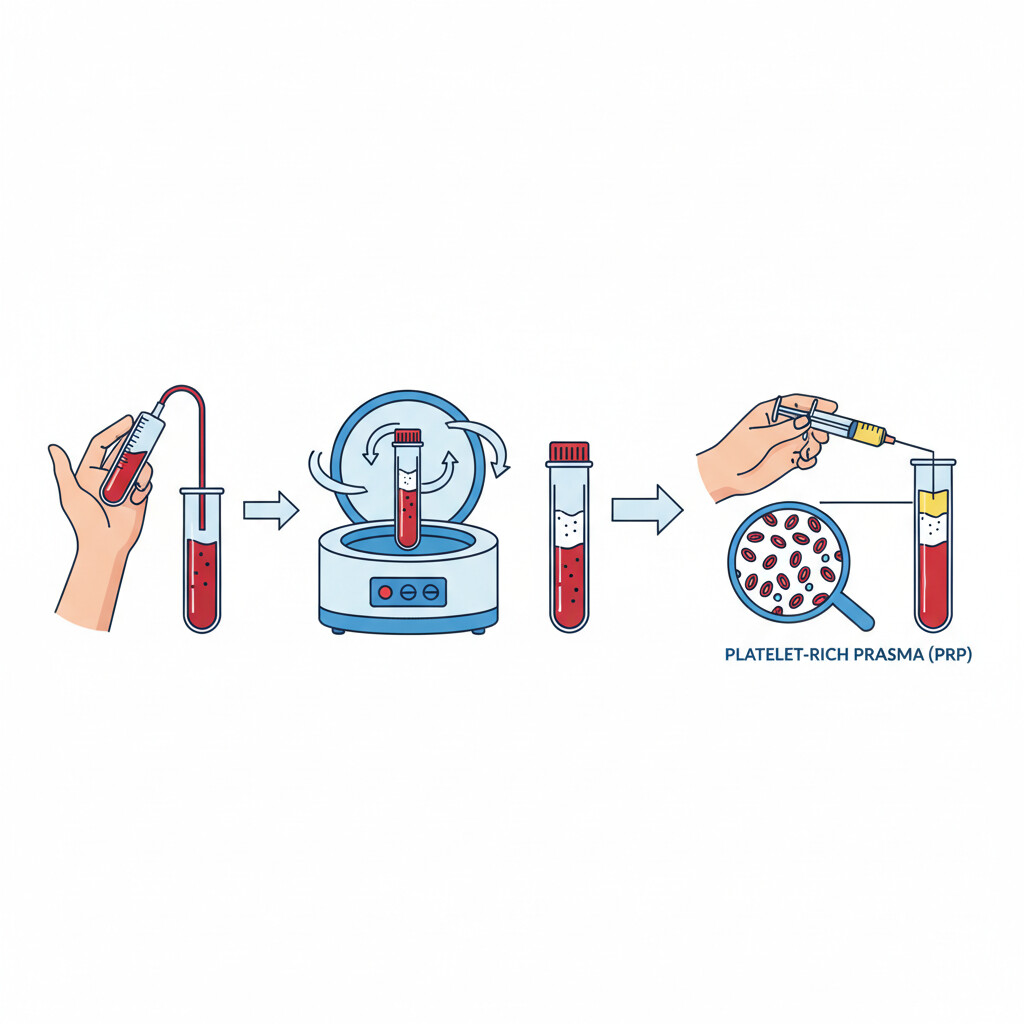
A typical PRP session works like this:
- Blood draw: a small amount of blood is taken from your arm, similar to a routine blood test.
- Centrifuge: the tube is spun at high speed to separate red cells from the plasma.
- Collection: the platelet-rich layer of plasma is drawn off. Some systems add an activating agent; others do not.
- Application: the PRP is injected into the scalp with fine needles, or applied with microneedling. After a transplant it may also be used in other ways (see below).
The whole process takes around 30-60 minutes. The concentration of platelets and the final product vary with the kit, the centrifuge settings and the technique. That is one reason results in different studies and clinics are hard to compare.
How PRP is used with a hair transplant
Clinics use PRP in one or more of these ways:
- As a holding solution: grafts are kept in PRP instead of a standard storage solution while waiting to be implanted.
- Injected into the recipient area at the end of surgery.
- Injected into the donor area to support healing.
- Follow-up sessions in the months after surgery, sometimes as part of a package.
The idea is that growth factors support the grafts while they establish a new blood supply, reduce inflammation and help the small wounds heal. These are reasonable theories, but it has not been clearly shown that they translate into more surviving grafts or a better final result.
What the evidence actually says
For pattern hair loss on its own: PRP has been studied quite a lot for androgenetic alopecia. Several trials and reviews report a modest improvement in hair count or hair thickness for some patients. However, many studies are small, short-term, and use different preparation methods and treatment schedules. Some show little or no benefit. It is not known in advance who will respond. In many countries PRP is not a licensed medicine for hair loss, and it is offered as an off-label or cosmetic treatment.
As an add-on to a transplant: the research is thinner. A few small studies have reported faster early growth, less shedding or quicker healing when PRP was used, but the studies are limited and the findings are not consistent. There is no strong evidence that PRP reliably increases the number of grafts that survive.
What this means for you: PRP may help a little, it may make no noticeable difference, and it is unlikely to cause harm when done properly. It cannot fix poor surgical technique, badly handled grafts or unrealistic planning.

What PRP cannot do
- It does not create new follicles. It cannot regrow hair on scalp that has been completely bald for years.
- It does not stop pattern hair loss permanently. Any benefit tends to fade without repeat sessions.
- It does not replace proven medical treatment. Medications such as finasteride and minoxidil have a stronger evidence base for slowing hair loss. PRP is sometimes used alongside them, not as a substitute. Discuss medication with a doctor, as they have side effects of their own.
- It does not replace good aftercare. Protecting the grafts in the first days and following your surgeon’s washing and activity instructions matter far more.
Typical treatment schedules
There is no single agreed protocol. Common patterns include:
- With a transplant: one application during or right after surgery, sometimes followed by further sessions in the first months.
- As a standalone course: often a few sessions about a month apart, then maintenance sessions every several months if the treatment seems to help.
Ask the clinic exactly what they plan, why, and what happens if you skip the follow-up sessions. If you are travelling abroad for surgery, follow-up sessions may need to be done by a doctor at home.
Side effects and safety
Because PRP comes from your own blood, allergic reactions to the plasma itself are not expected. The main side effects come from the injections:
- pain or tenderness during and after the injections,
- temporary redness, swelling or small bruises,
- headache or a feeling of tightness in the scalp for a day or two,
- rarely, infection at the injection sites, as with any injection.
Sterile technique matters. The blood must be handled in a clean, closed system and must only ever be your own.
Who should not have PRP
PRP may not be suitable if you have:
- a low platelet count or a platelet function disorder,
- another blood clotting disorder, or you take blood thinners,
- an active infection, especially on the scalp,
- cancer under active treatment, or certain chronic illnesses,
- pregnancy (most clinics avoid it).
Smoking and heavy alcohol use may also reduce any benefit. Some doctors ask you to avoid anti-inflammatory painkillers before and after a session. Never stop a prescribed medicine without asking the doctor who prescribed it. Our guide PRP Suitability: Who is Not an Ideal Candidate? goes through these in more detail.
Cost and value
PRP is often included in hair transplant packages, especially abroad, and presented as an extra benefit. When it is sold separately, it is usually priced per session, so a full course plus maintenance can add up. Prices vary widely by country and clinic.
When comparing offers, remember:
- A package that includes PRP is not automatically better than one that does not.
- Do not choose a clinic because of add-ons. Choose it for the surgeon, the planning and the team. Our guide on what is included in a hair transplant package covers what really matters.
- If PRP costs extra, ask what result you should expect and how it will be judged.
Questions to ask before agreeing to PRP
- How is the PRP prepared, and is it done in a closed, sterile system?
- When will it be used: in graft storage, at the end of surgery, or in later sessions?
- How many sessions do you recommend, and how far apart?
- Is it included in the price, or is it an extra?
- Is there anything in my medical history or medication that makes PRP unsuitable?
When to contact your surgeon or doctor
Get in touch with your surgeon or a local doctor if, after PRP or surgery, you notice:
- increasing pain, redness or swelling after the first two to three days,
- pus, a bad smell or spreading redness at injection sites,
- fever or feeling unwell,
- unusual bleeding or bruising that keeps spreading.
Other options around a transplant
PRP is one of several non-surgical treatments offered alongside hair transplants. Each has its own evidence and limits:
- Mesotherapy: injections of vitamins and other substances. The evidence is weaker than for PRP. See Hair Mesotherapy.
- Scalp micropigmentation: a tattoo technique that creates the look of density. It does not grow hair, but can reduce contrast in thinning areas. See Scalp Micropigmentation (SMP).
- Nutrition and supplements: a balanced diet supports healing, but supplements only help if you are deficient. See Can Poor Nutrition Affect Graft Survival?

Common questions
Do I need PRP for my transplant to work?
No. Good transplants grow well without PRP. The surgeon’s skill, graft handling and your aftercare are the key factors.
Does PRP hurt?
The injections can be uncomfortable, especially on the front of the scalp. Some clinics use numbing cream, a cooling device or local anaesthetic. When PRP is given at the end of surgery, the scalp is usually already numb.
Will PRP stop my shedding after a transplant?
Shedding of transplanted hairs between about weeks 2 and 8 is a normal part of the process and is expected with or without PRP. Some clinics claim PRP reduces shock loss of native hair, but this has not been clearly shown.
When would I know if PRP is working for me?
Hair grows slowly, so any change takes several months to show. Standardised photos taken before treatment and at regular intervals are the most reliable way to judge.
Discussion
Did you have PRP with your transplant or as a separate treatment? Share whether it was included in your package, how many sessions you had, and whether you felt it made any difference. Experiences of people who had a transplant without PRP are just as useful for comparison.
Sources
- PRP for Hair Loss: Procedure, Benefits & Costs, ISHRS
- Platelet-Rich Plasma for Androgenetic Alopecia: A Systematic Review and Meta-Analysis of RCTs (Zhang et al.), Journal of Cutaneous Medicine and Surgery, 2023
- Systematic Review of PRP Use in Androgenetic Alopecia Compared with Minoxidil, Finasteride, and Adult Stem Cell-Based Therapy (Gentile and Garcovich), International Journal of Molecular Sciences, 2020
Related guides
- Who Should Not Get PRP for Hair Loss? Smokers and Blood Thinners
- Hair Mesotherapy: What It Is, Does It Work, and Is It Safe?
- Scalp Micropigmentation vs Hair Transplant: Pros, Cons and Uses
- Can Supplements Improve Hair Transplant Results?
- Can Poor Nutrition Affect Graft Survival in Hair Transplants?
About this guide: ForumHairTransplant.com is an independent patient community. We are not affiliated with any clinic or surgeon, and we don’t accept payment for rankings, reviews or recommendations. This article is general information, not medical advice. Talk to a qualified doctor about your own situation.