By ForumHairTransplant Editorial Team · Prepared with AI assistance · Sources checked: 19 October 2026
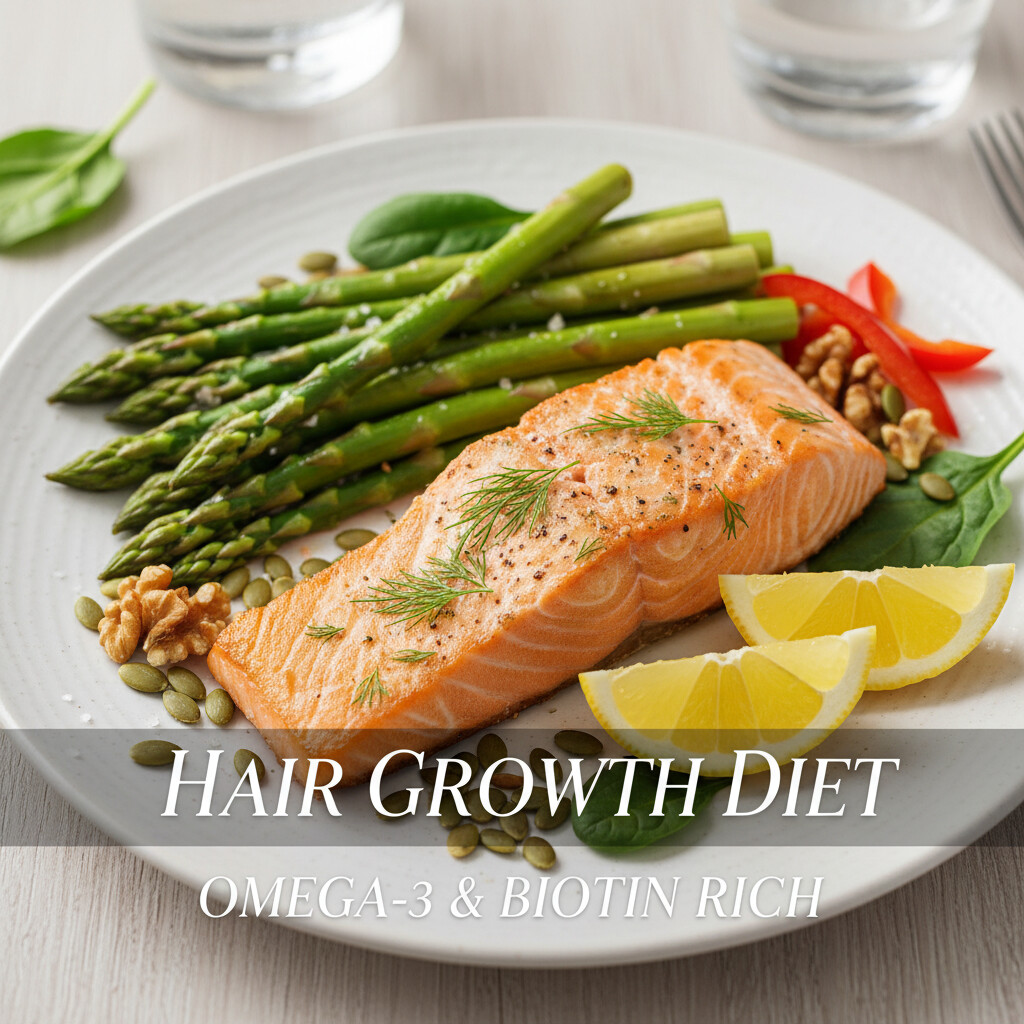
After a hair transplant, the best diet is simply a balanced one with enough protein, calories, fruit and vegetables, and fluids. Food supports wound healing and normal hair growth, but no single food or “hair diet” will make grafts grow faster or thicker. Nutrition matters most when something is missing. A real deficiency, a very restrictive diet or heavy drinking can slow healing, while eating well gives your scalp what it needs to recover.
Key takeaways
- Eat normally and well: regular meals with protein, fruit, vegetables and whole grains cover most needs.
- Diet cannot prevent the normal shedding of transplanted hairs (usually weeks 2-8) or speed up regrowth, which typically starts around months 3-4.
- Avoid crash diets during recovery. Sudden calorie restriction can trigger telogen effluvium, a temporary diffuse shedding.
- Limit alcohol, especially in the first days, and check with your surgeon before taking supplements such as fish oil, vitamin E or high-dose vitamins.
- Supplements are only helpful if you are actually deficient. Get tested rather than guessing.
Why nutrition matters after surgery
A hair transplant leaves many small wounds in the donor and recipient areas. Your body repairs them over the first one to two weeks, and the grafts then settle into a new blood supply. Healing uses protein, energy, and vitamins and minerals such as vitamin C, zinc and iron.
In a healthy person eating a normal diet, these are usually already available. Problems are more likely if you:
- eat very little protein, or follow a restrictive diet without planning it,
- have known iron deficiency, very low vitamin D or another diagnosed deficiency,
- are losing weight quickly, or recently had major illness or surgery,
- drink heavily, or have diabetes that is not well controlled.
If any of these apply, speak to your doctor before surgery. Our guide on whether poor nutrition can affect graft survival goes into more detail.
The first days after surgery
In the first few days, focus on comfort and routine rather than a perfect diet:
- Eat regular, easy meals. Some people feel tired or a little nauseous after a long procedure and sedation. Light meals and enough fluids help.
- Drink enough water. There is no magic number of glasses. Drink regularly so you are not thirsty and your urine is pale. This matters more if you are flying soon after, as covered in flying after a hair transplant.
- Avoid alcohol. Many surgeons advise avoiding it for at least the first few days. It can increase bleeding and swelling and may interact with the pain relief or antibiotics you were given.
- Be sensible with caffeine. Moderate coffee or tea is usually fine, but very high amounts can raise blood pressure and affect sleep.
- Take prescribed medicines with food if the instructions say so. Some antibiotics and painkillers can upset an empty stomach.
Nutrients that support healing and hair
You do not need to count every vitamin. It helps to know where the main ones come from:
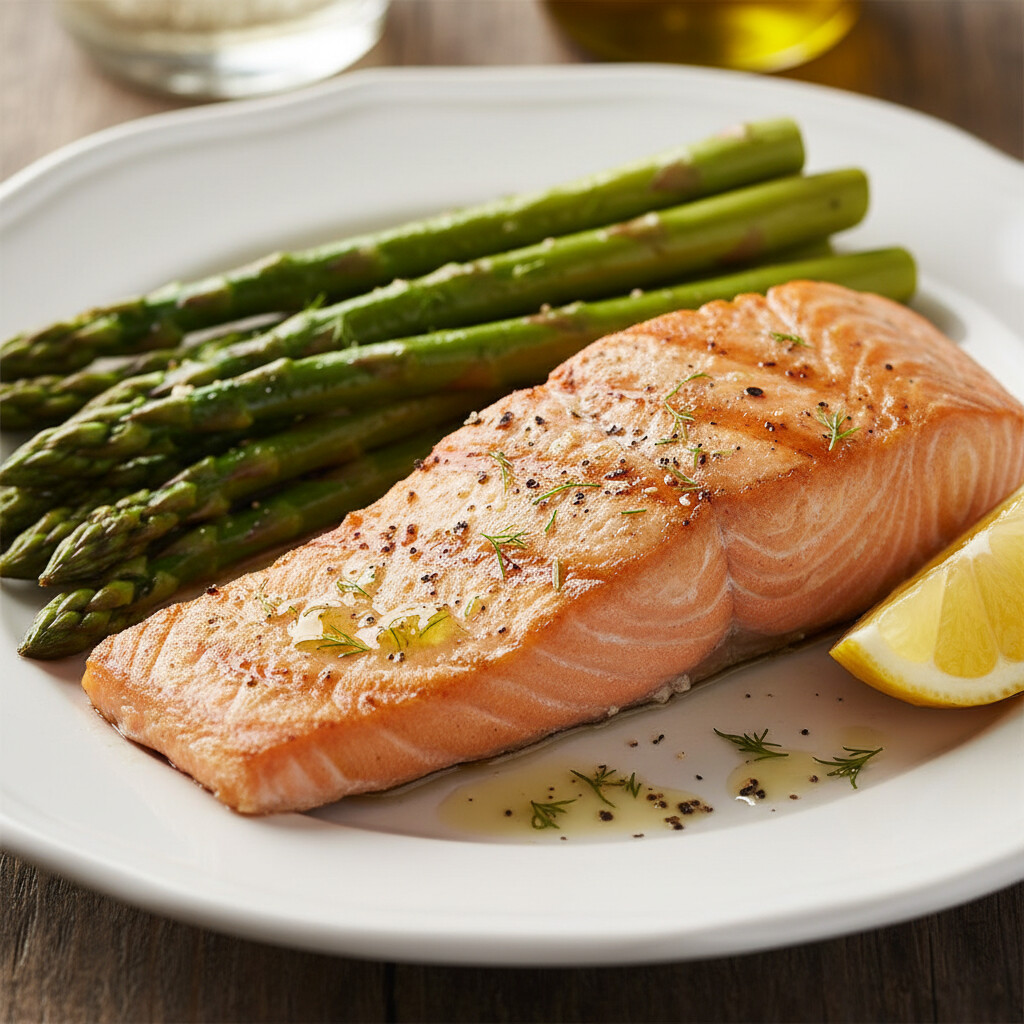
- Protein for tissue repair and hair: eggs, fish, poultry, meat, dairy, beans, lentils, tofu.
- Iron: red meat, lentils, beans, leafy greens and fortified cereals. Pairing plant sources with vitamin C improves absorption.
- Zinc: meat, shellfish, pumpkin seeds, lentils, whole grains.
- Vitamin C for collagen and wound healing: citrus fruit, berries, peppers, broccoli, kiwi.
- Vitamin D: oily fish, eggs, fortified foods and safe sun exposure. Deficiency is common in some climates, and a blood test can check your level.
- Omega-3 fats: oily fish, walnuts, flaxseed and chia seeds. They are part of a healthy diet, but see the note on fish oil supplements below.
Practical meal ideas
A day of eating that covers these needs could look like this:
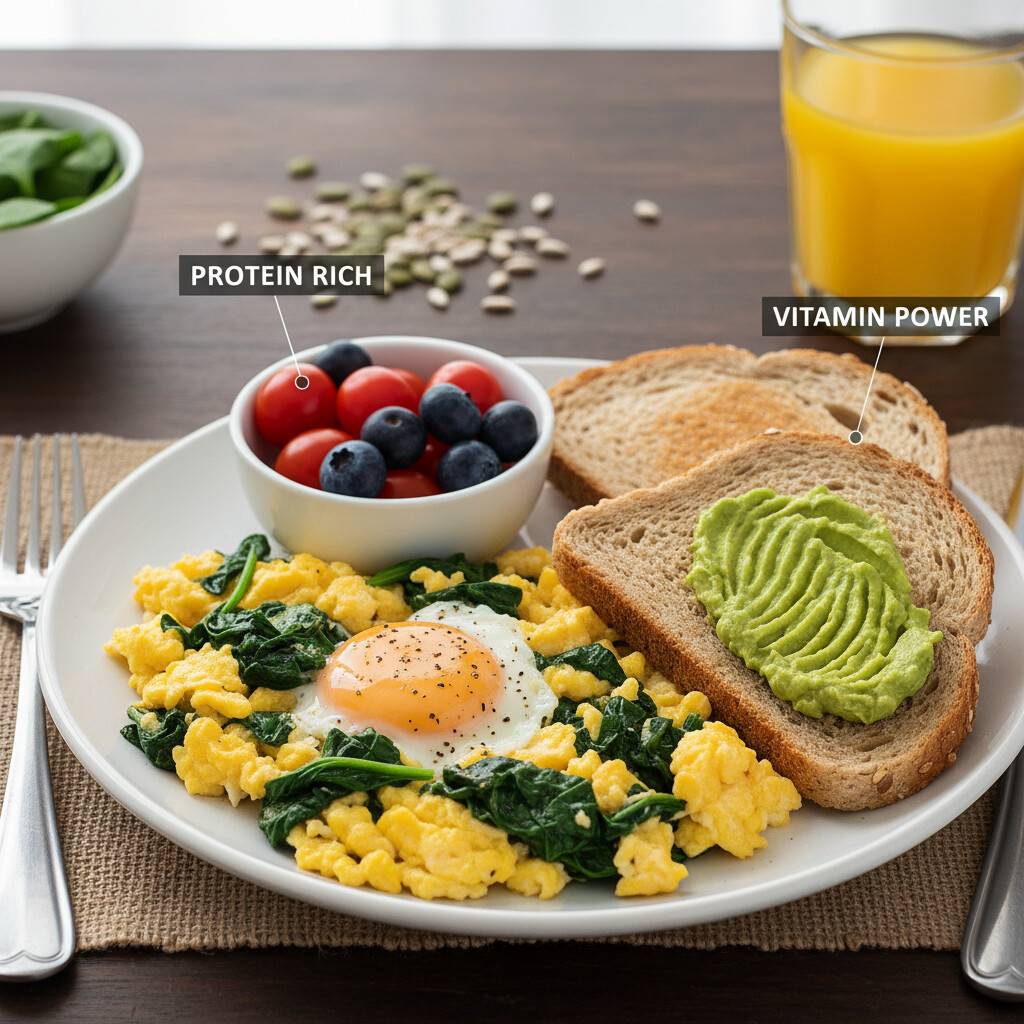
- Breakfast: eggs with spinach and wholegrain toast, or yoghurt with berries and seeds.
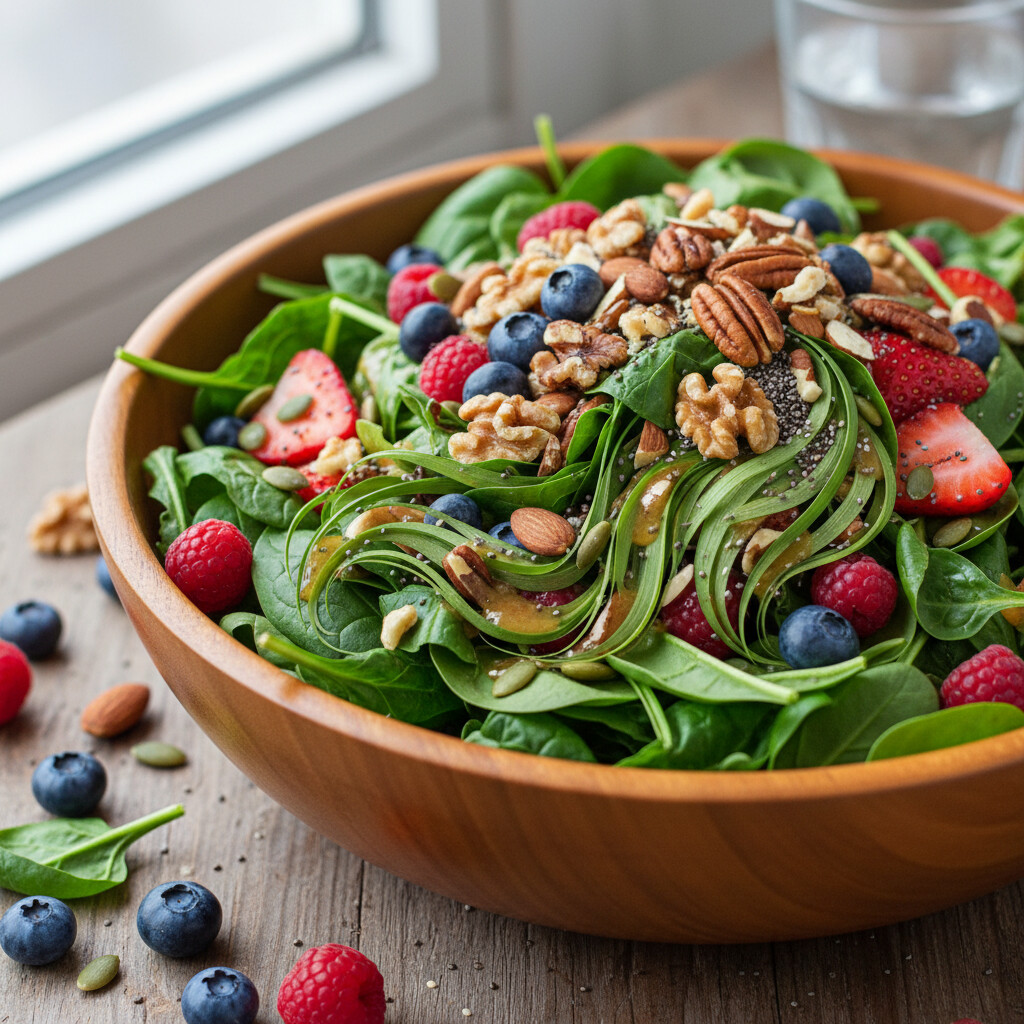
- Lunch: lentil or chicken soup, a salad with beans or fish, or a wrap with lean protein and vegetables.
- Dinner: oily fish, chicken, tofu or lean meat with vegetables and potatoes, rice or whole grains.
- Snacks: fruit, a handful of nuts, hummus with vegetables, cheese or yoghurt.
If you are vegetarian or vegan, include a protein source at every meal and consider asking your doctor to check iron, vitamin B12 and vitamin D.
What to limit during recovery
- Alcohol, especially in the first days, and heavy drinking at any stage of healing. Our guide on alcohol and hair transplants covers timing.
- Crash diets and very low-calorie plans. Rapid weight loss is a known trigger for telogen effluvium. Wait until you have recovered before starting a strict diet.
- Very salty meals in the first days if you are prone to swelling, as salt can make fluid retention worse.
- Mostly processed food. An occasional takeaway will not harm your grafts, but a diet built on it tends to lack protein and micronutrients.
Supplements: helpful or not?
For most people eating a varied diet, supplements are not needed for a good transplant result. Before you buy a “hair growth” product, keep these points in mind:
- Test, don’t guess. Iron, vitamin D, zinc or B12 supplements make sense if a blood test shows you are low. Taking extra when your levels are normal has not been shown to improve results.
- More is not better. Too much vitamin A or selenium can itself cause hair loss, and several “hair” supplements contain high doses.
- Biotin deficiency is rare. High-dose biotin can also distort some blood test results, including thyroid and heart tests, so tell your doctor if you take it.
- Bleeding risk. Fish oil, vitamin E, ginkgo, garlic and some herbal products may increase bleeding. Many surgeons ask patients to stop them for a period before and shortly after surgery. Follow your own surgeon’s list and timing.
Our guide on whether supplements can improve hair transplant results covers the evidence in more detail. Always check new supplements with your surgeon or doctor, especially if you take other medicines.
Diet and the growth timeline
Many people change their diet after surgery and then worry when the transplanted hairs fall out. That shedding, usually between weeks 2 and 8, is a normal part of the cycle and is not caused by what you eat. New growth usually starts around months 3-4, and the final result takes around 12-18 months. Eating well supports this process, but it cannot shorten it. The rest of the recovery steps are covered in our aftercare guide from day 1 to month 12.
When to contact your surgeon or doctor
- You cannot eat or keep fluids down for more than a day, or feel dizzy and unwell.
- You have fever, spreading redness, pus or increasing pain in the donor or recipient area.
- You have diabetes and your blood sugar is harder to control than usual after surgery.
- You notice heavy, diffuse shedding of your native hair a few months after surgery, especially after illness, weight loss or a big change in diet.
- You want to start a new supplement or restrictive diet during the healing phase.
Common questions
Are there foods that make transplanted hair grow faster?
No. Growth follows a biological timeline. A balanced diet supports normal growth but does not speed it up.
Should I take biotin after a hair transplant?
Only if a doctor has found a deficiency or recommends it. For most people it adds nothing, and it can affect some lab tests.
When can I drink alcohol again?
Many surgeons advise avoiding it for at least the first few days to a week. Follow your own surgeon’s instructions, especially while taking prescribed medicines.
Discussion
Did you change your diet before or after your transplant, and do you think it made a difference to your recovery? If your doctor found a deficiency during your hair loss workup, share what it was and how it was treated.
Sources
- Guide to Best Vitamins and Minerals for Hair Growth, ISHRS
- Hair Supplements: Are They Worth the Hype?, ISHRS
- Diet and hair loss: effects of nutrient deficiency and supplement use (Guo and Katta), Dermatology Practical & Conceptual, 2017
- Hair transplant, American Academy of Dermatology
These sources say supplements help mainly when a deficiency is proven. They do not show that any vitamin speeds up recovery after a hair transplant.
Related guides
- Hair Transplant Aftercare: What to Do From Day 1 to Month 12
- Can Poor Nutrition Affect Graft Survival in Hair Transplants?
- Can Supplements Improve Hair Transplant Results?
- Redness and Itching After a Hair Transplant: What’s Normal?
- Scabs After Hair Transplant: When Do They Fall Off?
- Which Vitamins Should You Take After Hair Transplantation?
About this guide: ForumHairTransplant.com is an independent patient community. We are not affiliated with any clinic or surgeon, and we don’t accept payment for rankings, reviews or recommendations. This article is general information, not medical advice. Talk to a qualified doctor about your own situation.