
By ForumHairTransplant Editorial Team · Prepared with AI assistance · Sources checked: 19 October 2026
Most surgeons ask patients to stop drinking alcohol for somewhere between a few days and one week before a hair transplant, and to stay off it for at least the first week afterwards. The main reasons are bleeding, swelling and interactions with the medicines used during and after surgery. Clinics differ, so the rule that counts is the one your own surgeon gives you.
Key takeaways
- A common instruction is no alcohol for about 3-7 days before surgery. Some clinics ask for longer, especially for regular or heavy drinkers.
- After surgery, most clinics advise avoiding alcohol for at least 7 days, and while you are taking prescribed medication.
- Alcohol can increase bleeding and swelling and interacts with sedatives, painkillers and some antibiotics.
- If you drink heavily every day, do not stop suddenly without medical advice. Tell your surgeon well in advance.
Why alcohol matters before surgery
A hair transplant is done under local anaesthetic, but it is still surgery. Thousands of small incisions are made in the donor and recipient areas, and the grafts need a calm, clean environment to settle in. Alcohol can work against that in a few ways.
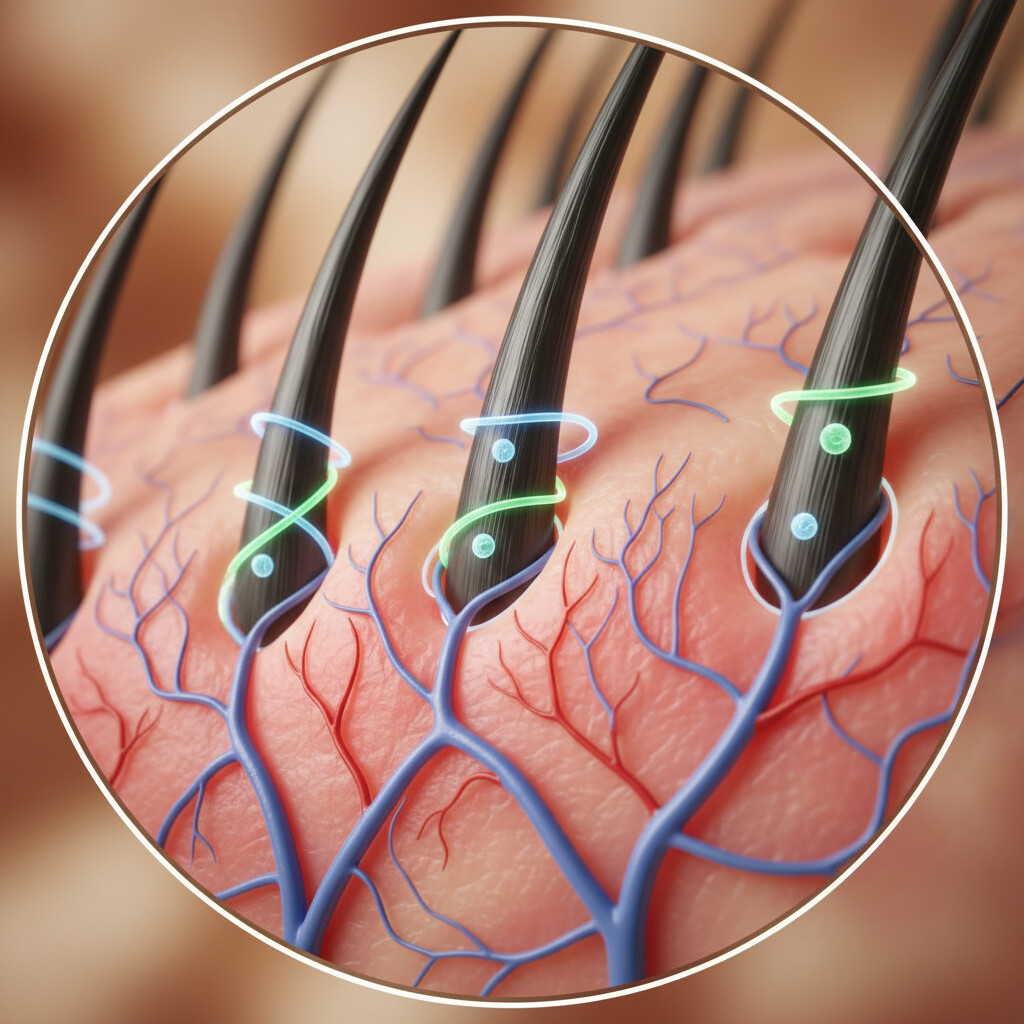
Bleeding. Alcohol widens blood vessels and can reduce how well platelets help blood clot. More bleeding during the procedure makes it harder for the team to see clearly and place grafts precisely. Extra oozing afterwards can also dislodge newly placed grafts or leave more crusting on the scalp.
Swelling. Alcohol encourages fluid to collect in the tissues. Forehead and eye swelling is already common in the first days after a transplant, and drinking can make it worse. Our guide to swelling after a hair transplant covers what is normal.
Medication interactions. Many clinics use oral or intravenous sedation, local anaesthetic, painkillers and sometimes antibiotics. Alcohol can add to the effect of sedatives, and some painkillers and antibiotics should not be combined with it. The article on medications to pause before a hair transplant explains the other substances that affect bleeding.
Dehydration and sleep. Alcohol is a diuretic and disrupts sleep. Arriving dehydrated and tired after a long flight makes a long procedure day harder to get through, and it can make you more likely to feel faint.
How long to stop drinking before a hair transplant
There is no single, universal rule. Instructions you are likely to see include:
- At least 48-72 hours before surgery. This is the minimum many clinics ask for.
- About one week before surgery. A common and more cautious recommendation, often given together with the instruction to stop aspirin and certain supplements.
- Longer periods for people who drink regularly or heavily, or who have liver problems, as advised by the surgeon or GP.
If you are travelling abroad for surgery, remember that the “last drink” is often on the flight or on the evening you arrive. Plan around this, and follow the timing your clinic gives you rather than the shortest figure you find online.
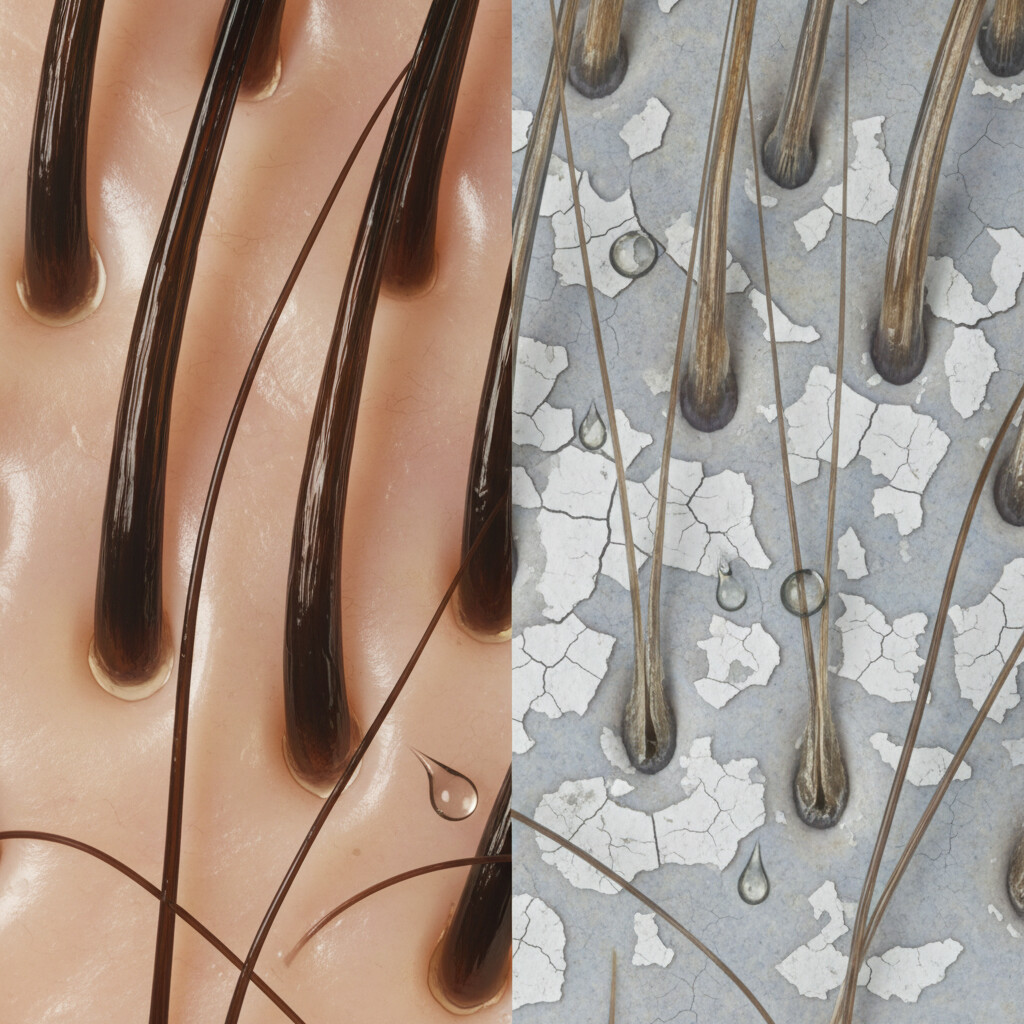
How long to avoid alcohol after a hair transplant
The first days after surgery are when grafts are most fragile and when swelling peaks. Common advice is:
- No alcohol for at least 7 days after the procedure. Many clinics suggest 10-14 days to be safe.
- None while you are taking prescribed medication, such as painkillers, antibiotics or steroids for swelling. Check the leaflet and ask your clinic.
- Take it easy when you restart. Drinking heavily can lead to poor sleep, knocks to the head and scratching, all of which are risky while the scalp is healing.
Grafts are usually considered secure after around 10-14 days (see how long until grafts are secure), but long-term growth is also helped by a generally healthy lifestyle.
Does alcohol affect hair growth after a transplant?
An occasional drink after the healing period is not known to damage transplanted hair. Heavy, long-term drinking is a different matter: it can affect nutrition, sleep and general health, which may influence healing and hair quality. There is no need to give up alcohol for the whole 12-18 months it takes to see your final result, unless your doctor advises it for other reasons.
A note on shedding: most transplanted hairs normally fall out between roughly weeks 2 and 8 after surgery. This is expected and is not caused by a drink you had. Temporary loss of native hairs near the operated area (shock loss) can also happen and usually recovers. If you notice widespread shedding across the whole scalp months later, that is a separate condition called telogen effluvium, which can be triggered by illness or major stress and is worth discussing with a doctor.
If you drink regularly or heavily
Stopping alcohol suddenly after heavy daily drinking can cause withdrawal symptoms, which can be dangerous. If this applies to you:
- Tell your surgeon honestly how much you drink when you first make contact, not on the morning of surgery.
- Speak to your GP about the safest way to cut down beforehand.
- Consider delaying the procedure until your drinking is under control. A hair transplant is elective, so there is no reason to rush.
Clinics ask about alcohol because it affects your safety. Being open does not usually mean you will be refused surgery, but it allows the team to plan properly.
Practical tips for the alcohol-free period
- Drink plenty of water in the days before and after the procedure, especially if you are flying.
- Plan social events around your surgery date. Avoid booking a procedure straight after a wedding, stag party or holiday.
- Choose alcohol-free alternatives if you are out with others.
- Look at the whole checklist. Alcohol is one item among several. Our pre-operation checklist and the guide to smoking and hair transplant results cover the rest.

When to contact your surgeon
Contact your clinic or a doctor if:
- You drank alcohol shortly before your surgery date. Tell the team so they can decide whether to go ahead.
- You have bleeding after surgery that does not stop with gentle, steady pressure using clean gauze.
- Swelling is severe, painful, or affects your vision or breathing.
- You notice signs of infection, such as spreading redness, warmth, pus or fever.
- You feel unwell after combining alcohol with prescribed medication.
Common questions
Can I have one drink the night before my hair transplant?
Most clinics say no. Even a small amount can add to bleeding and interact with sedation. If you have already had a drink, tell the team before surgery.
Is beer or wine safer than spirits?
No. It is the alcohol itself that matters, not the type of drink.
When can I drink alcohol again after a hair transplant?
Usually after at least 7 days and once you have finished any prescribed medication. Follow your surgeon’s timeline, as it may be longer.
Discussion
What alcohol rules did your clinic give you before and after surgery, and did you find the break difficult? Share your timeline and any tips that helped, especially if you combined surgery with travel.
Sources
- Smoking, Drinking, Medications and Herbal Products Can All Affect the Course of Your Hair Restoration Surgery, ISHRS
- Hair Transplantation (StatPearls), NCBI Bookshelf, NIH, 2025
- Hair Transplant Practice Guidelines, Journal of Cutaneous and Aesthetic Surgery, 2020
Sources differ on exact timings. Follow your own surgeon’s instructions.
Related guides
- Pre-Operation Checklist: Essential Tips Before Your Hair Transplant
- Smoking and Hair Transplants: How It Affects Results and When to Quit
- Which Medications Should You Stop Before a Hair Transplant?
- Should I Shave My Head Before Traveling to Turkey for a Hair Transplant?
- What to Wear on Hair Transplant Day: Clothes and Packing Tips
About this guide: ForumHairTransplant.com is an independent patient community. We are not affiliated with any clinic or surgeon, and we don’t accept payment for rankings, reviews or recommendations. This article is general information, not medical advice. Talk to a qualified doctor about your own situation.