By ForumHairTransplant Editorial Team · Prepared with AI assistance · Sources checked: 19 October 2026
Good preparation before a hair transplant lowers the risk of bleeding and infection, protects the grafts and makes recovery easier. The essentials are simple: give your surgeon a complete medical history, review your medications and supplements with them, stop smoking and drinking alcohol for the period they advise, leave your hair as the clinic instructs, and plan travel, time off and help at home. This checklist puts those steps in order, from a few weeks before surgery to the morning itself. Your own clinic’s instructions always come first.
Key takeaways
- Tell your surgeon about every health condition, medication and supplement, even ones that seem unimportant.
- Never stop a prescribed medicine, especially a blood thinner, without speaking to the doctor who prescribed it.
- Stopping smoking and alcohol before and after surgery helps healing and graft survival.
- Don’t shave or cut your hair very short unless the clinic tells you to.
- Arrange time off, transport and a comfortable recovery setup before the day, especially if you are travelling abroad.
4-8 weeks before: medical history and planning
Be completely open about your health
Your surgeon needs to know about:
- long-term conditions such as diabetes, high blood pressure, heart or kidney disease, and autoimmune or skin conditions,
- any bleeding or clotting problem, or a history of heavy bleeding after dental work or minor injuries,
- allergies, especially to local anaesthetics, antibiotics, latex or adhesive tape,
- previous hair transplants or scalp surgery, and any tendency to keloid scarring,
- all medications, supplements, herbal remedies and recreational drugs.
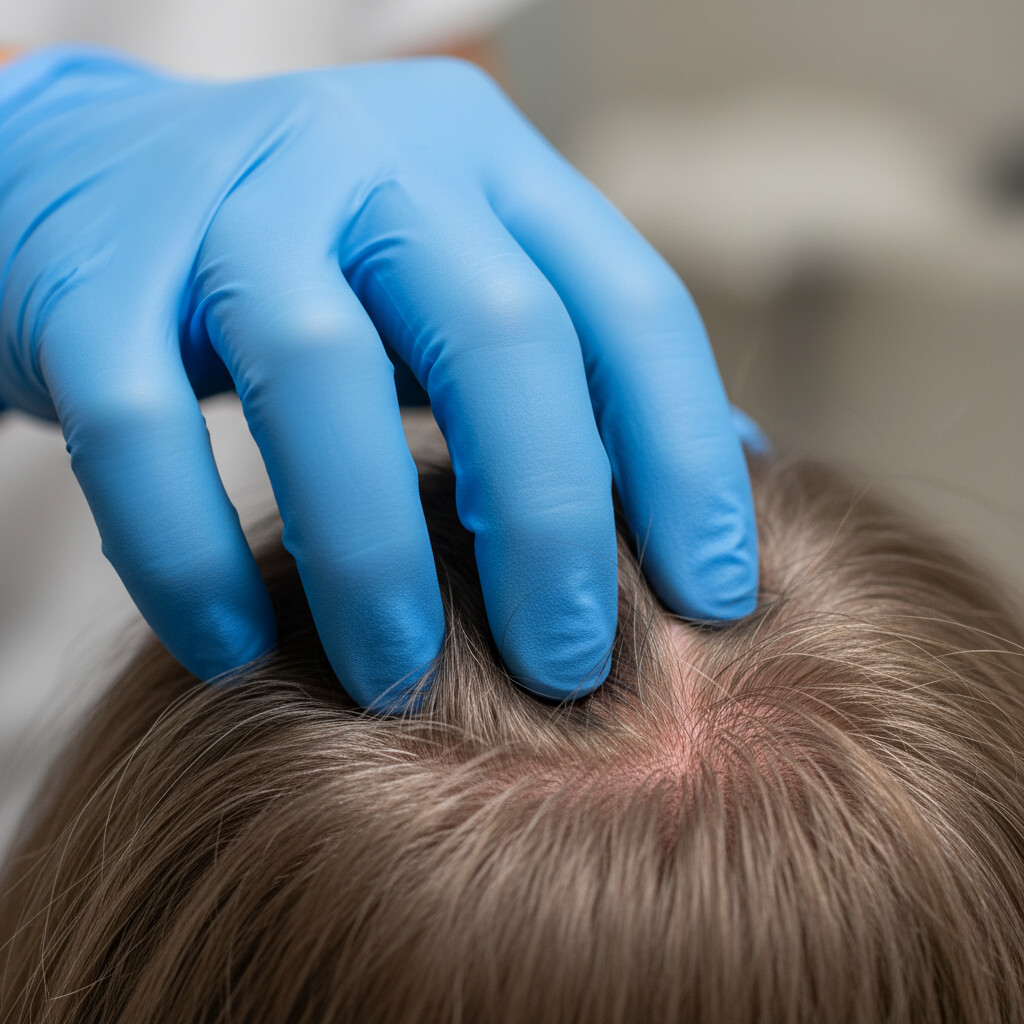
Long-term conditions don’t automatically rule out a transplant, but they should be well controlled beforehand. If you are under a specialist, ask them whether surgery is safe for you now, and bring any letter or results they give you.
Blood tests
Many clinics ask for blood tests before surgery. These commonly include a blood count, clotting tests, blood sugar and screening for hepatitis B, hepatitis C and HIV. Some tests are done at the clinic on the day; others need to be done at home in advance. Ask which applies to you. Our guide to pre-operative blood tests explains why they matter.
Questions to settle before you book
- Who will design the hairline, make the recipient sites and extract the grafts?
- How many grafts are planned, and how does that fit your long-term donor supply?
- Which technique will be used, and will your head be fully shaved?
- What exactly is included: tests, medications, aftercare products, accommodation, transfers and follow-up?
- Who do you contact if you have a problem after you return home?
2 weeks before: medications and supplements
Some medications and supplements increase bleeding during surgery. Bleeding makes the procedure harder and can affect how well grafts settle. Your surgeon will give you a list of what to pause and for how long. Typical examples include:
- Over-the-counter anti-inflammatory painkillers such as aspirin or ibuprofen, often paused for about a week or more beforehand if you take them occasionally. Ask your surgeon which painkiller to use instead.
- Supplements such as vitamin E, fish oil, ginkgo, garlic capsules and some herbal products, often stopped for one to two weeks.
- Minoxidil. Some surgeons ask you to pause it for a few days to a week before surgery. Others don’t. Follow your own surgeon’s advice.
- Finasteride and similar treatments are usually continued, but confirm this with your surgeon.

Important: if you take a prescribed blood thinner, such as warfarin, a newer anticoagulant or daily aspirin for your heart, never stop it on your own. Stopping these without a plan can be dangerous. Your surgeon and your own doctor need to decide together whether surgery can go ahead and how to manage the medication. The same applies to diabetes, blood pressure, psychiatric and other regular medicines. See medications to discuss before surgery.
Smoking and alcohol
Smoking
Smoking narrows blood vessels and reduces oxygen delivery to the skin. Transplanted grafts depend on a good blood supply in the first days, and smokers heal more slowly and have a higher risk of wound problems. Surgeons commonly ask you to stop at least one to two weeks before surgery and to stay off cigarettes for at least a couple of weeks afterwards. Stopping earlier and for longer is better. Nicotine from vaping, patches or gum also affects blood vessels, so ask your surgeon about these too. More in the effect of smoking on hair transplant results.

Alcohol
Alcohol can increase bleeding and swelling, can interact with medications given around surgery, and can leave you dehydrated. Most clinics ask you to avoid it for at least several days before the procedure, and for a period afterwards. See how long to avoid alcohol before a hair transplant for typical recommendations.
Your hair and scalp
- Don’t shave or cut your hair very short yourself unless your clinic asks you to. The clinic usually trims the donor area to the length it needs. Surgeons often want to see your natural hair when they design the hairline. See should you shave your head before travelling?
- For unshaven FUE or FUT, keep your hair long enough to cover the donor area afterwards, as your clinic advises.
- Avoid colouring, perms or other chemical treatments in the weeks before surgery, unless your surgeon says otherwise.
- Protect your scalp from sunburn.
- Get scalp problems treated first. Tell your surgeon about dandruff, psoriasis, spots or infection so they can be managed before surgery.
Travel, time off and help at home
If you are travelling abroad for surgery, plan for more than the operation day:
- Allow a few days in the city after surgery. Many clinics check you and do the first wash within one to two days.
- Book accommodation close to the clinic and confirm airport and clinic transfers.
- Bring your passport, travel insurance details, a written list of your medications and doses, your blood test results and your clinic’s contact details.
- Check how long you should wait before flying home, and bring a travel neck pillow for the journey.
Whether you travel or not, book enough time off work. Many people take about a week, depending on the size of the procedure and how visible the healing will be at work. After sedation you should not drive, so arrange a lift or a companion. Having someone with you on the first night is sensible.

Prepare your recovery space
- Button-up or zip-up tops, so nothing is pulled over your head.
- Extra pillows or a travel neck pillow, to sleep with your head raised for the first nights.
- Old pillowcases or towels, as some fluid can seep from the donor area at first.
- Easy meals and plenty of water at home.
- Your prescribed medications and aftercare products in one place, with the written instructions.
Read your clinic’s aftercare instructions before surgery, not after. Knowing how to wash, sleep and protect the grafts makes the first days much calmer. Our post-transplant care guide covers the first weeks in detail.
The night before and the morning of surgery
- Get a good night’s sleep.
- Wash your hair as instructed, and don’t use gel, wax, spray or oils.
- Eat a light breakfast unless you have been told to fast because of sedation. Some clinics also ask you to limit coffee that morning.
- Take your usual medications only as agreed with your surgeon.
- Wear loose, comfortable clothing that opens at the front.
- Bring your medication list, glasses (rather than contact lenses, if asked), a phone charger and something to listen to. It is a long day, often most of the day for a large session.
Local anaesthetic injections are the most uncomfortable part for most people. If you are anxious, ask in advance about numbing techniques and whether mild sedation is available. The anaesthesia guide linked below explains the options.
When to contact your surgeon before surgery
Get in touch with the clinic before your surgery date if:
- you develop a fever, cold, flu-like illness or any infection,
- you have spots, a rash, sunburn or a wound on the scalp,
- you start a new medication, including antibiotics or steroids,
- you forgot to stop something on your list, or stopped something you shouldn’t have,
- your health changes in any way, or a doctor gives you new advice.
Postponing is sometimes the safest option. A reputable clinic will prefer that to operating when you are unwell.
Common questions
Should I stop finasteride before a hair transplant?
Most surgeons ask you to continue it, but practice varies. Ask your surgeon, and don’t change it without telling them.
Can I drink coffee before a hair transplant?
A normal amount is usually fine, but some clinics ask you to avoid caffeine on the day of surgery because it can raise heart rate and blood pressure. Follow your clinic’s instructions.
Do I need to shave my head before arriving?
Usually not. Most clinics prefer to trim the hair themselves on the day, and your natural hair helps with hairline design.
Discussion
What did you prepare before your transplant, and what do you wish you had packed or arranged? If you travelled abroad, how many days did you stay after surgery, and was it enough? Your tips can help someone getting ready now.
Sources
- Smoking, Drinking, Medications and Herbal Products Can All Affect the Course of Your Hair Restoration Surgery, ISHRS
- Your medical treatment history: important information to share with your hair restoration physician, ISHRS
- Hair Transplant Practice Guidelines, Journal of Cutaneous and Aesthetic Surgery, 2020
Sources differ on exact timings (for example for minoxidil and alcohol). Follow your own surgeon’s instructions.
Related guides
- What to Wear on Hair Transplant Day: Clothes and Packing Tips
- The Best Weather for Hair Transplant: Cold vs. Warm Season
- When Can I Go Back to Work After a Hair Transplant?
- Can You Fly After a Hair Transplant? Timing and Travel Tips
- Is a Hair Transplant Painful? Anesthesia and Sedation Explained
- What to Consider Before Getting a Hair Transplant: A Comprehensive Guide
About this guide: ForumHairTransplant.com is an independent patient community. We are not affiliated with any clinic or surgeon, and we don’t accept payment for rankings, reviews or recommendations. This article is general information, not medical advice. Talk to a qualified doctor about your own situation.