By ForumHairTransplant Editorial Team · Prepared with AI assistance · Sources checked: 19 October 2026
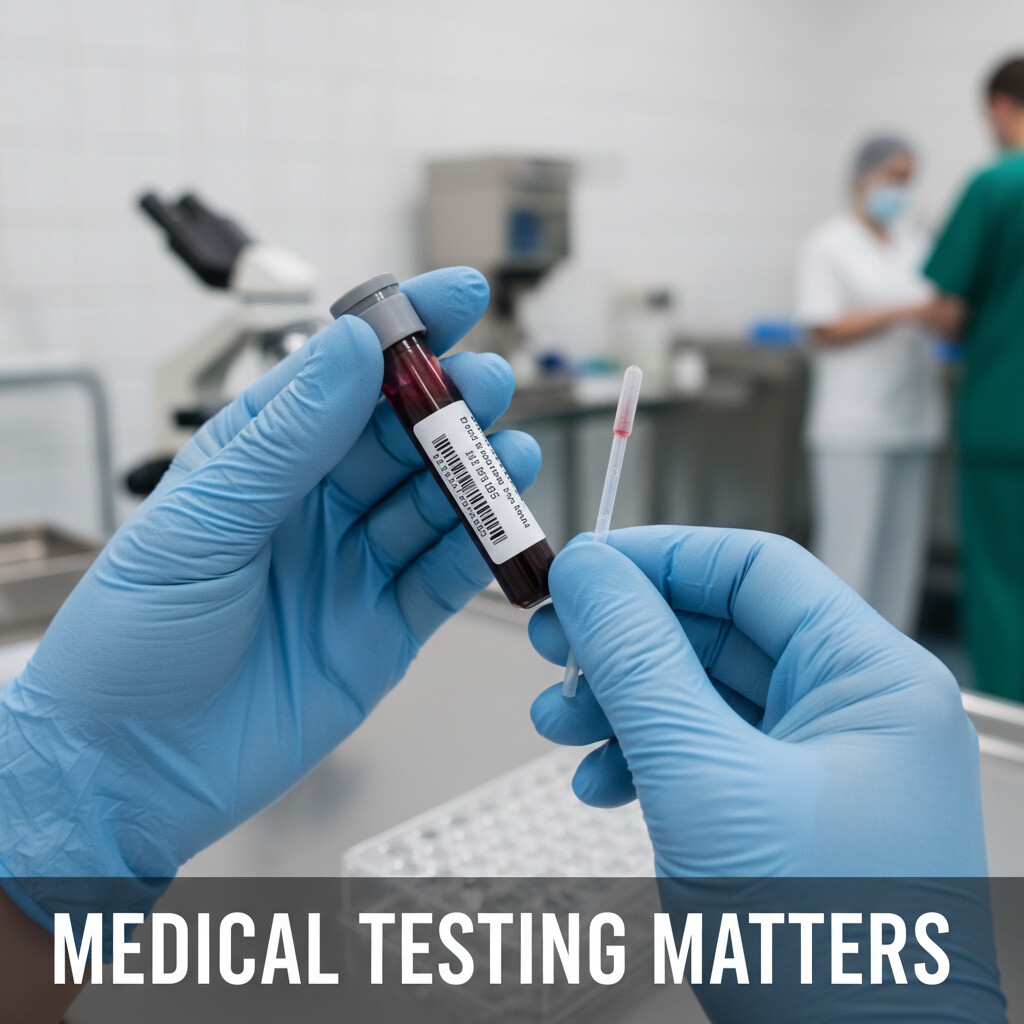
Most hair transplant clinics ask for blood tests for hepatitis B, hepatitis C and HIV before surgery. The reasons are practical: a transplant involves hundreds or thousands of small incisions and some blood, so the team needs to know about infections that spread through blood, and you benefit from knowing about any infection that has gone unnoticed. A positive result does not automatically rule you out, but it may change how and where your procedure can be done.
Key takeaways
- Hepatitis B, hepatitis C and HIV screening are simple blood tests and are standard before most hair transplants.
- Testing supports patient safety and staff safety, but good clinics use full infection-control precautions for every patient, whatever the results.
- Many clinics also check a blood count, clotting, blood sugar and sometimes liver and kidney function.
- A positive result is usually a reason to involve your own doctor and plan carefully, not always a reason to cancel. Clinic policies differ.
- Tell the clinic about any known infection or medication in advance. Surprises on the day of surgery are what cause cancellations.
Why these tests are done
Hepatitis B (HBV), hepatitis C (HCV) and HIV are viruses that spread mainly through blood and some body fluids. A hair transplant is minor surgery, but it still involves blood, needles and sharp instruments for several hours.

Screening serves several purposes:
- Your own health. People can carry hepatitis B or C for years without symptoms. Finding an infection before surgery means you can get proper treatment. It also flags liver problems that could affect how your body handles the local anaesthetic and other medicines used on the day.
- Staff safety. Surgical teams can have needle-stick injuries. If they know a patient’s status, they can take extra care and act quickly if an exposure happens.
- Planning. Some clinics schedule patients with a known infection at a particular time of day or adjust their protocols. Others refer them to a hospital-based unit.
A clinic’s safety should never depend only on test results. Recent infections can be missed during the “window period” before tests turn positive, and results can be wrong. Proper sterilisation, single-use items where appropriate and standard precautions should apply to every patient. If a clinic seems to rely on testing instead of good hygiene, treat that as a warning sign.
What the tests involve
These are routine blood tests taken from a vein in your arm. Depending on the clinic, they are either done at home before you travel or at the clinic on the day of surgery, sometimes with rapid tests that give results within an hour or so.
- Hepatitis B: usually a test for the surface antigen (HBsAg), which shows current infection. Some panels also check antibodies to show past infection or vaccination.
- Hepatitis C: usually an antibody test. If it is positive, a follow-up test is needed to show whether the virus is still active or was cleared in the past.
- HIV: most labs use a combined antigen/antibody test. A positive screening result is always confirmed with further testing before a diagnosis is made.
You should be asked for consent before HIV testing, and your results should be handled confidentially. It is reasonable to ask the clinic who will see the results and how they are stored.
Other common pre-operative tests
Hepatitis and HIV screening is usually part of a wider set of tests. Exactly what is needed varies by clinic, country, your age and your medical history. Common tests include:
- Complete blood count (CBC): checks for anaemia, infection and platelet levels.
- Clotting tests (such as PT/INR and aPTT): check that your blood clots normally. This matters if you take blood thinners or supplements that affect bleeding. See medications to pause before surgery, and only stop a prescribed medicine with your own doctor’s agreement.
- Blood sugar (glucose or HbA1c): important if you have or may have diabetes, because high blood sugar slows healing. See Is FUE Safe for Diabetics?
- Liver and kidney function: sometimes requested, especially for older patients or those with long-term conditions.
- ECG or blood pressure check: some clinics ask for these for older patients, those with heart conditions, or when sedation is planned.

How testing fits into the process
- Medical questionnaire. Be honest about your health history, known infections, medicines and supplements. Our guide on hair transplants with a chronic illness explains why this matters.
- Ask which tests are needed and when. Some clinics want results before you book flights. Others test on arrival. Our pre-operation checklist covers the other preparation steps.
- Check how recent the results must be. Many clinics only accept results from the last few weeks or months.
- Bring copies. Carry printed or digital copies of any results, plus a list of your medications, when you travel.
- Confirmation. The doctor reviews the results before the procedure goes ahead.
If you are travelling abroad, testing at home first has an advantage. You learn about any problem before you have paid for flights and hotels, and you get results explained by your own doctor in your own language.
What if a test is positive?
Finding out you have hepatitis or HIV is stressful, especially when you only expected routine paperwork. Both hepatitis and HIV are now treatable conditions:
- Hepatitis B can usually be controlled with monitoring and, if needed, antiviral medicine.
- Hepatitis C can be cured in most people with modern antiviral treatment.
- HIV is a long-term manageable condition with modern treatment. People on effective treatment can live long, healthy lives.

For the transplant itself, the usual next steps are:
- See your own doctor first. Getting diagnosed and starting treatment matters more than the hair transplant date.
- Share the details with the clinic. Your viral load, liver function and treatment status help the surgeon judge whether surgery is safe and how to plan it.
- Expect different policies. Some clinics operate on patients with well-controlled HIV or hepatitis using standard precautions. Others postpone until the condition is controlled, and some decline. Rules also differ between countries.
If a clinic declines, ask for a clear explanation and look for a surgeon with experience treating patients with your condition. Wound healing, bleeding risk and medicine interactions are the main medical questions, so involve both your own doctor and the surgeon.
When to talk to a doctor before booking
Speak to your own doctor before committing to surgery if:
- you have a known hepatitis or HIV diagnosis and are not yet on treatment,
- you have had possible recent exposure to a blood-borne infection,
- you take blood thinners, immune-suppressing medicines or antiviral treatment,
- you have liver disease, diabetes, heart disease or another long-term condition.
Our guide on chronic conditions such as psoriasis, antidepressants and keloids covers other situations that need planning.
Common questions
Can I use test results from my own doctor?
Often yes, as long as they are recent enough and include the tests the clinic requires. Check both points before you travel.
Will a clinic refuse me if I have HIV or hepatitis?
Some will and many won’t. It depends on the clinic, the country and how well your condition is controlled. Ask directly and get the answer in writing before booking.
Is a clinic that doesn’t ask for any blood tests a red flag?
It is worth questioning. Pre-operative screening and a proper medical history are part of normal surgical practice.
Discussion
Which tests did your clinic ask for, and did you do them at home or on arrival? If you had to plan a transplant around hepatitis, HIV or another condition, share how the clinic handled it. Your experience could help someone in the same position.
Sources
- Hair Transplant Practice Guidelines, Journal of Cutaneous and Aesthetic Surgery, 2020
- Hair Transplantation (StatPearls), NCBI Bookshelf, NIH, 2025
- Hair transplantation: Standard guidelines of care (Patwardhan and Mysore), Indian Journal of Dermatology, Venereology and Leprology, 2008
Related guides
- Pre-Operation Checklist: Essential Tips Before Your Hair Transplant
- Can You Have a Hair Transplant With a Chronic Illness?
- Hair Transplant With Psoriasis, Keloids or Antidepressants
- Is a Hair Transplant Painful? Anesthesia and Sedation Explained
- What to Wear on Hair Transplant Day: Clothes and Packing Tips
About this guide: ForumHairTransplant.com is an independent patient community. We are not affiliated with any clinic or surgeon, and we don’t accept payment for rankings, reviews or recommendations. This article is general information, not medical advice. Talk to a qualified doctor about your own situation.